

Specialized reviewers have published the test results of the AMD Ryzen 7 9850X3D processor. Sales of the chip will start on January 29. Its price is $499, which is $30 more expensive than the Ryzen 7 9800X3D model. The difference between the chips is solely in the maximum clock frequency, which is increased by 400 MHz for the Ryzen 7 9850X3D — 5.6 GHz versus 5.2 GHz for the Ryzen 7 9800X3D.
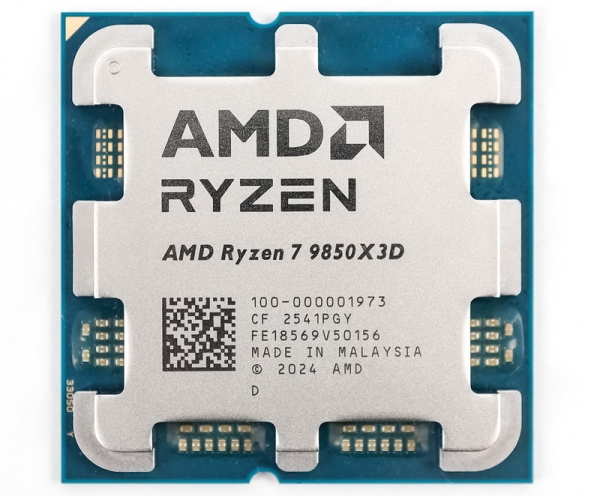
The Ryzen 7 9850X3D still offers eight cores with Zen 5 architecture and 16 threads, as well as 64 MB of additional 3D V-Cache, bringing the total L3 cache to 96 MB. The increase in maximum clock frequency to 5600 MHz did not result in any significant performance gain.
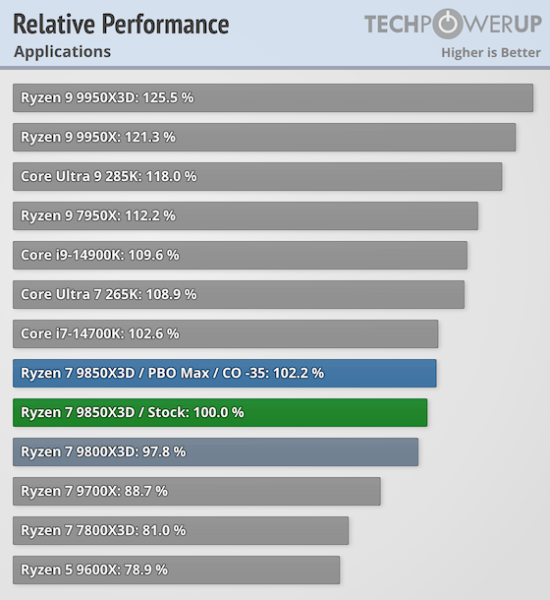
According to TechPowerUp, the performance of the Ryzen 7 9850X3D in applications has slightly improved compared to the Ryzen 7 9800X3D — approximately 2.2% on average. Looking at individual tests, the largest gains are observed in single-threaded loads, where the actual performance increase is 5–7%. In multi-threaded applications, the performance is virtually identical to that of the Ryzen 7 9800X3D.
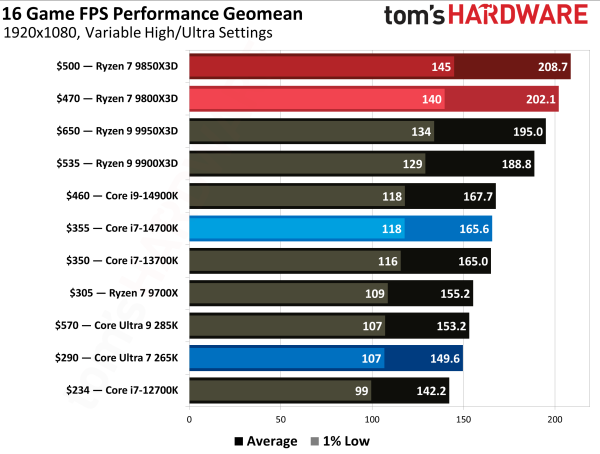
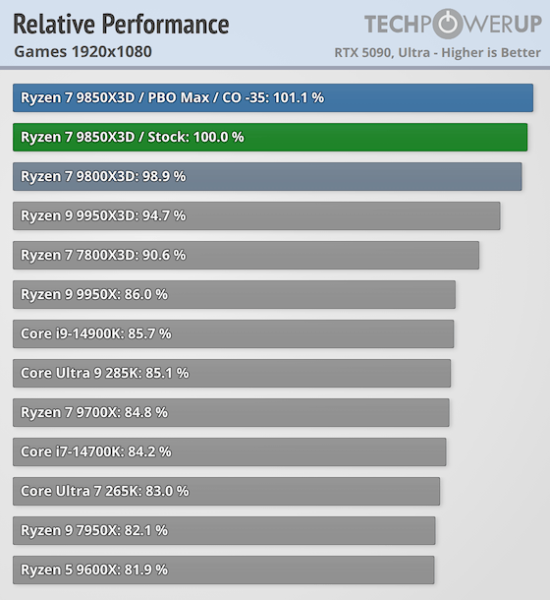
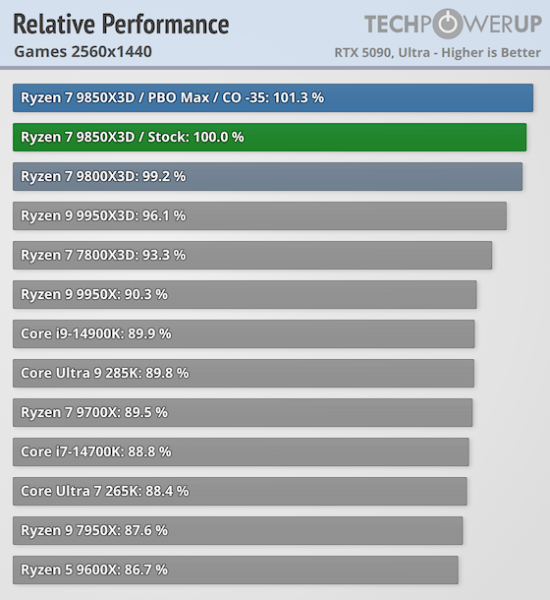
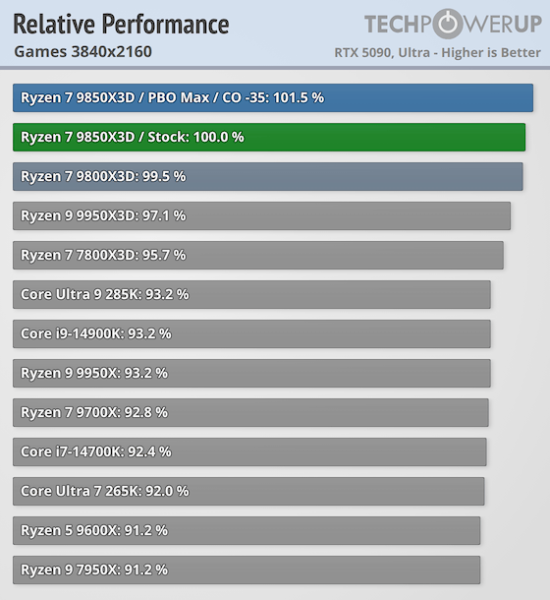
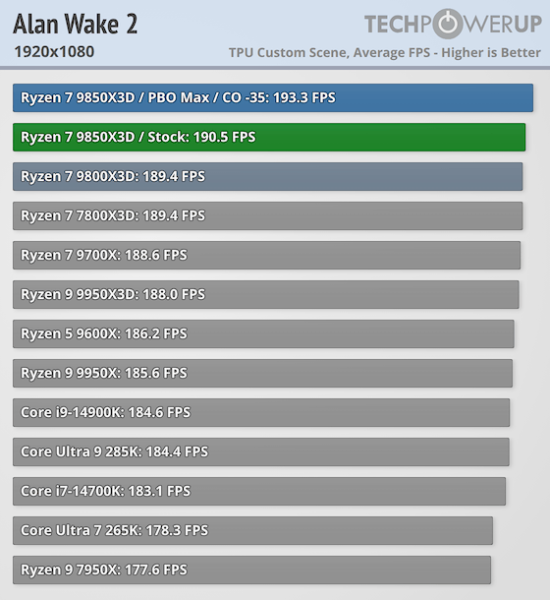
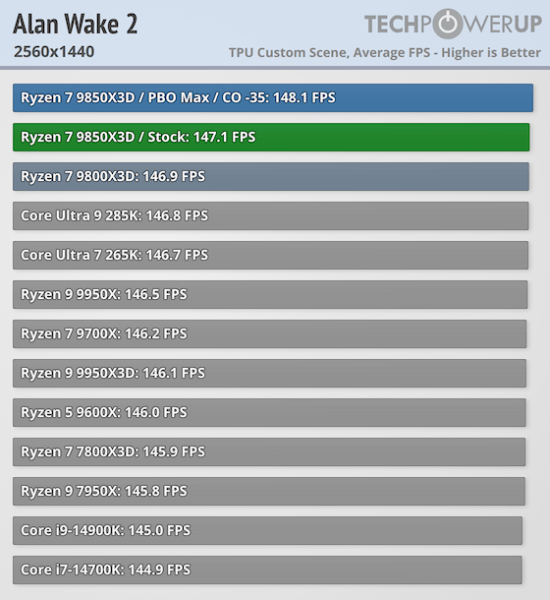
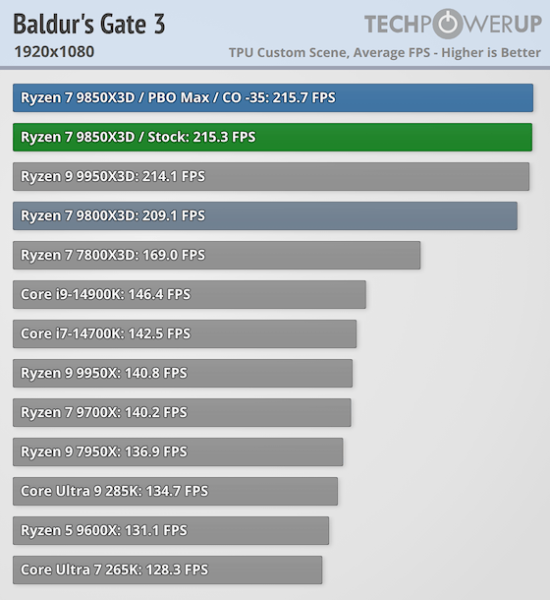
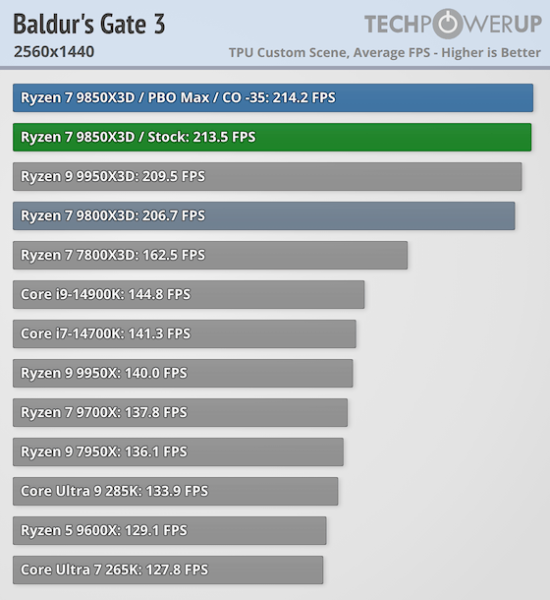
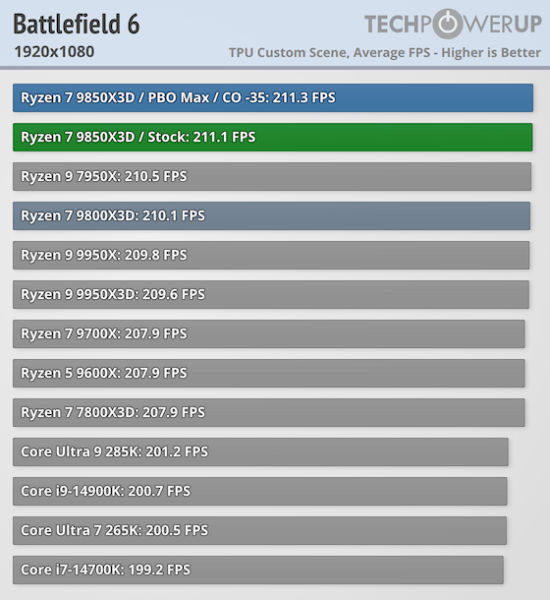
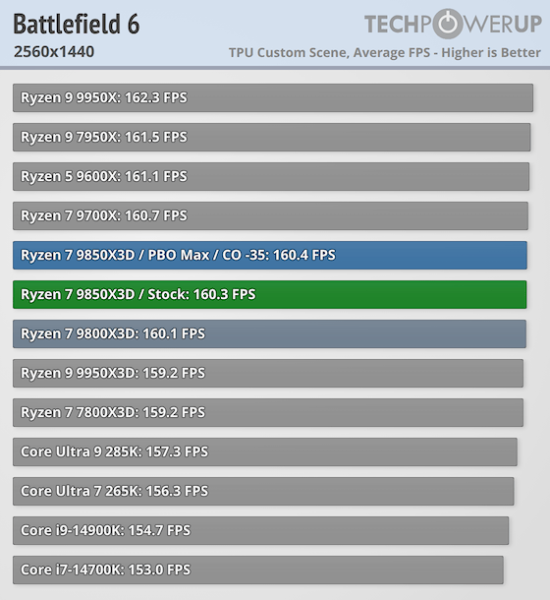
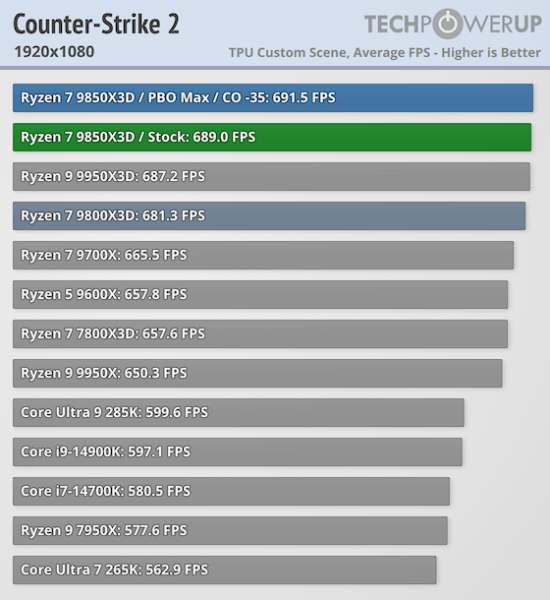
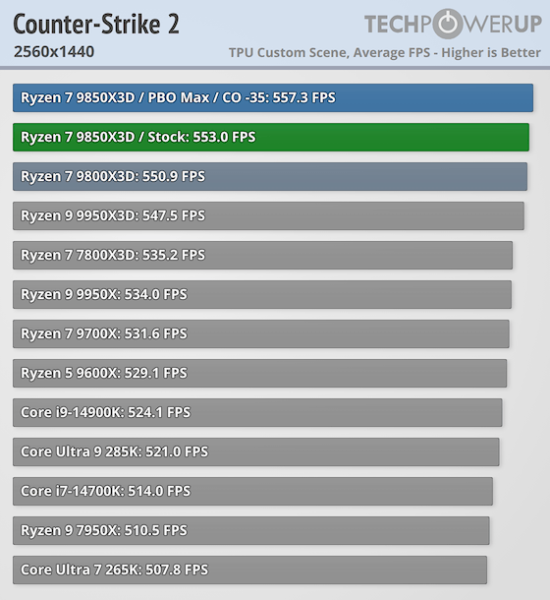
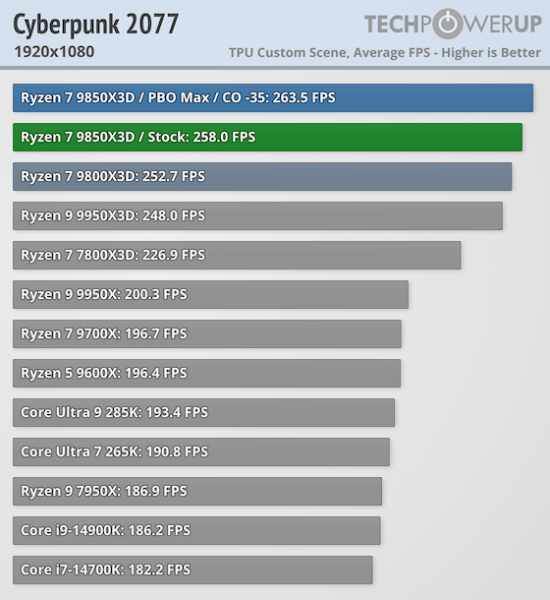
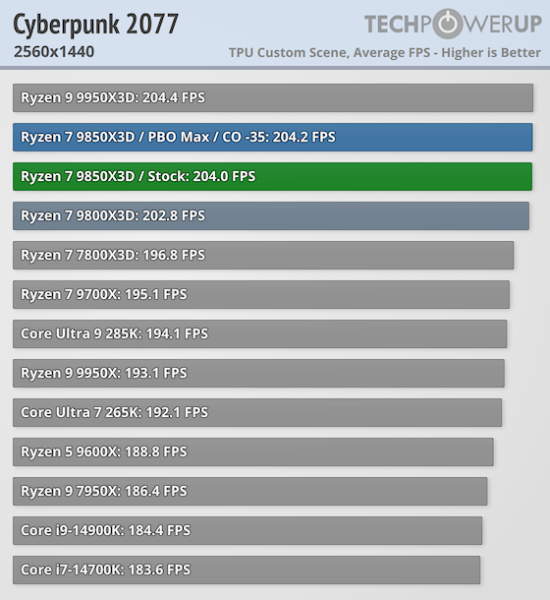
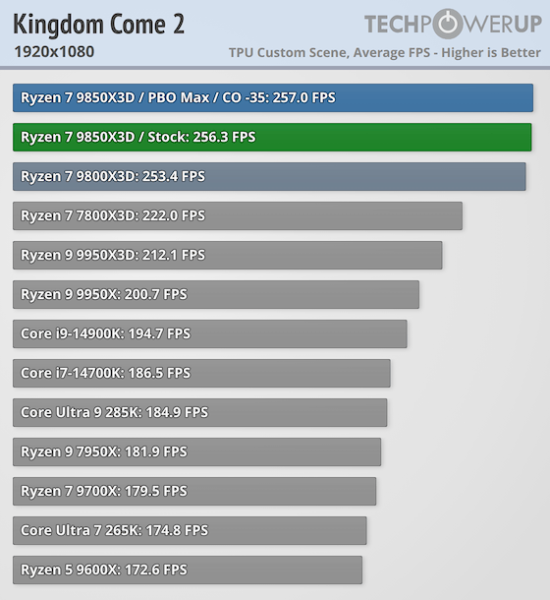
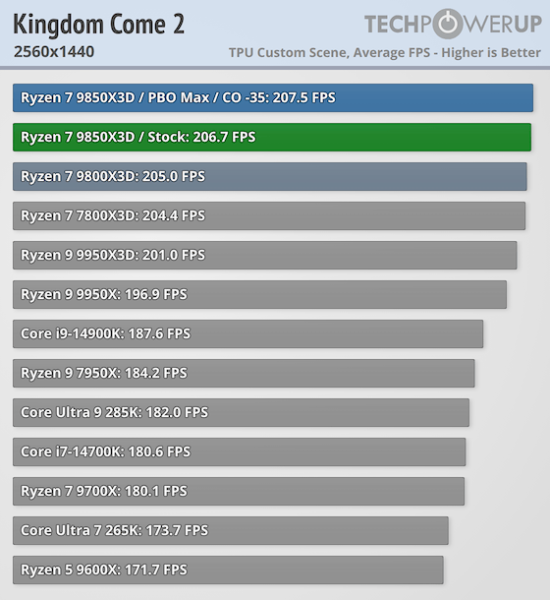
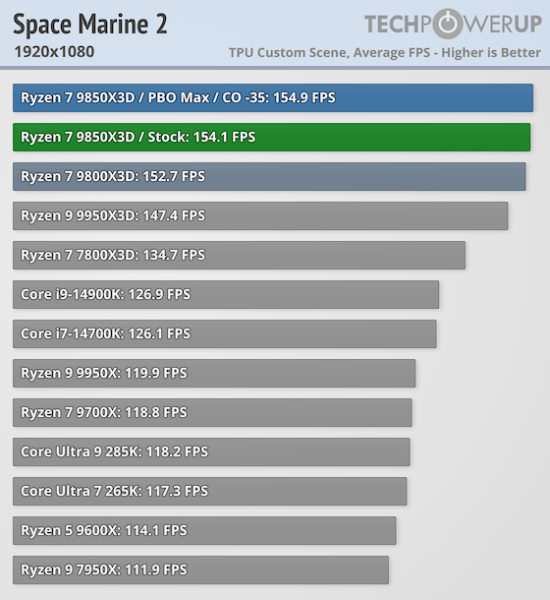
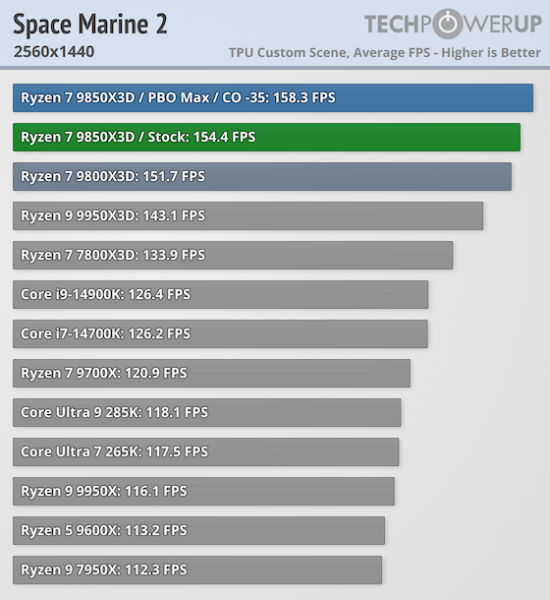
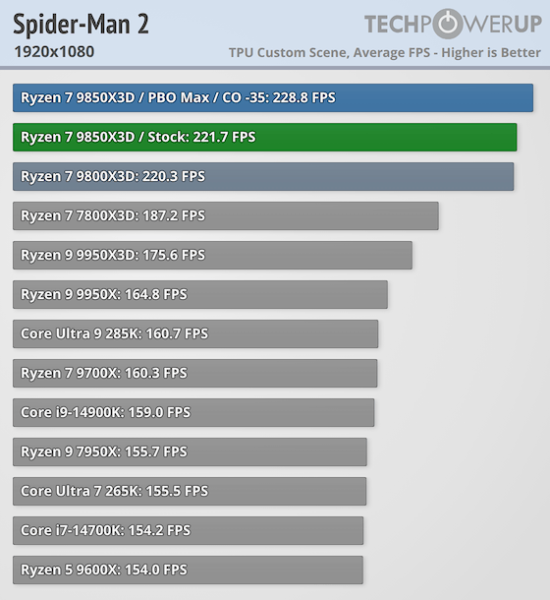
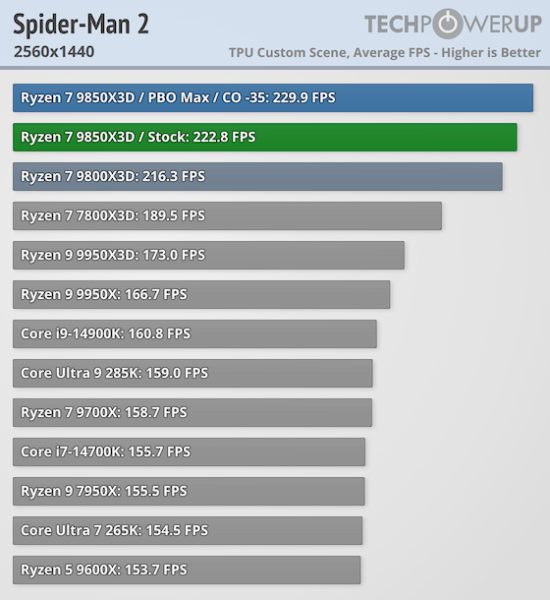
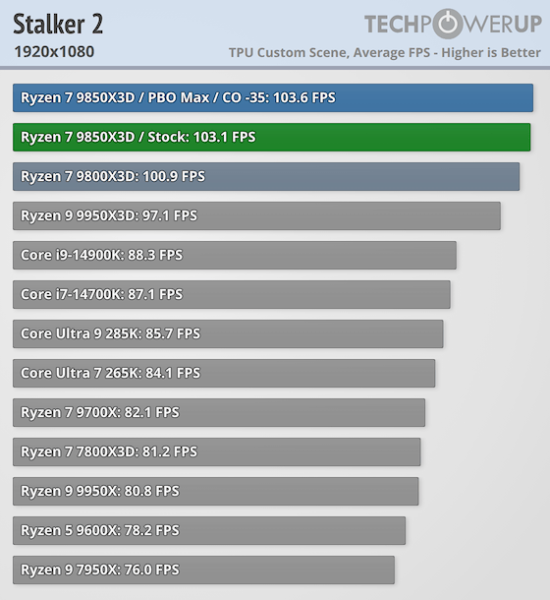
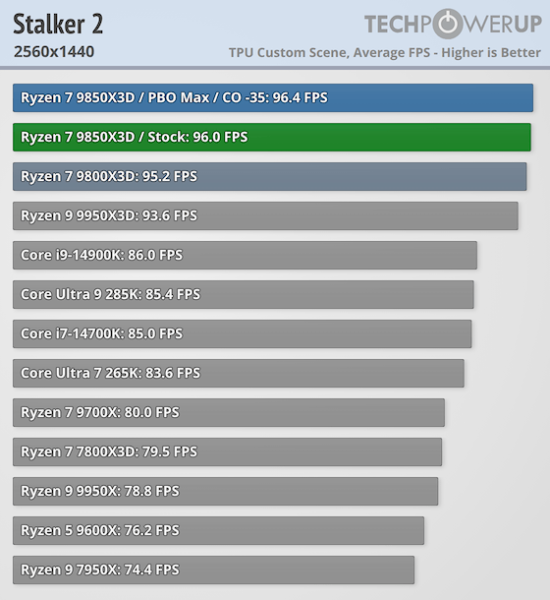
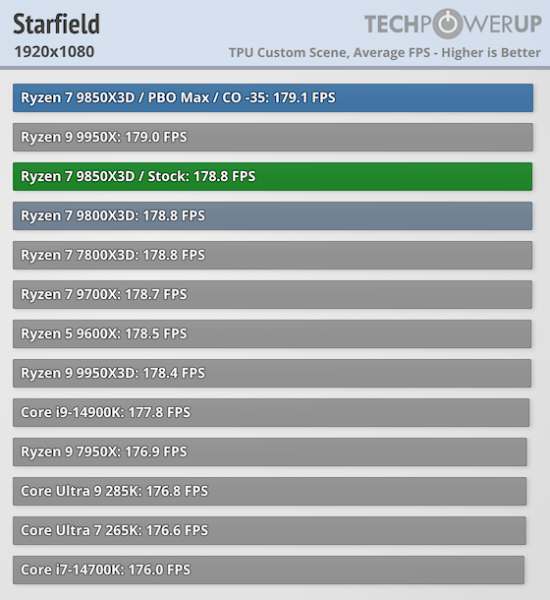
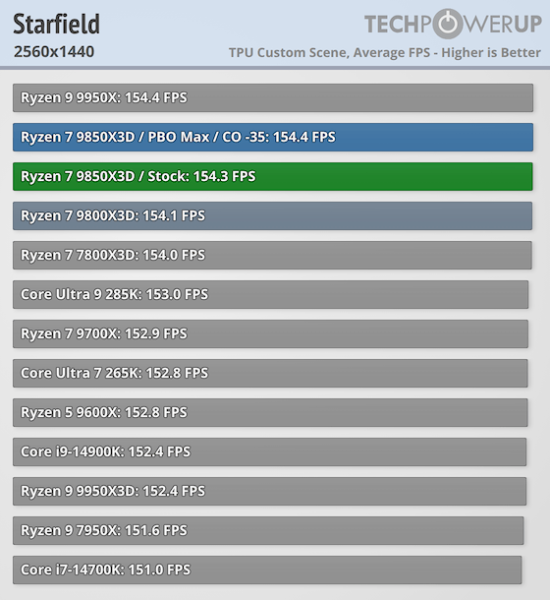
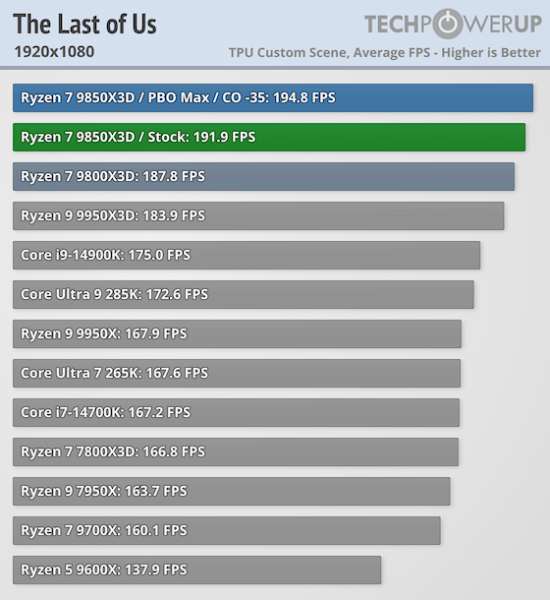
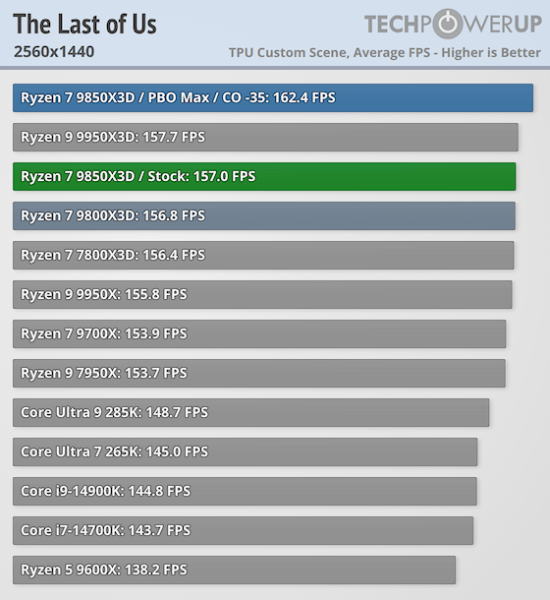
The gaming performance of the Ryzen 7 9850X3D is impressive — it surpasses all other processors on the market, including the Ryzen 7 9800X3D. Although the difference with the latter is small, at best 2.5% and only 0.5% at 4K resolution, according to TechPowerUp.
TechPowerUp's conclusions are agreed upon by well-known enthusiast and head of Thermal Grizzly, Roman "der8auer" Hartung. In his gaming tests, the difference between the two processors was at most 4%.
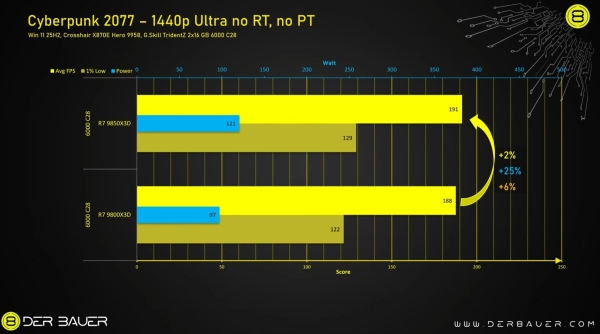
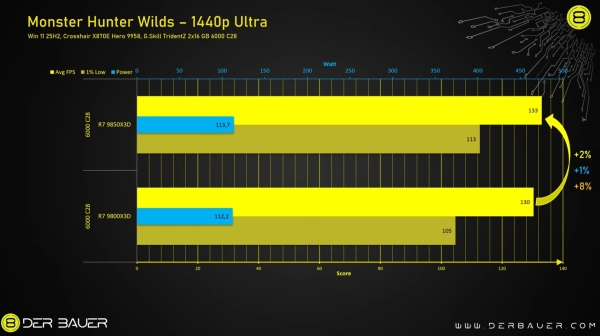
Roman notes that along with the performance increase, the processor's power consumption has also grown, especially in graphically intensive games like Cyberpunk 2077. There, the increase was 25% — from approximately 97 W for the Ryzen 7 9800X3D to 121 W for the new model. At the same time, in some scenarios, the difference in power consumption between the two processors was within 1%.
Tom's Hardware reports an average performance increase of 3.3% and a 30% rise in power consumption compared to the Ryzen 7 9800X3D.
Zdroj: 3dnews.ru
