

Jeg offentliggør det første kapitel af forelæsningerne om teorien for automatisk kontrol, efter hvilke dit liv aldrig vil være det samme igen.
Forelæsningerne i kurset "Styring af Tekniske Systemer" holdes af Oleg Stepanovich Kozlov fra instituttet for "Kernereaktorer og Energianlæg" ved fakultetet for "Energi- og Maskinteknik" på MGTU opkaldt efter N.E. Bauman. Han skal have stor tak for det.
Disse forelæsninger er kun ved at blive publiceret i form af en bog, og da der er specialister inden for TAC, studerende og blot interesserede i emnet her, er al kritik velkommen.
1. Grundlæggende begreber i teorien om styring af tekniske systemer
1.1. Mål, principper for styring, typer af styringssystemer, grundlæggende definitioner, eksempler
Udviklingen og forbedringen af industriel produktion (energi, transport, maskinteknik, rumfartsindustri osv.) kræver en kontinuerlig stigning i maskiners og aggregaters produktivitet, forbedring af produktkvalitet, reduktion af omkostninger, og især inden for atomenergi en markant forbedring af sikkerheden (nuklear, stråling osv.) ved drift af atomkraftværker og nukleare anlæg.
Opnåelse af de opstillede mål er umulig uden implementering af moderne styringssystemer, som omfatter både automatiserede (med deltagelse af menneskelige operatører) og automatiske (uden menneskelig involvering) styringssystemer (SU).
Definition: Styring er sådan en organisering af en given teknologisk proces, der sikrer opnåelse af det opstillede mål.
Teorien om styring er et område inden for moderne videnskab og teknik. Den bygger (er baseret) både på fundamentale (generelle videnskabelige) discipliner (f.eks. matematik, fysik, kemi osv.) og anvendte discipliner (elektronik, mikroprocessor teknik, programmering osv.).
Enhver styringsproces (automatisk) består af følgende grundlæggende faser (elementer):
- information om styringsopgaven;
- information om resultatet af styringen;
- analyse af den modtagne information;
- udførelse af beslutningen (påvirkning på styringsobjektet).
For at realisere Styringsprocessen skal styringssystemet (SU) have:
- informationskilder om styringsopgaven;
- kilder til information om kontrolresultater (forskellige sensorer, måleenheder, detektorer osv.);
- apparater til analyse af den modtagne information og udarbejdelse af beslutninger;
- udførelsesapparater, der påvirker kontrolobjektet, bestående af: regulator, motorer, forstærker-omformerapparater osv.
Definition: Hvis kontrolsystemet (KS) indeholder alle ovennævnte dele, er det et lukket system.
Definition: Kontrol af tekniske objekter ved brug af information om kontrolresultater kaldes feedback-princippet.
Oversigtsmæssigt kan et sådant kontrolsystem repræsenteres som:
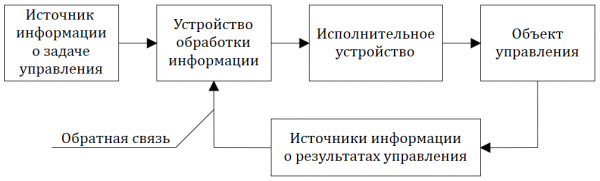
Fig. 1.1.1 - Struktur af kontrolsystemet (KS)
Hvis kontrolsystemet (KS) har en strukturel skitse, hvis udseende svarer til fig. 1.1.1, og fungerer (arbejder) uden menneskelig deltagelse (operatør), kaldes det et automatisk kontrolsystem (AKS).
Hvis KS fungerer med menneskelig deltagelse (operatør), kaldes det et automatiseret KS.
Hvis styringen sikrer en given lov for ændringer i objektet over tid, uafhængigt af kontrolresultaterne, udføres denne kontrol på en åben cyklus, og selve kontrollen kaldes softwarekontrol.
Systemer, der arbejder på en åben cyklus, omfatter industrielle automater (transportbånd, rotorlinjer osv.), maskiner med numerisk kontrol (CNC): se eksempel i fig. 1.1.2.
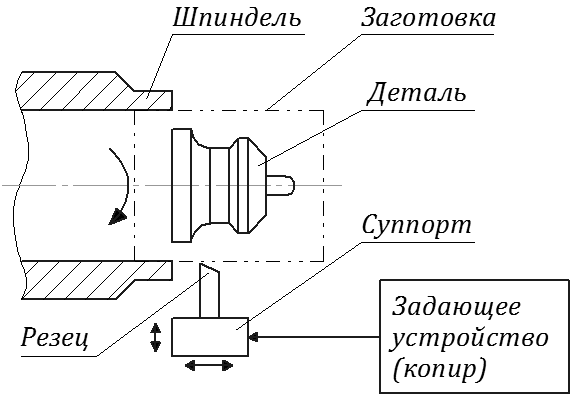
Fig. 1.1.2 - Eksempel på programmeret kontrol
Det givende apparat kan for eksempel være en 'kopiator'.
Da der i dette eksempel ikke er sensorer (måleanordninger), der overvåger den frembragte detalje, kan målet (fremstillingen af detaljen) ikke opfyldes (realiseres), hvis værktøjet for eksempel blev installeret forkert eller brød sammen. Normalt er det nødvendigt med en udgangskontrol i sådanne systemer, som kun vil registrere afvigelser i størrelsen og formen af detaljen fra det ønskede.
Automatiske kontrolsystemer opdeles i 3 typer:
- automatiske kontrolsystemer (AKS);
- automatiske reguleringssystemer (ARS);
- følgesystemer (FS).
ARS og FS er undergrupper af AKS ==>  .
Definition: An automatic control system that maintains the constancy of a certain physical quantity (or group of quantities) in the controlled object is called a control automation system (CAS).
Control automation systems (CAS) are the most common type of automatic control systems.
The world's first automatic regulator (18th century) – Watt's regulator. This scheme (see Fig. 1.1.3) was implemented by Watt in England to maintain a constant speed of the steam engine's wheel and, consequently, to maintain the constancy of the rotation speed (movement) of the pulley (belt) of the transmission.
In this scheme the sensitive elements (measuring sensors) are the 'weights' (spheres). The 'weights' (spheres) also make the lever move and subsequently the valve. Therefore, this system can be classified as a direct control system, and the regulator as a direct action regulator, as it simultaneously performs the functions of both a 'measurer' and a 'regulator'.
In direct action regulators no additional energy source is required for moving the regulating organ.
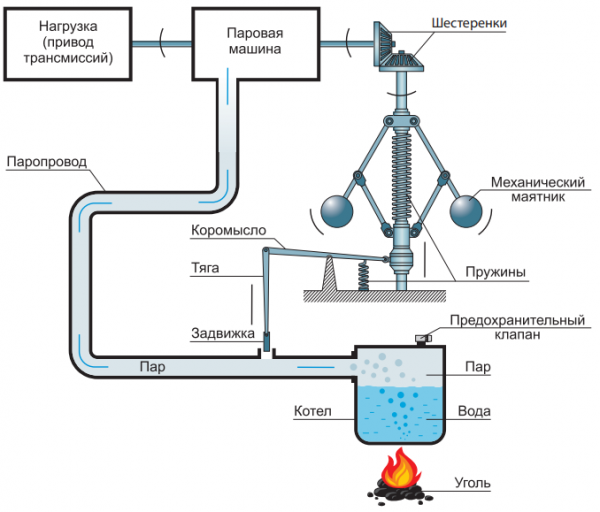
Fig. 1.1.3 — Watt's automatic regulator scheme
In indirect control systems, the presence of an amplifier (for example, power), an additional actuating mechanism, containing, for example, an electric motor, servo motor, hydraulic drive, etc., is necessary.
An example of an automation control system (ACS) in the fullest sense of the definition can be a control system ensuring a rocket's launch into orbit, where the controlled quantity can be, for example, the angle between the rocket's axis and the normal to the Earth ==> see Fig. 1.1.4.a and Fig. 1.1.4.b.
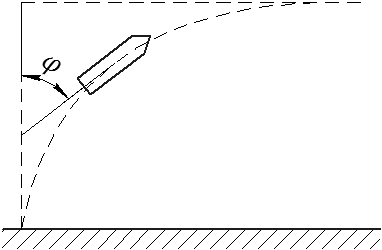
Fig. 1.1.4 (a)
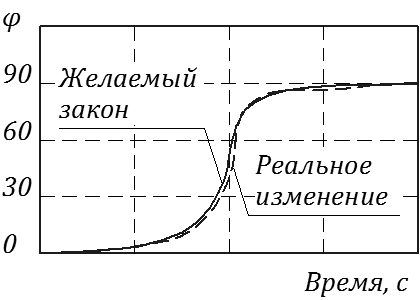
Fig. 1.1.4 (b)
1.2. Structure of control systems: simple and multidimensional systems
In the theory of Technical Systems Control, any system is generally divided into a set of links connected in network structures. In the simplest case, the system contains one link, to which an input effect (input) is applied, and at the output, the system's response (output) is obtained.
In the theory of Technical Systems Control, two main methods of representing control system links are used:
— in 'input-output' variables;
– i tilstandsvariable (se sektion 6…7 for mere information).
Præsentation i "indgang-udgang" variabler anvendes normalt til at beskrive relativt enkle systemer med én "indgang" (én kontrollerende påvirkning) og én "udgang" (én regulerbar størrelse, se figur 1.2.1).
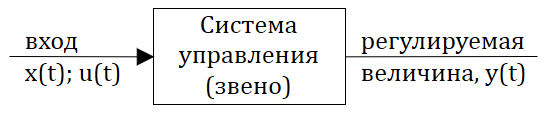
Fig. 1.2.1 – Schematic representation of a simple control system
Sådan en beskrivelse bruges normalt for teknisk enkle automatiske styresystemer (SAS).
For nylig har præsentationen i tilstandsvariabler fået bred udbredelse, især for teknisk komplekse systemer, herunder multidimensionale SAS. Figur 1.2.2 viser en skematisk repræsentation af et multidimensionelt automatiseret styresystem, hvor u1(t)…um(t) – kontrollerende påvirkninger (kontrolvektor), y1(t)…yp(t) – regulerede parametre for SAS (udgangsvektor).
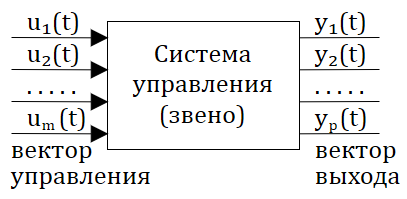
Fig. 1.2.2 – Schematic representation of a multidimensional control system
Lad os se nærmere på strukturen af den automatiske styresystem (SAS), præsenteret i variablerne "indgang-udgang", som har én indgang (indgangs- eller styreprædikt) og én udgang (udgangspåvirkning eller reguleret variabel).
Antag, at den strukturelle skema for denne SAS består af et bestemt antal elementer (led). Ved at gruppere led efter funktionelt princip (hvad led gør), kan den strukturelle skema for SAS føres til følgende typiske udseende:
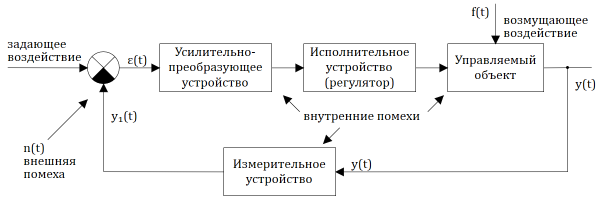
Fig. 1.2.3 – Strukturdiagram for det automatiske styresystem
Symbolet ε(t) eller variablen ε(t) angiver afvigelsen (fejlen) ved udgangen af sammenligningsenheden, som kan "arbejde" i tilstand som enkle aritmetiske sammenligninger (oftest subtraktion, sjældnere addition), såvel som mere komplekse sammenligningsoperationer (procedurer).
Da y1(t) = y(t)*k1, hvor k1 – forstærkningskoefficient, så ==>
ε(t) = x(t) – y1(t) = x(t) – k1*y(t)
Opgaven for kontrolsystemet er, at "arbejde" på at eliminere afvigelsen (fejlen), ε(t), dvs. ==> ε(t) → 0.
Det skal bemærkes, at styringssystemet påvirkes af både eksterne påvirkninger (kontrol, forstyrrelser, støj) og interne forstyrrelser. Forstyrrelsen adskiller sig fra påvirkningen ved sin stokastiske natur (tilfældighed) i eksistensen, mens påvirkningen næsten altid er deterministisk.
Til at betegne den styrende (påkaldende påvirkning) vil vi bruge enten x(t), eller u(t).
1.3. Grundlæggende styringslove
Hvis vi går tilbage til det sidste diagram (strukturskemaet for det automatiske styringssystem i fig. 1.2.3), skal vi "afkode" den rolle, som det forstærkende omformningssystem spiller (hvilke funktioner det udfører).
Hvis det forstærkende omformningssystem (FUO) kun udfører forstærkning (eller svækkelse) af fejlsignalet ε(t), nemlig:  , hvor
 – proportionalitetskoefficienten (i særligt tilfælde
 = Const), så kaldes denne kontrolmetode for den lukkede styring proportional kontrol (P-kontrol).
Hvis FUO genererer et udgangssignal ε1(t), der er proportionelt med fejlen ε(t) og integralet af ε(t), dvs.  , så kaldes denne kontrolmetode proportional-integrerende (PI-kontrol). ==>
 , hvor b – proportionalitetskoefficienten (i særligt tilfælde b = Const).
Normalt bruges PI-kontrol til at forbedre kontrolpræcisionen.
Hvis FUO genererer et udgangssignal ε1(t), der er proportionelt med fejlen ε(t) og dens afledte, så kaldes denne kontrolmetode proportional-differentierende (PD-kontrol): ==> 
Normalt øger brugen af PD-kontrol systemets responstid.
Hvis FUO genererer et udgangssignal ε1(t), der er proportionelt med fejlen ε(t), dens afledte og integralet af fejlen ==>  , så kaldes denne kontrolmetode den proportional-integrerende-differentierende kontrolmetode (PID-kontrol).
PID-kontrol muliggør ofte "god" kontrolpræcision ved "god" responstid.
1.4. Klassifikation af automatiserede kontrolsystemer
1.4.1. Klassifikation efter rækken af matematiske beskrivelser
Efter typen af matematisk beskrivelse (dynamiske og statiske ligninger) opdeles automatiserede kontrolsystemer (AKS) i lineære og ikke-lineære systemer (AKS eller SAR).
Hver "underslægt" (lineære og ikke-lineære) opdeles i en række "underslægter". For eksempel har lineære automatiske kontrolsystemer (SAR) forskelle baseret på typen af matematisk beskrivelse.
Da der i dette semester kun vil blive set på de dynamiske egenskaber af lineære automatiske kontrolsystemer (regulering), vil vi nedenfor give en klassifikation baseret på den matematiske beskrivelse for lineære SAR:
1) Lineære automatiske kontrolsystemer, der beskrives i variablerne "indgang-udgang" med almindelige differentialligninger (ODE) med konstante koefficienter:


hvor x(t) – indgangspåvirkning; y(t) – udgangspåvirkning (den regulerede størrelse).
Hvis man bruger den operatoriske ("kompakte") form for at skrive lineær ODE, kan ligningen (1.4.1) præsenteres i følgende form:

hvor, p = d/dt – differentiering operator; L(p), N(p) – de tilsvarende lineære differentialoperatører, der er lig med:


2) Lineære automatiske kontrolsystemer, der beskrives af lineære almindelige differentialligninger (ODE) med variable (af tiden) koefficienter:


Generelt kan sådanne systemer også tilhøre klassen af ikke-lineære SAR.
3) Lineære automatiske kontrolsystemer, der beskrives af lineære differensligninger:


hvor f(…) – en lineær funktion af argumenterne; k = 1, 2, 3… – hele tal; Δt – kvantiseringsintervallet (diskretiseringsintervallet).
Ligningen (1.4.4) kan præsenteres i "kompakt" form:

Brug af en sådan beskrivelse af lineære SAR anvendes normalt i digitale kontrolsystemer (ved brug af computere).
4) Lineære automatiske kontrolsystemer med forsinkelse:

hvor L(p), N(p) – lineære differentialoperatører; τ – forsinkelsestid eller konstant forsinkelse.
Hvis operatorerne L(p) og N(p) degenererer (L(p) = 1; N(p) = 1), så svarer ligningen (1.4.6) til den matematiske beskrivelse af dynamikken i et ideelt forsinkelsesled:

og den grafiske illustration af dets egenskaber er givet i fig. 1.4.1.
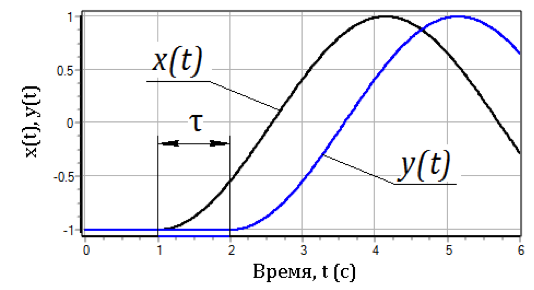
Fig. 1.4.1 – Grafer for indgang og udgang af et ideelt forsinkelsesled.
5) Lineære automatiske kontrolsystemer, der beskrives af lineære differentialligninger i partielle afledte.Ofte kaldes sådanne SAR fordelte styringssystemer. ==> "Abstrakt" eksempel på en sådan beskrivelse:

Ligningssystemet (1.4.7) beskriver dynamikken i et lineært distribueret automatiseret styringssystem, dvs. den kontrollerede størrelse afhænger ikke kun af tiden, men også af én rumlig koordinat.
Hvis kontrolsystemet er et 'rumligt' objekt, så ==>

hvor  afhænger af tid og rumlige koordinater, defineret ved radiusvektoren.

6) Automatiserede styringssystemer, der beskrives af systemer af ordinære differentialligninger eller systemer af difference-ligninger, eller systemer af partielle differentialligninger ==>, og så videre...
En tilsvarende klassifikation kan også foreslås for ikke-lineære automatiserede styringssystemer (SARS)...
For lineære systemer gælder følgende krav:
- linearitet af den statiske karakteristik for det automatiserede styringssystem;
- linearitet i dynamik-ligningen, dvs. variablerne i dynamik-ligningen indgår kun i lineære kombinationer.
Den statiske karakteristik kaldes afhængigheden af udgangen fra størrelsen af den indgående påvirkning i stationær tilstand (når alle overgangsprocesser er dæmpet).
For systemer, der beskrives af lineære ordinære differentialligninger med konstante koefficienter, opnås den statiske karakteristik fra dynamik-ligningen (1.4.1) ved at sætte alle ikke-stationære led lig med nul ==>

Fig. 1.4.2 viser eksempler på lineære og ikke-lineære statiske karakteristika for automatiserede kontrolsystemer (regulering).
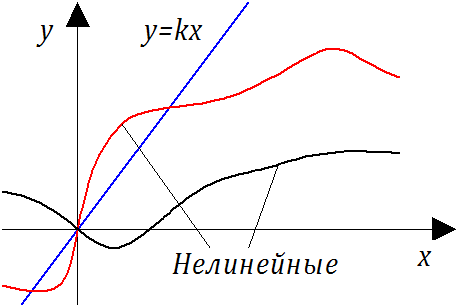
Fig. 1.4.2 — Eksempler på statiske lineære og ikke-lineære karakteristika.
Ikke-lineariteten af led, der indeholder tidsafledninger i dynamik-ligningerne, kan opstå ved brug af ikke-lineære matematiske operationer (*, /,  ,
 , sin, ln osv.). For eksempel, når vi overvejer dynamik-ligningen for et 'abstrakt' automatiseret styringssystem

bemærker vi, at i denne ligning, ved lineær statisk karakteristik,  er det andet og tredje led (dynamiske led) i venstre side af ligningen — ikke-lineære, derfor er det automatiserede styringssystem, der beskrives af en sådan ligning, ikke-lineært i den dynamiske dimension..
1.4.2. Klassifikation efter karakteren af de overførte signaler.
Efter karakteren af de overførte signaler opdeles automatiserede kontrolsystemer (eller regulering) i:
- kontinuerlige systemer (systemer med kontinuerlig drift);
- relæsystemer (systemer med relædrift);
- diskrete handlingssystemer (impuls- og digitale systemer).
Systemet kontinuerligt. Handling is called a control system, in which each of the links is continuous changes in the input signal over time corresponds to a continuous change in the output signal, where the law of change of the output signal can be arbitrary. For the control system to be continuous, it is necessary that the static characteristics of all links are continuous.
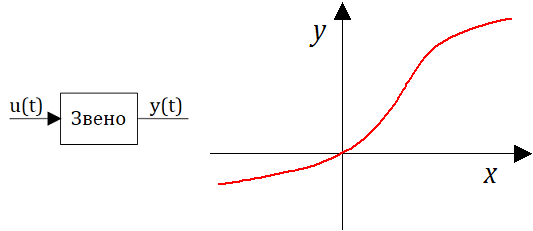
Fig. 1.4.3 — Example of a continuous system
Systemet relay actions is called a control system in which at least in one link, with a continuous change in the input quantity, the output quantity changes in "jumps" depending on the value of the input signal at certain moments of the control process. The static characteristic of such a link contains discontinuities eller breaks with gaps.
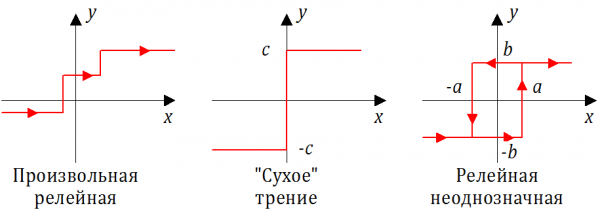
Fig. 1.4.4 — Examples of relay static characteristics
Systemet discrete actions is called a system in which at least in one link, with the continuous change in the input quantity, the output quantity has the form of separate impulses, appearing after a certain period of time.
The link that converts a continuous signal into a discrete signal is called an impulse link. Such a form of transmitted signals occurs in control systems with a computer or controller.
The following methods (algorithms) for converting a continuous input signal into a discrete output signal are most commonly implemented:
- amplitude-pulse modulation (APM);
- pulse-width modulation (PWM).
Fig. 1.4.5 shows a graphical illustration of the amplitude-pulse modulation (APM) algorithm. At the top of the figure, the time dependence x(t) — of the signal at the input of the impulse link. The output signal of the impulse block (link) y(t) is a sequence of rectangular pulses appearing with konstant a quantization period Δt (see the bottom of the figure). The duration of the pulses is the same and equals Δ. The amplitude of the pulse at the output of the block is proportional to the corresponding value of the continuous signal x(t) at the input of this block.
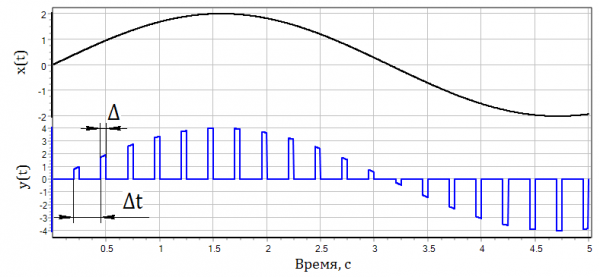
Fig. 1.4.5 — Implementation of amplitude-pulse modulation
This method of impulse modulation was quite widespread in electronic measuring equipment of control and protection systems (CPS) of nuclear power installations (NPI) in the 70s...80s of the last century.
I figur 1.4.6 er der præsenteret en grafisk illustration af breddemodulationsalgoritmen (PWM). Øverst i figur 1.14 præsenteres den tidsafhængige x(t) – signal på indgangen til pulsleddet. Udgangssignalet fra pulsmodulet (leddet) y(t) – en sekvens af rektangulære impulser, der optræder med en konstant kvantiseringsperiode Δt (se den nederste del af figur 1.14). Amplituden for alle impulser er den samme. Varigheden af impulsen Δt ved udgangen af modulet er proportional med den tilsvarende værdi af det kontinuerlige signal x(t) på indgangen til pulsmodulet.
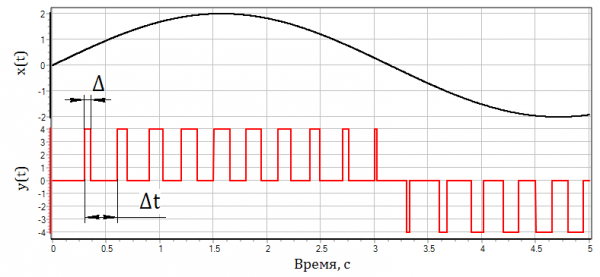
Figur 1.4.6 — Implementering af breddemodulation
Denne metode til pulsmodulation er i øjeblikket den mest udbredte i elektronisk måleudstyr i kontrol- og beskyttelsessystemer (CPS) for kernekraftanlæg (KPA) og automatisk kontrol for andre tekniske systemer.
Afslutningsvis skal det bemærkes, at hvis karakteristiske tidskonstanter i andre led i CPS (UCH) er væsentligt større Δt (med flere ordrer), kan pulsmoduleringen betragtes som et kontinuerligt automatiseret kontrolsystem (ved brug af både PWM og PAM).
1.4.3. Klassifikation efter kontroltype
Efter karakteren af kontrolprocesserne opdeles automatiske kontrolsystemer i følgende typer:
- deterministiske CPS, hvor et indgangssignal entydigt kan svarer til et udgangssignal (og omvendt);
- stochastiske CPS (statistiske, probabilistiske), hvor et givet indgangssignal 'svarer' til et tilfældigt (stochastisk) udgangssignal.
Det stochastiske udgangssignal karakteriseres ved:
- fordelingsloven;
- det matematiske forventning (gennemsnitsværdi);
- variansen (standardafvigelsen).
Stochastisk karakter af kontrolprocessen observeres normalt i væsentligt ikke-lineære CPS både med hensyn til statiske karakteristika og (endda i højere grad) ikke-linearitet af dynamiske medlemmer i dynamikens ligninger.
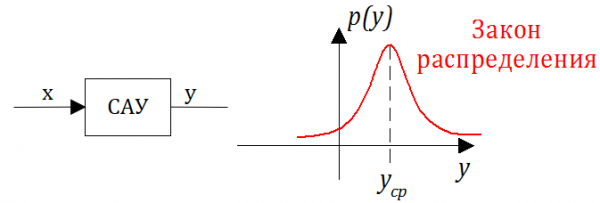
Figur 1.4.7 — Fordelingen af den udgangsvariable for den stochastiske CPS
Udover de nævnte grundlæggende klassifikationstyper af kontrolsystemer findes der også andre klassifikationer. For eksempel kan klassifikationen foretages efter kontrolmetoden og baseres på interaktionen med det ydre miljø samt systemets evne til at tilpasse sig ændringer i parametrene for det omgivende miljø. Systemerne opdeles i to hovedklasser:
1) Almindelige (ikke-adaptive) kontrolsystemer uden tilpasning; disse systemer falder ind under kategorien af enkle systemer, som ikke ændrer deres struktur under kontrolprocessen. De er de mest udviklede og anvendte. Almindelige kontrolsystemer opdeles i tre underklasser: åbne, lukkede og kombinerede kontrolsystemer.
2) Selvjusterende (adaptive) kontrolsystemer. I disse systemer sker der en automatisk (ikke forudbestemt) ændring af parametrene for kontrolenheden, når der opstår ændringer i de eksterne forhold eller karakteristika for reguleringsobjektet, hvilket kan ske ved ændring af kontrolsystemets koefficienter, struktur eller endda introduktion af nye elementer.
Et andet eksempel på klassifikation: efter hierarkisk kriterium (én-niveau, to-niveau, mange-niveau).
Kun registrerede brugere kan deltage i undersøgelsen. , please.
Skal publikationen af forelæsninger om UTS fortsættes?
88,7%Ja118
7,5%Nej10
3,8%Ved ikke5
133 brugere har stemt. 10 brugere har undladt at stemme.
Kilde: habr.com
