

Computers og videospil udvikler sig støt. Ifølge prognoser fra Newzoo vil antallet af gamere i 2023 3 milliarder.
Markedsandelen for cloud-gaming vokser også - ifølge eksperter vil den samlede årlige vækst (CAGR) i denne sektor indtil 2025 være . Når vi ser på de finansielle resultater, forventes markedet i 2025-2026 at nå omkring $3-6 milliarder. Pandemien bremsede ikke, men fremskyndede udviklingen af hele branchen. Der er allerede opstået flere vedholdende trends inden for cloud-gaming, som vil intensiveres i den nærmeste fremtid. Læs mere om dem nedenfor.
5G og cloud-gaming
Båndbredden af trådløse netværk og latenstid er de vigtigste faktorer, der påvirker spiloplevelsen, da data behandles i tjenesteudbyderens datacenter, hvorefter den bearbejdede videostrøm sendes til brugerens enhed. Jo bedre forbindelsen er, desto mere flydende bliver billedet, og jo højere er billedopløsningen. Tidligere kunne man kun opnå god kvalitet med en Ethernet-forbindelse, men i dag frigør mobilbredbånd gradvist spillere fra kabler.
Med udbredelsen af 5G bliver cloud-gaming mere tilgængelig. Femte generations netværk gør det muligt at køre tjenester som Google Stadia og Playkey ikke kun på pc'er og bærbare computere, men også på mobile enheder i alle regioner med 5G-dækning. Gamere får mulighed for at spille AAA-titler på vej til lufthavnen, i caféer eller simpelthen på en bænk i parken, hvis de har lyst. Faktisk har brugerne af mobile enheder millioner af gaming gadgets i hånden. Allerede nu overstiger antallet af mobile gamere 2 milliarder, og med tiden vil deres antal .
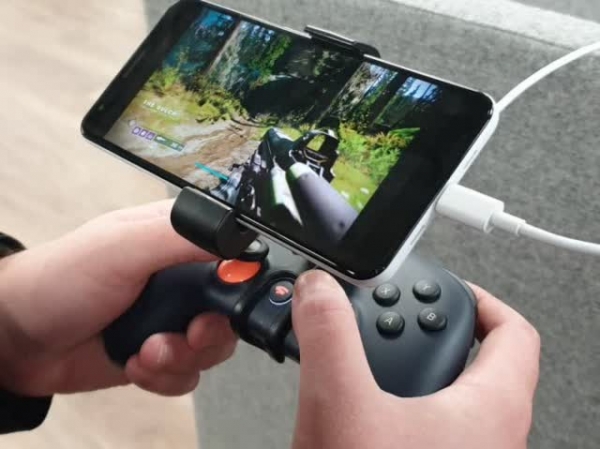
Kommerciel 5G-forbindelse fungerer allerede i Sydkorea, visse regioner i Kina og Japan. Andre lande udvikler aktivt infrastrukturen for femte generations mobile netværk. Alt dette fremmer aktiv udvikling af cloud gaming.
Ankomsten af store spillere
Cloud-gaming de største virksomheder i verden, herunder Microsoft, Google, Amazon, Nvidia, Sony, Tencent, NetEase. Antallet af markedsdeltagere vokser. For eksempel forventer Amazon at lancere sin egen gamingplatform "Project Tempo" i år.
Cloud gaming is actively expanding in Asia. In March 2020, Sanqi Interactive Entertainment and Huawei Cloud agreed to jointly develop a cloud gaming platform.
Russia is not lagging behind. Currently available in the country are:
- GeForceNow.
- Playkey.
- Loudplay.
- Megadrom.
- Power Cloud Game.
- Drova.
These services partner with both Russian and foreign operators, including 'Beeline', MegaFon, MTS, Tele2, and others. They invest significantly in the development of cloud gaming. Joint projects are being implemented that gradually improve the quality of services while expanding their capabilities. There is still work to be done, but progress is evident.
I previously wrote about the capabilities, advantages, and disadvantages of Russian cloud gaming services. .
The cost of the latest generation gaming PCs and consoles
is quite high. Of course, not every gamer can afford a system costing $4000-$5000. On average, players spend $800-1000 to purchase or upgrade a gaming system. But even this is a lot. High prices for gaming equipment deter millions of gamers. Experts estimate that about 70% of potential buyers of gaming PCs or laptops lack the desire or means to acquire what they would like. As a result, the specifications of 60% of personal computers do not meet the resource requirements of AAA-class games. If the prices of powerful gaming systems were to decrease, the market would immediately gain millions of new players.
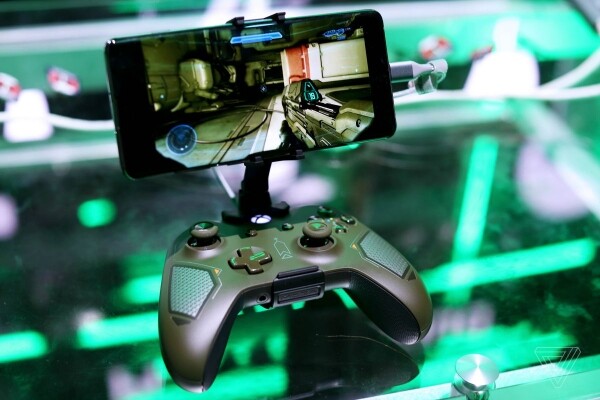
And here, cloud gaming services come to the rescue, allowing users to avoid unnecessary expenses on computer hardware or consoles. To play those AAA-class games, you only need the right service, an affordable PC, laptop, tablet, or smartphone, a good internet connection, and a controller or keyboard.
Games as a service
Thanks to the abandonment of 'hardware', cloud gaming virtually has no entry barrier. A new model of consuming gaming content is emerging. Additionally, a new class of games, cloud-native, is being developed, which are initially created for cloud platforms and have no hardware requirements. A bright representative of this niche is Fortnite.
Takket være fraværet af "hardware" har cloud-gaming næsten ingen indgangsbarrierer. En ny model for forbrug af spilindhold formes. Derudover udvikles en ny klasse af spil, cloud-native, som oprindeligt skabes til cloud-platforme og ikke har hardwarekrav. En fremtrædende repræsentant for denne niche er Fortnite.
Cloud gaming services strive to simplify access to content for players. For example, Google integrates YouTube and Google Stadia. This allows YouTube to showcase game broadcasts. To join in, you simply need to click the button. There's no need to download or purchase anything — just click the 'join' button and start playing. This model has been aptly named 'click to keep play.'

Example of integration in the Google Stadia demo with NBA 2K live stream
Once in the game, users immediately immerse themselves in a friendly environment where they can not only play but also communicate with their 'colleagues.' Interestingly, games are gradually becoming more social, transforming into a kind of social network.
Expanding the audience of cloud gaming
Just a few years ago, a user who wanted to play cloud games needed to have a good level of technical knowledge. Downloading a client, configuring it, and selecting a server were complex tasks for some users. Now, starting a cloud game can literally be done in just a couple of clicks.
The audience of cloud gaming is gradually expanding, with an increasing share of younger users. In January 2020, the share of players under 20 was . By late May to early June, this figure doubled. This surge may have been influenced by students and schoolchildren transitioning to distance learning. With more free time, students started spending it on gaming. , after the introduction of the lockdown, gaming traffic increased by 70% compared to the same period last year. In Russia, the number of players during the quarantine , while cloud service providers saw their revenue soar by 300%.
Overall, the 'Netflix for gaming,' as the cloud gaming industry is called, continues to develop more actively day by day. The progress is evident, and the industry's growth won't be halted by pandemics or potential economic challenges. The key for services is to advance the technical aspects while not forgetting about the variety of available gaming titles and the low entry barrier for users of all ages, regardless of their technical knowledge.
Kilde: habr.com
