

The Waydroid project has prepared a toolkit that allows the creation of an isolated environment within a standard Linux distribution to load a full system image of the Android platform and to run Android applications using it. The code of the proposed toolkit is written in Python and is provided under the GPLv3 license. Ready packages are built for Ubuntu 20.04/21.04, Debian 11, Droidian, and Ubports.
The environment is created using standard technologies for building isolated containers, such as namespaces for processes, user IDs, network subsystems, and mount points. The LXC toolkit is used to manage the container. To run Android on a standard Linux kernel, the 'binder_linux' and 'ashmem_linux' modules are loaded.
The environment is designed to work with a session based on the Wayland protocol. Unlike similar environments like Anbox, Android is provided direct access to hardware without additional layers. The system image of Android proposed for installation is based on builds from the LineageOS project and Android 10.
Waydroid features:
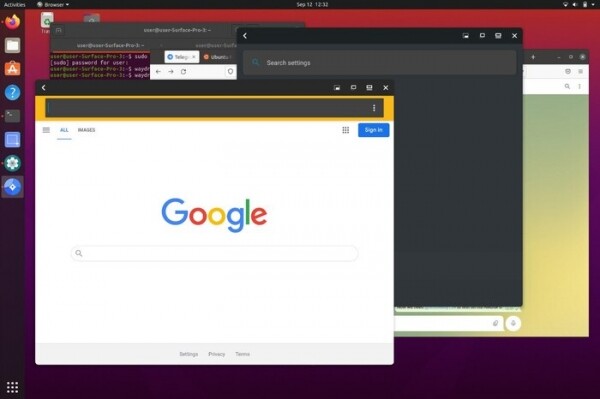
- Desktop integration — Android applications can be launched side by side with native Linux applications.

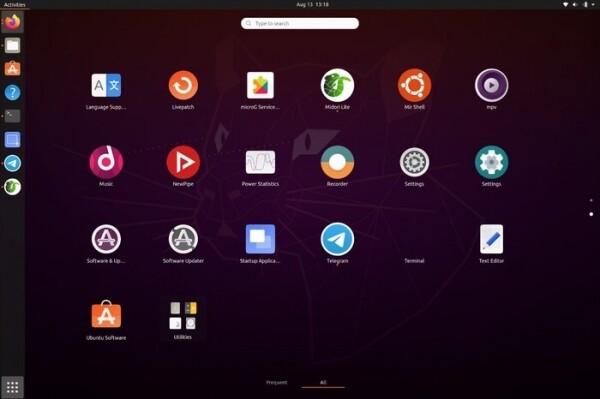
- Support for placing shortcuts for Android applications in the standard menu and displaying programs in overview mode.
- Support for running Android applications in multi-window mode and styling windows according to the basic desktop design.
- For Android games, the ability to launch applications in fullscreen mode is provided.
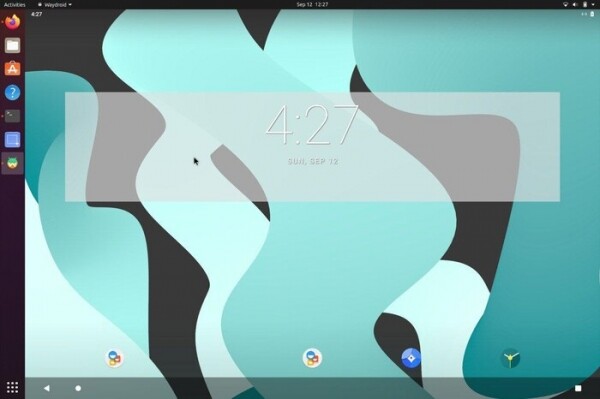
- A mode for displaying the standard Android interface is available.
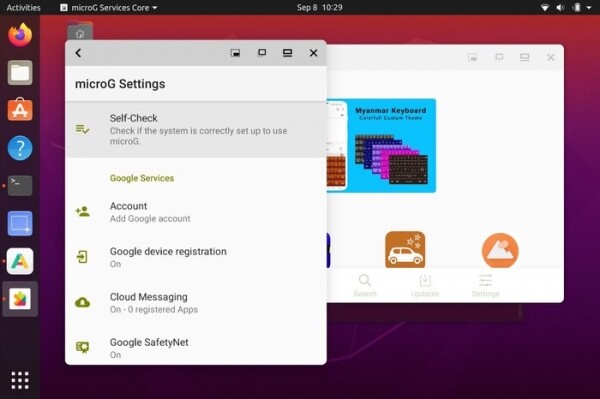
- For installing Android programs in graphical mode, you can use the F-Droid application or the command-line interface ('waydroid app install 123.apk'). Google Play is not supported due to its binding to proprietary Android services from Google, but you can install an alternative free implementation of Google services from the microG project.
Source: opennet.ru
