

The Qt Company has released version 6.3 of the Qt framework, which continues the work on stabilizing and enhancing the features of the Qt 6 branch. Qt 6.3 provides support for Windows 10, macOS 10.14+, Linux (Ubuntu 20.04, CentOS 8.2, openSUSE 15.3, SUSE 15 SP2), iOS 13+, Android 6+ (API 23+), webOS, INTEGRITY, and QNX. The source code for Qt components is distributed under LGPLv3 and GPLv2 licenses.
Key changes in Qt 6.3:
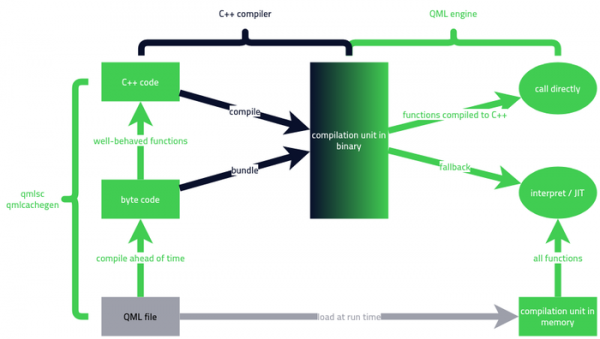
- The Qt QML module introduces an experimental implementation of the qmltc (QML type compiler) that allows compiling QML object structures into C++ classes. For commercial users, Qt 6.3 has prepared the Qt Quick Compiler product, which, in addition to the aforementioned QML Type Compiler, includes the QML Script Compiler that allows compiling QML functions and expressions into C++ code. It is noted that using the Qt Quick Compiler can bring the performance of QML-based programs closer to that of native programs, particularly noted is a reduction in startup and execution time by approximately 20-35% compared to using the interpreted version.

- The 'Qt Language Server' module has been implemented with support for Language Server and JsonRpc 2.0 protocols.
- A compositor has been added to the Qt Wayland Compositor module. server Qt Shell and API for creating custom shell extensions.
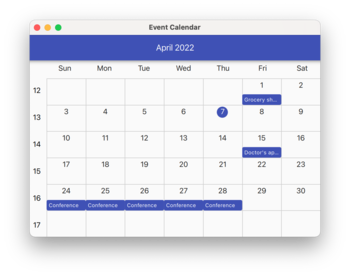
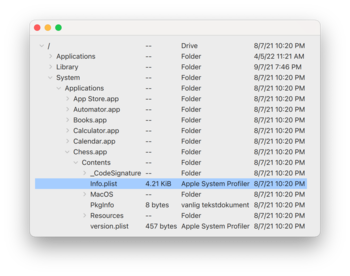
- QML types CalendarModel and TreeView have been integrated into Qt Quick Controls, providing interfaces for displaying calendar information and data in a tree view format.

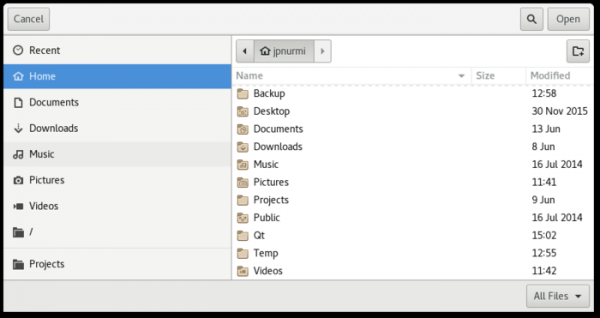
- QML types MessageDialog and FolderDialog have been added to the Qt Quick Dialogs module for utilizing platform-provided system dialog windows for message display and file navigation.

- Performance and efficiency improvements have been made for text handling in Qt Quick. For example, issues causing slow rendering and high memory consumption when passing very large documents to Text, TextEdit, TextArea, and TextInput components have been resolved.
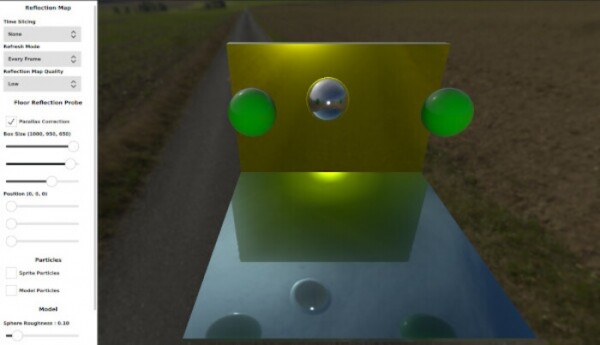
- The QML element ReflectionProbe has been added to the Qt Quick 3D module for rendering reflections of objects. The 3D Particles API has been expanded to add effects from large clusters of particles (smoke, fog, etc.) to 3D scenes. A new element, ResourceLoader, has been implemented to manage resources in Qt Quick 3D and facilitate proactive loading of large resources, such as meshes or textures, as well as controlling the unloading of resources that are not within the visible area of the scene.

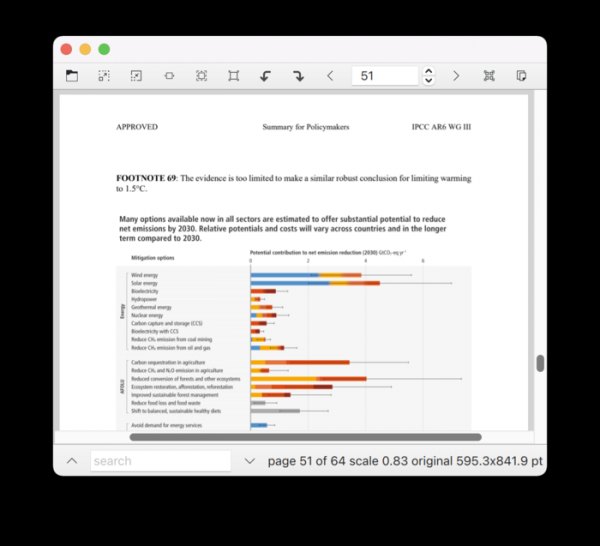
- A preliminary implementation of the Qt PDF module has been added, which was present in Qt 5.15 but not included in Qt 6.

- A significant number of new features related to string data processing have been added to the Qt Core module. QLocale now supports ISO639-2 language codes. QDate, QTime, and QLocale have added support for AM/PM time specifiers. Conversion between JSON and CBOR formats has been simplified. Methods QtFuture::whenAll() and whenAny() have been added.
- Qt Positioning now provides the ability to determine the accuracy of location data provided by Android and iOS platforms.
- Qt Bluetooth now provides information on Bluetooth LE support and status of the Bluetooth adapter in Windows.
- Qt Widgets has improved support for high-resolution screens, styles, and changes in appearance using style sheets.
- The CMake-based build system has been improved. The function qt-generate-deploy-app-script() has been added to simplify the generation of scripts for deploying applications on different platforms.
- Extensive work has been done to enhance the stability and quality of the codebase. Compared to the Qt 6.2 release, 1750 bug reports have been closed.
- Full support for WebAssembly, QHttpServer, gRPC, a backend for Qt Multimedia based on FFmpeg, Qt Speech, and Qt Location is planned for upcoming major releases of Qt 6.x.
Source: opennet.ru
