

After a year of development, the release of the Regolith 2.0 desktop environment, developed by the creators of the eponymous Linux distribution, is available. Regolith is based on GNOME session management technologies and the i3 window manager. Project builds are distributed under the GPLv3 license. Packages for Ubuntu 20.04/22.04 and Debian 11 are prepared for download.
The project is positioned as a modern desktop environment designed for faster execution of standard tasks through optimization of workflows and elimination of unnecessary clutter. The goal is to provide a functional, yet minimalist interface that can be customized and expanded based on user preferences. Regolith may be of interest to newcomers accustomed to traditional window systems, but wishing to try tiled (mosaic) window arrangement methods.
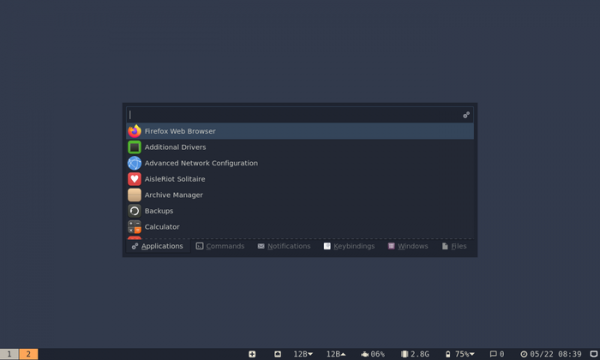
In the new release:
- In addition to Ubuntu, builds for Debian 11 have been implemented.
- A custom implementation of the application launcher menu and window switching interface has been introduced, replacing the previously offered Rofi Launcher interface.

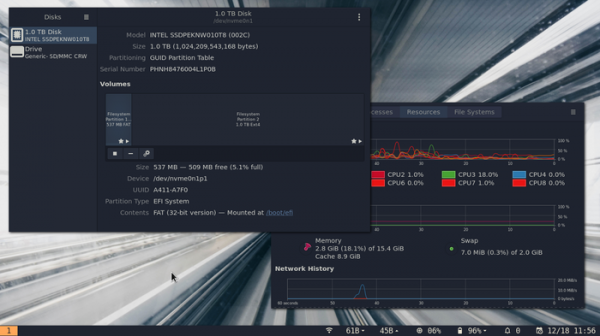
- A custom configurator, regolith-control-center, has replaced gnome-control-center for configuration settings.

- The configuration file for the i3 window manager has been divided into several separate components, allowing for more flexible configuration management.
- Style settings have been updated. Alternative style configuration files can be installed using the regolith-look command.
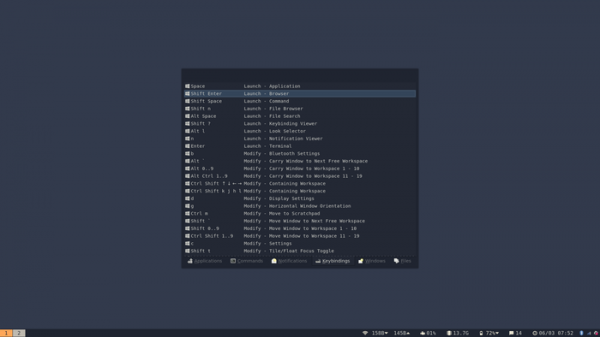
- The hotkey viewer has been replaced.
- Support is provided for managing windows using both the standard i3wm window manager and the i3-gaps project, which develops an extended fork of i3wm.
- Fonts from the Nerd Fonts project have been added.
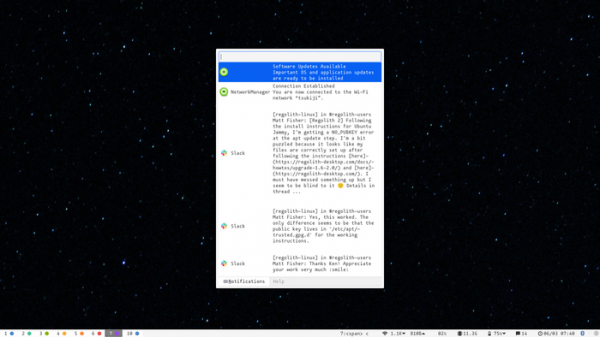
- A utility for managing notifications has been introduced.
- The regolith-diagnostic utility has been added for accumulating diagnostic information.

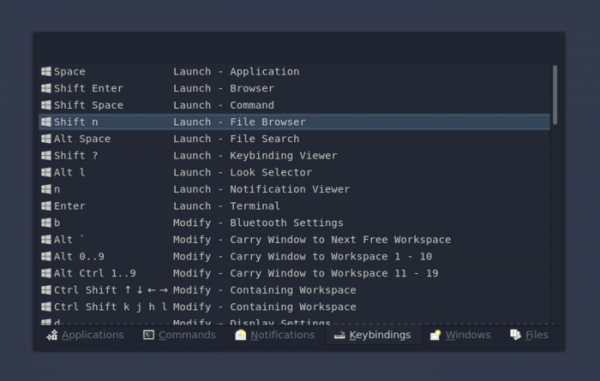
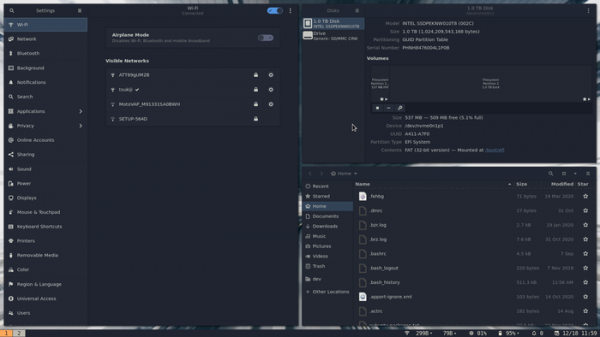
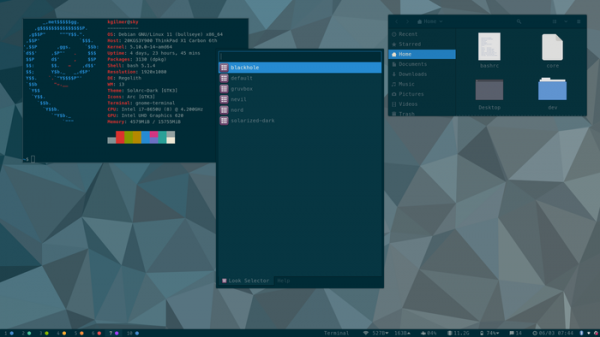
Key features of Regolith:
- Support for hotkeys as in the i3wm window manager for managing the tiling arrangement of windows.
- Usage for managing windows can be either i3wm or i3-gaps, the extended fork of i3wm.
- The panel is built using i3bar, and i3xrocks based on i3blocks is used for running automation scripts.
- Session management is based on the session manager from gnome-flashback and gdm3.
- Components for system management, interface settings, automatic mounting of drives, and managing wireless network connections have been migrated from GNOME Flashback.
- Alongside tiled layouts, traditional window management methods are also allowed.
- The application launcher menu and window switching interface Ilia. The list of applications can be viewed at any time using the keyboard shortcut super+space.
- Rofication is used for displaying notifications.
- The regolith-look utility is used for managing themes and installing individual resources related to appearance.
Source: opennet.ru
