

The release of the mobile platform LineageOS 22.1 has been announced, based on the Android 15 codebase. It has been noted that the LineageOS 22 branch has reached parity in functionality and stability with branch 21 and is deemed ready for its first release. Builds have been prepared for 132 device models (23 more devices than in LineageOS 21). LineageOS can also be run in the Android Emulator and in Android Studio. Additionally, there is support for building in Android TV and Android Automotive modes.
In addition to publishing LineageOS 22, the support for the LineageOS 21 branch continues, with additional builds created for 57 devices. The LineageOS 19.1 and 20.0 branches have also been updated to include fixes for vulnerabilities. For all supported devices, the default installation offers the custom Lineage Recovery, which does not require a separate recovery partition. The update for the LineageOS 18 branch, which still allowed the use of older Linux kernels (up to 4.9), has been discontinued.
The version numbers of LineageOS are synchronized with the quarterly updates of Android. The first release of the LineageOS 22 branch is designated as version 22.1, as it corresponds to the first quarterly update of Android 15 QPR1 (Quarterly Platform Release). The change in versioning and fixing versions for individual quarterly Android updates is explained by a desire to eliminate confusion, as Google has started to practice discontinuing support for certain older devices in intermediate Android updates.
Compared to LineageOS 21, in addition to improvements specific to Android 15, the following changes are offered:
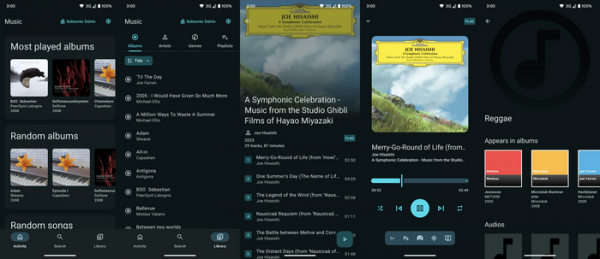
- By default, the new app Twelve is used for listening to music and managing the music collection. It notes that the codebase of the previously proposed music player Eleven, which was offered since 2015, is outdated and does not meet the requirements of modern versions of Android. Features of Twelve include a modern 'Material You' style interface, proper functionality in both portrait and landscape modes, support for most protocols for connecting to network music libraries (Subsonic, OpenSubsonic, Jellyfin), support for streaming protocols (HLS, DASH, SmoothStreaming), an improved search system, the ability to resume playback from interrupted positions after the device is rebooted, additional visualization presets, and an option to skip pauses between tracks.

- The Camelot app is used for viewing PDF documents, allowing the viewing of some PDF files that were not supported in the previously proposed Jelly app. The old app used the WebView browser engine, while the new app is built on the Jetpack library, which is used to render PDF files in Chrome.
- The SeedVault and Etar apps have been updated to their latest releases.
- The WebView component has been updated to Chromium engine version 131.0.6778.200.
- Utilities for extracting resources from APK files (extract-utils) have been rewritten — the unpacking phase on some devices has been reduced by about 30 times (from 180 to 6 seconds).
- Unofficial support has been added for installing LineageOS in virtual environments with virtIO (QEMU, crosvm, UTM).
Source: opennet.ru
