

The release of Linux Mint 22.3 has been announced, continuing the development of the series based on the Ubuntu 24.04 LTS package base. The distribution is fully compatible with Ubuntu but significantly differs in its approach to organizing the user interface and the selection of default applications. The developers of Linux Mint provide a desktop environment in line with classic desktop organization principles, which is more familiar to users who do not embrace the new GNOME 3 interface design. DVD builds are available based on the MATE (3.1 GB), Cinnamon (3 GB), and Xfce (3 GB) shells. The Linux Mint 22 branch is categorized as a long-term support (LTS) release, with updates available until 2029.
Key Changes in Linux Mint 22.3:
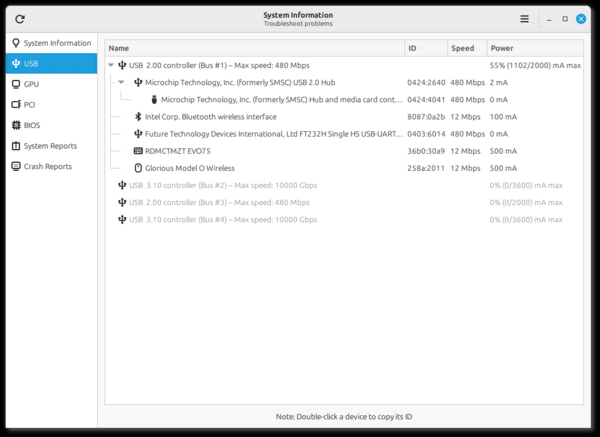
- The "System Reports" utility has been significantly expanded and renamed to "System Information," which now includes pages with general system information and the capability to send error reports, along with four new sections providing detailed information about connected USB devices, PCI components, GPU, and BIOS (including firmware, motherboard details, and boot modes).

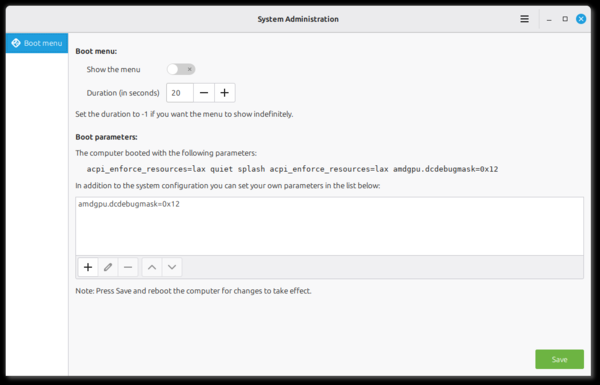
- A new "System Administration" application has been added, launched with root privileges and containing information and settings for administrators. Currently, the application features one section, "Boot menu," where users can manage the display of the boot menu and modify boot parameters.

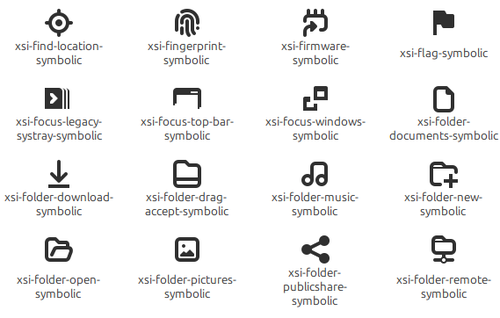
- Instead of the Adwaita symbolic icon set, the proprietary XSI (XApp Symbolic Icons) icon set has been implemented.

- The muffin window manager has significantly improved compatibility with Wayland.
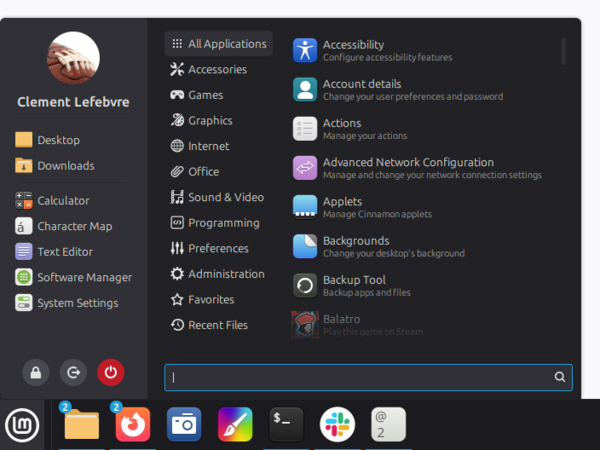
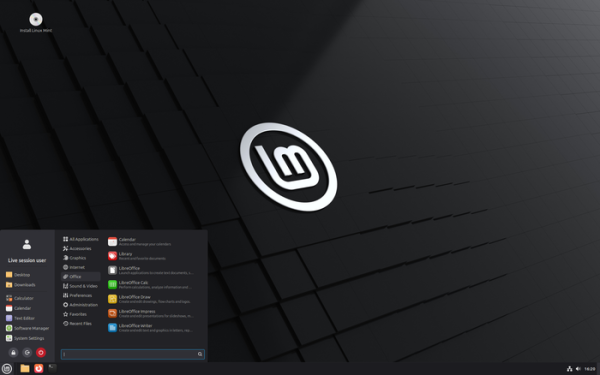
- The Cinnamon desktop environment has been updated to version 6.6 with a revamped application menu that now features a sidebar displaying the user's avatar, favorite folders, and frequently used applications. Tooltip descriptions for programs have been implemented, which appear when hovering the cursor over application names. The display of bookmarks and favorite folders has been separated. The navigation through the menu has been simplified with keyboard shortcuts. The list of program categories in the menu is now more compact, making category differentiation visually clearer with symbolic icons. System buttons (screen lock, sleep mode, shutdown) have been moved to the upper right corner, with settings added that allow users to move them to the bottom of the application menu or the sidebar. Additionally, there is a setting to relocate the search bar to the bottom of the menu.
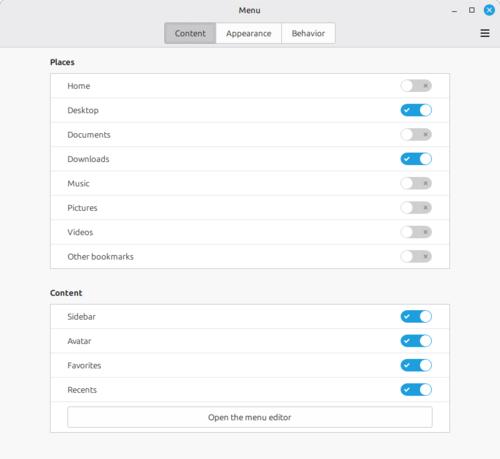
 The configuration tool has been updated with options to hide various menu elements. For example, users can hide the sidebar or customize its contents (bookmarks, favorite folders, frequently used applications, system buttons).
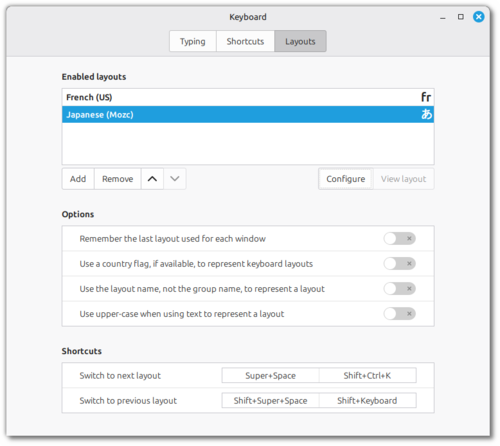
 The keyboard functionality has been redesigned. Support for switching keyboard layouts when using Wayland has been added, along with improved input method support. Traditional layout settings and IBus input method settings have been separated.
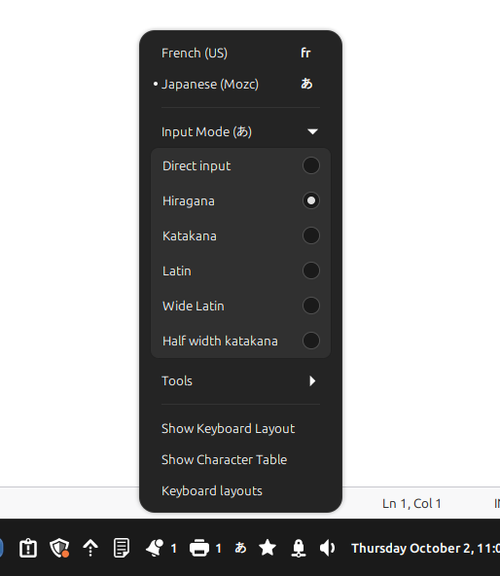
 The layout switcher applet now supports different types of keyboard layouts and IBus.
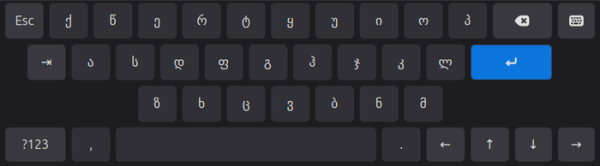
 The on-screen keyboard has been redesigned, no longer using libcaribou, and now supports layout switching.
 The notification system has added an option to prioritize new notifications. Icons have been implemented to indicate the number of unread notifications.
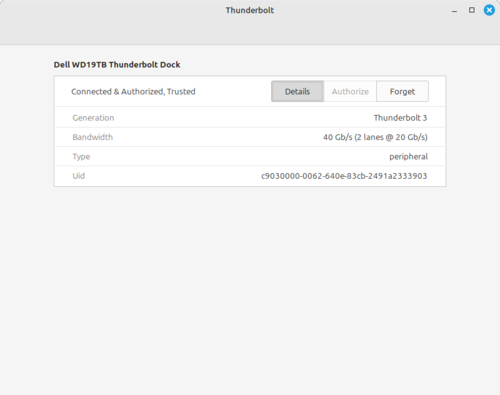
 The applet for switching has been improved, providing thumbnails of workspaces with icons for visible windows. The Alt+Tab window switching interface now includes an option to display only the windows on the current monitor. virtual desktopsIn the configurator, settings for mosaic mode have been separated into their own tab. A section has been added to configure parameters for devices with Thunderbolt interfaces.
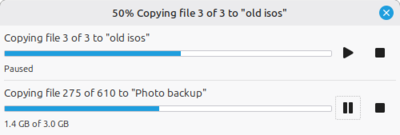
 In the Nemo file manager, a template management interface has been introduced for quick access to applications for creating various types of files. Support for pausing and resuming file operations, such as copying and moving, has been implemented. The accuracy of file searches using regular expressions has been improved. Thumbnail generation has also been enhanced.
 A new applet for enabling Night Light has been added, allowing the adjustment of color temperature according to the time of day. When working at night, the intensity of blue light on the screen is automatically reduced, making the color scheme warmer to reduce eye strain and lessen factors contributing to insomnia when working before bedtime.
 - The Nemo file manager has added an interface for working with templates that allows for quick access to applications for creating various types of files. Support for pausing and resuming file operations, such as copying and moving, has been implemented. The accuracy of file searches using regular expressions has been improved. Thumbnail generation has been enhanced.


- The capabilities of applications built on the xapp library have been expanded, providing an extension over GTK with elements for unifying work in various desktop environments (Cinnamon, MATE, and Xfce). Modern technologies (GTK3 for HiDPI support, gsettings, etc.) are applied in XApps, while traditional interface elements, such as the toolbar and menu, are preserved. Among such applications are the text editor Xed, the photo manager Pix, the document viewer Xreader, and the image viewer Xviewer.
- The Timeshift backup program has implemented the ability to pause and resume snapshot creation operations.
- The IPTV player Hypnotix features the ability to hide the mouse cursor in full-screen mode and enables keypress transmission to the MPV player.
- Support for multithreading and gettext functions has been added to the python3-xapp module. A GTK widget 'ListEditor' has been introduced for managing string lists.
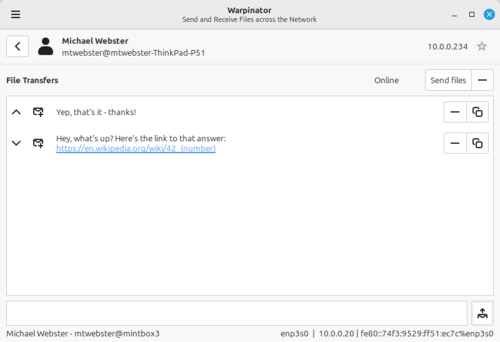
- The Warpinator application, which provides encrypted file sharing between two computers, has been added support for IPv6 and the ability to send text messages.

- The Captain package installation interface has added the ability to process installation requests for multiple packages by specifying a list in the URL format 'apt://package1,package2…'.
- The application manager's panel indicator now displays an icon warning of the need to reboot to install updates.
- The mintbackup utility has added an 'Include All' button for including all hidden files and directories in the backup.
- As in the previous release, the Linux kernel 6.14 and the versions of the desktop environments MATE 1.28 and Xfce 4.20 continue to be supplied.
 The configuration tool has been updated with options to hide various menu elements. For example, users can hide the sidebar or customize its contents (bookmarks, favorite folders, frequently used applications, system buttons).
 The keyboard functionality has been redesigned. Support for switching keyboard layouts when using Wayland has been added, along with improved input method support. Traditional layout settings and IBus input method settings have been separated.
 The layout switcher applet now supports different types of keyboard layouts and IBus.
 The on-screen keyboard has been redesigned, no longer using libcaribou, and now supports layout switching.
 The notification system has added an option to prioritize new notifications. Icons have been implemented to indicate the number of unread notifications.
 The applet for switching has been improved, providing thumbnails of workspaces with icons for visible windows. The Alt+Tab window switching interface now includes an option to display only the windows on the current monitor.
  In the Nemo file manager, a template management interface has been introduced for quick access to applications for creating various types of files. Support for pausing and resuming file operations, such as copying and moving, has been implemented. The accuracy of file searches using regular expressions has been improved. Thumbnail generation has also been enhanced.
 A new applet for enabling Night Light has been added, allowing the adjustment of color temperature according to the time of day. When working at night, the intensity of blue light on the screen is automatically reduced, making the color scheme warmer to reduce eye strain and lessen factors contributing to insomnia when working before bedtime.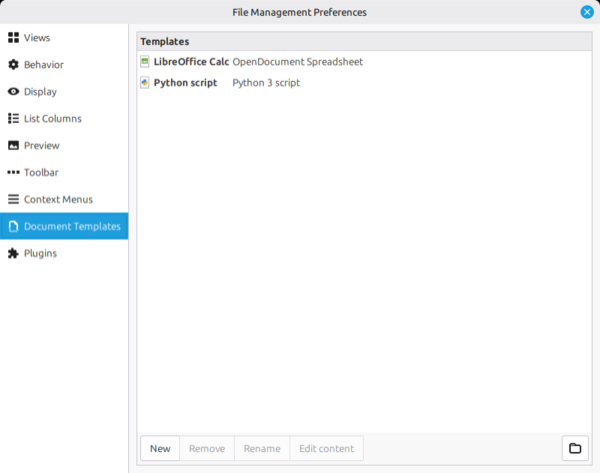
Source: opennet.ru
