

After 6 months of development, the release of the LXQt 2.4.0 desktop environment (Qt Lightweight Desktop Environment) has been presented, continuing the development of the LXDE and Razor-qt projects. The LXQt interface follows the ideas of a classic desktop organization but brings a modern design and techniques that enhance usability. LXQt is positioned as a lightweight, modular, fast, and user-friendly environment that incorporates the best features of LXDE and Razor-qt. The code is hosted on GitHub and is available under GPL 2.0+ and LGPL 2.1+ licenses. Pre-built packages are expected for Ubuntu (LXQt is offered by default in Lubuntu), Arch Linux, Fedora, openSUSE, Mageia, FreeBSD, ROSA, and ALT Linux.
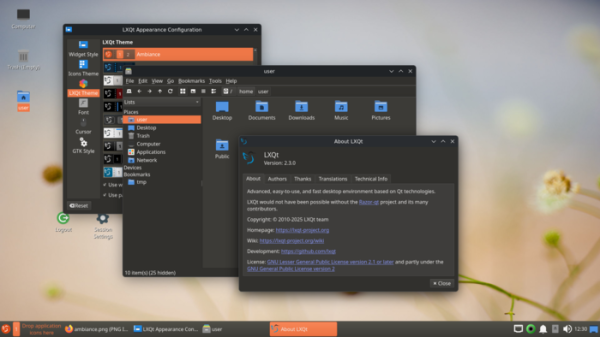
In the new version:
- In the file save dialog, the 'File Name' field now highlights only the file name without the extension, allowing for immediate renaming without cursor movement or re-selecting the area.
- In configurations based on Wayland, the application and saving of settings for hiding desktop items ('Hide Desktop Items') are now implemented separately for each monitor.
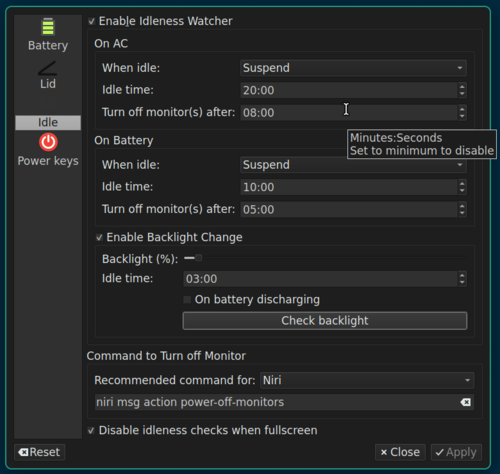
- In LXQt-Powermanagement, separate timeouts for putting the monitor to sleep have been implemented for both battery and plugged-in power sources.

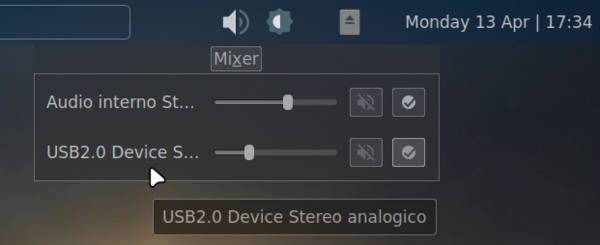
- The volume control panel plugin has been redesigned, replacing vertical sliders with horizontal ones and displaying all available audio output devices. Support for adjusting the default device volume using the mouse wheel or touchpad scrolling has been added.

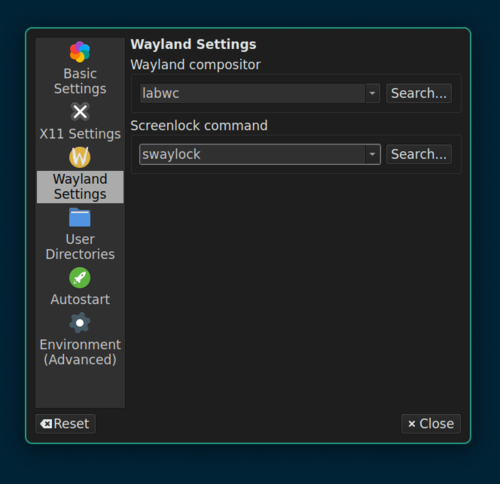
- In LXQt Sessions, session settings are separated for X11 and Wayland. Wayland settings are displayed only when the lxqt-wayland-session package is installed.

- In Wayland-based sessions, it is now possible to invoke the main menu using a key combination assigned in the settings to execute the command 'lxqt-qdbus openmenu'.
- In LXQt Runner, to launch the built-in calculator, it is now sufficient to begin entering with a number rather than only the '=' sign.
- In 'Do Not Disturb' mode, the temporary notifications, such as information about the start of playback of the next music track, are no longer saved in history.
- In the xdg-desktop-portal-lxqt backend, which implements Freedesktop portals, a new portal org.freedesktop.impl.portal.Access has been added to request confirmation for access to system resources, such as accessing the microphone or camera.
- The QTerminal emulator now highlights all matches during search and improves code syntax highlighting.
- An XDG_STATE_HOME environment variable has been added, defining the path to the directory for state files (.local/state).
Source: opennet.ru
