

After 6 months of development, the release of the postmarketOS project version 26.06 has been announced. This project develops a Linux distribution for mobile devices, based on the Alpine Linux package base, the standard C library Musl, and a set of BusyBox utilities. The aim of the project is to provide a Linux distribution for smartphones and tablets that is independent of the support lifecycle of official firmware and not tied to the standard solutions of major industry players. Builds are prepared for 65 devices (32 for community and 33 for testing), including the PINE64 PinePhone Pro, Purism Librem 5, OnePlus 6, Fairphone 5, Google Nexus 10, Google Pixel 3a, Nokia N900, Lenovo A60xx, ASUS MeMo Pad 7, as well as various models of Samsung Galaxy and Xiaomi. Limited experimental support has been provided for more than 600 devices.
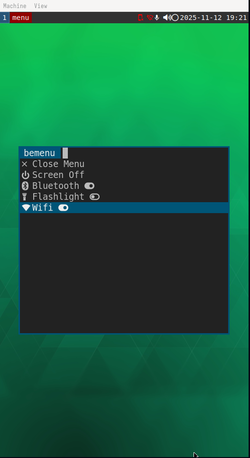
The postmarketOS environment is unified and extracts all device-specific components into a separate package. All other packages are identical for all devices and are based on packages from the Alpine Linux distribution. Vanilla Linux kernel is used in the builds whenever possible, and if this is not feasible, kernels from firmware prepared by device manufacturers are utilized. The main user interfaces offered include KDE Plasma Mobile, Phosh, GNOME Mobile, and Sxmo, but there is also the option to install other environments, including MATE, COSMIC, and Xfce.
In the new release:
- Support has been added for Google Asurada Chromebook devices,
Google Cherry Chromebook, Google Corsola Chromebook, Radxa Dragon Q6A, and PINE64 PineNote. Due to maintenance issues or obsolete kernel delivery, builds for ASUS MeMO Pad 7, Microsoft Surface RT, NVIDIA Tegra ARMv7, Samsung Chromebook, and
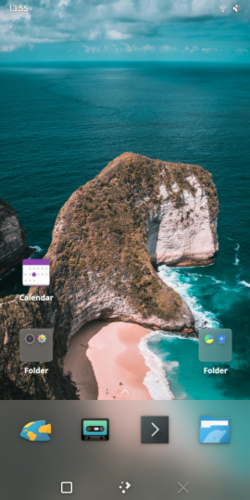
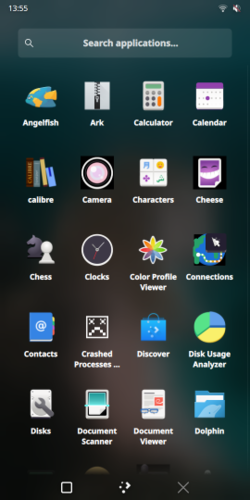
Xiaomi Mi Pad 5 Pro have been moved to the ‘testing’ category. - The KDE Plasma Mobile shell has been updated to version 6.6.5 (previously version 6.5.6 was supplied).

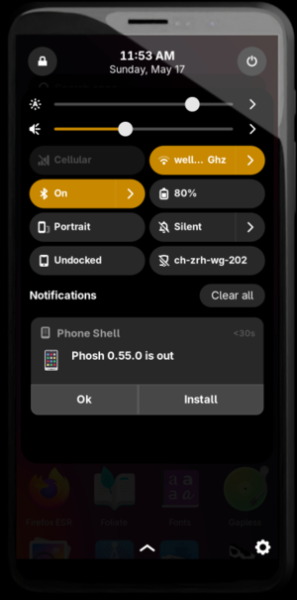
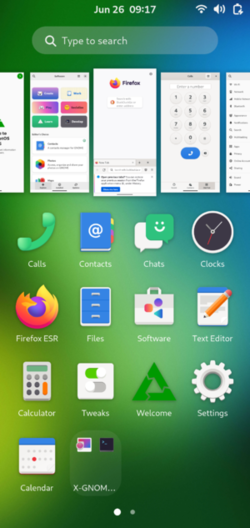
- The Phosh environment, based on GNOME technologies and developed by Purism for the Librem 5 smartphone, has been updated to version 0.55 (previously version 0.51 was used). Some postmarketOS-specific settings that were previously offered as separate applications have now been incorporated into the Phosh Mobile Settings configurator. The transition from the custom display manager tinydm to the project-recommended Phosh login screen phrog and background process greetd has been made.


- GNOME components have been updated to the GNOME 50 branch, but the user environment GNOME Mobile, which uses an adapted version of the GNOME Shell for smartphones and tablets with touch screens, continues to remain on the GNOME 48 branch.

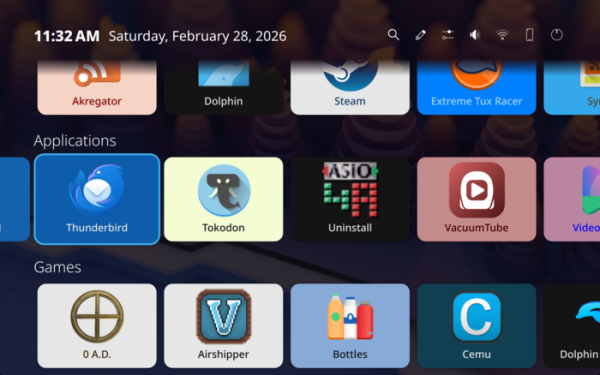
- The installation capability of the Plasma Bigscreen user interface, designed for use on multimedia devices connected to TVs and projectors, has been resumed. The environment has been optimized for large screens and for control without a keyboard using remote controls or voice assistants.

- When installing the KDE Plasma desktop environment in systemd environments, the plasma-login-manager is used by default instead of sddm. Support for KDE Plasma in environments based on the OpenRC initialization system is no longer maintained, is not recommended for use, and will be removed in a future release unless someone steps up to support this functionality.
- The boot splash screen has been revamped, utilizing the Plymouth package instead of pbsplash. An animation has been added, which features gradual fading and the appearance of individual segments of the logo. Pressing the ESC key or the Power button during the splash screen display activates the boot log viewing mode.
- On devices with a vibration motor, a vibration signal is now used to indicate loading.
- The package base has been synchronized with Alpine Linux 3.24. The system manager systemd has been updated to version 261 (previously version 257 was provided).
- By default, the sudo-rs package, written in Rust, is used instead of the doas utility for executing commands with elevated privileges.
Source: opennet.ru
