

After 11 months of development, the release of the Cinnamon 6.8 desktop environment has been formed. Within this framework, the Linux Mint distribution community is developing a fork of the GNOME Shell interface, Nautilus file manager, and Mutter window manager, aimed at providing a classic GNOME 2 style environment with support for successful interaction elements from GNOME Shell. Cinnamon is based on GNOME components, but these components are provided as a periodically synchronized fork, independent of external dependencies with GNOME. The new release of Cinnamon will be offered in the Linux Mint 27 distribution (decided to use the year of release in the numbering), which is planned for release in the second half of December.
Key innovations:
- Full support for the Wayland protocol has been implemented, and functionality parity between using X11 and Wayland has been nearly reached. Support for using X11 has been maintained. Among the changes related to Wayland:
- When using Wayland, the correct sizing and positioning of new windows, pop-up dialogs, and context menus is ensured.
- Correct input focus switching has been implemented when working with Wayland.
- Many bugs in Cinnamon, muffin, cinnamon-session, and Xwayland that led to crashes when using Wayland have been fixed.
- Support for multi-monitor configurations has been improved and KVM-monitor switchers in the Wayland environment.
- In applications that use Wayland or are launched through Xwayland, as well as in the composite server and desktop session, hardware-accelerated graphics have been implemented via the Wayland protocols wl_drm and zwp_linux_dmabuf_v1, as well as hardware-accelerated GBM operation over EGL on NVIDIA graphics cards.
- Full support for high pixel density screens (HiDPI) with Wayland has been provided. Issues with scaling icons and mouse cursors have been resolved. Bugs occurring in applications on the Chromium engine, such as Slack and VSCode, have been fixed.
- Progress indicators for operation execution, such as displaying file copy progress on a button in the panel, have been implemented when using Wayland.
- The launch of basic applications run through pkexec as Wayland clients without using Xwayland has been ensured.
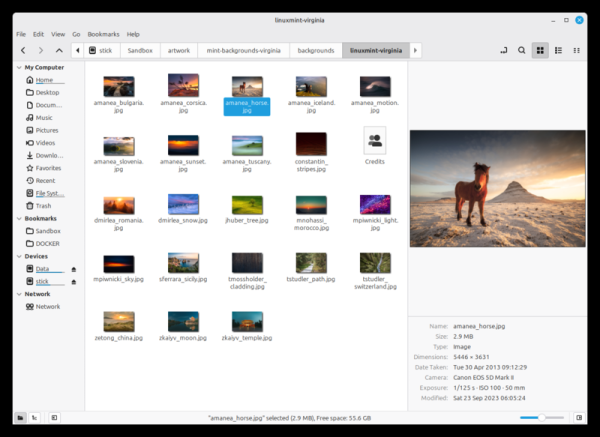
- A preview panel has been integrated into the file manager.

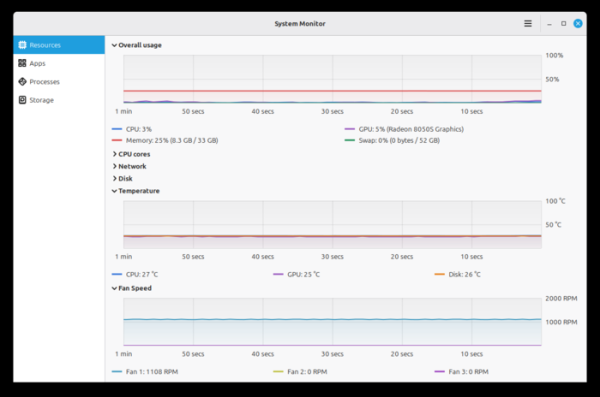
- A new Superlight application has been added to monitor system status, visually showing the dynamics of CPU, memory, and I/O load, as well as data about running processes, traffic, battery charge, and temperature.

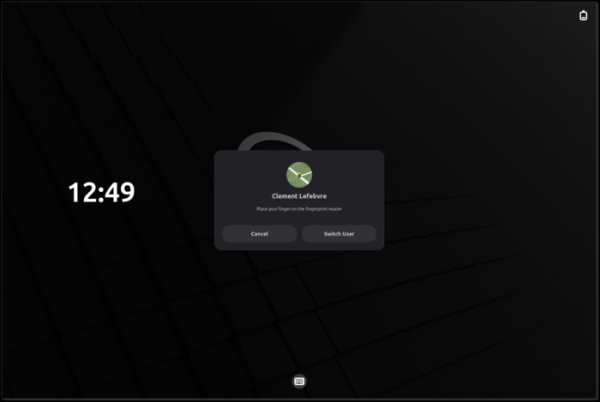
- A new screensaver has been implemented, supporting both Wayland and X11 simultaneously.

- The command 'cinnamon-list-windows' has been added to simplify obtaining a list of all open windows and determining their position, size, HiDPI data, and associated applications and backends.
- In the Muffin compositor, rounding coordinates and sizes of all graphical elements in the Clutter library to whole numbers has been ensured for more accurate positioning and clear rendering of applets and desktop components.
- Support for systemd units for user sessions (graphical-session.target) has been added, activated to launch associated services tied to the graphical session.
- The code for writing to configuration files and reading bookmarks in the file manager has been translated to work in asynchronous mode.
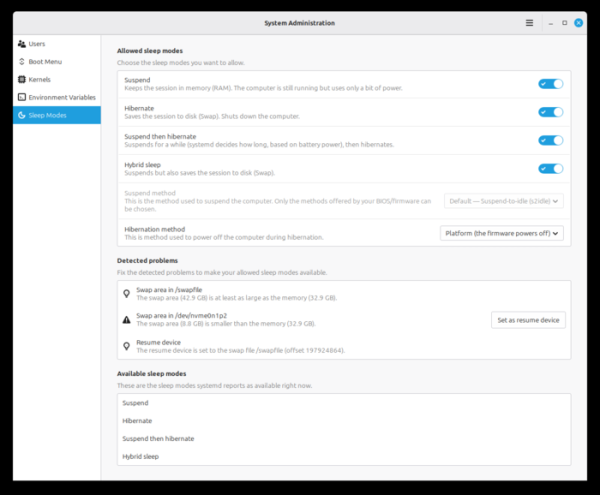
- A unified interface for managing the application of sleep and hibernation modes has been implemented: suspend (sleep mode with active memory), hybrid-sleep (hibernation with content from memory written to disk), and suspend-then-hibernate (sleep mode followed by hibernation after a certain time).

- Sections in the network connection applet have been combined VPN and WireGuard. Support for WPA3 (Wi-Fi Protected Access 3) and OWE (Opportunistic Wireless Encryption) has been added.
- The PAM module pam_oo7 has been added for authentication using
the oo7 component (D-Bus Secret Service provider). - An option to pin the window on top of other content has been added to the context menu of windows.
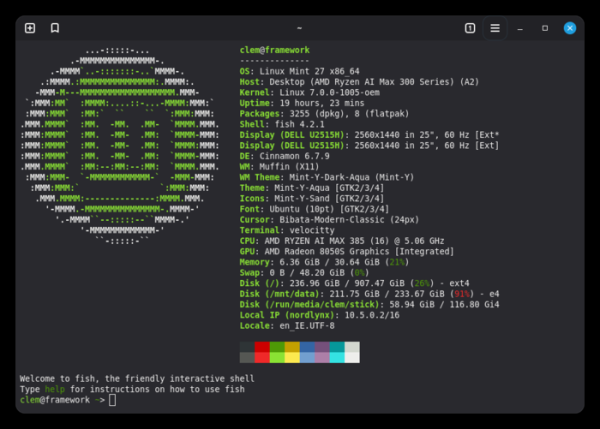
- The default terminal emulator used is velocitty, a proprietary development. It supports session tab separation, theme changes, marking different types of tabs with their own colors (red for root, sudo, pkexec; blue for ssh, sftp; or assigning your own colors) and highlighting tabs with ongoing processes in a lighter shade.

- It is now possible to set different wallpapers for different monitors.
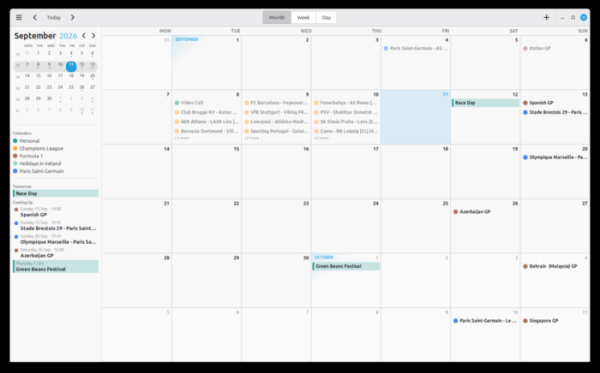
- A new scheduler calendar, Clockenstein, has been implemented, supporting local calendars, Google Calendar, and external services based on the CalDAV protocol, such as Nextcloud.

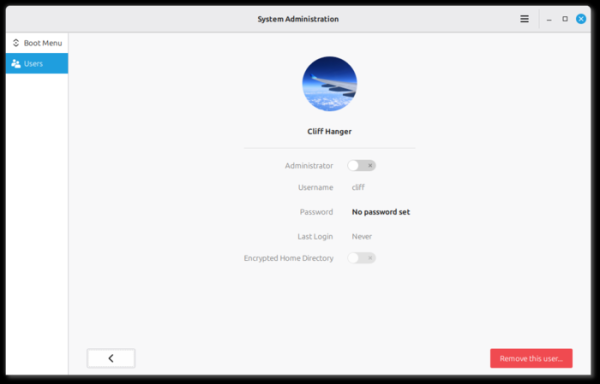
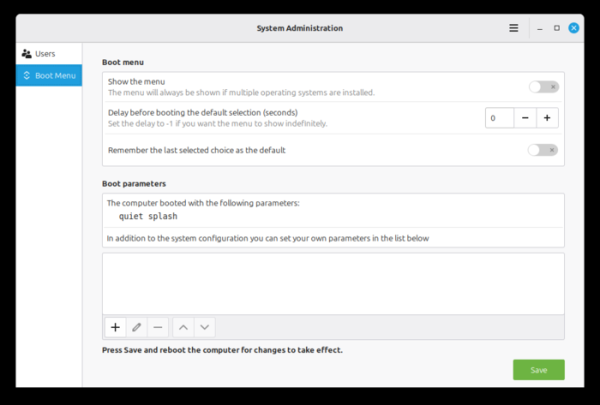
- The mintsysadm application has been added for managing user accounts, allowing you to choose an avatar and enable home directory encryption, among other features.

- Colors and contrast have been improved in the dark version of the Mint-Y theme.

- The corners of frames and scroll areas have been slightly rounded.

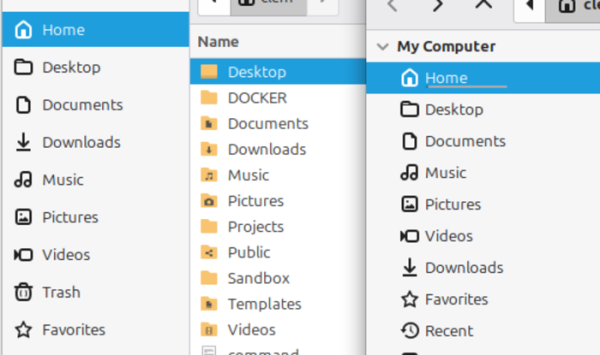
- In the Mint-Y, Mint-L, and Mint-X themes, XSI icons are used in GTK dialogs, the same as in the Nemo file manager.

- A keyboard layout viewer has been added to keyboard settings. The external dependency gkbd-capplet is no longer used.
- A proprietary screenshot application (cinnamon-screenshot) has been added, allowing image cropping before saving, toggling window shadows, and capturing only the current screen or all monitors.
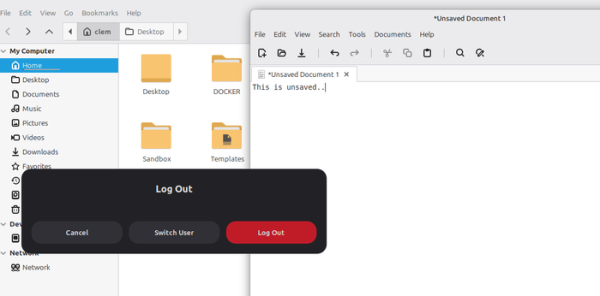
- It is now possible to move system dialogs displayed above application windows with the mouse, which do not block the screen (for instance, the logout dialog).

- The ability to bind notification output settings to individual applications has been added.
- The screen brightness control applet now supports light sensors.
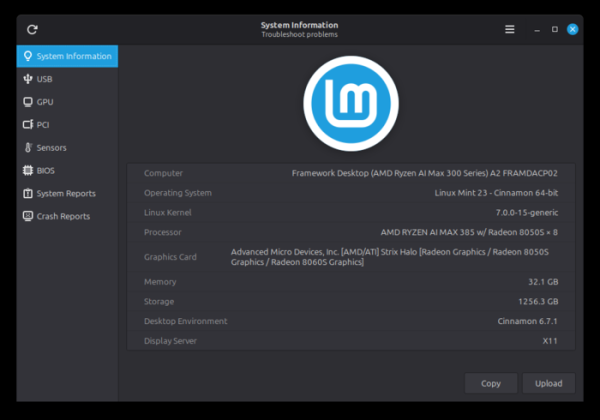
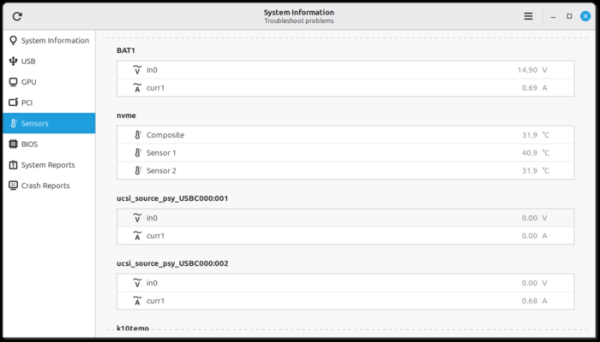
- In the system information display application, a separate page for sensors has been implemented.

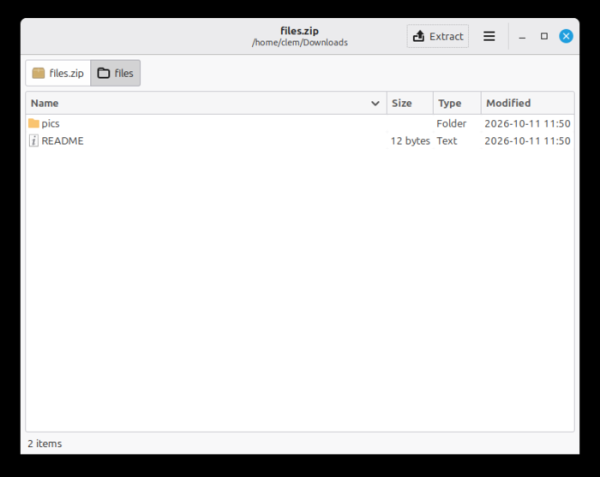
- An archive management program, Unfold, has been implemented, utilizing 7zip and 7zip-RAR.

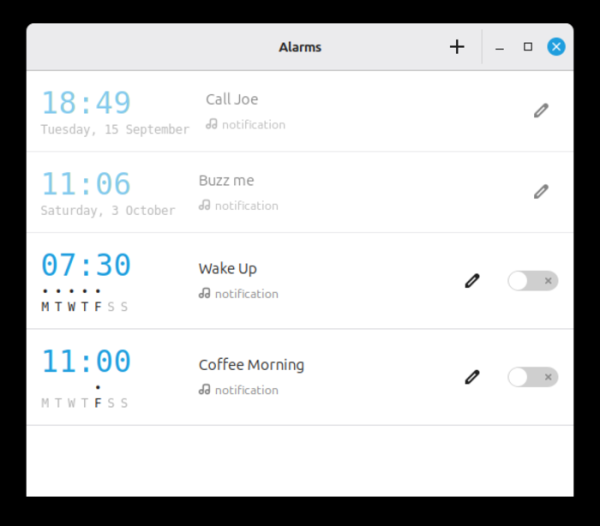
- The Alarms application has been implemented for displaying reminders and notifications at specified times.

Source: opennet.ru

 Russian
 Italian
 German
 Polish
 Estonian
 Albanian
 Bulgarian
 Croatian
 Czech
 Danish
 Dutch
 English
 French
 Hungarian
 Latvian
 Norwegian
 Portuguese
 Romanian
 Slovak
 Slovenian
 Spanish
 Swedish