

Starting today, May 1st, Valve will begin taking pre-orders for its new virtual reality headset, the Index. Along with this, the company has revealed the specifications and features of its latest device, and of course, announced the price. To not keep you in suspense—the price is quite hefty for a VR headset at $999.
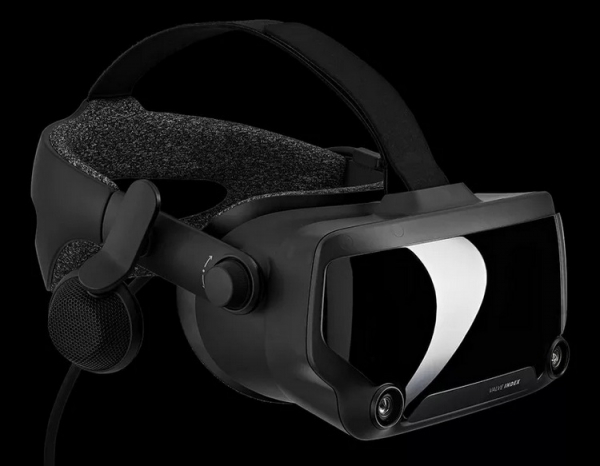
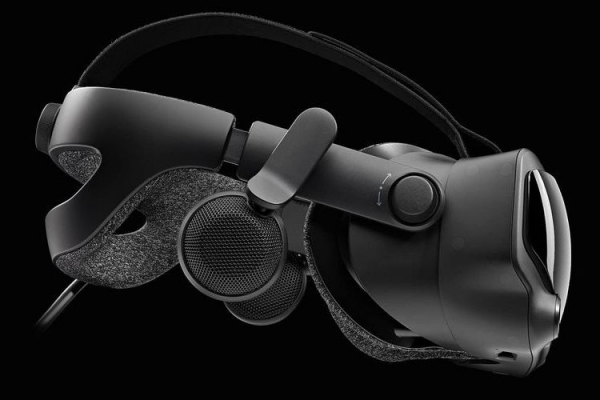
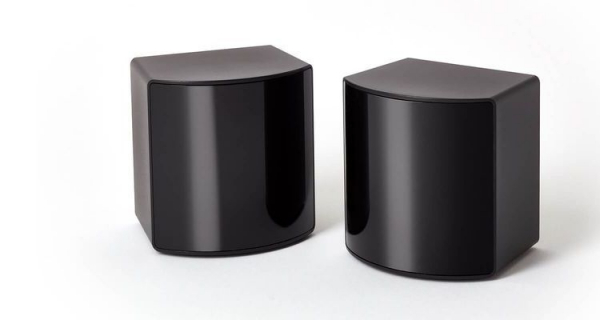
So what does Valve offer us for nearly a thousand dollars? The Valve Index headset connects to a gaming PC with a five-meter cable and uses base stations for precise positioning of the user and the headset in space. This resembles the long-established HTC Vive headset, which was also developed with Valve's involvement. By the way, the base stations from Vive are also compatible with this new device. Thanks to the base stations, a large area for immersion in virtual reality can be provided—up to 10 m² when using four stations. The new headset also features a pair of cameras, which are not used for spatial positioning but instead allow for a view of the surrounding world. In essence, the cameras can turn the headset into an augmented reality device.
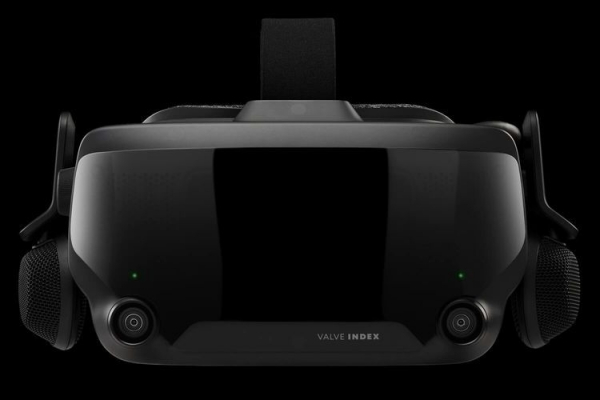
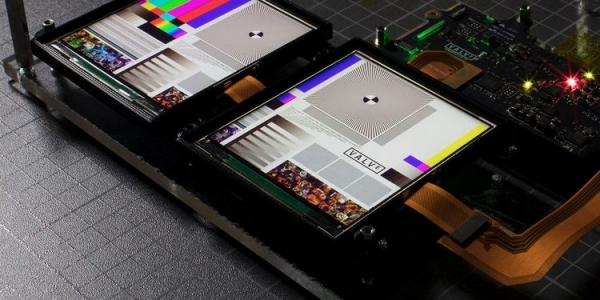
Inside the headset, there are two LCD displays, each with a resolution of 1440 × 1600 pixels. Interestingly, many other headsets in the high-end market currently use quality OLED displays. However, Valve chose to stand out in another way: the displays used in the Index operate at a frequency of 120 Hz, as well as having an experimental mode with a frequency of 144 Hz. A higher display frequency, as is known, improves the perception of images, especially in VR headsets.
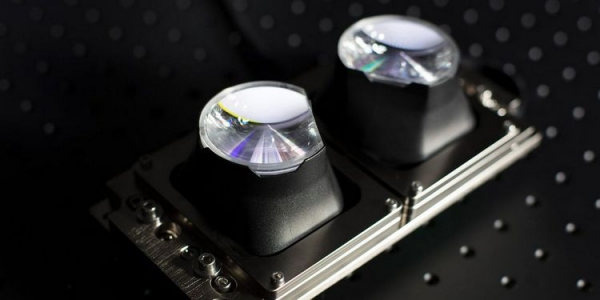
The Valve Index also features the ability to adjust the distance between the lenses for more comfortable use. Additionally, the headset's lenses, according to the developers, provide a 20-degree wider field of view compared to the HTC Vive.
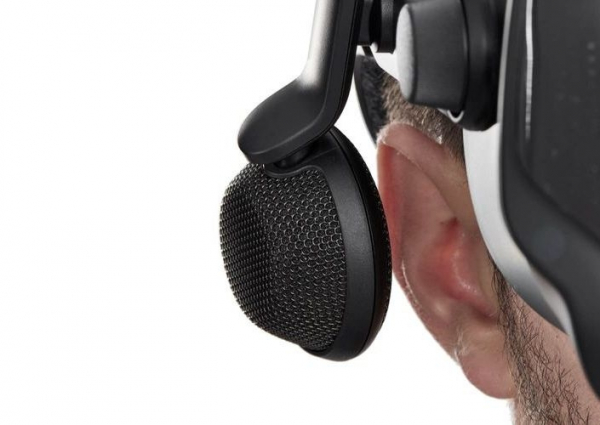
What appears to be built-in headphones in the Valve Index headset are actually not. It turns out these are speakers designed in such a way that they do not touch your ears, creating a surround sound experience around your head instead. There is also a 3.5mm jack for standard headphones.
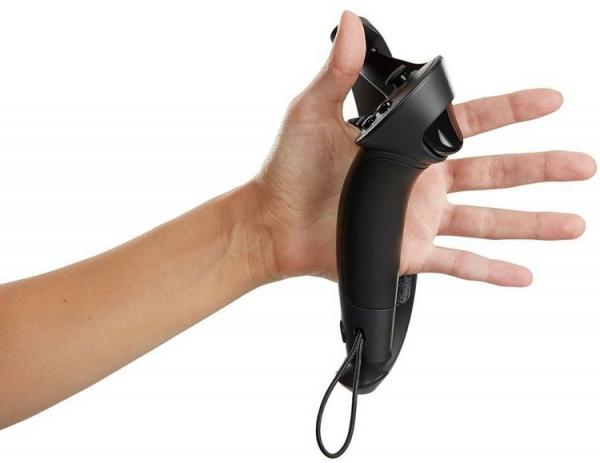
However, perhaps the most interesting part of the Valve Index is the controllers. While the controller is worn on the hand, 87 different sensors track the position of the user's hands and fingers, and even how tightly they grip the device. The new controllers are expected to provide a much more realistic and comfortable interaction with virtual objects than what HTC Vive or Oculus Touch controllers could offer.
As noted by Polygon, whose staff have already had a chance to try out a prototype of the new Valve Index headset, it works well. The controllers are comfortable, although they do have a slight delay. The optics are of high quality, and there is even the possibility to use the headset with regular glasses.

Valve positions the Index as a VR headset for enthusiasts who have a very powerful gaming desktop and are not financially constrained. By the way, the minimum PC requirements for the new device are as follows: a dual-core processor with Hyper-Threading, 8 GB of RAM, a GeForce GTX 970 or Radeon RX 480 graphics card, USB 3.0, and Windows 10, Linux, or SteamOS.
Unfortunately, Valve has not yet disclosed details about virtual reality games for the new device. It is rumored that three major VR projects are currently in development that could be showcased perfectly on the Valve Index. But for now, Valve only promises a "flagship VR game" sometime this year.
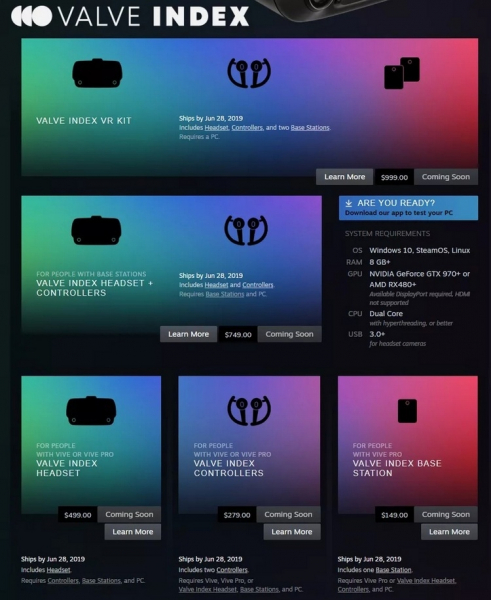
The Valve Index headset, bundled with a pair of controllers and a couple of base stations, will cost $999 in the USA and €1079 in Europe. The bundle without base stations is priced at $749 or €799. The headset can be purchased separately for $499 or €539. A pair of controllers will cost $279 or €299, while the new base stations are priced at $149 or €159 each. Deliveries of the new device will begin on June 28.
Source: 3dnews.ru
