

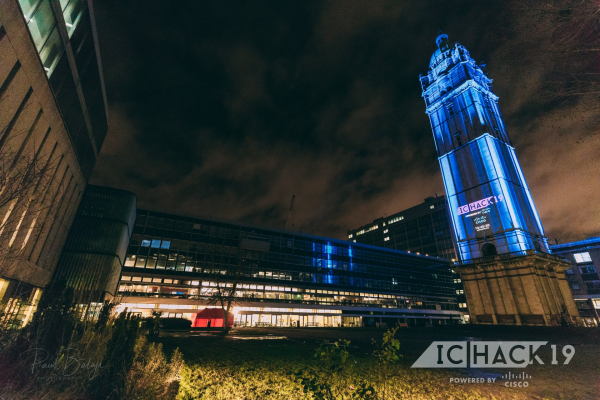
Hello everyone, I've come across articles about hackathons several times: why do people attend, what works, what doesn't. Perhaps people would be interested to hear about hackathons from a different perspective: that of the organizer. Please note that I am referring to the UK, organizers from Russia might have a slightly different opinion on this matter.
A bit of background: I am a third-year student at Imperial College London, a programmer, and I have lived here for 7 years (the quality of the Russian text may have suffered). I have personally participated in 6 hackathons, including the one I will discuss now. I attended all the events personally, so there is a bit of subjectivity. At the hackathon in question, I was a participant twice and an organizer once. It is called IC Hack, organized by a team of volunteer students, and it took 70-80 hours of my free time over this year. and a few photos.
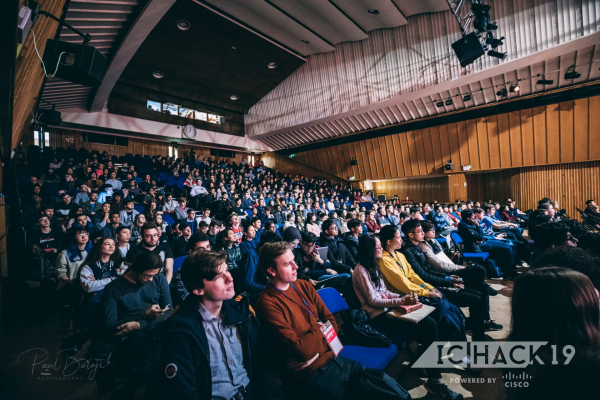
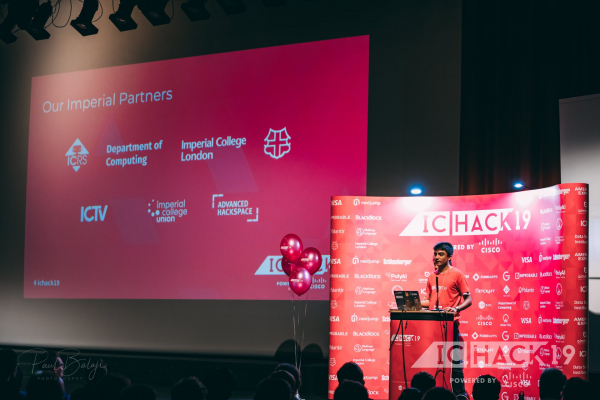
Hackathons are usually organized either by companies (where the size of the company does not matter) or by universities. In the first case, there are noticeably fewer organizational questions. Sponsorship is provided by the company itself, and an agency is usually hired for the event organization (sometimes company employees handle all the organization themselves). The jury is made up of employees, and often a theme is set for the project. University hackathons, on the other hand, are quite different and also divide into two categories. The first is interesting for smaller universities with little experience in hosting such events. They are organized through MLH (Major League Hacking), which takes on almost all responsibility for the process.
MLH is responsible for sponsorship, occupies most jury positions, and teaches students how to conduct hackathons in the process. Examples of such events include HackCity, Royal Hackaway, and others. The main advantage is stability. All hackathons organized in this way are very similar to one another, following a single script, featuring similar sponsors, and requiring minimal preparation from the students running these events. The downsides are evident: the events do not differ much, even down to prize categories. Another downside is the small amount of funding (from the official Royal Hackaway 2018 site, we can see that a gold sponsor contributes 1500 GBP) and a rather limited selection of swag (free merchandise brought by sponsoring companies). From personal experience, I can say that such events are not very large, friendly to newcomers, and tickets are almost always available (I was unsure whether to go for 3 days, but even half of the tickets hadn’t been sold), and they often feature similar competing teams (70-80% of all projects are related to web applications). Therefore, it’s not very hard for “hipster” teams to stand out amidst them.
P.S. Tickets are almost always free; selling a ticket to a hackathon is considered bad form.
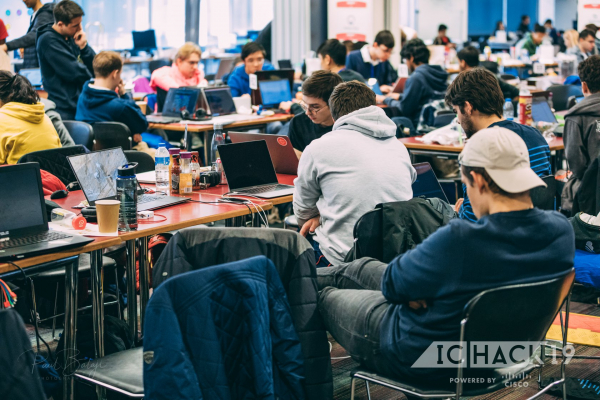
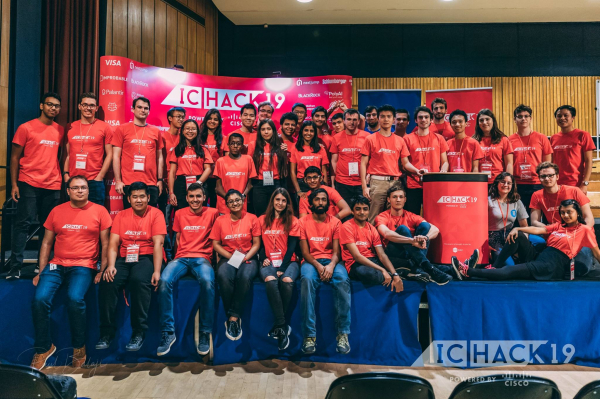
Now that I've briefly discussed the alternatives, let's return to the main topic of the post: hackathons organized by independent student enthusiasts. First, who are these students, and what is the benefit of organizing such an event? Most of them are frequent participants in hackathons themselves, who know what works well and what doesn't, and they aim to create a hackathon with a rewarding experience for its participants. The main advantage here lies in their experience, including personal participation and victories in other hackathons. Their ages and experiences range from first-year undergraduates to third-year PhD students. The faculties are varied: there are biochemists, but mostly they are programming students. In our case, the official team comprised 20 people, but in reality, we had another 20-25 volunteers who helped with various tasks as needed. Now for a more interesting question: how can one organize an event on a scale comparable to hackathons conducted by industry giants (like JP Morgan Hack-for-Good, Facebook Hack London — these are some of the hackathons I attended personally, and there was colossal organizational work involved)?
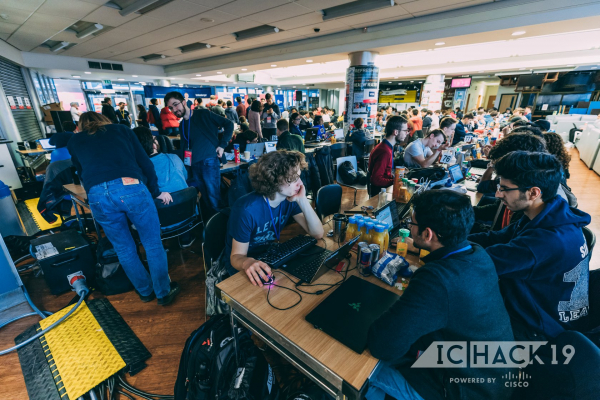
Let's start with the first obvious problem: the budget. A small spoiler: organizing such events even at your own university (where the rent is low or nonexistent) can easily cost £50,000, and finding such an amount is quite challenging. The main source of this funding is sponsors. They can be both internal (other university communities wanting publicity and to attract new participants) and corporate. The process with internal sponsors is fairly simple: acquaintances, professors, and tutors who manage these communities. Unfortunately, their budgets are limited, and in some cases, they offer services (like providing snacks from their cupboard, lending a 3D printer, and so on) instead of cash. Thus, we must rely on corporate sponsorship. What is the benefit for companies? Why would they want to invest money in this event? It's the recruitment of new promising talent. In our case, we had 420 participants, which is a record for the UK. Out of these, 75% are students of Imperial College (currently ranked 8th in the world).
Many companies practice summer/year-long internships for students, and this is a great opportunity to find individuals who already have experience and a desire to work in this industry. As our president said: why pay recruitment agencies £8,000 for 2-3 potential candidates when you can pay us £2,000 for 20 new candidates directly? Pricing depends on the size of the hackathon, the reputation of the organizers, and many other factors. Our fees start from £1,000 for small startups and go up to £10,000 for the main sponsor. What exactly sponsors receive entirely depends on how much they are ready to offer: bronze sponsors will get their logo on the website, the opportunity to speak at the opening, access to the resumes of all participants, and the chance to send us their merchandise to distribute to participants. All statuses starting from silver allow the sending of their engineers to recruit on-site, the creation of their own prize category, and a workshop for participants as a bonus to all bronze perks. From personal experience, I can say that one of the companies at the silver level recruited 3 people (2 for the summer and one for a permanent position) right during the hackathon, and I didn't even count how many more they could have hired after sending out resumes afterward. Creating your own prize category allows you to find those who create projects similar to the company's products. Or to see who can answer a very open question in the most creative way (for example, Most Ethical Hack powered by Visa). It depends on the company. Every year, we gather 15-20 sponsors, including Facebook, Microsoft, Cisco, Bloomberg, and others. We work with everyone: from startups to industry giants, the main rule is profit for our students. If we have to turn down a sponsor because our students left less than favorable reviews about internships/permanent positions at that company, we will most likely decline.
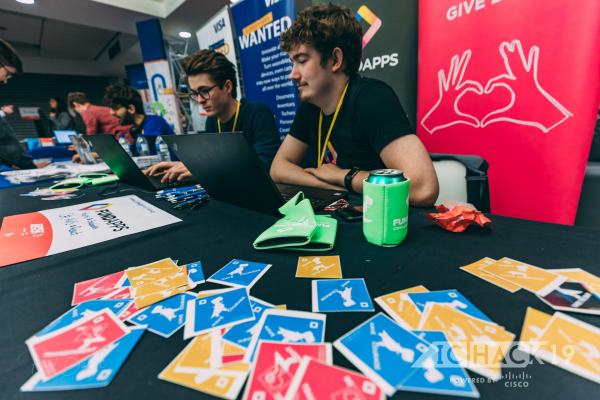
How do we find sponsors? It's a process worthy of a small article, but here’s a brief algorithm: find a recruiter on LinkedIn / find someone with a contact in that company; agree with the organizing committee on how large the company is and how good its reputation is (we try not to work with those who have a bad reputation in student circles, whether it's about their attitude towards interns or attempts to save on their salaries) and who will be the main point of contact. Next follows lengthy debates about how much this company can offer us, and a commercial proposal is sent to them. We have a very flexible sponsorship system, so negotiations can drag on for a long time: the sponsor needs to understand what they are paying for, and therefore we reserve the right to add/remove certain items from the proposal if the sponsor believes they won’t provide significant benefits to the company. After negotiations, we agree on the amount with the university, sign the contract, and invite them to an organizer meeting to discuss what exactly they want to achieve from the event and how they want to advertise themselves to students. There are cases where companies paid less than 3000 GBP and ended up with a dozen potential employees for full-time employment after graduation.
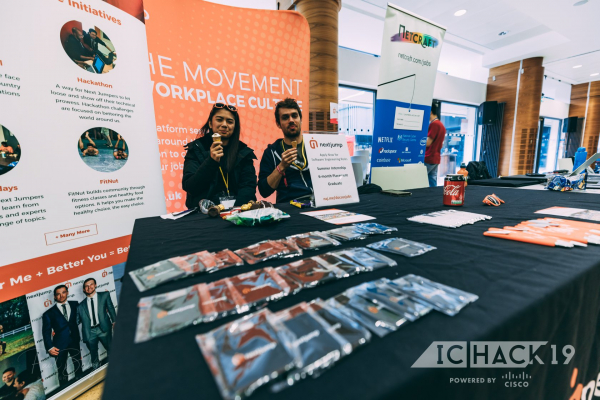
Why do we need this money at all? Are we too greedy to ask for 3000 for sponsorship? In fact, this is a very modest amount by event standards. The money is needed for a huge number of necessary (lunch x2, snacks, dinner x2, pizza, breakfast, and drinks for all 48 hours) and less necessary (waffles, bubble tea, console rentals, three-hour bar rental, karaoke, and more) items. We strive to ensure that everyone remembers the event for all the good things, which is why we buy tons of delicious food (Nandos, Domino's, Pret a Manger), a large quantity of snacks and drinks, and every year we add new entertainment. This year, I made popcorn for 500 people, last year I made cotton candy. The budget for this, keeping in mind 420 participants, 50 organizers, and 60 sponsors, can easily exceed 20,000 GBP.
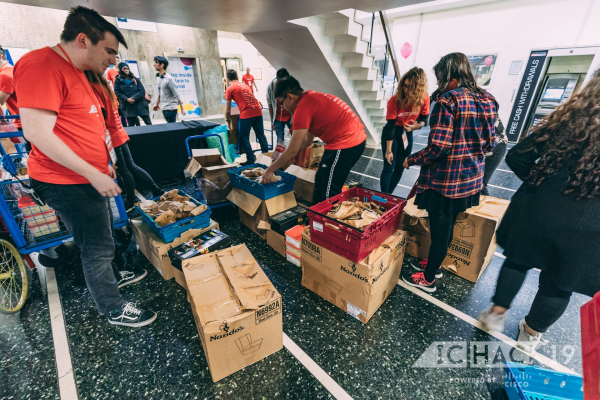
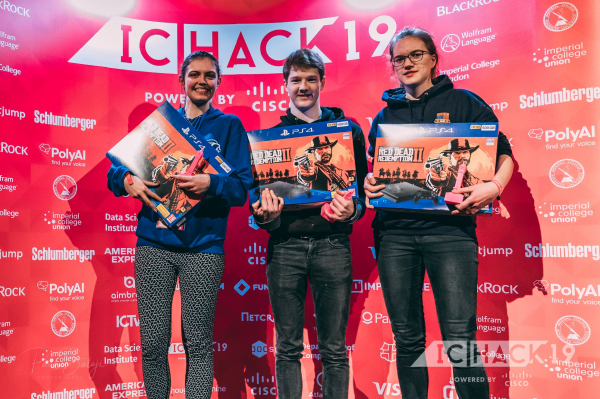
We also provide electricity, security, and prizes (which are quite good by student standards: a PS4, for example) for all team members. This is a maximum of 5 people at a time. Next, there’s some “swag” from sponsors and us. T-shirts, travel mugs, backpacks, and tons of other useful items. Considering the scale, you can easily spend a few thousand more. Even though we hold IC Hack on university grounds, we still pay for the venue. Less than an external company, but still. Plus, costs for catering during lunch (the university prohibits us from organizing lunch ourselves, and who knows why), projector rental (since its cost is several times higher than the hackathon itself), and other expenses that many don’t think about. Most of the prize categories were created by us, and the prizes are also selected and purchased by us (more on this in the next part). This time, the budget for prizes exceeded 7000 GBP. I can’t name the exact amount, but I will say that this year’s expenses easily surpassed 60,000 GBP. Here’s a photo of the winners.
The money has been raised, the budget has been approved, and the prizes and food have been ordered. What’s next? Absolute chaos and pandemonium, also known as venue preparation. All this beauty begins 2 months before the hackathon. A huge amount of furniture needs to be moved, risk assessments filled out, loadings received, plans signed, and so on. The list is enormous. That’s why we call a large number of volunteers to help us with the organization process. And even they are sometimes not enough. But that’s a topic for the next article.
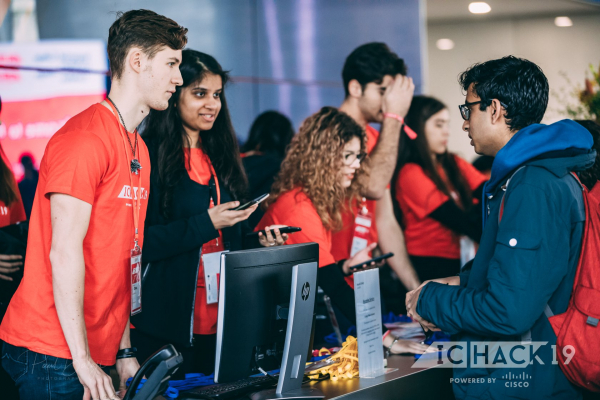
This is the first part of my story about organizing IC Hack. If there is enough interest, I will release two more parts about the main challenges and blocks in organizing the venue, and I will tell a bit about the prizes, categories, and the experiences of sponsors, organizers, and participants (including a live report from BBC at the event). If you’re interested in learning more about IC Hack, please reach out to my email du216@ic.ac.uk, or if you’re interested in sponsoring the largest hackathon in the UK, you're welcome to reach out. I’m returning to the organizer headquarters one more time.
Source: habr.com
