

Conferences are not something unusual or special for established professionals. But for those who are just trying to stand on their own feet, the money spent must yield maximum results; otherwise, what was the point of living on instant noodles and staying in a dorm for three months? The article does a pretty good job of explaining how to attend a conference. I suggest we expand the instructions a bit.
Before the conference begins
Decide whether to buy a ticket
There’s always a chance of feeling disappointed about the time and money spent, so before the whole affair kicks off, it’s worth understanding whether you want to participate. The easiest thing is to ask acquaintances who have already attended. They can describe the format, topics, experiences, and many other nuances. They can also directly tell you if it's worth going or perhaps suggest a more suitable option.
If you’re not very connected with acquaintances, do some independent research. Watch videos from past conferences; maybe someone recorded the process? Or the talks? You can also check hashtags on Instagram and other social networks, where reviews might be floating around. After all, people don't always trust reviews on websites, right? 😀
Buy a ticket
If everything seems appealing and time doesn't feel wasted, buy your ticket to the conference. If the price still seems unaffordable, consider a few options:
- Purchase your ticket in advance, as conferences often offer discounts for early buyers.
- Ask your employer or educational institution to sponsor your participation. Based on the information you gather, you can prepare a report on what you’ve learned or contribute to the corporate knowledge base afterward.
- Become a speaker. Try yourself out as a speaker if you have something to talk about. Personally, I’ve never managed to participate this way 🙁
- Become a volunteer. Volunteering often offers fully or partially free participation. You can become a photographer, videographer, assistant, and more. Yes, participation opportunities are significantly reduced, but sometimes this could be a suitable option.
- Consider the option of online participation. Sometimes, by purchasing access to a live stream at a lower price or even for free, you save on tickets, your time, and enjoy a comfortable viewing experience on topics of interest. Although I must admit, I have always preferred attending live events.
Complete your profile
Often, the conference website features a list of participants. Check to ensure everything is accurate so that at least you can be found on social media. You never know who might want to meet you after the conference. Perhaps it’s destiny?
Join chats and subscribe to newsletters
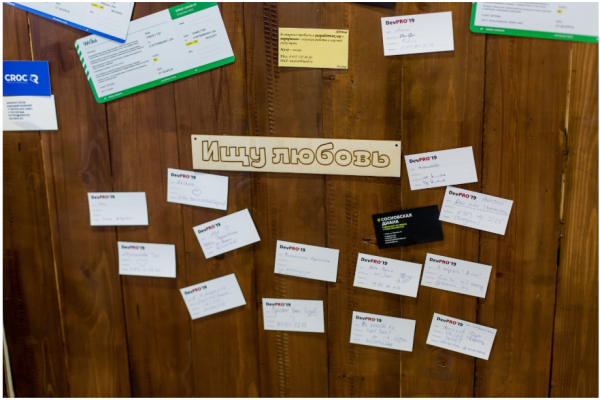
The excitement begins even before the conference itself starts. People offer to meet up before or after, gather for after-parties, participate in contests, network, and just chat. This chat is even more useful during the event itself: You can get up-to-date information about the activities happening at the conference. And afterward, discuss the presentations.
Review the event agenda
I always plan in advance which presentations I will attend and where I will go instead, what I want to do during breaks, and which expert sessions I might be able to join. Most presentations are not ground-breaking, and you can often find information on the topics. However, if any questions arise during your research, you can ask the presenter. Experience and expertise—this is what we really want to learn about the topic of interest.
Take care of your power bank
This tends to happen at the worst possible moment! Just when you want to quickly finish a project on your laptop, all the outlets are already occupied by others like you. It's normal to look things up during presentations. You came for something new.
Choose your attire
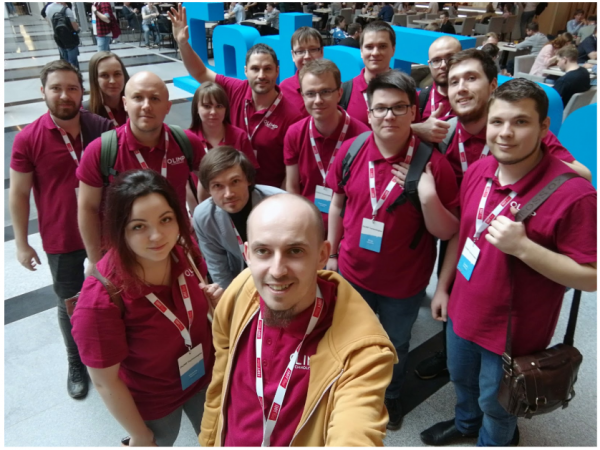
This may seem like an unnecessary step, but it is often important. If you're going with colleagues, consider wearing company t-shirts. If you're representing your company, think about including your contact information on the shirt or badge. Create a creative t-shirt to attract attention, perhaps related to a specific topic that interests you.
Get a good night's sleep
If the conference lasts more than one day and is in a different city, there's usually no time for sleep. I also try to meet up with acquaintances if I'm here. Sometimes I attend concerts. In any case, it would be too disappointing to fall asleep during a presentation 🙂
During the conference
Listen
Well, the presentations are clear enough. You came here to gain knowledge, not just wander around the booths. Choose presentations based on your interests; multi-track conferences are very popular now, and there's nothing wrong with sneaking out from one presentation to another. It might not be your speaker, your topic, or your level. Someone else might benefit instead.
Don't chase after celebrity speakers. Often, these presentations can be listened to later in video format, but talking to the expert will be much harder. Be subjective!
You can listen not only during presentations but also in the corridors! You can simply approach and stand nearby if you're shy about voicing your opinion.
Value expert knowledge
Everyone dreams of talking to the speaker, which is why you encounter the most incredible and amazing questions at expert sessions. If you want to communicate personally or ask a question to the speaker, it makes sense to do it in advance or later during the conference. I am quite shy, so sometimes I ask questions later on social media or in the app, if such an opportunity is provided. So far, I've faced no repercussions for this 😉
Catch the message
There's no point in trying to take detailed notes during a presentation. Take a couple of photos of the slides if you need to recount the presentation later, and note down the main points. But the most useful thing you can do is to jot down ideas that come to you. These might be topics you'd like to explore further, project ideas, ways to organize your day, research topics, social interactions, and everything else. If before the conference you were unsure what to do in your free time, afterwards you'll be crossing off unnecessary tasks from your to-do list.
Take photos
If you have the opportunity to take a photo with an expert, do it. If something interesting happens during or outside of the presentation, capture it. You don't have to run around the conference with a selfie stick, but a few shots will come in handy. Again, just in case you need to speak and share your thoughts about the conference. People prefer looking at pictures rather than reading text! 🙂
Collect merchandise
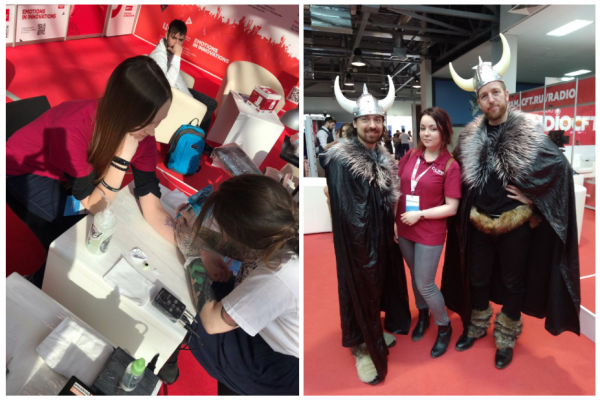
Merch hunters are a distinct category of attendees, not everyone loves them, but I sometimes find myself among them. I have enough snacks, clothing, and stationery to last until the next conference. Seriously, I have a scarf from VK Tech, socks from Wrike, a t-shirt from 2gis, and a cap from Intel. Sometimes I feel like I am one big advertisement… But my weakness is stickers! While you’re fighting to get trophies, you can team up, share tips, and just chat with another adventure seeker like yourself!
Meet new people
Of course, this advice is aimed at extroverts. Introverts completely understand the discontent with this suggestion. I’ll share my methods. If I see the same person at several conferences, I might approach them and mention it. “Hey, I saw you at Conference X and Conference Y, how do you find this conference? What do you think about it? What are you working on? Where else will you go? Oh, let’s go together.” This is a bit exaggerated, but I have actually met some people like this. This is how I find companionship to have a fun time.
As I mentioned earlier, I ask experts questions on social media. Often, their responses come with links and screenshots, which are quite helpful. Additionally, if an expert actively posts on their social networks and discusses topics I'm interested in, I follow them.
I also have a way to meet experts at the events themselves. I attend an expert session, wait for the participants to start dispersing, and then I begin asking my questions, maybe sharing experiences (if I have anything to say). At other conferences, I already use the first method, saying “Hey, we talked at such-and-such. You had a great presentation, has anything changed since then?”
Visit the booths
This is a real opportunity to learn about the company's products or to explore a range of vacancies. It’s no secret that such conferences are a tasty treat for HR. They also consider young students and specialists, especially those who show activity at their stands. At the stands, you can engage not only directly with HR but also with specialists working at the company. You can learn about schedules, work conditions, and current projects.
Attend entertainment events
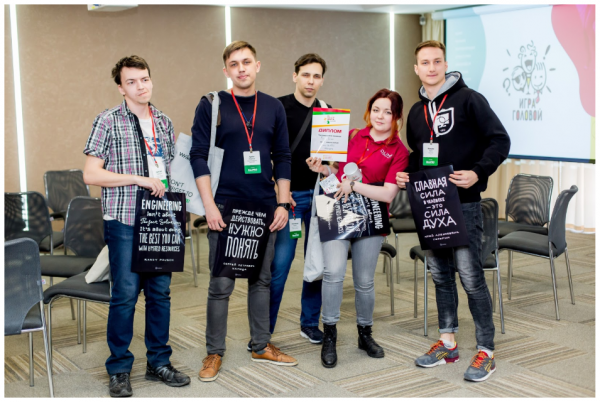
Workshops, quizzes, games, concerts, pre-parties, after-parties. Even an introvert can find their place and express themselves. The conference should be accompanied by vibrant emotions.
After the conference
Process your notes
Now that the conference is over, keep going. Take a close look at your notes. If they are written in messy handwriting under a coffee cup stain, it’s best to remember what you were thinking at that moment now. Structure all your ideas, add something to your planner, calendar, reading list, subscribe, and join where you wanted to. If you need to give a presentation about the conference, draft an outline based on your fresh emotions.
Thank the organizers
Everyone thanks the speakers for their presentations, but forgets to thank the organizers for their efforts. Write an honest review — what you liked, what you didn’t, what you would like to add, which idea inspired you, and what you would like to avoid next time. Feedback is what makes these events better. Even if you don’t attend this particular conference, you'll improve the industry as a whole!
Discuss what you heard
If you didn’t go alone, but with acquaintances, colleagues, or made friends at the conference, gather with them after some time to discuss the information you received. It's much more beneficial not only to digest the information but also to get different opinions on it. I also recommend presenting a report on the conference and enriching the corporate knowledge base in this manner.
Total
Attending conferences at the very start of your career is cool and beneficial; don’t miss the chance to feel the entire atmosphere of the IT world you want to join 🙂
Source: habr.com
