

Firefox Developers Firefox's plan to label all pages opened over HTTP with an unsafe connection indicator is set to be implemented in version 70, scheduled for release on October 22. In Chrome, the indicator warning about the installation of an unsafe connection for pages opened via HTTP has been displayed since version 68.
, which was introduced in July of last year.
In Firefox 70, there is also remove the ‘(i)’ button from the address bar, limiting it to the constant display of the connection security level indicator, which also allows evaluating the state of tracking protection modes. For HTTP, a significant security issue icon will be clearly shown, which will also appear for FTP and in cases of certificate problems:
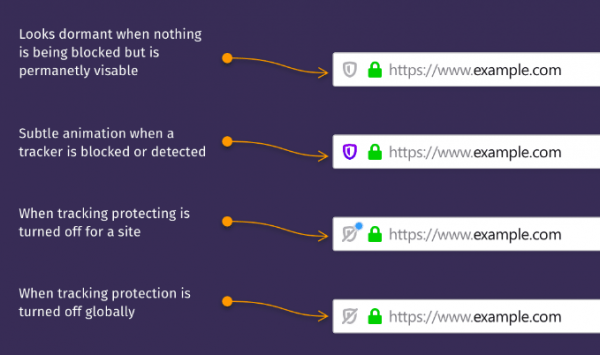
It is expected that displaying the unsafe connection indicator will encourage website owners to switch to HTTPS by default. According to Firefox Telemetry service, the global share of page requests over HTTPS is 78.6%
(up from 70.3% a year ago, and 59.7% two years ago), while in the U.S. it stands at 87.6%. The nonprofit Certificate Authority Let’s Encrypt, run by the community and offering certificates free of charge to all who wish, has issued 106 million certificates covering about 174 million domains (up from 80 million domains a year ago).
The shift to labeling HTTP as unsafe is a continuation of previous efforts to enforce the transition to HTTPS in Firefox. For example, starting with the release , the browser added an indicator for security issues when accessing pages that contain authentication forms without using HTTPS. Additionally, of access to new Web APIs — in for pages opened outside a secure context, system notifications via the Notifications API are prohibited, and in unencrypted requests block calls to getUserMedia() for accessing multimedia data sources (such as camera and microphone). The settings in about:config also previously added a flag ‘security.insecure_connection_icon.enabled’ that allows optionally enabling the unsafe connection labeling for HTTP.
Source: opennet.ru
