

We often talk about energy-saving opportunities in data centers through thoughtful equipment placement, optimal cooling, and centralized power management. Today, we will discuss how to save energy in the office.
Unlike data centers, offices require electricity not only for equipment but also for people. Thus, achieving a PUE ratio of 1.5–2, like in modern data centers, is not feasible. People need heating, lighting, air conditioning, they use microwaves, take elevators, and constantly switch on coffee makers. Only 10–20% of energy consumption is attributed to IT equipment, while everything else is taken up by devices necessary for human use.
This often creates problems, as in many cities in Russia, energy production is less than consumption. , in 2017 this situation occurred in 49 regions of Russia, despite the commissioning of over 25 GW of power over the last five years. Large office centers in Moscow and other megacities often cannot provide a substantial power reserve for every tenant. Therefore, optimizing energy consumption remains not only a way to save but also a competitive advantage and a method of adapting to modern conditions.
There is no need to heat (or cool) an empty office
Statistics show that air conditioning is the most costly in terms of expenses. Offices require heating in winter and cooling in summer. Therefore, air conditioners and heating devices account for more than half of all energy expenditures. However, other equipment and lighting also contribute significantly to the monthly expenses, which can be reduced by tens of percent if desired.
Air conditioners and heating devices can operate constantly, but it makes no sense if the office is empty, for example, at night or on weekends. By using programmable thermostats, you can set the air conditioning equipment to turn on and off according to a schedule, ensuring a comfortable temperature in the office before staff arrive while avoiding unnecessary costs when no one is at their desks.
Window control helps save energy
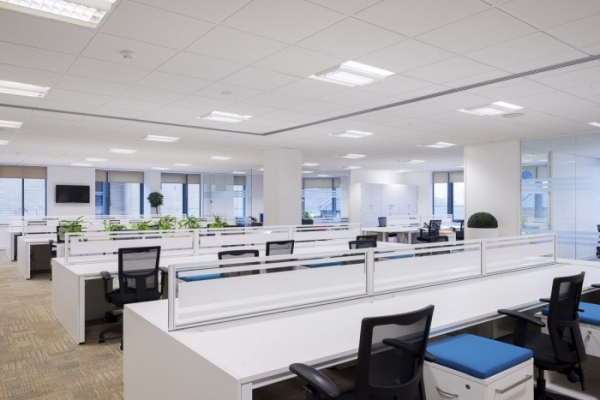
Large windows, characteristic of modern offices, are the main causes of energy losses. In winter, they let heat escape, and in summer, they heat the air, which then has to be cooled. Therefore, if energy efficiency is a priority, something needs to be done about the windows. The most effective options include:
- Using special films and glasses that retain heat (for northern regions) and prevent the sun from excessively heating the air (in southern regions).
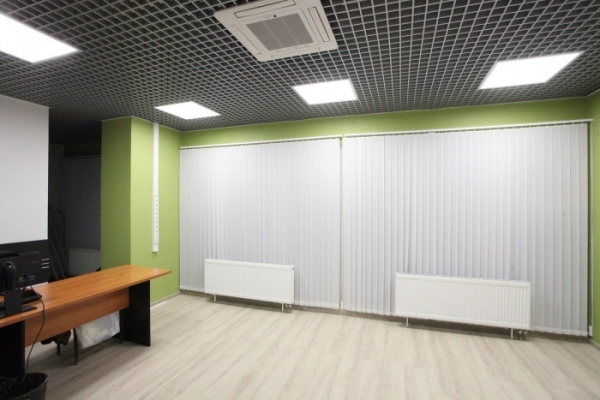
- Installing roller shutters and blinds with automatic drive. You can program the opening and closing of the windows according to a timer, as well as depending on the temperature inside the office and outside.
You can use the energy from IT equipment in winter.
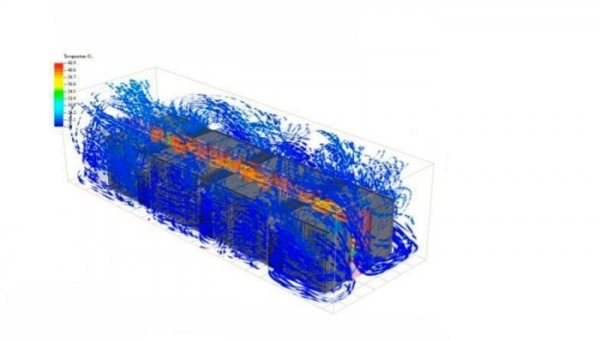
PCs and servers placed directly in the workspace not only create a lot of noise but also heat the air. The energy consumption of a modern computer is about 100–200 W, and if even 20 people are working in the office, their equipment generates heat equivalent to a 2 kW oil radiator.
As desktop virtualization is increasingly used today, all loads can be placed in the server room, providing users access via energy-efficient thin clients. In addition to increasing comfort in the office during summer, this approach allows for additional heating in winter. To achieve this, it is necessary to think through the ventilation and heat recovery system so that the air leaving the server room warms the office space.
Smart lighting
Lighting costs have significantly decreased with the advent of LED lamps. Intelligent light management further reduces expenses.
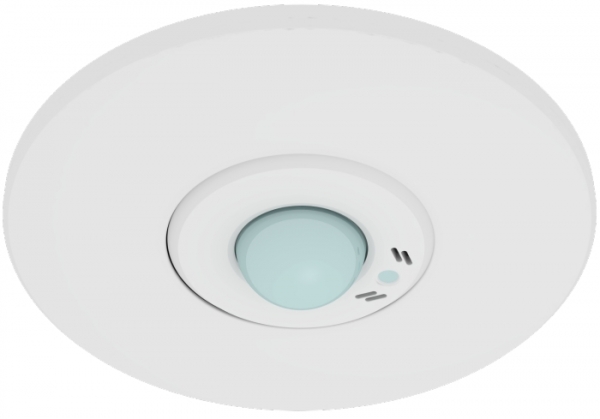
Light control module with motion sensor
For example, switches with motion and light sensors enable lighting to be activated only when there are people in the rooms and when the available daylight is insufficient for comfortable work. Moreover, modern DALI lamps support intelligent dimming capabilities. Based on sensor readings, the control system turns on lighting fixtures with the power necessary to achieve the optimal level of illumination. With this approach, on bright sunny days, there will be no expenses for artificial light in the office, while closer to the evening, the lamps will start shining brighter.
Power Conditioning
Voltage spikes and other disturbances are common occurrences in our power networks. To protect sensitive equipment from them, active filters are used. Uninterruptible Power Supplies (UPS) ensure that critical equipment continues to function during power outages.
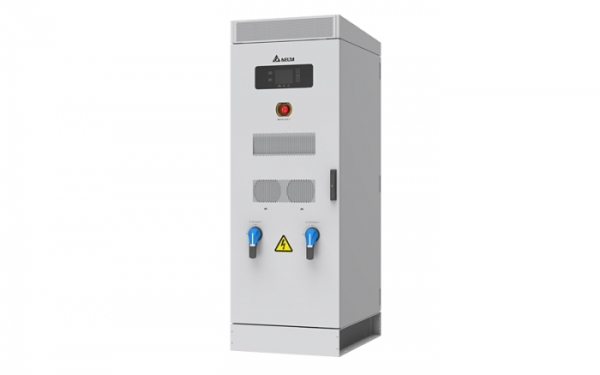
Delta PCS Power Conditioning Unit
The effectiveness can be further enhanced by implementing power conditioning systems. For example, Delta PCS (Power Conditioning System) uses batteries to compensate for peaks in energy consumption without putting additional stress on the central electrical grid. Additionally, they help address the issue of reactive power. Due to uneven load distribution in electrical networks (such as when an elevator is used, someone is brewing coffee in the office, or a cleaner is vacuuming), part of the power becomes reactive, leading to heating of conductors and equipment. In this case, the level of losses can range from a few units up to 50% of useful power. The reactive power factor significantly increases with the growing number of electronic devices used in the building. In such cases, PCS-class solutions can reduce the level of reactive power and significantly lower energy consumption.
Comprehensive Power Management
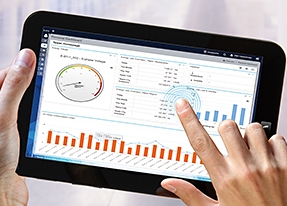
Maximum energy savings can be achieved through a comprehensive monitoring and management system for energy consumption. For example, Delta's enteliWEB solutions allow you to manage the building's or office's engineering systems via a web interface. You can connect air conditioners, heaters, lamps, and lighting fixtures, as well as household appliances—virtually any devices with standard interfaces. After that, you will be able to monitor the energy consumption of the entire network, identify load sources, and manage drives and relays to ensure maximum comfort and energy efficiency simultaneously. Such a solution was presented at COMPUTEX 2019. The 'green' cinema (link to the previous post) independently detects the presence and number of viewers in the hall, as well as controls the lighting and curtain drives, adjusting the light before, during, and after the show.
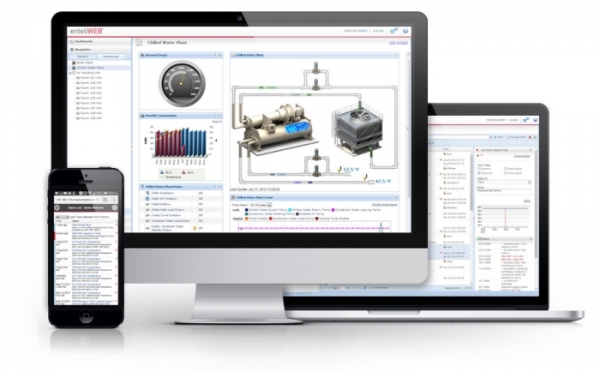
Delta enteliWEB Management System
When More Power Is Needed
Often, electric networks simply cannot provide companies with additional power, or its cost becomes very high. Practice shows that additional batteries and uninterruptible power sources can be used to handle peak loads. The stored energy will suffice for a brief rise in demand. For example, as demonstrated at the Battery Energy Storage systems were specifically developed to tackle such challenges.
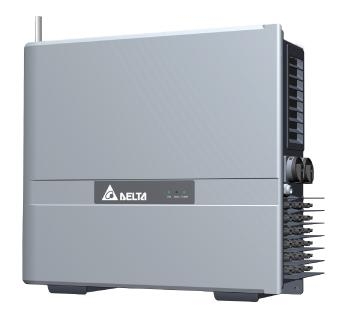
New Delta PV Inverters
However, no one negates 'green' energy that can be obtained from the sun and wind. Modern high-efficiency solar panels can provide several additional kilowatts, and the Delta PV inverter M70A allows you to harness the energy from the sun, achieving an efficiency level of 98.7%. In addition, the inverter integrates with cloud-based electricity generation monitoring systems.
Source: habr.com
