

Typically, users expect new smartphones to offer improved performance compared to previous models. However, one characteristic of the latest iPhone and Android devices has not changed significantly over time. This refers to the battery life of the devices, as even the use of large 5000 mAh lithium-ion batteries does not substantially enhance this parameter.
The situation may change with the transition from lithium-ion batteries to graphene-based power sources. According to reports from online sources, South Korean company Samsung is a leader in developing this new type of battery. The report states that the technology giant could unveil a smartphone with a graphene battery as soon as next year, though it is more likely to happen in 2021. Existing data suggests that this new battery type will significantly extend device battery life, and charging from 0 to 100% will take less than 30 minutes.
Another advantage of graphene is that its use allows for achieving significantly higher power levels using the same space as lithium-ion batteries. Additionally, graphene batteries with capacities equivalent to lithium-ion counterparts are notably more compact. Furthermore, graphene batteries possess a certain level of flexibility, which could be very useful when designing foldable smartphones.
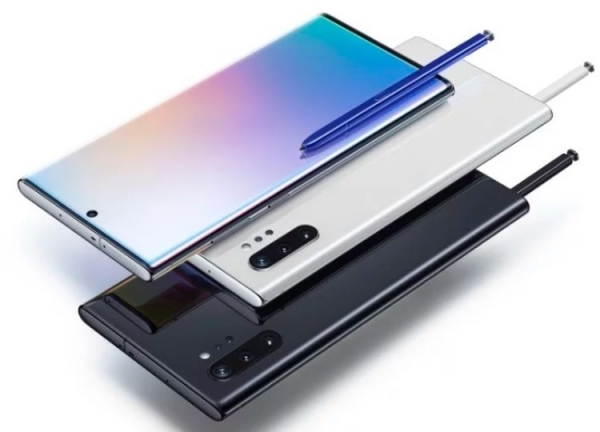
The latest flagship models, Samsung Galaxy Note 10 and Galaxy Note 10+, come equipped with batteries rated at 3500 mAh and 4500 mAh, respectively. Samsung engineers believe that switching to graphene batteries could increase mobile device capacity by 45%. Considering this, it is not difficult to estimate that if the mentioned flagships used graphene batteries of the same size as the lithium-ion equivalents, their capacities would amount to 5075 mAh and 6525 mAh, respectively.
Source: 3dnews.ru
