

In just a couple of years of the development of the Internet of Things, the most advanced residents of megacities have gotten used to the fact that IoT solutions are large projects that optimize technological processes — from factories to farms. For most people, however, the Internet of Things still boils down to toy-like speakers responding to feminine names.
To convince you that the Internet of Things can offer ordinary people much more right now, we have compiled a selection of other 'smart' gadgets that can make our lives easier and more interesting.

Dashcam from 'Black Mirror'
The Israeli company OrCam is working on mini cameras that attach to clothing and recognize the words, signs, and faces around a person. This technology is used in several product lines targeted at different audiences.
The MyEye 2 gadget is designed for visually impaired people. The camera is installed on the user's glasses and helps them read texts. It recognizes objects that the gadget owner points to for two seconds. They receive information through a bone-conduction headset. This device costs up to $4,000.
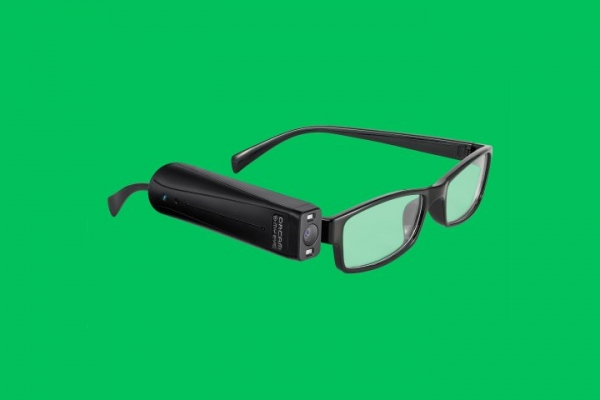
A more controversial use of the technology is the MyMe service. The camera serves as an organizer for excessively busy people. The system remembers everything happening with the gadget owner — it scans and saves read documents, analyzes people they meet. All information can be accessed in a special app if needed. If the user cannot recall a person, the camera will remind them if they met before. The approximate cost of the device is $400. The developers were able to raise funds for production on the crowdfunding platform Kickstarter — 877 people donated $185,000.
Automated beer dispenser
After the digitization of cafes and restaurants with the wearable gadgets we have already mentioned, it was only a matter of time before bars followed suit. An automated system aptly named Pubinno allows users to specify not only the exact amount of beer poured but also the amount of foam and its type (regular or creamy).

But this gadget would have remained a typical beer-dispensing machine without the IoT component. Firstly, the tap automatically transmits information about the volume of the poured drink to server, and the system matches this data with the generated checks. The device also calculates average beer consumption and prompts bartenders in advance when to prepare for keg replacements.
This includes typical IoT functions — sensors monitor the microclimate in the dispensing system, track temperature and pressure, and notify staff of any changes. The technology is expected to hit the market in 2020, with developers planning to charge around $500 for each tap.
Oven for the lazy
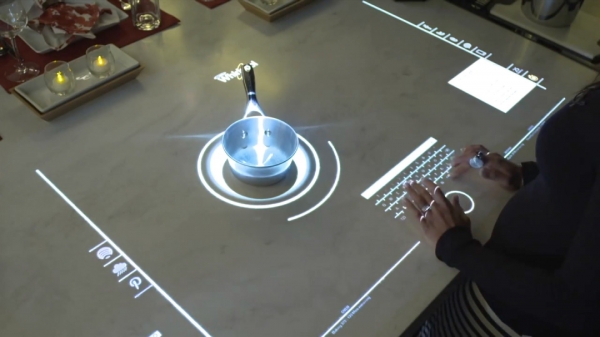
We've already written about smart refrigerators that can order food themselves. A much more interesting product is Whirlpool's smart stove. It comes with an integrated app featuring Yummly recipes. The gadget owner photographs the contents of their refrigerator, the system processes the image and suggests what can be cooked, and automatically sets the required temperature. However, the technology cannot yet place ingredients in the oven by itself. Such a device costs around three thousand dollars.
IT developers suggest installing less obvious gadgets in the kitchen as well. Among them is a fork that monitors the speed of eating. If a person is eating too quickly, the device signals this. Also on the market, among the less promising IoT solutions, is an automated system that regularly checks the freshness of eggs in the refrigerator, and a juicer that can be activated with a button in an app (it cannot be started manually).
Smart mirror
Essentially, this is a two-way mirror (which reflects light from one side but allows it to pass through from the other) with a display installed behind it. Theoretically, it can be made by hand, which some users on Habr have been doing since 2015.
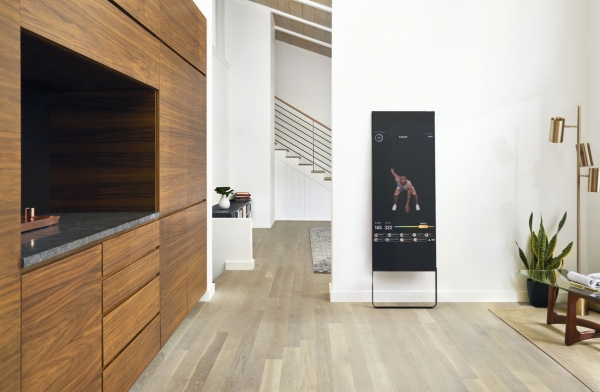
However, smart mirrors have become more advanced, featuring applications that utilize built-in cameras. For instance, L’Oréal allows users to change their hair color in the mirror's reflection by selecting the most suitable dye. The SenseMi app similarly enables users to try on clothing from stores. Additionally, a smart mirror can be used for workouts — a ghostly trainer appears in the reflection, prompting users to replicate exercises.
The cost of a smart mirror depends on its features and the type of glass used. The minimum price is $100, but you can also find models exceeding $2000.
Agricultural drones (drones for farming, on demand)
Flying devices equipped with cameras and video analytics survey crop fields, gathering information on weeds and pests. Onboard cameras also process multispectral images (combining data from infrared and visual spectra), allowing farmers to address issues with diseased plants in advance.
These drones range in price from $1,500 to $35,000.
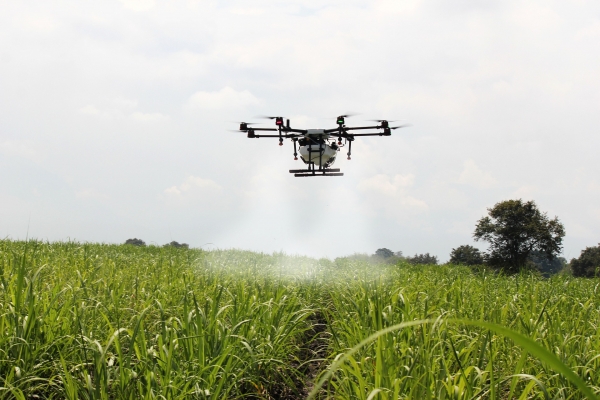
Price also determines the level of autonomy of the device. For example, in more expensive versions, you can specify critical control points, after which the system will automatically plot a patrol route. Additional features depend on the price — such as the ability to automatically send SMS alerts when problems are detected, count the number and height of plants, measure noise levels, etc. The external design can also vary (you can purchase a drone resembling a small corn plane).
Monitoring the health of pets
Once smart wearable gadgets became popular, they began to be adapted for animals. Among these technologies are smart collars that track heart rates, sleep patterns, feeding frequency, and analyze the pet's health. Devices also monitor how many steps your dog has taken and how many calories it has burned throughout the day.
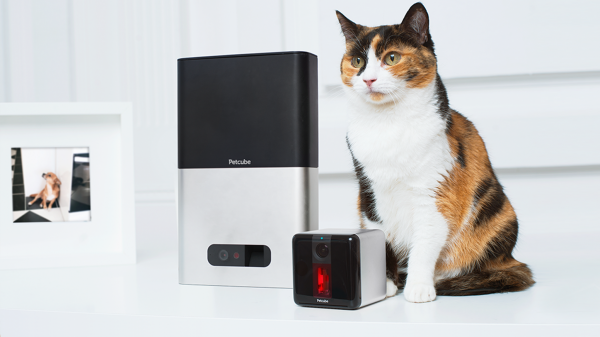
You can even find a video nanny for pets online. The startup Petcube offers a special camera that connects to your smartphone, allowing you to continuously communicate with your furry friend. The version for cats allows playtime with a built-in laser pointer, while the devices for dogs include a smart feeder—making it easy to dispense a treat with just a press of a button.
Smart Clothing
Wearable gadget functions (such as smartwatches) are gradually being integrated into the clothing itself. Sensors are sewn into discreet pockets, and wires are woven into the fabric. The device monitors the person's heart rate, temperature, movements, and more; the set of features is fairly standard with some exceptions.
Limited edition Nike sneakers analyze a person's foot and adjust the fit for maximum comfort, while the company Ministry of Supply offers jackets that determine the most suitable temperature for the wearer and maintain it.
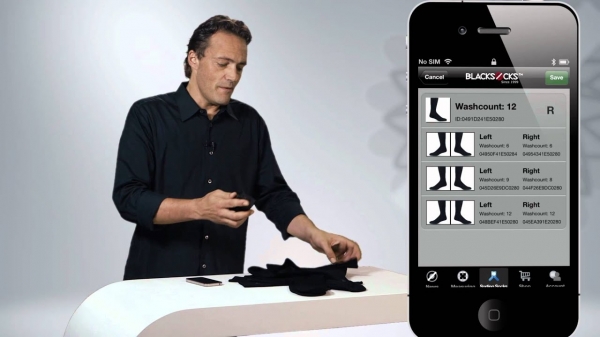
There are also clever solutions—Blacksocks has been selling 'smart' socks connected to a smartphone for over five years. With this gadget, you can solve the most complex existential questions—where the second sock is and which sock it was originally paired with.
Bonus: IoT for Infants
Baby gadgets utilize a variety of solutions, from familiar sensors monitoring health to cameras that track a child's movements. If the infant wakes up at night, parents are alerted via a signal from the camera. The system analyzes how often and at what times the child wakes up, helping parents to better plan their day.
There are also more unique developments. The Littleone smart bottle automatically logs in the app when the mother has fed the child and reminds her when to feed again. The bottle also features a heater that warms the milk to the optimal temperature.
By the way, you can find similar bottles for adults online that record in an app how much water a person has drunk throughout the day. However, not everyone is willing to pay $50 just for a bottle and a reminder to meet their daily intake.
Source: habr.com
