A Collection of 143 Translations of Paul Graham's Essays (from 184)
Paul Graham is one of the most respected figures among IT professionals, founders, and investors. He is a top-notch programmer (having created two programming languages), a hacker, the founder of the audacious accelerator Y Combinator, and a philosopher. With his thoughts and insights, Paul Graham delves into a wide range of areas, from forecasting the development of programming languages a century ahead to human qualities and ways to fix/hack the economy. He also acknowledges the importance of articulating his thoughts in writing and sharing them with others.
When I began reading Paul Graham in 2015, my perspective on life changed. I believe his essays are among the most important texts to be read early on to develop one’s way of thinking, reasoning, and articulating ideas.
The first collection of translations of Paul Graham's essays was inspired by colleagues from tceh.com (60 translations out of 176). The second collection was by Edison Software (125 translations). The third was by the PhilTech accelerator (134 translations plus several more in progress). There was a period (2017, 2018, and 2019) when Paul Graham did not write essays (focusing on his children) and only sporadically commented on Twitter and gave one video interview for a startup school. However, at the end of 2019 and early 2020, he began publishing deep texts that spark reflection again. I present to you links to new translations (updated since the last selection) and the complete list of all essays.
() () ()
() () () () () () ()
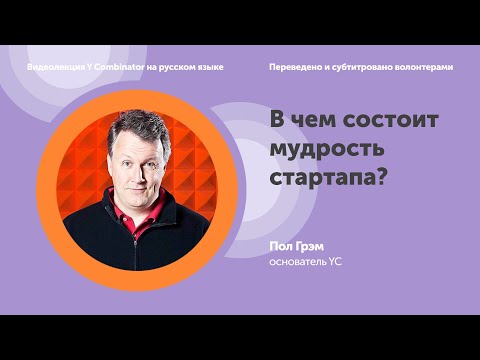
Bonus — Video from Startup School 2018 with Russian Subtitles
There are many texts; Paul Graham himself suggests starting with:
()
(, , )
(, )
()
()
My Personal Top Picks:
()
()
()
()
()
(, , with Questions from the Audience)
Complete List of Essays in Chronological Order
(no translation) (no translation) (no translation) (no translation) () () () () (no translation) (no translation) () () (, ) (, ) () () () () () () () () () () () () () () () (, ) (“”. , , .) () () (, , ) (, ) (How to Find Ideas for a Startup. Part , Part , Part , Part )) () (, ) () () () () () () () () () () (no translation) () (94%, ) () () (no translation) (no translation) () () () () (UPD September 7. , on GeekTimes) () () () () (no translation) () () () (no translation) () () (no translation) (no translation) (no translation) (no translation) () () () (25% ) () () () (no translation) () () () () () () () () () () () () () () () () () () () () (no translation) () () (, ) () (no translation) (no translation) () () () () (no translation) () () (no translation) () () (no translation) () () () () (no translation) (no translation) (no translation) () () () () () (no translation) () (no translation) () () (, , ) () (no translation) () () () () (no translation) () () () (no translation) (no translation) (no translation) () () () (, ) () () (.) () (no translation) (Translation , , ) (no translation) (, ) (, ) (no translation) () () (Revenge of the Nerds, , , ) () () () (no translation) () ( , .) (no translation) () (Being Popular, , ) (no translation) () ()
Anyone wanting to help with translation, please contact me directly or via email at magisterludi2016@yandex.ru
P.S.
Thanks to Paul Graham, I discovered Richard Hamming.and , as well as Robert Pirsig's 'Zen and the Art of Motorcycle Maintenance' and Godfrey Hardy's 'A Mathematician's Apology'.
What was the significance of Paul Graham for you? Share your thoughts.