

A few days ago, information emerged about a vulnerability in Microsoft's SMBv3 protocol that allows for the infection of groups of computers. According to the Microsoft MSRC portal, this poses a threat to PCs running Windows 10 version 1903, Windows Server version 1903 (Server Core installation), Windows 10 version 1909, and Windows Server version 1909 (Server Core installation). Additionally, the protocol is used in Windows 8 and Windows Server 2012.
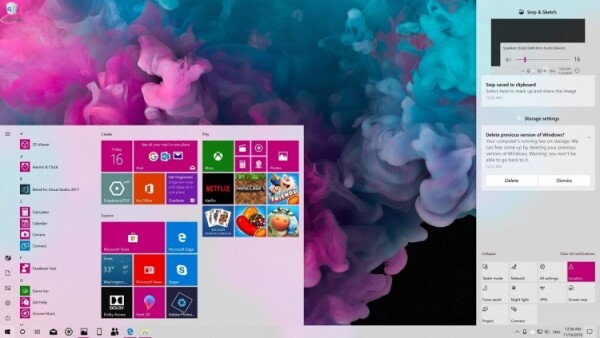
It is claimed that the flaw allows for the hacking of SMB servers and SMB clients through the use of specially crafted packets. Although the exploit code has not been published, Microsoft responded promptly and released update KB4551762, which came out almost immediately after cumulative KB4540673. And yes, it closes the SMBv3 vulnerability, but at the same time it introduces new errors. However, let's take it step by step.
KB4551762, as reported on the Microsoft support forum, disrupts sound functionality. After installation, audio simply doesn’t play, although it remains unclear how widespread the issue is.
On the other hand, KB4540673 seems to the problems of KB4532693 and KB4535996. Upon rebooting, a temporary user profile is created, which loads instead of the working one. There are also reports of 'blue screens of death,' internet access issues, and crashes of some applications.
Thus, a peculiar pattern has emerged in Redmond: fixing one thing while simultaneously breaking another. At this time, the issue with the updates has not been acknowledged by the company, so a quick resolution should not be expected.
Source: 3dnews.ru
