

The topic of this note has been brewing for a long time. And although at the request of the readers of the channel , I just wanted to write about safe work with hydrogen peroxide, but for some unclear reasons (yes, really!) to me, another long read emerged. A mix of popsci, rocket fuel, 'coronavirus disinfection,' and permanganatometric titration. How to correctly store hydrogen peroxide, what protective measures to use when working, and how to deal with poisoning - we’ll look for answers below.
p.s. The beetle in the picture is actually called a “bombardier.” And it’s also lost somewhere among the chemicals 🙂
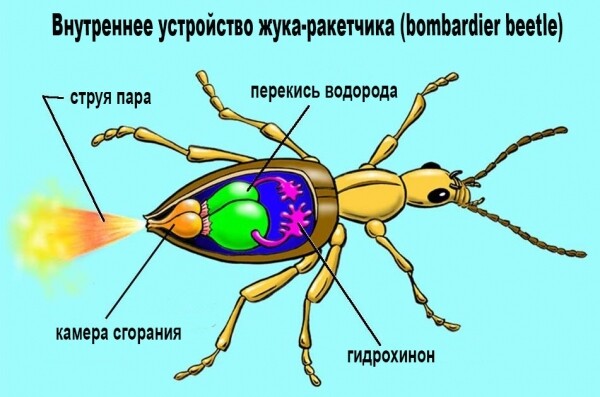
Dedicated to the “children of peroxide”...
Our brother has come to love hydrogen peroxide, oh how it’s loved. I think about this every time I encounter a question like “the bottle of hydrogen peroxide has bulged. what should I do?” I actually come across this quite often 🙂
It’s not surprising that in the post-Soviet regions, hydrogen peroxide (3% solution) is one of the favorite “folk” antiseptics. You can pour it on a wound, disinfect water, and, recently, destroy the coronavirus. But despite its apparent simplicity and accessibility, the reagent is quite ambiguous, which I will elaborate on.
Briefly touching on the biological 'tops'…
Nowadays, everything with the eco- prefix is trendy: eco-friendly products, eco-friendly shampoos, eco-friendly items. From what I understand, people want these adjectives to distinguish biogenic items (i.e., ones originally found in living organisms) from purely synthetic things ('harsh chemistry'). Therefore, I’ll start with a brief introduction that I hope will emphasize the eco-friendliness of hydrogen peroxide and increase its trust among the masses 🙂
So, what is hydrogen peroxide? It’s the simplest peroxide compound that consists of two oxygen atoms (they are connected by the bond -O-O-). Where such a connection exists, there you will find instability, atomic oxygen, strong oxidative properties, and so on. But despite the harshness of atomic oxygen, hydrogen peroxide is present in many living organisms, including humans. It forms in small amounts during complex biochemical processes and oxidizes proteins, membrane lipids, and even DNA (due to the formation of peroxide radicals). Our body has learned to combat peroxide quite effectively through evolution. It does this with the help of the enzyme superoxide dismutase, which breaks down peroxides into oxygen and hydrogen peroxide, plus the enzyme , which transforms peroxide into oxygen and water almost instantly.
Enzymes are wonderful in three-dimensional models.
Hidden under a spoiler. I love looking at them, but maybe someone doesn’t…
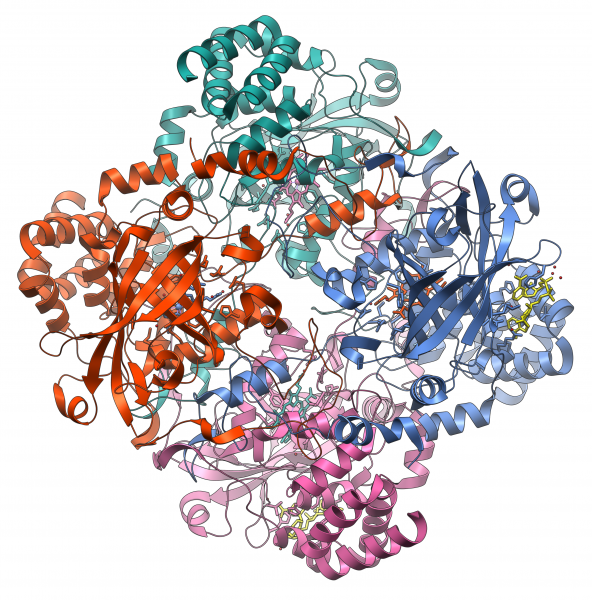
By the way, it is precisely due to the action of catalase, which is present in the tissues of our body, that blood 'boils' when treating wounds (there will be a separate note about wounds later).
Hydrogen peroxide also has an important 'protective function' within us. Many living organisms contain an interesting organelle (a structure necessary for the functioning of a living cell) called . These structures are lipid bubbles inside which there is a crystalline-like core composed of biological tubular ''. Inside the core, various biochemical processes take place, resulting in the formation of hydrogen peroxide from air oxygen and complex organic compounds of a lipid nature.
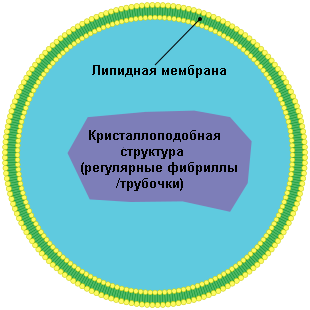
But what’s most interesting here is what this hydrogen peroxide is used for afterward. For example, in the liver and kidney cells, the produced H2O2 is used to break down and neutralize toxins entering the bloodstream. Acetaldehyde, which forms during the metabolism of alcoholic beverages () — this is also thanks to our small tireless workers, the peroxisomes, and 'Mother' hydrogen peroxide.
To ensure that everything doesn't seem so rosy with peroxides, suddenly Let me remind you of the mechanism of radiation's effect on living tissue. Molecules in biological tissues absorb energy from radiation and become ionized, meaning they transition into a state that facilitates the formation of new compounds (often completely unnecessary within the organism). Most commonly, water undergoes ionization, resulting in its . In the presence of oxygen, various free radicals (such as OH- and others) and peroxide compounds (H2O2 in particular) are formed under the influence of ionizing radiation.
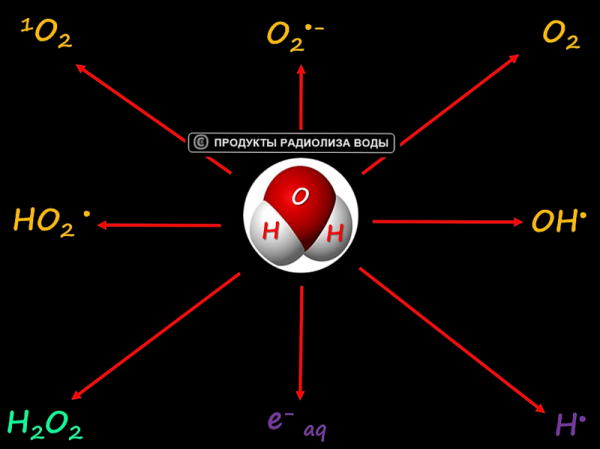
The resulting peroxides actively interact with the chemical compounds in the body. However, if we take the superoxide anion (O2-) that can sometimes form during radiolysis as an example, it's worth noting that this ion can also be formed under normal conditions in a completely healthy organism, without free radicals. and of our immune system would not be able to eliminate bacterial infections. In other words, it is impossible to do without these — they accompany biogenic oxidation reactions. The problem arises when there are too many of them.
It is precisely to combat the problem of having 'too many' peroxide compounds that humans have invented substances such as antioxidants. They inhibit the oxidation processes of complex organic matter, leading to the formation of peroxides and similar free radicals, thereby reducing the level of .
Oxidative stress is the process of cellular damage resulting from oxidation (when there are too many free radicals in the body).
Although, in essence, these compounds do not provide anything new compared to what already exists, namely the 'internal antioxidants'—superoxide dismutase and catalase. Moreover, when used incorrectly, synthetic antioxidants not only fail to help but may even exacerbate oxidative stress.
A note about 'hydrogen peroxide and wounds':Despite hydrogen peroxide being a staple in home (and industrial) first-aid kits, there is evidence suggesting that the use of H2O2 hinders wound healing and promotes scarring because hydrogen peroxide Only very low concentrations (0.03% solution, meaning you should dilute a 3% pharmacy solution 100 times) have a positive effect, and only with a single application. By the way, the 0.5% 'coronavirus ready' solution also . So, as they say, trust but verify.
Hydrogen peroxide in everyday life and 'against coronavirus'
If hydrogen peroxide can even convert ethanol in the liver into acetaldehyde, it would be strange not to use its remarkable oxidative properties in everyday life. They are used in such proportions:
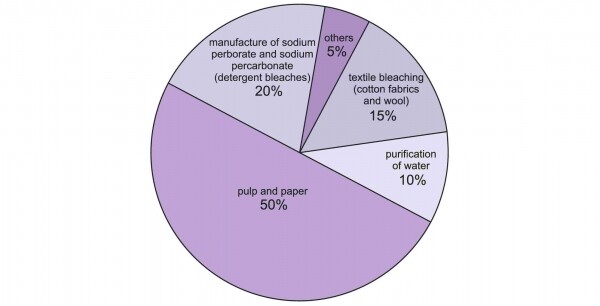
Half of all hydrogen peroxide produced by the chemical industry is used for bleaching cellulose and various types of paper. The second place (20%) in demand is occupied by the production of various bleaches based on inorganic peroxides (sodium percarbonate, sodium perborate, etc.). These peroxides (often in combination with to reduce the bleaching temperature, as percarboxylic acids do not work below 60 degrees) are used in various 'Persol' products, etc. (more details can be found ). Then, with a slight margin, bleaching fabrics and fibers (15%) and water purification (10%) follow. Finally, the remaining share is evenly divided between purely chemical applications and the use of hydrogen peroxide for medical purposes. I will stop on the latter in more detail, as the coronavirus pandemic will likely change the numbers in the chart (if it hasn't already).
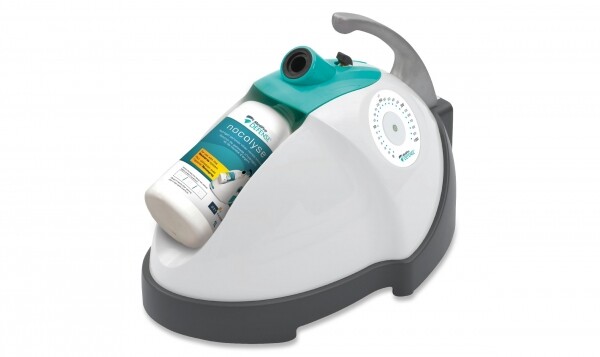
Hydrogen peroxide is actively used for sterilizing various surfaces (including surgical instruments) and recently also as vapor (the so-called — vaporized hydrogen peroxide) for sterilizing rooms. In the picture below is an example of such a hydrogen peroxide vapor generator. A very promising direction that hasn't reached domestic hospitals yet...
Overall, hydrogen peroxide demonstrates high effectiveness in disinfecting a wide range of viruses, bacteria, yeasts, and bacterial spores. It is important to note that for complex microorganisms, due to the presence of enzymes that decompose peroxide (known as peroxidases, one of which is the catalase mentioned above), tolerance (i.e., resistance) may be observed. This is especially true for solutions with concentrations below 1%. However, nothing can withstand 3%, let alone 6–10%, neither viruses nor bacterial spores.
Indeed, along with ethyl and isopropyl alcohol and sodium hypochlorite, hydrogen peroxide is included in the list of 'essential' emergency antiseptics for disinfecting surfaces from COVID-19. And not only from COVID-19. At the beginning of the whole coronavirus saga, we actively used recommendations from the when selecting antiseptics based on recommendations from the . The recommendations apply specifically to coronaviruses in general and COVID-19 in particular. Therefore, I recommend downloading and printing the article (for those interested in this issue).
An important table for the budding disinfectologist
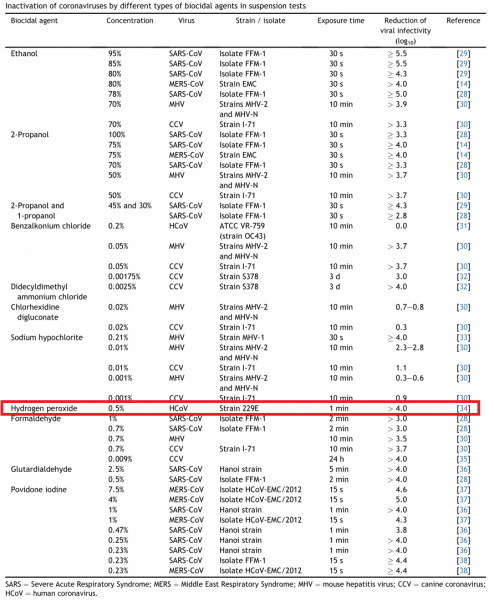
Since the start of the epidemic, there has been little change in the effective concentrations. However, the forms in which hydrogen peroxide can be used have changed. Here, I would like to recall the document with the recommended disinfectant compositions. I was traditionally interested in wipes (traditionally, because I like disinfectant wipes; I have already used those with hypochlorite, and I am fully satisfied with them). In this case, I was interested in an American product called or its equivalent, Oxivir 1 Wipes from Diversey Inc. It lists very few active ingredients:Hydrogen Peroxide 0.5%
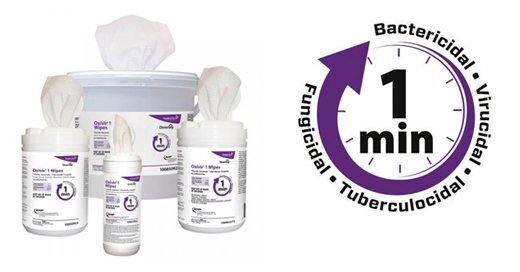
Simple yet effective. However, for those looking to replicate this formulation and soak their custom wet wipes, I should mention that besides hydrogen peroxide, the soaking solution also contains:
Phosphoric acid (stabilizer) 1–5%
2-Hydroxybenzoic Acid (salicylic acid) 0.1–1.5%
The purpose of all these 'impurities' will become clear when you read the section on stability.
Why all these 'impurities' will become clear when you reach the section on stability.
You will understand why all these "impurities" are important when you reach the section about stability.
In addition to the composition, I would also like to remind you that it states about the mentioned Oxivir. There is nothing fundamentally new (compared to the first table), but I liked the range of disinfected viruses.
Which viruses can peroxide combat

And I wouldn't be myself if I didn't remind you once again about exposure during processing. As before (like always), it is recommended to ensure that when wiping with wet wipes, all hard, non-porous surfaces remain visibly wet for at least 30 seconds (or better a minute!) to deactivate everything and anything (including your COVID-19).
Hydrogen peroxide as a chemical
Having skirted around the topic, it's time to write about hydrogen peroxide from a chemist's perspective. Fortunately, this question (rather than how a peroxisome looks) is what most often interests the uninitiated user who decided to use H2O2 for their needs. Let’s start with the three-dimensional structure (as I see it):
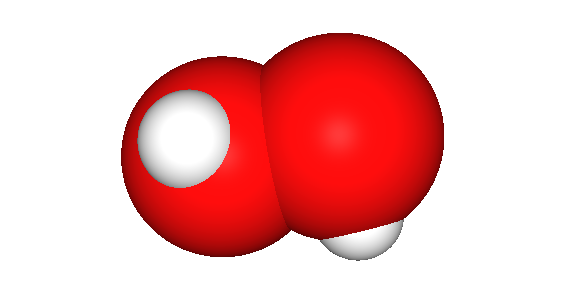
How the structure looks to a girl named Sasha, who is afraid that peroxide might explode (more on this below)
"a running little rooster seen from below"

Pure peroxide is a transparent liquid (with a bluish tint for high concentrations). The density of diluted solutions is close to that of water (1 g/cm3), while concentrated solutions are denser (35% — 1.13 g/cm3…70% — 1.29 g/cm3, etc.). By using a hydrometer, one can accurately determine the concentration of their solution (information from ).
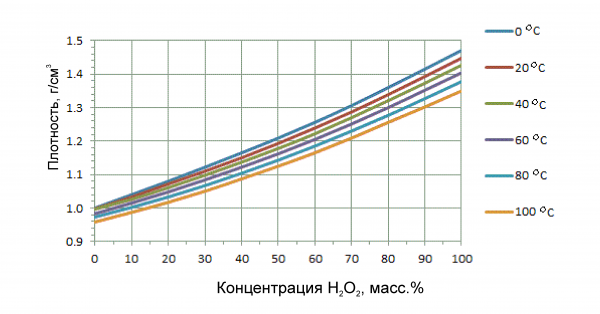
Domestic technical hydrogen peroxide can come in three grades: A = concentration 30–40%, B = 50–52%, C = 58–60%. It is often referred to as "perhydrol" (there was even once an expression "perhydrol blonde"). Essentially, it's the same as "grade A", i.e., a hydrogen peroxide solution with a concentration of about 30%.
A note on bleaching. Since we mentioned blondes, it's worth noting that a diluted hydrogen peroxide (2–10%) combined with ammonia was used as a bleaching agent for "perhydrolizing" hair. This practice is now rare. However, peroxide whitening of teeth is still common. By the way, the whitening of the skin on hands after contact with peroxide is also a kind of "perhydrolizing", caused by thousands , i.e., of capillaries blocked by oxygen bubbles formed during the decomposition of peroxide.
Medical-grade peroxide is created when deionized water is added to peroxide with a concentration of 59-60%, diluting the concentrate to the desired level (3% in domestic markets, 6% in the USA).
In addition to density, an important parameter is the pH level. Hydrogen peroxide is a weak acid. The image below shows the dependence of the pH of hydrogen peroxide solution on its mass concentration:
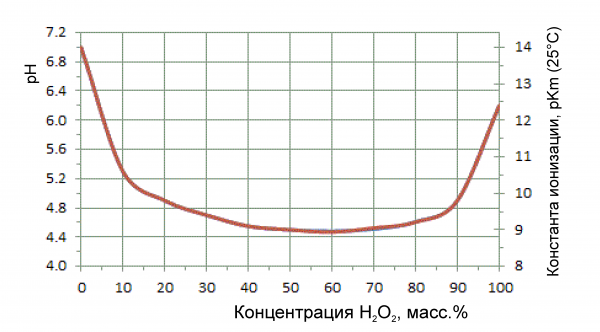
The more diluted the solution, the closer its pH is to that of water. The minimum pH (=the most acidic) occurs at concentrations of 55-65% (grade B according to domestic classification).
Although it should be noted reluctantly that pH cannot be used for a quantitative assessment of concentration for several reasons. Firstly, almost all modern peroxide is produced through the oxidation of anthraquinones. This process generates acidic byproducts that can end up in the final peroxide. This means the pH may differ from what is indicated in the table above depending on the purity of H2O2. Ultra-pure peroxide (for example, used in rocket fuel, which I will mention separately) contains no impurities. Secondly, acidic stabilizers are often added to commercial hydrogen peroxide (peroxide is more stable at low pH), which will 'skew' the readings. Lastly, chelating stabilizers (used to bind metal impurities, which I'll detail below) can also be alkaline or acidic and influence the pH of the final solution.
The best method for determining concentration is (). The method is exactly the same, but all the reagents needed for the test are very easily accessible. You'll need concentrated sulfuric acid (battery electrolyte) and regular potassium permanganate. Just as B. Gates once shouted, “640 kB of memory is enough for everyone!”, I now exclaim, “Anyone can titrate hydrogen peroxide!” :). Although my intuition tells me that if you buy hydrogen peroxide at the pharmacy and don't store it for decades, the concentration fluctuations are unlikely to exceed ± 1%, I will still outline the verification method since the reagents are available and the algorithm is quite simple.
We check the commercial hydrogen peroxide for purity
As you might guess, we will be checking using titration. This method allows us to accurately determine concentrations from 0.25% to 50%.
The verification algorithm is as follows:
1. Prepare a 0.1N potassium permanganate solution. To do this, dissolve 3.3 grams of permanganate in 1 liter of water. Heat the solution to boiling and boil for 15 minutes.
2. Take the required amount of the hydrogen peroxide to be tested (depending on the expected concentration; i.e., if you had 3%, it would be foolish to expect it suddenly to become 50%):
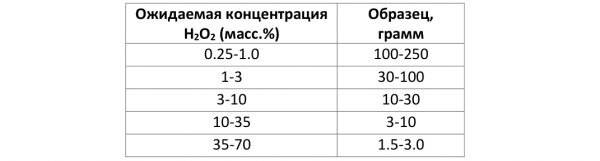
Transfer the selected volume to a small bottle and weigh it on a scale (remember to press the Tare button to exclude the weight of the bottle itself).
3. Pour our sample into a 250 ml volumetric flask (or a baby bottle marked with volume) and add distilled water to the mark (“250”). Mix it well.
4. In a 500 ml conical flask (= “half-liter jar”) pour in 250 ml of distilled water, add 10 ml of concentrated sulfuric acid, and 25 ml of our solution from step 3.
5. Slowly add the 0.1N permanganate solution drop by drop (preferably using a pipette marked with volume) into our half-liter jar from step 4. Add a drop, mix; add a drop, mix. Continue doing this until the clear solution takes on a light pink hue. As a result of the reaction, the hydrogen peroxide decomposes, producing oxygen and water, while manganese (VI) in the permanganate is reduced to manganese (II).
5H2O2 + 2KMnO4 + 4H2SO4 = 2KHSO4 + 2MnSO4 + 5O2 + 8H2O
6. Calculate the concentration of our hydrogen peroxide: C H2O2 (mass.%) = [Volume of permanganate solution in ml * 0.1 * 0.01701 * 1000] / [mass of the sample in grams from step 2]
PROFIT!!!
Free reflections on the topic of stability during storage
Hydrogen peroxide is considered an unstable compound that is prone to spontaneous decomposition. The rate of decomposition increases with temperature, concentration, and pH. In general, the rule works:
…cold, diluted, acidic solutions demonstrate the best stability…
Decomposition is facilitated by: an increase in temperature (the rate increases by 2.2 times for every 10 degrees Celsius, and at around 150 degrees the concentrates literally avalanche decompose with an explosion), an increase in pH (especially at pH > 6–8)
A note about glass: Only acidified hydrogen peroxide can be stored in glass bottles, as glass tends to create an alkaline environment when in contact with pure water, thus promoting accelerated decomposition.
The presence of impurities (especially transition metals such as copper, manganese, iron, silver, platinum), as well as exposure to ultraviolet light, affects the rate of decomposition. Most often, the main complex reason is the increase in pH and the presence of impurities. On average, under conditions, 30% hydrogen peroxide loses approximately .
To remove impurities, ultrafine filtration (excluding particles) or chelates (complexing agents) that bond metal ions are used. Acetanilide stannate The influence of ultraviolet light on the decomposition rate is not as pronounced as for pH or temperature, but it is also significant (see the picture):
It can be seen that the molar extinction coefficient increases as the wavelength of ultraviolet light decreases.
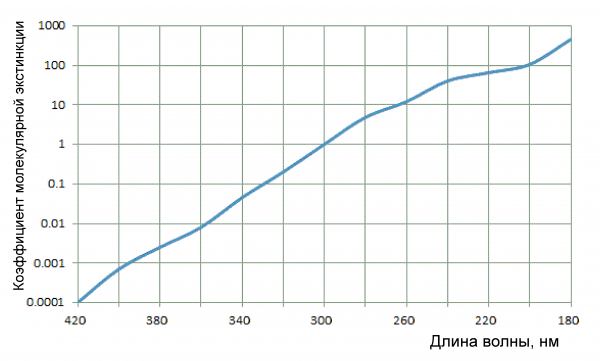
The molar extinction coefficient is a characteristic of how strongly a chemical substance absorbs light at a given wavelength.
By the way, this decomposition process initiated by photons is called photolysis:
Incidentally, this process of decomposition initiated by photons is called photolysis:
Photolysis (also known as photodissociation and photodecomposition) is a chemical reaction in which a chemical substance (either inorganic or organic) is broken down by photons after interacting with the target molecule. Any photon with sufficient energy (higher than the dissociation energy of the target bond) can cause decomposition. Effects similar to those of ultraviolet light can be produced by X-rays and gamma rays as well..
In general, it is important to store hydrogen peroxide in an opaque container, preferably in bottles made of brown glass, which block excess light (despite the fact that 'absorbed' does not equal 'immediately decomposed'). It is also not advisable to keep the bottle of hydrogen peroxide near an X-ray machine 🙂 And regarding such (UR 203Ex (?):
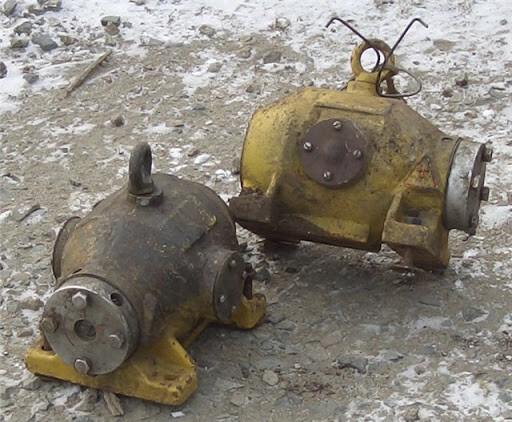
… from '’ hydrogen peroxide (and even yourself, if we are being honest) should also be kept away.
It is important that, in addition to being opaque, the container/bottle must be made of 'hydrogen peroxide-resistant' materials, such as stainless steel or glass (plus some plastics and aluminum alloys). A helpful table may be useful for reference (it may also be helpful for doctors who intend to process their equipment):
The legend of the table is as follows: A — excellent compatibility, B — good compatibility, minor effects (micro-corrosion or discoloration), C — weak compatibility (not recommended for long-term use, possible loss of strength, etc.), D — no compatibility (= cannot be used). A dash means 'information is unavailable.' Digital indices: 1 — satisfactory at 22° C, 2 — satisfactory at 48° C, 3 — satisfactory for use in seals and gaskets.
Safety precautions when working with hydrogen peroxide
For anyone who has read to this section, it is probably clear that hydrogen peroxide is a strong oxidizer, and therefore it is crucial to store it away from flammable/combusitble substances and reducing agents. H2O2, in both pure and diluted forms, can form when in contact with organic compounds. Considering all of the above, it can be stated like this.
Hydrogen peroxide is incompatible with combustible materials, any flammable liquids, and metals and their salts (in order of decreasing catalytic activity) — osmium, palladium, platinum, iridium, gold, silver, manganese, cobalt, copper, lead.
Speaking of metallic decomposition catalysts, we must mention . Not only is it the densest metal on Earth, but it is also the best weapon in the world for decomposing hydrogen peroxide.
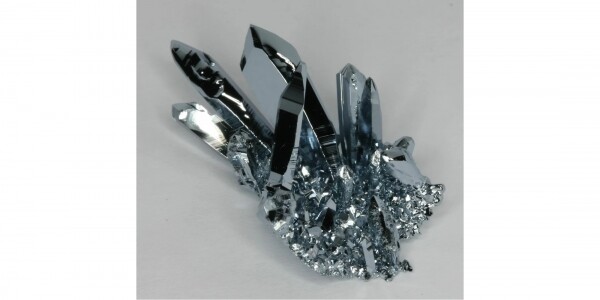
The acceleration effect of hydrogen peroxide decomposition for this metal is observed in amounts that not every analytical method can detect — to decompose hydrogen peroxide into oxygen and water very efficiently (3 to 5 times compared to peroxide without a catalyst) requires only 1 gram of osmium per 1000 tons of hydrogen peroxide.
A remark about the "explosive nature": (I almost wanted to write “I-hydrogen peroxide,” but I hesitated). In the case of hydrogen peroxide, spherical girl Sasha, who has to work with this peroxide, is most often afraid of explosions. And generally, there is some sense in Alexandra's fears. After all, peroxide can explode for two reasons. First, because in a sealed container, the gradual decomposition of H2O2 will lead to the release and accumulation of oxygen. The pressure inside the container will rise, rise, and eventually BOOM! Secondly, there is a chance that when hydrogen peroxide comes into contact with certain substances, unstable peroxide compounds may form, which can detonate upon impact, heating, etc. In the great five-volume , so much has been said about this that I even decided to hide it under a spoiler. The information applies to concentrated hydrogen peroxide >= 30% and <50%:
Absolute incompatibility
explodes upon contact with: alcohols + sulfuric acid, acetals + acetic acid + heating, acetic acid + N-heterocycles (above 50 °C), aromatic hydrocarbons + trifluoroacetic acid, azelaic acid + sulfuric acid (around 45 °C), tert-butanol + sulfuric acid, carboxylic acids (formic, acetic, tartaric), diphenyldiselenide (above 53 °C), 2-ethoxyethanol + polyacrylamide gel + toluene + heating, gallium + hydrochloric acid, iron(II) sulfate + nitric acid + carboxymethyl cellulose, nitric acid + ketones (2-butanone, 3-pentanone, cyclopentanone, cyclohexanone), nitrogen bases (ammonia, hydrazine hydrate, dimethylhydrazine), organic compounds (glycerin, acetic acid, ethanol, aniline, quinoline, cellulose, coal dust), organic materials + sulfuric acid (especially in confined spaces), water + oxygen-containing organics (acetaldehyde, acetic acid, acetone, ethanol, formaldehyde, formic acid, methanol, propanol, propanal), vinyl acetate, alcohols + tin chloride, phosphorus(V) oxide, phosphorus, nitric acid, antimonite, trisulfide of arsenic, chlorine + potassium hydroxide + chlorosulfonic acid, copper sulfide, iron(II) sulfide, formic acid + organic impurities, hydrogen selenide, di- and monoxide of lead, lead(II) sulfide, manganese dioxide, mercury(I) oxide, molybdenum disulfide, sodium iodate, mercury(II) oxide + nitric acid, diethyl ether, ethyl acetate, thiourea + acetic acid
ignites upon contact with: furfuryl alcohol, powdered metals (magnesium, zinc, iron, nickel), wood chips
vigorous reaction with: aluminum isopropoxide + heavy metal salts, charcoal, coal, lithium tetrahydroaluminate, alkali metals, methanol + phosphoric acid, unsaturated organic compounds, tin(II) chloride, cobalt oxide, iron oxide, lead hydroxide, nickel oxide
In principle, if you handle concentrated peroxide with care and do not combine it with the substances mentioned above, you can work comfortably for years without fear. However, care is important, so let's smoothly transition to personal protective equipment.
PPE and consequence elimination
The idea to write this article came to me when I decided to take a note in , dedicated to the safe handling of concentrated H2O2 solutions. Many readers have wisely procured canisters of perhydrol (in case there’s nothing at the pharmacy or we can’t reach the pharmacy at all) and have unfortunately ended up with chemical burns. Therefore, much of what is written below (and above) mainly pertains to solutions with a concentration above 6%. The higher the concentration, the more relevant the need for PPE.
For safe handling, the only personal protective equipment needed are gloves made of polyvinyl chloride/butadiene rubber, polyethylene, polyester, and other plastics to protect the skin of the hands, goggles or face masks made of transparent polymer materials to protect the eyes. If aerosols are formed, add a respirator with particulate protection (or even better, a charcoal ABEK filter cartridge with P3 protection) to your kit. When working with weak solutions (up to 6%), gloves are sufficient.
I will elaborate on the 'effects on individuals' in detail. Hydrogen peroxide is a moderately hazardous substance that causes chemical burns upon contact with skin and eyes. It is harmful if inhaled or swallowed. See the image from the SDS ('Oxidizer' - 'Corrosive' - 'Irritant'):

To get straight to the point—let me state what to do if hydrogen peroxide with a concentration greater than 6% comes into contact with a spherical person without personal protective equipment.
Upon contact with skin — wipe with a dry cloth or a cotton swab moistened with alcohol. Then rinse the affected skin thoroughly with running water for 10 minutes.
Upon contact with eyes — immediately rinse the open eyes, as well as under the eyelids, with a gentle stream of water (or a 2% solution of baking soda) for at least 15 minutes. Consult an ophthalmologist.
In case of ingestion — drink plenty of fluids (= plain water by the liters), activated charcoal (1 tablet per 10 kg of body weight), saline laxative (magnesium sulfate). Do not induce vomiting (= gastric lavage ONLY by a doctor using a probe, and no habitual 'two fingers in the mouth'). Do not give anything orally to an unconscious person.
In general, ingestion is particularly dangerous, as a large amount of gas is produced during its breakdown in the stomach (10 times more than the volume of a 3% solution), leading to bloating and pressure on the internal organs. This is why activated charcoal is needed...
While the treatment of the consequences for the body is relatively clear, it is worth mentioning a couple of words about the disposal of excess/old/peroxide spilled through inexperience.
... the disposal of hydrogen peroxide is done either a) by diluting it with water and draining it into the sewage system, or b) by decomposition using catalysts (sodium bisulfite, etc.), or c) by heating (including boiling).
Here's how it all looks in practice. For example, I accidentally spilled a liter of 30% hydrogen peroxide in the laboratory. I don't wipe anything, but instead pour the liquid with a mixture of equal quantities (1:1:1) + sand + (='bentonite filler for litter boxes'). Then I moisten this mixture with water until it forms a paste, collect the paste with a scoop into a container, and transfer it to a bucket with water (filled two-thirds). I then gradually add a sodium bisulfite solution with a 20% excess to the bucket of water. To neutralize it according to the reaction:
Na2S2O5 + 2H2O2 = Na2SO4 + H2SO4 + H2O
If the task conditions are followed (a liter of 30% solution), it turns out that 838 grams of bisulfite is needed for neutralization (with excess yielding a kilogram of salt). The solubility of this substance in water is ~ 650 g/l, meaning you will need about one and a half liters of concentrated solution. The moral is — either don’t spill perhydrol on the floor, or dilute it significantly, or you won’t be able to gather enough neutralizers 🙂
In searching for possible alternatives to bisulfite, Captain Obvious recommends using reagents that, when reacting with hydrogen peroxide, don’t produce alarming volumes of gas. For instance, iron(II) sulfate could be used. It is sold in hardware stores and even in Belarus. To neutralize H2O2, a solution acidified with sulfuric acid is required:
2FeSO4 + H2O2 + H2SO4 = Fe2(SO4)3 + 2H2O
Potassium iodide can also be used (also acidified with sulfuric acid):
2KI + H2O2 + H2SO4 = I2 + 2H2O + K2SO4
I remind you that all discussions are based on introductory tasks (30% solution). If you diluted the peroxide to lower concentrations (3–7%), you can also use potassium permanganate acidified with sulfuric acid. Even if oxygen is released, due to the low concentrations, it won’t be able to cause any significant reactions, no matter how hard it tries.
About the beetle
And I haven't forgotten about him, my dear friend. He will be a reward for those who have read my latest longread. I don't know if the respected Alexey JetHackers Stacenko aka thought about his rocket packs 30 years ago, but I certainly had some similar thoughts. Especially when I watched (or even re-watched) the bright Disney fairy tale movie “” (in the original Rocketeer).
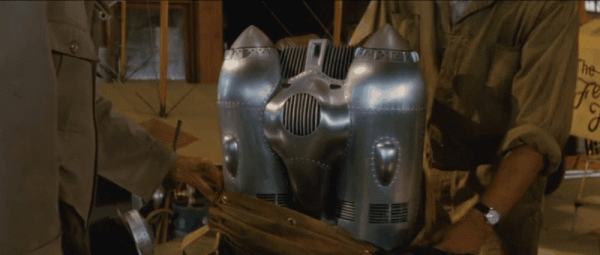
). The connection here is as follows. As I mentioned earlier, high concentration hydrogen peroxide (like the domestic brand B) with a high degree of purification (i.e. the so-called high-test peroxide or ) can be used as fuel in rockets (and torpedoes). Moreover, it can be used either as an oxidizer in two-component engines (for example, as a replacement for liquid oxygen) or in the form of so-called monopropellant. In the latter case, H2O2 is pumped into the “combustion chamber,” where it decomposes over a metal catalyst (any of the metals mentioned earlier in the article, such as silver or platinum) and under pressure, in the form of steam at a temperature of about 600 °C, exits from the nozzle, creating thrust.
Interestingly, a similar internal structure (“combustion chamber,” nozzle, etc.) is found in a small beetle from the subfamily Carabidae. is its official name, but to me, its internal structure (= image at the beginning of the article) resembles an apparatus from the aforementioned 1991 movie 🙂

The beetle is called a bombardier because it can somewhat accurately shoot boiling liquid with an unpleasant odor from glands at the back of its abdomen.

The emission temperature can reach 100 degrees Celsius, and the emission speed is 10 m/s. One shot lasts from 8 to 17 ms, consisting of 4–9 directly consecutive impulses. To avoid rewinding to the beginning, I will repeat the image here (it seems to be taken from the journal from the ‘homonymous’ article).
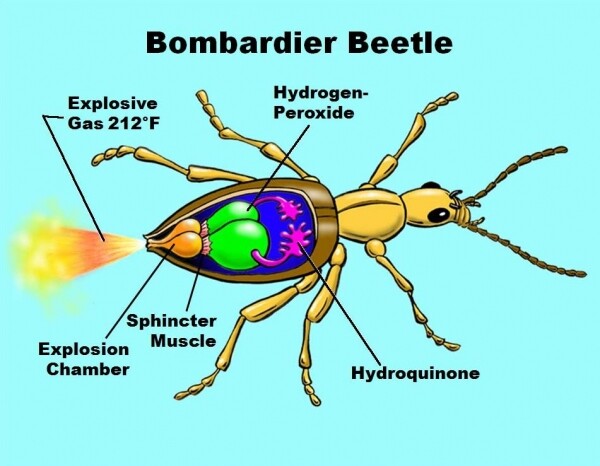
The beetle produces two "components of rocket fuel" (that is, it is not a "monofuel"). A strong reducing agent — (previously used as a developer in photography). And a strong oxidizer — hydrogen peroxide. When threatened, the beetle contracts muscles that force the two reagents through valve tubes into a mixing chamber containing water and a mixture of enzymes (peroxidases) that decompose the peroxide. In combination, the reagents create a vigorous exothermic reaction, the liquid boils and turns into gas (= “annihilation”). Overall, the beetle scalds potential enemies with a jet of boiling water (but this is clearly insufficient for first space thrust). However… At least we can consider the beetle an illustration for the section Safety precautions when working with hydrogen peroxide. The moral is as follows:
%USERNAME%, don’t be like the bombardier beetle, don’t mix peroxide with a reducing agent without understanding! 🙂
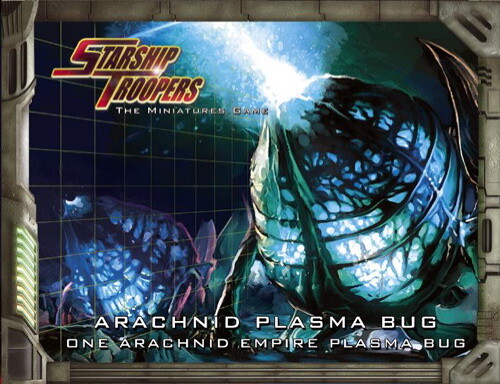
Additional note ont : "It seems that the terrestrial bombardier beetle became the prototype for the plasma beetle in 'Starship Troopers.' It has exactly enough impulse (not thrust!) to reach escape velocity, a mechanism developed through evolution and used to launch spores into orbit to expand its range and also served as a weapon against unwieldy enemy cruisers."
So that's it about the beetle and we’ve sorted out the peroxide. Let's pause here for now.
Important! Everything else (including discussions of notes, intermediate drafts, and absolutely all my publications) can be found in the Telegram channel . Subscribe and stay updated on announcements.
Next in line for consideration are sodium dichloroisocyanurate and "chlorine tablets."
Acknowledgments: The author expresses deep gratitude to all active participants of the LAB-66 community — people who actively support our "scientific and technical corner" (= Telegram channel), our chat (and the experts in it who provide 24/7 (!!!) tech support), and the author himself. Thank you all for this, guys, from !
"osmium catalyst" for the growth and development of the aforementioned community: ===>
1. MasterCard 5536 0800 1174 5555
2. Yandex Money
3. WebMoney 650377296748
4. Crypto BTC: 3QRyF2UwcKECVtk1Ep8scndmCBoRATvZkx, ETH: 0x3Aa313FA17444db70536A0ec5493F3aaA49C9CBf
5. Become a
References used
Shandala M.G. Current Issues in General Disinfection. Selected Lectures. — Moscow: Medicine, 2009. 112 p.
Lewis, R.J. Sr. Sax’s Dangerous Properties of Industrial Materials. 12th Edition. Wiley-Interscience, Wiley & Sons, Inc. Hoboken, NJ. 2012., p. V4: 2434
Haynes, W.M. CRC Handbook of Chemistry and Physics. 95th Edition. CRC Press LLC, Boca Raton: FL 2014-2015, p. 4-67
W.T. Hess "Hydrogen Peroxide". Kirk-Othmer Encyclopedia of Chemical Technology. 13 (4th ed.). New York: Wiley. (1995). pp. 961–995.
C. W. Jones, J. H. Clark. Applications of Hydrogen Peroxide and Derivatives. Royal Society of Chemistry, 1999.
Ronald Hage, Achim Lienke; Lienke Applications of Transition-Metal Catalysts to Textile and Wood-Pulp Bleaching. Angewandte Chemie International Edition. 45 (2): 206–222. (2005).
Schildknecht, H.; Holoubek, K. The Bombardier Beetle and Its Chemical Explosion. Angewandte Chemie. 73: 1–7. (1961).
Jones, Craig W. Applications of Hydrogen Peroxide and Its Derivatives. Royal Society of Chemistry (1999)
Goor, G.; Glenneberg, J.; Jacobi, S. Hydrogen Peroxide. Ullmann’s Encyclopedia of Industrial Chemistry. Weinheim: Wiley-VCH. (2007).
Ascenzi, Joseph M., ed. Handbook of Disinfectants and Antiseptics. New York: M. Dekker. p. 161. (1996).
Rutala, W. A.; Weber, D. J. Disinfection and Sterilization in Health Care Facilities: What Clinicians Need to Know. Clinical Infectious Diseases. 39 (5): 702–709. (2004).
Block, Seymour S., ed. Chapter 9: Peroxygen Compounds. Disinfection, Sterilization, and Preservation (5th ed.). Philadelphia: Lea & Febiger. pp. 185–204. (2000).
O’Neil, M.J. The Merck Index — An Encyclopedia of Chemicals, Drugs, and Biologicals. Cambridge, UK: Royal Society of Chemistry, 2013., p. 889
Larranaga, M.D., Lewis, R.J. Sr., Lewis, R.A.; Hawley’s Condensed Chemical Dictionary 16th Edition. John Wiley & Sons, Inc. Hoboken, NJ 2016., p. 735
Sittig, M. Handbook of Toxic and Hazardous Chemicals and Carcinogens, 1985. 2nd ed. Park Ridge, NJ: Noyes Data Corporation, 1985., p. 510
Larranaga, M.D., Lewis, R.J. Sr., Lewis, R.A.; Hawley’s Condensed Chemical Dictionary 16th Edition. John Wiley & Sons, Inc. Hoboken, NJ 2016., p. 735
Collection of Essential Official Materials on Disinfection, Sterilization, Disinsection, Deratization: In 5 volumes / Information Publishing Center of the State Sanitary and Epidemiological Supervision of the Russian Federation, Research Institute of Preventive Toxicology and Disinfection; Edited by M. G. Shandala. — Moscow: LLC "Rarog'", 1994
And I almost forgot, a warning for the unaware comrades 🙂
Disclaimer: all information presented in this article is for informational purposes only and does not constitute a direct call to action. All handling of chemical reagents and equipment is done at your own risk. The author is not responsible for careless handling of aggressive solutions, ignorance, lack of basic school knowledge, etc. If you do not feel confident in your understanding of the text, please ask a relative/friend/acquaintance with a relevant education to supervise your actions. And make sure to use personal protective equipment while strictly adhering to safety protocols.
Source: habr.com
