

According to data from the Ember Analytics Center, the share of solar and wind energy in global energy has doubled since 2015. Currently, it accounts for about 10% of the total energy produced, approaching the level of nuclear power plants.
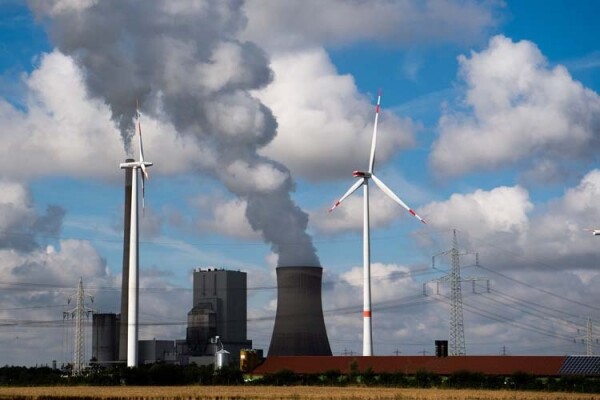
Alternative energy sources are gradually displacing coal, whose production fell by a record 8.3% in the first half of 2020 compared to the same period in 2019. According to Ember, wind and solar energy accounted for 30% of this reduction, while much of the decline was due to the coronavirus pandemic, which caused a decrease in electricity demand.
The Ember study covers 48 countries that account for 83% of global electricity production. The UK and the EU currently lead in electricity generation from wind and solar energy. Currently, these alternative energy sources account for 42% of energy consumption in Germany, 33% in the UK, and 21% in the EU.
This is significantly higher compared to the three main carbon polluters in the world: China, the USA, and India. Wind and solar energy provide about one-tenth of total electricity in China and India. Notably, China accounts for more than half of the world's coal energy.
In the USA, about 12% of total electricity generation comes from solar and wind farms. According to a forecast released earlier this week by the U.S. Energy Information Administration, renewable energy sources will be the fastest-growing electricity production source this year. In April 2019, the total energy generated from 'green' sources in the U.S. first exceeded the share of coal, making last year a record one for renewable energy sources. According to Reuters, by the end of 2020, the share of renewable energy sources and nuclear energy in the U.S. electricity sector is expected to surpass that of coal.
All of this is encouraging, but there is still a long way to go before achieving the goal set in the Paris Agreement of 2015 to prevent global warming from exceeding 1.5°C compared to pre-industrial levels. To reach this target, coal consumption needs to be reduced by 13% annually over the next 10 years, and carbon dioxide emissions must nearly vanish by 2050.
"The fact that coal production only fell by 8% during the global pandemic shows how far we are from achieving this goal," noted Dave Jones, senior analyst at Ember. "We have a solution; it works, but progress is not fast enough."
Source:
Source: 3dnews.ru
