

Author: Sergey Lukyanchikov, Consultant Engineer at InterSystems
Challenges of Real-Time AI/ML Computing
Let's start with examples from the Data Science practice of InterSystems:
- "Loaded" customer portal connected to an online recommendation system. A restructuring of promotional campaigns is upcoming across the retail network (for example, instead of a "flat" line of promotions, a "segment-tactic" matrix will now be used). What happens to the recommendation mechanisms? What happens to the submission and updating of data in the recommendation mechanism (the volume of input data increased by 25,000 times)? What happens to the generation of recommendations (the need for a thousandfold reduction of the filtering rules' threshold due to a thousandfold increase in their quantity and "assortment")?
- There is a monitoring system for the likelihood of defects in equipment nodes. An automated control system has been connected to the monitoring system, transmitting thousands of process parameters every second. What happens to the monitoring system, which previously operated on "manual samples" (is it capable of ensuring second-by-second monitoring of probability)? What will happen if a new block appears in the input data with hundreds of columns containing readings from sensors recently integrated into the automated system (will it be necessary and how long will the monitoring system need to be paused to include new sensor data in the analysis)?
- A complex of AI/ML mechanisms (recommendation, monitoring, predictive) has been created, utilizing the results of each other's work. How many person-hours are needed monthly to adapt the operation of this complex to changes in input data? What is the overall "slowdown" in supporting decision-making processes by the complex (the frequency of new supporting information relative to the frequency of new input data occurrences)?
Summarizing these and many other examples, we formulated the challenges that arise when transitioning to the use of machine learning and artificial intelligence mechanisms in real-time:
- Are we satisfied with the speed of creation and adaptation (to changing situations) of AI/ML developments in our company?
- How do our AI/ML solutions support real-time business management?
- Are our AI/ML solutions capable of adapting to changes in data and business management practices independently (without developers)?
Our article provides a comprehensive overview of the capabilities of the InterSystems IRIS platform in terms of universal support for deploying AI/ML mechanisms, assembling (integrating) AI/ML solutions, and training (testing) AI/ML solutions on intensive data streams. We will refer to market research, practical examples of AI/ML solutions, and the conceptual aspects of what we call a real-time AI/ML platform in this article.
Key findings from surveys: real-time applications
Results , conducted among approximately 800 IT professionals in 2019 by Lightbend, speak for themselves:
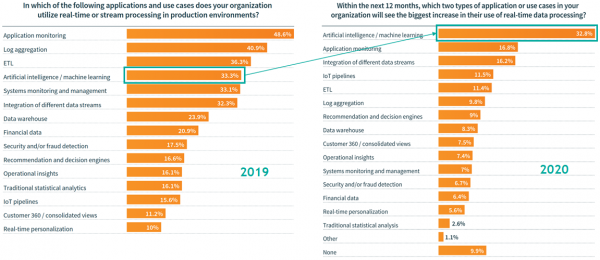
Figure 1 Leading consumers of real-time data
Let’s quote important excerpts from the report on the results of this survey in our translation:
“... The trends in the popularity of data stream integration tools and, at the same time, support for containerized computing provide a synergistic response to the market’s demand for more prompt, efficient, and dynamic offerings of effective solutions. Data streams allow for faster information transmission than traditional batch data. This is complemented by the ability to promptly apply computational methods, such as AI/ML-based recommendations, creating competitive advantages by increasing customer satisfaction. The race for responsiveness also affects all roles in the DevOps paradigm – increasing the efficiency of application development and deployment. ... Eight hundred four IT specialists provided information on the use of data streams in their organizations. Respondents were primarily located in Western countries (41% in Europe and 37% in North America) and were almost evenly distributed among small, medium, and large companies. ...
Artificial intelligence is not a hype. Fifty-eight percent of those already using data stream processing in productive AI/ML applications confirm that their use in AI/ML will see the greatest growth next year (compared to other applications).
- According to most respondents, the application of data streams in AI/ML scenarios will experience the highest growth in the coming year.
- The use in AI/ML will increase not only due to relatively new types of scenarios but also through traditional scenarios where real-time data is applied increasingly.
- In addition to AI/ML, the level of enthusiasm among users of IoT data pipelines is impressive — 48% of those who have integrated IoT data claim that the implementation of scenarios based on this data will see significant growth in the near future. … »
This rather interesting survey shows that the perception of machine learning and artificial intelligence scenarios as leaders in data stream consumption is already 'on the horizon.' But an equally important observation is the perception of AI/ML in real-time through the lens of DevOps: here we can start talking about the transformation of the still dominant culture of 'one-time AI/ML with fully available datasets.'
The concept of real-time AI/ML platform
One typical application area of real-time AI/ML is managing technological processes in manufacturing. Taking this example into account with previous reflections, let us formulate the concept of a real-time AI/ML platform.
The use of artificial intelligence and machine learning in managing technological processes has several specific features:
- Data on the state of technological processes arrives intensively: at a high frequency and across a wide range of parameters (up to tens of thousands of parameter values transmitted per second from the automated production control system).
- Data on defect detection, not to mention data on their development, is, on the contrary, scarce and irregular, characterized by insufficient defect typology and temporal localization (often represented by records on paper).
- From a practical perspective, the training and application of models are only accessible through the "relevance window" of the input data, reflecting the dynamics of the technological process over a reasonable sliding interval, ending with the most recently recorded values of the process parameters.
These features compel us to not only handle and process an intense "broadband incoming signal" from the technological process in real-time but also to simultaneously apply, train, and monitor the quality of AI/ML models' results — also in real-time. The "frame" that our models "see" in the sliding relevance window is constantly changing — and along with it, the quality of the results produced by the AI/ML models, trained on one of the "frames" in the past, also changes. If the quality of the results produced by the AI/ML models deteriorates (for instance: the value of the classification error "alarm-norm" exceeds the boundaries we have set), model retraining on a more relevant "frame" should automatically be initiated — and the timing for triggering this model retraining should consider both the duration of the training itself and the dynamics of the decline in the quality of the current version of the models (as the current versions of the models continue to be applied while the models are being retrained, until their "retrained" versions are formed).
InterSystems IRIS has key platform capabilities to ensure the operation of AI/ML solutions in managing technological processes in real-time. These capabilities can be divided into three main groups:
- Continuous Deployment/Delivery (CD) of new or adapted existing AI/ML mechanisms into a production solution that operates in real-time on the InterSystems IRIS platform.
- Continuous Integration (CI) into a unified production solution of incoming data streams from the technological process, data queues for application/training/quality control of AI/ML mechanisms, and data/code/control exchanges with mathematical modeling environments, orchestrated in real-time by the InterSystems IRIS platform.
- Continuous (Self-)Training (CT) of AI/ML mechanisms, carried out in mathematical modeling environments using data, code, and control actions ("decision-making") transmitted by the InterSystems IRIS platform.
The classification of platform capabilities regarding machine learning and artificial intelligence into such groups is not coincidental. Let’s cite the methodological framework from Google, which provides the conceptual basis for this classification, in our translation:
"... The concept of DevOps, popular these days, encompasses the development and operation of large-scale information systems. The advantages of implementing this concept include reduced development cycle times, accelerated deployment of developments, and flexible release planning. To achieve these advantages, DevOps entails the adoption of at least two practices:
- Continuous Integration (CI)
- Continuous Delivery (CD)
These practices are also applicable to AI/ML platforms to ensure reliable and efficient assembly of productive AI/ML solutions.
AI/ML platforms differ from other information systems in the following aspects:
- Team competencies: when creating an AI/ML solution, the team usually includes data scientists or academic experts in data research who analyze data, develop, and test models. These team members may or may not be professional developers of production code.
- Development: AI/ML mechanisms are experimental by nature. To solve a problem in the most effective way, it is necessary to explore various combinations of input variables, algorithms, modeling approaches, and model parameters. The complexity of this exploration lies in tracing "what worked/did not work," ensuring the reproducibility of episodes, and generalizing developments for recurring implementations.
- Testing: testing AI/ML mechanisms requires a broader range of tests than most other developments. In addition to standard unit and integration tests, data validity and the quality of model application results on training and validation samples are also tested.
- Deployment: Deploying AI/ML solutions goes beyond predictive services that use a once-trained model. AI/ML solutions are built around multi-stage pipelines that facilitate automated training and application of models. Deploying such pipelines implies the automation of non-trivial tasks that data scientists traditionally perform manually, in order to enable the training and testing of models.
- Productivity: AI/ML mechanisms may lack performance not only due to inefficient programming but also because of the constantly changing nature of input data. In other words, the performance of AI/ML mechanisms can degrade due to a wider range of causes than that of conventional developments. This leads to the need for real-time monitoring of the performance of our AI/ML mechanisms, as well as sending alerts or discarding results when performance metrics do not meet expectations.
AI/ML platforms are similar to other information systems in that both require continuous code integration with version control, unit testing, integration testing, and continuous deployment of developments. However, in the case of AI/ML, there are several important differences:
- CI (Continuous Integration) is no longer limited to testing and validating the code of deployed components; it also includes testing and validating data and AI/ML models.
- CD (Continuous Delivery/Deployment) is not just about writing and releasing packages or services; it implies a platform for composing, training, and applying AI/ML solutions.
- CT (Continuous Training) is a new element [author's note: a new element in relation to the traditional DevOps concept, where CT usually refers to Continuous Testing] inherent in AI/ML platforms, responsible for the autonomous management of the training and application mechanisms of AI/ML models. ...
We can affirm that machine learning and artificial intelligence, which operate on real-time data, require a broader set of tools and competencies (from code development to orchestration of mathematical modeling environments), closer integration across all functional and subject areas, and more efficient organization of human and machine resources.
Real-time scenario: recognizing defect progression in feed pumps
Continuing with the example of process control, let's consider a specific task (already mentioned at the beginning): real-time monitoring of defect progression in pumps based on the flow of parameter values from the technological process and reports from maintenance personnel about identified defects is required.
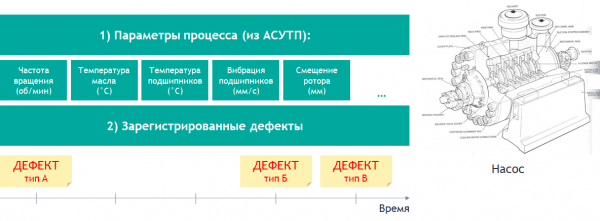
Figure 2 Formulation of the task for monitoring defect progression
The peculiarity of most tasks set in this way in practice is that the regularity and timeliness of data arrival (ACS TP) must be considered against the backdrop of the episodic and irregular occurrence (and registration) of various types of defects. In other words: data from ACS TP arrives once per second accurately, while defect records are made with a chemical pencil indicating the date in a general notebook in the workshop (for example: "01.12 – leak in the cover on the side of the 3rd bearing").
Thus, we can supplement the task formulation with this important constraint: there is only one "tag" for a defect of a specific type (i.e., the example of a specific type of defect is represented by data from ACS TP on a specific date – and we have no other examples of that type of defect). This constraint immediately takes us beyond the realm of classic machine learning (supervised learning), which requires many "tags".
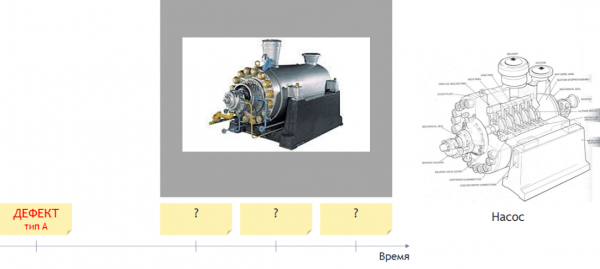
Figure 3 Clarification of the task for monitoring defect progression
Is there a way for us to "duplicate" the only existing "label" at our disposal? Yes, we can. The current state of the pump is characterized by the degree of similarity to registered defects. Even without quantitative methods, at the level of visual perception, observing the dynamics of values obtained from the automated process control system (APCS) can yield significant insights:
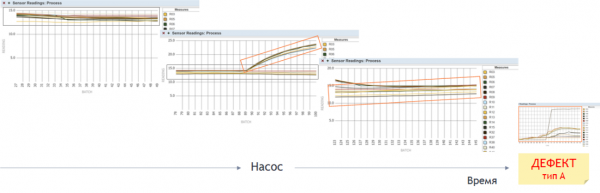
Figure 4 Dynamics of the pump's state against the background of the defect "label" of a specified type
However, visual perception (at least for now) is not the best generator of "labels" in our rapidly changing scenario. We will assess the similarity of the current state of the pump to registered defects using a statistical test.
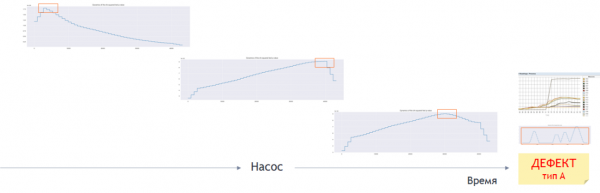
Figure 5 Application of a statistical test to incoming data against the background of the defect "label"
The statistical test determines the likelihood that records with values of process parameters in the obtained "stream-package" from the APCS are similar to the records of the defect "label" of a certain type. The probability value computed as a result of applying the statistical test (the statistical similarity index) is transformed into a value of 0 or 1, becoming a "label" for machine learning in each specific record in the examined similarity package. That is, after processing the newly received package of pump state records with the statistical test, we gain the ability to (a) add this package to the training set for the AI/ML model and (b) conduct quality control of the current version of the model when applying it to this package.
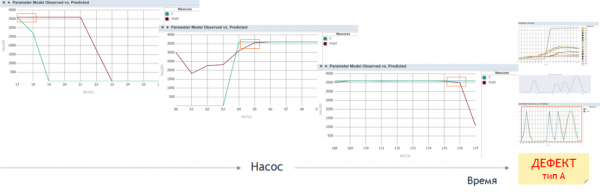
Figure 6 Application of the machine learning model to incoming data against the background of the defect "label"
In one of our previous We demonstrate and explain how the InterSystems IRIS platform enables the implementation of any AI/ML mechanism as continuously executing business processes that ensure the accuracy of modeling results and adapt model parameters. When implementing the prototype of our scenario with pumps, we utilize all the functionalities presented during the webinar on InterSystems IRIS – by embedding in the process analyzer a form of reinforcement learning, rather than traditional supervised learning, which automatically manages the training data selection for models. The training dataset includes records that reach a 'consensus detection' after applying both a statistical test and the current version of the model, meaning that both the statistical test (after transforming the similarity index to either 0 or 1) and the model produced a result of 1 on those records. When the model is retrained and validated (the newly trained model is applied to its own training dataset, preceded by the application of the statistical test), records that did not retain a result of 1 after the statistical test (due to the ongoing presence of records from the original 'defect label' in the training set) are removed from the training dataset, and the new version of the model learns on the 'defect label' plus the records that were retained from the stream.
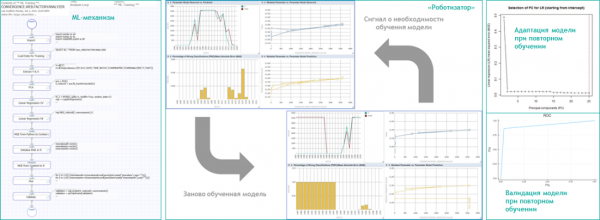
Figure 7 Robotization of AI/ML Computations in InterSystems IRIS
If there is a need for a sort of 'second opinion' on the quality of detection obtained through local computations in InterSystems IRIS, a process advisor is created to perform model training and application on a control dataset using cloud services (such as Microsoft Azure, Amazon Web Services, Google Cloud Platform, etc.):
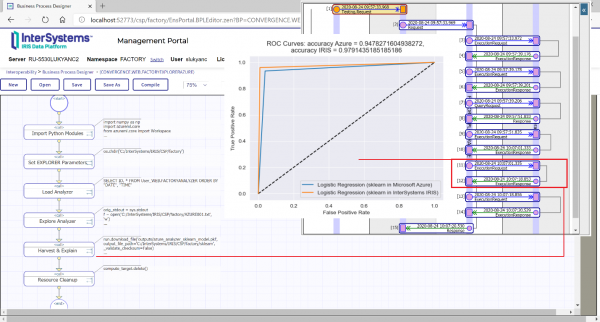
Figure 8 'Second Opinion' from Microsoft Azure orchestrated by InterSystems IRIS
The prototype of our scenario in InterSystems IRIS is implemented as an agent-based system of analytical processes that interact with the equipment object (the pump), mathematical modeling environments (Python, R, and Julia), and ensure self-training of all involved AI/ML mechanisms – on real-time data streams.
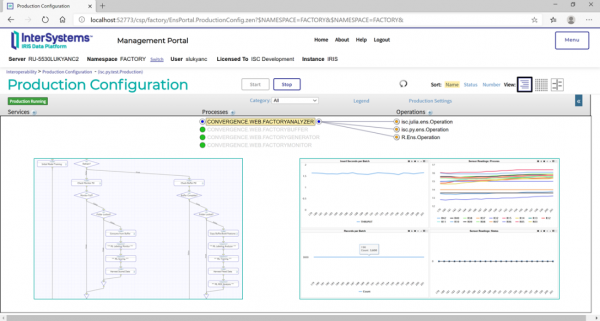
Figure 9 Core Functionality of the Real-Time AI/ML Solution in InterSystems IRIS
The practical results of our prototype's work:
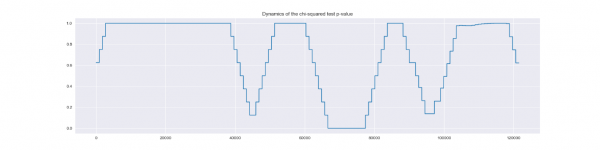
- The defect sample recognized by the model (January 12):
- The developing defect recognized by the model that was not included in the sample (September 11, the defect itself was confirmed by the repair crew only two days later – September 13):
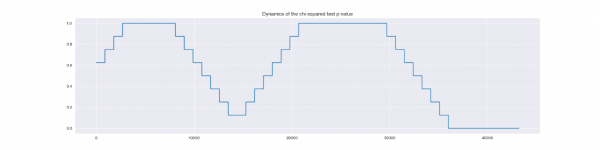
Simulation on real data containing several episodes of the same defect showed that our solution, implemented on the InterSystems IRIS platform, can identify the development of such defects several days before they are detected by the repair crew.
InterSystems IRIS is a universal platform for real-time AI/ML computations
The InterSystems IRIS platform simplifies the development, deployment, and operation of real-time data solutions. InterSystems IRIS is capable of executing both transactional and analytical data processing simultaneously; supporting synchronized data views according to multiple models (including relational, hierarchical, object, and document); serving as an integration platform for a wide range of data sources and individual applications; and providing advanced real-time analytics on structured and unstructured data. InterSystems IRIS also offers mechanisms for applying external analytical tools and allows flexible combinations of cloud and on-premises deployment.
Applications built on the InterSystems IRIS platform are implemented across various industries, assisting companies in achieving significant economic benefits in both strategic and operational perspectives, enhancing decision-making awareness, and eliminating gaps between events, analysis, and action.
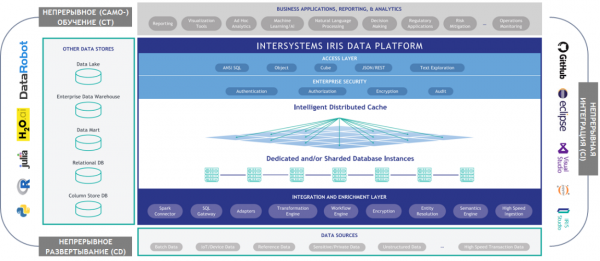
Figure 10 Architecture of InterSystems IRIS in the context of real-time AI/ML
Like the previous diagram, the diagram below combines a new ‘coordinate system’ (CD/CI/CT) with the information flow scheme between the platform’s working elements. The visualization begins with the macro mechanism CD and continues with the macro mechanisms CI and CT.
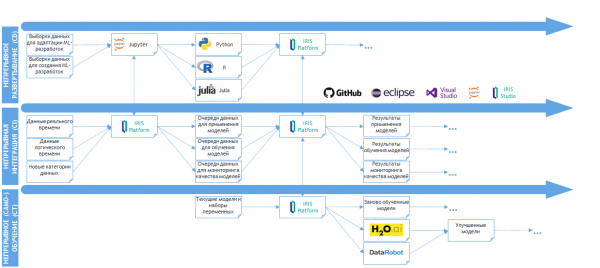
Figure 11 Scheme of information flow between AI/ML elements of the InterSystems IRIS platform
The essence of the CD mechanism in InterSystems IRIS: platform users (developers of AI/ML solutions) adapt existing and/or create new AI/ML developments using a specialized AI/ML code editor: Jupyter (full name: Jupyter Notebook; for brevity, documents created in this editor are sometimes also referred to as such). In Jupyter, a developer has the opportunity to write, debug, and ensure the functionality (including using graphics) of a specific AI/ML development before its deployment in InterSystems IRIS. It is clear that the new development created in this way will only receive basic debugging (since, in particular, Jupyter does not work with real-time data streams) – this is normal, as the main outcome of development in Jupyter becomes the confirmation of the principle functionality of a separate AI/ML mechanism ("shows expected results on the data sample"). Similarly, a mechanism already deployed in the platform (see the following macromechanisms) may require a rollback to its "pre-platform" state before debugging in Jupyter (reading data from files, working with data through xDBC instead of tables, direct interaction with globals – multidimensional arrays of data in InterSystems IRIS – etc.).
An important aspect of CD implementation specifically in InterSystems IRIS: a bidirectional integration is implemented between the platform and Jupyter, allowing content in Python, R, and Julia (all three are programming languages in their respective leading open-source environments for mathematical modeling) to be transferred to the platform (and subsequently processed in the platform). Thus, developers of AI/ML content have the ability to perform "continuous deployment" of this content in the platform, working in their familiar Jupyter editor, with familiar libraries available in Python, R, Julia, and performing basic debugging (if necessary) outside the platform.
Let's move on to the macro-mechanism of CI in InterSystems IRIS. The diagram illustrates the macroprocess of the real-time robotic system (a combination of data structures, business processes, and the orchestrated code fragments in math-prototyping languages and ObjectScript – the native development language of InterSystems IRIS). The purpose of this macroprocess is to maintain the necessary data queues for the operation of AI/ML mechanisms (based on data streams transmitted to the platform in real-time), make decisions about the sequence of applying and the 'assortment' of AI/ML mechanisms (also known as 'mathematical algorithms', 'models', etc., which can be referred to differently depending on specific implementations and terminological preferences), and keep the data structures for analyzing the results of AI/ML mechanisms up-to-date (cubes, tables, multidimensional data arrays, etc. – for reports, dashboards, etc.).
An important aspect of CI implementation specifically in InterSystems IRIS is the bidirectional integration between the platform and mathematical modeling environments, allowing for content hosted on the platform in Python, R, and Julia to be executed in their respective environments with results returned. This integration is implemented both in 'terminal mode' (i.e., AI/ML content is formulated as ObjectScript code that makes calls to the mathematical environments) and in 'business process mode' (i.e., AI/ML content is formulated as a business process using a graphical editor, or sometimes with Jupyter, or through IDEs – IRIS Studio, Eclipse, Visual Studio Code). The availability of business processes for editing in Jupyter is reflected through the connection between IRIS at the CI level and Jupyter at the CD level. A more detailed overview of the integration with mathematical modeling environments will be provided later. At this stage, we believe there are all grounds to confirm the presence of all necessary tools in the platform for implementing 'continuous integration' of AI/ML developments (coming from 'continuous deployment') into real-time AI/ML solutions.
And the primary macro mechanism: CT. Without it, an AI/ML platform cannot function (even though "real-time" will be implemented through CD/CI). The essence of CT lies in the platform's interaction with the "artifacts" of machine learning and artificial intelligence directly within working sessions of mathematical modeling: models, distribution tables, vectors-matrices, neural network layers, and so on. This "work" usually involves creating these mentioned artifacts in environments (for models, for example, "creation" consists of specifying the model's specifications and subsequently adjusting the values of its parameters — the so-called "training" of the model), applying them (for models: calculating "model" values of target variables — forecasts, category membership, the probability of an event occurring, etc.), and enhancing already created and applied artifacts (for instance, redefining the set of model input variables based on application results — to improve prediction accuracy, as an option). A key point in understanding the role of CT is its "abstraction" from the realities of CD and CI: CT will implement all artifacts, focusing on the computational and mathematical specifics of the AI/ML solution within the capabilities provided by specific environments. The responsibility for "supplying input data" and "delivering results" will lie with CD and CI.
An important aspect of implementing CT specifically in InterSystems IRIS: by utilizing the integration with mathematical modeling environments mentioned earlier, the platform can extract artifacts from working sessions managed within these environments and (most importantly) convert them into the platform's data objects. For example, a distribution table that was just created in a Python working session can be transferred to the platform as, for instance, a global (a multidimensional data array of InterSystems IRIS), without stopping the session in Python – and be used for computations in another AI/ML mechanism (implemented in a different language, for example, R) – or as a virtual table. Another example: alongside the 'normal mode' of model operation (in the Python working session), 'auto-ML' is performed on its input data: automatic selection of optimal input variables and parameter values. Together with 'normal' training, the productive model in real-time receives a 'suggestion for optimization' of its specification – where the set of input variables changes, the values of parameters change (no longer as a result of training in Python, but as a result of training an 'alternative' version of itself, for example, in the H2O stack), allowing the overall AI/ML solution to autonomously handle unforeseen changes in the nature of input data and modeled phenomena.
Let's take a closer look at the platform's AI/ML functionality in InterSystems IRIS, using a real existing prototype as an example.
The diagram below shows, on the left side of the slide, a part of the business process implementing the execution of scripts in Python and R. In the center, there are visual logs of the execution of some of these scripts, respectively, in Python and R. Directly after them are examples of content in both languages submitted for execution in their respective environments. On the far right, there are visualizations based on the results of the script executions. The visualizations at the top are created in IRIS Analytics (data taken from Python into the InterSystems IRIS data platform and displayed on the dashboard via platform tools), and the ones at the bottom are generated directly in an R working session and exported as graphic files. An important aspect: the presented segment in the prototype is responsible for training the model (classifying equipment states) on data coming in real-time from a process simulating the equipment, triggered by a quality monitoring process observed during the application of the model. The implementation of the AI/ML solution in the form of a set of interacting processes ('agents') will be discussed further.
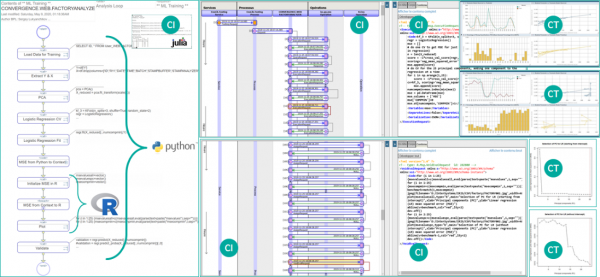
Figure 12 Interaction with Python, R, and Julia in InterSystems IRIS
Platform processes (also referred to as 'business processes', 'analytical processes', 'pipelines', etc. – depending on the context) are primarily editable in the graphical business process editor within the platform, such that both its flowchart and the corresponding AI/ML mechanism (program code) are created simultaneously. When we say that 'an AI/ML mechanism is produced', we initially imply hybridity (within a single process): content in mathematical modeling languages coexists with content in SQL (including extensions from ), in InterSystems ObjectScript, along with other supported languages. Moreover, the platform process provides extensive opportunities for 'rendering' as hierarchically nested fragments (as seen in the example in the diagram below), allowing for effective organization of even quite complex content, without 'falling out' of the graphical format (into 'non-graphical' methods/classes/procedures, etc.). That is, if necessary (which is anticipated in most projects), the entire AI/ML solution can be implemented in a graphical self-documenting format. We draw attention to the central part of the diagram below, which presents a higher 'level of nesting', where, in addition to the actual training of the model (using Python and R), the analysis of the so-called ROC curve of the trained model is included, allowing for both visual (and computational) assessment of training quality – and this analysis is implemented in Julia (executed, accordingly, in the Julia math environment).
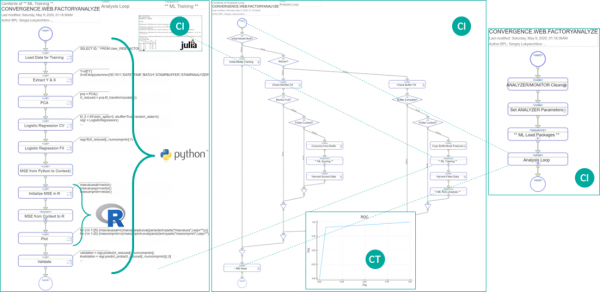
Figure 13 Visual environment for composing AI/ML solutions in InterSystems IRIS
As mentioned earlier, initial development and (in some cases) adaptation of already implemented AI/ML mechanisms in the platform will/can be done outside the platform in the Jupyter editor. In the diagram below, we see an example of adapting an existing platform process (the same as shown in the diagram above) – this is how that fragment, which is responsible for training the model, looks in Jupyter. The content in Python is available for editing, debugging, and graphical output directly in Jupyter. Changes (if necessary) can be made with instant synchronization to the platform process, including its production version. Similarly, new content can be transferred to the platform (a new platform process is automatically generated).
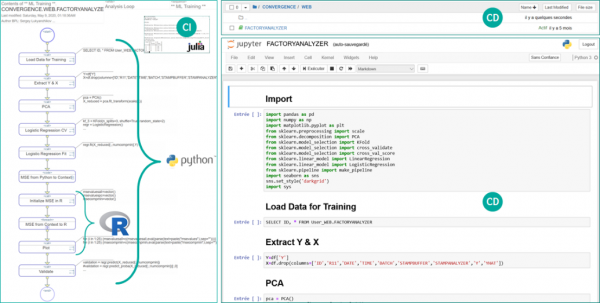
Figure 14 Using Jupyter Notebook to edit the AI/ML mechanism in the InterSystems IRIS platform
The adaptation of the platform process can be carried out not only in graphical or laptop format but also in a 'total' IDE (Integrated Development Environment) format. IDEs like IRIS Studio (native IRIS studio), Visual Studio Code (InterSystems IRIS extension for VSCode), and Eclipse (Atelier plugin) serve this purpose. In some cases, it is possible for the development team to simultaneously use all three IDEs. The diagram below shows an example of editing the same process in IRIS Studio, Visual Studio Code, and Eclipse. All content is available for editing: Python/R/Julia/SQL, ObjectScript, and business processes.
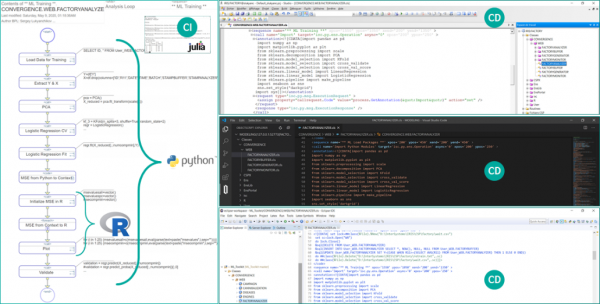
Figure 15 Development of the InterSystems IRIS business process in various IDEs
The tools for describing and executing business processes in InterSystems IRIS using Business Process Language (BPL) deserve special mention. BPL allows the use of 'ready-made integration components' (activities) in business processes—this, in fact, supports the claim that 'continuous integration' is implemented in InterSystems IRIS. The ready-made components of the business process (activities and the connections between them) serve as a powerful accelerator for building AI/ML solutions. And not just assembly: thanks to the activities and the connections between them, an 'autonomous management layer' emerges over disparate AI/ML developments and mechanisms, capable of making decisions based on the situation in real time.
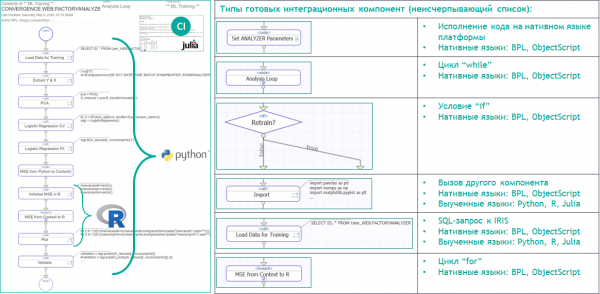
Figure 16 Ready-made components of business processes for continuous integration (CI) on the InterSystems IRIS platform
The concept of agent systems (also known as 'multi-agent systems') has a strong position in robotics, and the InterSystems IRIS platform supports it organically through the 'product-process' construct. In addition to unlimited possibilities for equipping each process with the necessary functionality for a comprehensive solution, endowing the platform processes with 'agentness' allows for the creation of effective solutions for extremely unstable modeled phenomena (behavior of social/biosystems, partially observable technological processes, etc.).
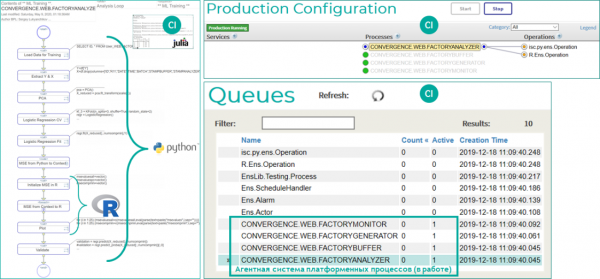
Figure 16 Operation of an AI/ML solution as an agent system of business processes in InterSystems IRIS.
We continue our overview of InterSystems IRIS with a discussion of the platform's application for solving entire classes of real-time tasks (a detailed introduction to some of the best practices in platform AI/ML on InterSystems IRIS can be found in one of our previous articles). ).
Following the previous diagram, below is a more detailed diagram of the agent system. The diagram illustrates the same prototype, showing all four agent processes, with the relationships between them depicted schematically: GENERATOR – handles the creation of data from equipment sensors, BUFFER – manages data queues, ANALYZER – performs the actual machine learning, and MONITOR – oversees the quality of machine learning and signals the need for model retraining.
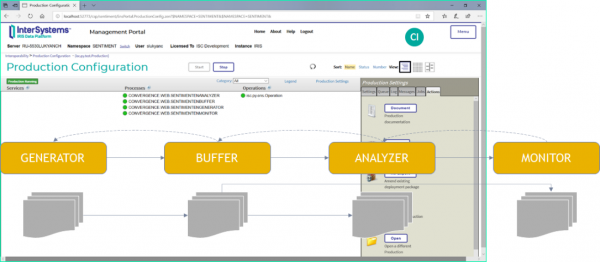
Figure 17 Composition of the AI/ML solution as an agent system of business processes in InterSystems IRIS.
The diagram below illustrates the autonomous functioning of a different robotic prototype (emotion recognition in texts) over a period of time. At the top is the evolution of the model training quality indicator (quality is increasing), and at the bottom is the dynamic quality application indicator and instances of retraining (red bars). As can be seen, the solution has effectively and autonomously retrained itself and operates at the designated quality level (the quality indicator values do not drop below 80%).
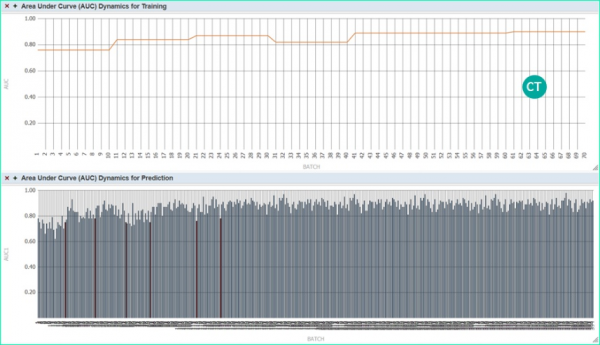
Figure 18 Continuous (self-)learning (CT) on the InterSystems IRIS platform.
We also mentioned 'auto-ML' earlier, but the diagram below details its application using another prototype as an example. The graphical layout of the business process fragment illustrates the activity that initiates modeling in the H2O stack, shows the results of this modeling (the clear dominance of the model obtained over 'handcrafted' models, according to the comparative ROC curve diagram, as well as the automated identification of 'the most influential variables' from those available in the original dataset). An important aspect here is the time and expert resource savings achieved through 'auto-ML': what our platform process accomplishes in half a minute (finding and training the optimal model) could take an expert from a week to a month.
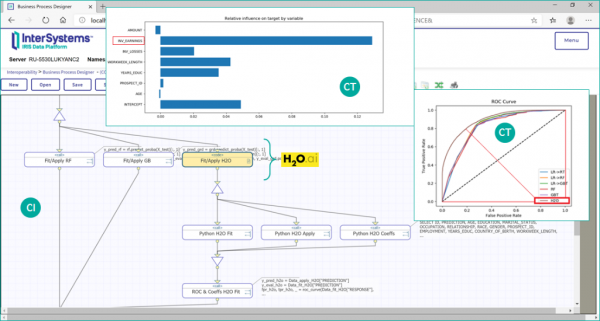
Figure 19 Integration of 'auto-ML' into the AI/ML solution on the InterSystems IRIS platform
The diagram below somewhat 'lowers the climax,' but it's a good way to conclude the discussion of the classes of real-time tasks: we remind you that despite all the capabilities of the InterSystems IRIS platform, training models under its management is not mandatory. The platform can receive an external so-called PMML model specification, trained in a tool not under the platform's management – and apply this model in real-time from the moment it is imported. . It is important to note that not all AI/ML artifacts can be reduced to PMML specifications, even though most of the most common artifacts can be adapted in this way. Thus, the InterSystems IRIS platform has an 'open loop' and does not imply 'platform bondage' for users.
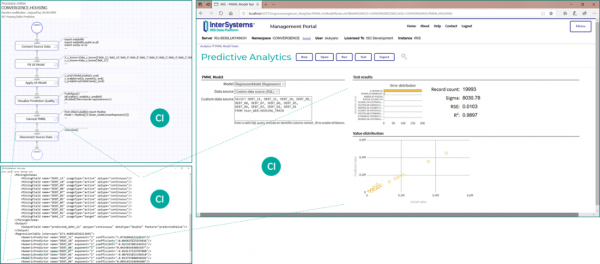
Figure 20 Integration of 'auto-ML' into the AI/ML solution on the InterSystems IRIS platform
Let's outline additional platform advantages of InterSystems IRIS (for clarity, related to managing technological processes), which are significant for the automation of real-time artificial intelligence and machine learning:
- Advanced integration tools with any data sources and consumers (APCS/SCADA, equipment, maintenance and repair, ERP, etc.)
- Built-in for high-performance hybrid transaction/analytical processing (HTAP) of any data volumes in technological processes
- Development tools for continuous deployment of real-time AI/ML solution mechanisms based on Python, R, Julia
- Adaptive business processes for continuous integration and (self-)learning of real-time AI/ML solution mechanisms
- Built-in Business Intelligence tools for visualizing data from technological processes and results of AI/ML solutions
- for delivering the results of AI/ML solutions to automated control systems (ACS)/SCADA, information-analytical systems, alert distribution, etc.
AI/ML solutions on the InterSystems IRIS platform seamlessly integrate into existing IT infrastructure. The InterSystems IRIS platform ensures high reliability of AI/ML solutions by supporting fault-tolerant and disaster-resistant configurations, as well as flexible deployment in virtual environments, on physical servers, in private and public clouds, and in Docker containers.
Thus, InterSystems IRIS is a universal platform for real-time AI/ML computing. The versatility of our platform is practically confirmed by the absence of de facto limitations on the complexity of the computations being implemented, and the ability of InterSystems IRIS to combine (in real-time) scenario processing from various industries, with exceptional adaptability of all platform functions and mechanisms to meet specific user needs.
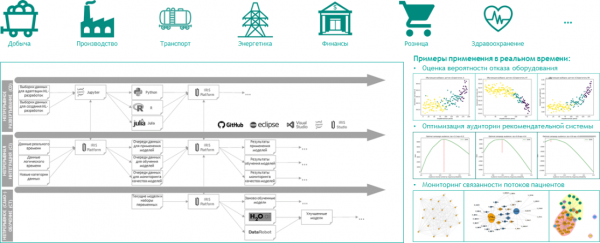
Figure 21 InterSystems IRIS — a universal platform for real-time AI/ML computing
For more meaningful interaction with those of our readers who are interested in the material presented here, we recommend not limiting yourselves to reading it and to continue the dialogue "live." We are readily available to support the formulation of real-time AI/ML scenarios specific to your company, conduct joint prototyping on the InterSystems IRIS platform, and develop and implement a roadmap for integrating artificial intelligence and machine learning into your production and management processes. Our AI/ML expert group's contact email address is .
Source: habr.com
