

We continue to discuss the features of inclusive education at Bauman Moscow State Technical University. We introduced you to the unique faculty of the GUIMC and the adapted programs that have no analogs in the world.
Today, we will talk about the technical equipment of the faculty. Smart classrooms, additional opportunities, thoughtfully designed spaces — all of this is covered in our article.
Smart Classroom of the GUIMC Faculty
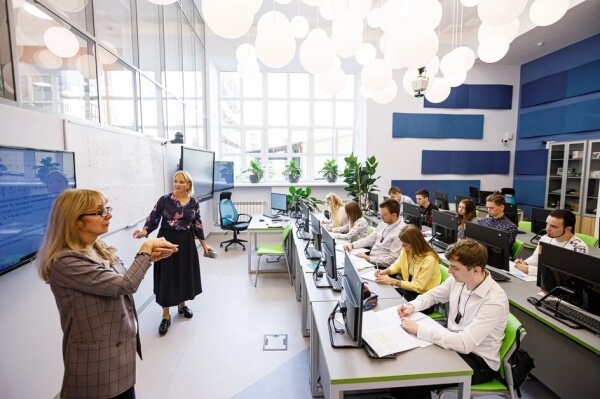
All classes for the first two years of study are held in specialized spaces. The educational complex includes: a new smart classroom, two traditional classrooms equipped with special technology, consultation zones, and a meeting room for specialists.
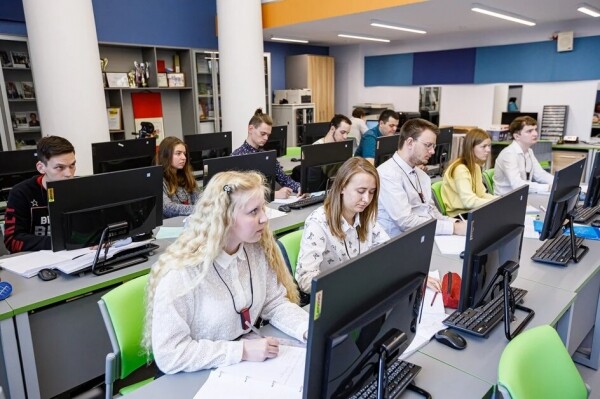
The modern classroom for lectures and seminars is a computer lab. However, it has some interesting features. In the center, there is a uniform sound field speaker that allows sound to be distributed equally loudly in different parts of the classroom. Students can also adjust their hearing aids to listen to the teacher's speech without any noise.
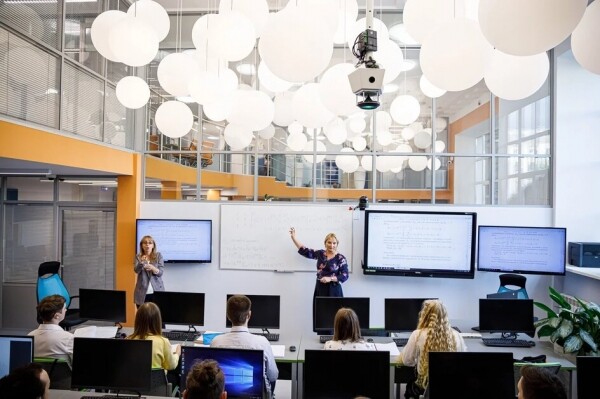
Since the classroom is 'smart', all management — from lighting to animations on the interactive board — is controlled from a tablet, the operation of which is overseen by a lab technician present at all classes.
The classroom has several options for displaying information. In addition to the interactive board, there are two screens in the room that can be used if the translator works remotely or if text support is needed.
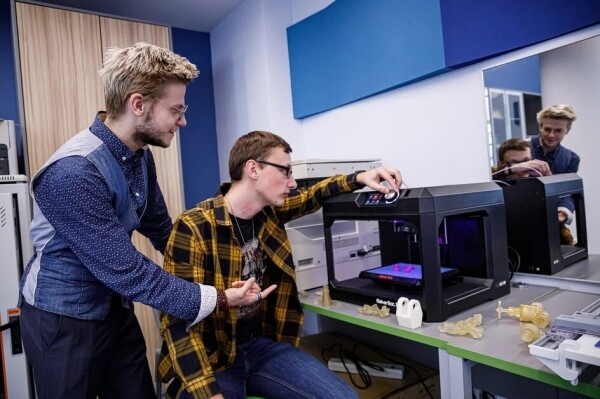
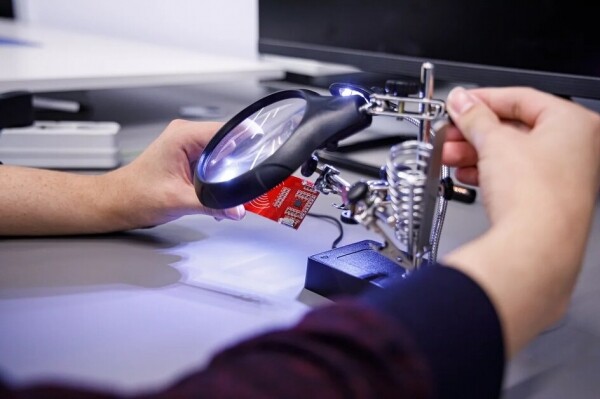
The audience also features a FabLab area, equipped with various devices: a 3D printer, a drafting table, various soldering tools, and equipment. Here, students undergo the practical part of their education. For instance, classes on engineering graphics are held in this room. After working in Autodesk Inventor, students can print the designed part on the 3D printer. This way, they have the opportunity to 'practically' verify their own work, for example, to check if a nut fits onto a bolt or to see models of created parts. People with hearing impairments may face difficulties with spatial thinking, so this opportunity greatly simplifies the learning process.
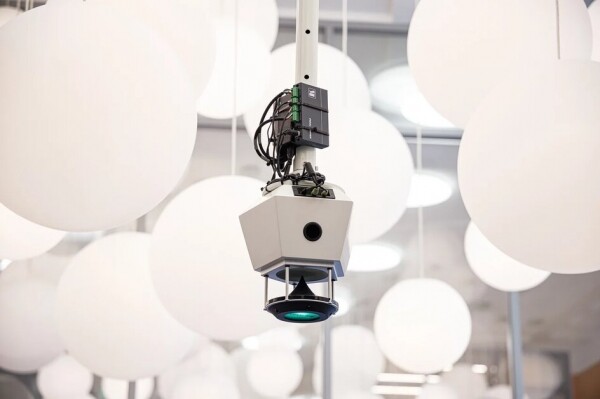
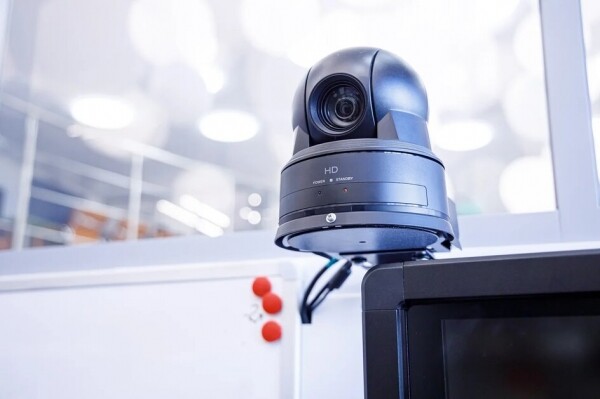
Sound-absorbing panels are installed on the classroom walls, enhancing the acoustics of the room. Above the interactive whiteboard, there is a camera that automatically records lectures and uploads the material to the student's personal account, where everyone can review the material after the class ends.
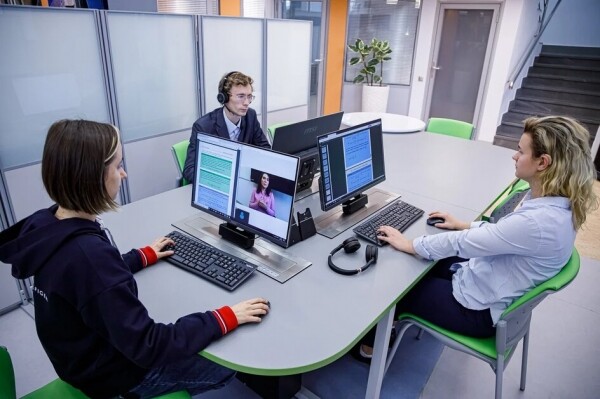
In the consultation area, students can stay after classes to complete their homework and address any challenges that arise during independent study. The space is also equipped with modern computers with the necessary software.
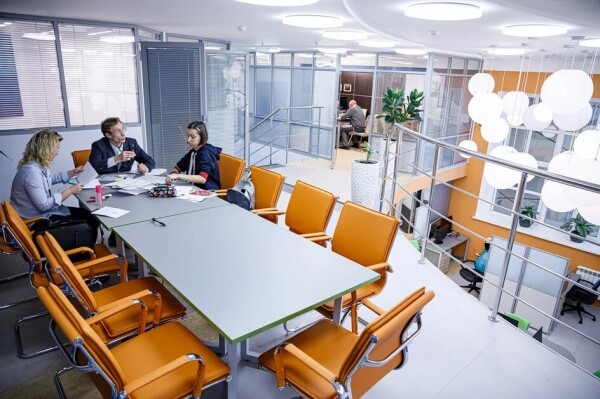
Consultations with an audiologist and psychologist are held right at the University.
At the GUIMC educational center, there is an office where consultations are conducted with various specialists. For example, a psychologist assists students in solving personal problems. Conversely, an audiologist accompanies students with individual rehabilitation devices: adjusting and maintaining hearing aids, selecting new models as needed, and making impressions for creating earpieces for different devices. During the 'consultation,' an audiogram is created using an audiometer, demonstrating which frequencies the student hears well and which ones poorly. Based on this data, the students' individual devices are adjusted.
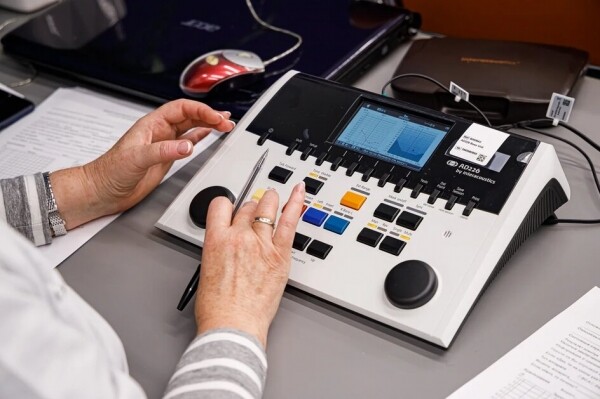
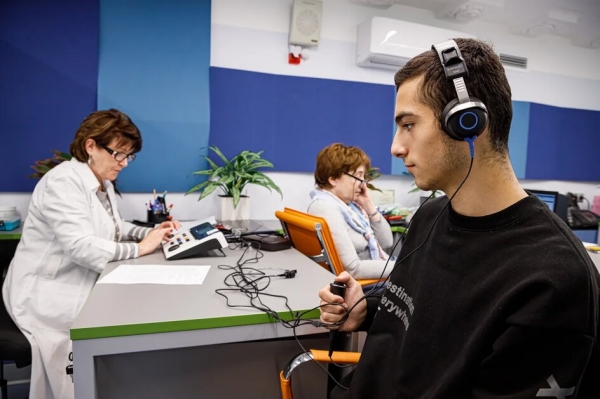
And all of this happens right at the University, so students do not need to travel to specialized centers to resolve technical issues.
Who works at the faculty?
Throughout the training, students work with both professors from the entire University and employees of the GUIMC, interpreters, and technical specialists. More details to follow.
The GUIMC instructors conduct elective courses such as auditory-speech development, semantics of technical texts, and assistive technology. The adaptive program also includes educational, professional, and social practices. In these classes, students learn how to effectively create resumes, self-presentation skills, and become acquainted with the job market while enhancing the soft skills of future engineers.
Teachers of classical subjects come from various departments and teach fundamental sciences to students, while also considering the specific needs of these groups: they read material more slowly, avoid turning their backs, and employ other 'life hacks'.
The Center also employs special tutors who provide additional math consultations for students. Any student can approach and ask a question or request help with a specific assignment.
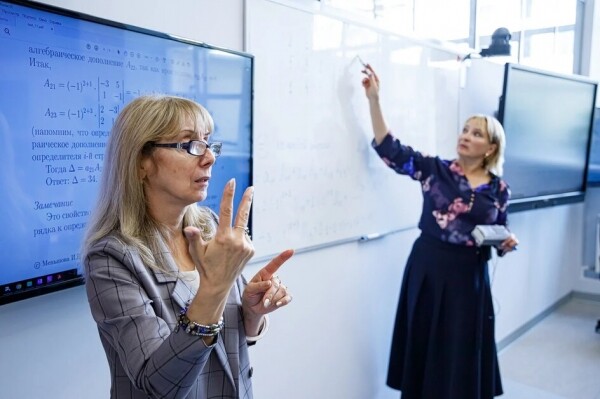
Interpreters accompany instructors during classes. The faculty currently has 13 interpreters on staff. This is the largest team among all universities where students with hearing impairments are studying. Over the years of working at Bauman MSTU, a technological base of sign language for engineering terms has even been developed. For example, the term 'diffraction' can be understood by any student of the faculty thanks to the sign language.
In the next article, we will show how student life unfolds at the faculty, discuss the employment process for graduates, and share their successes. Stay with us and don't miss the release of new articles!
Source: habr.com
