

The colleagues from the PR department have been collecting cases for several years, showcasing the use of our corporate-class equipment. A significant portion of these projects is in the hospitality sector. This is due to the fact that this field is one of the key components of TP-Link's project direction, as well as the fact that such cases often turn out to be the most interesting from a professional standpoint.
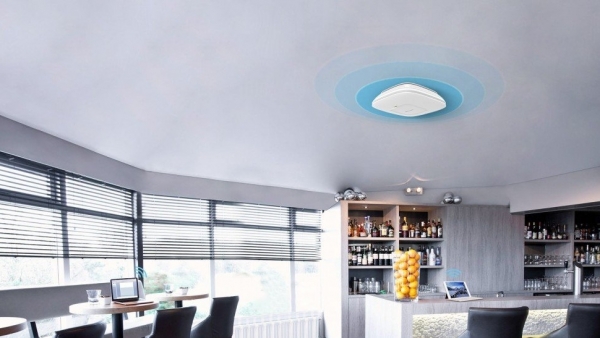
Typical requirements from hotels
Essentially, most hotels seek solutions to the same set of challenges:
- Ensure Wi-Fi coverage in rooms and outdoor areas to guarantee a positive user experience.
- Implement customer authentication (and reduce network load by blocking unauthorized clients).
- Organize the display of advertising and promotional content, plus preliminary data collection for preference analysis.
- Provide simple centralized management and cost-effective network maintenance.
The topology of such a network using TP-Link equipment can look as follows:
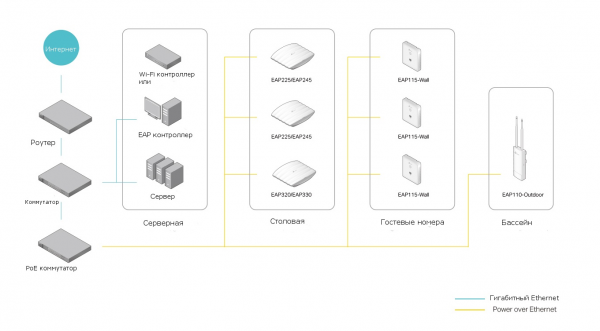
The choice of models may vary depending on budget and goals, but the overall principle remains consistent. In the past, we prepared , making it easy to navigate TP-Link's product range for such projects.
By studying reviews of European resort hotels, one can notice that quality internet is rarely found in them. In Russia, the situation is generally better, although not everywhere. Moreover, we have one of the lowest for the internet in the world.
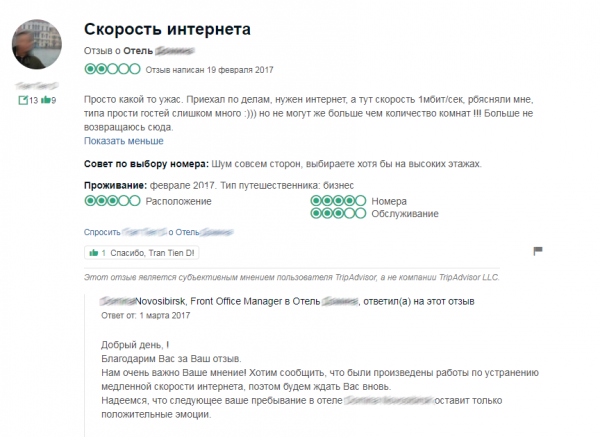
For this post, we retrieved and commented on a couple of typical cases from the archive, which form the routine of the project department both in Russia and abroad. There won't be many technical details here, as we previously discussed network architecture and technologies in our earlier articles. This time, we will keep it brief.
Example #1 – Solution with a hardware controller
Izmailovo Hotel Complex in Moscow, Gamma and Delta hotels (3 and 4 stars).
2,000 double rooms, 360 access points.
This is one of the unique hotel complexes in Moscow, built for the Summer Olympics in 1980 and ranks among the top five largest hotels in the world.
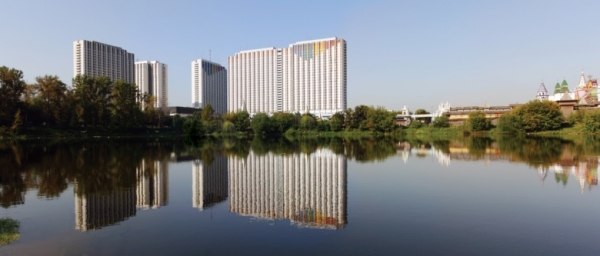
Currently, the Gamma and Delta hotels, located in the same building, are undergoing floor-by-floor renovations, during which the network infrastructure is being upgraded, including the installation of new Wi-Fi access points.
To find optimal locations for the access points, we conducted a radio survey of one of the hotel floors. The customer then tested solutions from different vendors in the lobby. As a result, the hotel management chose our equipment.
In the radio planning phase, we considered two options: placing access points in the hallways (1) and inside the rooms (2).
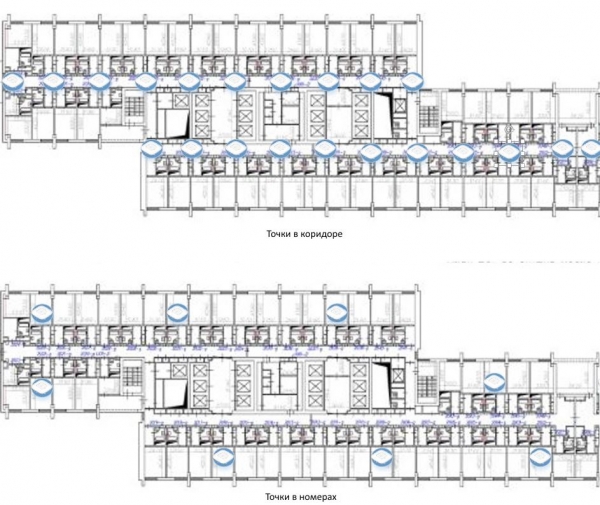
Based on the survey results conducted together with the customer, we selected the option of placing access points in the rooms. In this case, reliable Wi-Fi reception was maintained in the 2.4 and 5 GHz ranges with a signal no lower than -65 dBm, as specified in the customer's requirements, significantly reducing the number of access points per floor.
After the installation of the access points, we conducted an additional survey to ensure that everything was correctly configured, the coverage and speed requirements were met, and the customer's necessary services were functioning properly. In implementing such projects, we, as a vendor, provide clients with full pre-sales and ongoing support, as well as recommendations for configuration.
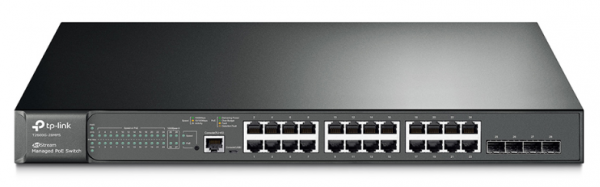
T2600G-28MPS switch
The access points in this project were managed by the switches and two controllers , each capable of managing 500 points.
Example #2 – Solution with a software controller
Al Hayat Hotel Apartments in the UAE.
4 stars, 85 rooms, 10 suites
The hotel has infrastructure for business meetings, family vacations, and international tourism. During the network modification, the management decided to focus on high-performance solutions aimed at supporting mass viewing of HD videos (as we all understand, services like Netflix are increasingly replacing even cable television).
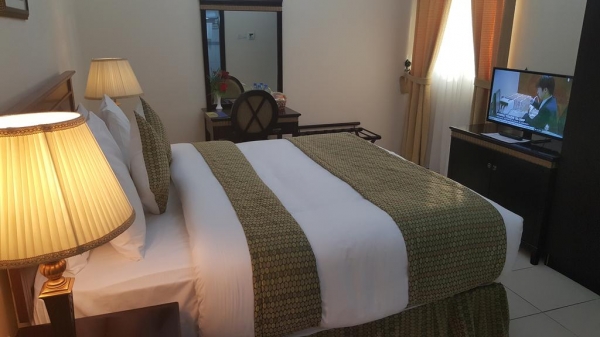
The environment is more home-like. The internet should also be 'like home'.
The main difficulty was the inability to install separate access points in each room – management required them to be placed in the hallways. Another issue concerned Wi-Fi coverage in two-bedroom suites. As a result, the hotel administration presented us with the following list of requirements:
- On coverage: signal availability in any part of each room, absence of 'dead spots', especially in two-bedroom suites.
- On capacity: 1500 devices connected simultaneously.
- On centralized management: a simple and efficient management interface that would allow administrators to easily monitor and manage the Wi-Fi network while requiring no additional training for specialists.
- On aesthetic design: all visible network devices must match the existing interior of the hotel.
- On performance: support for high data transfer rates for mass viewing of HD video.
Based on the radio survey conducted and our coverage heat map of the hotel, we calculated that in this case, fast and seamless coverage could be provided by 36 ceiling access points. . Two switches connect the access points, ), each of which can connect and power up to 24 EAP points.
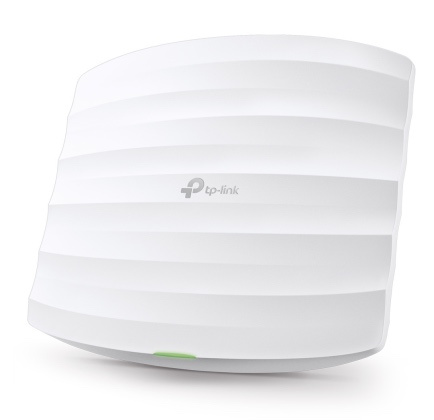
The points receive power through the network cable (Power over Ethernet), which reduces costs on power cable installation and, again, helps preserve the interior. The presence of dual-band access allowed for the separation of 'heavy' HD clients and less demanding user devices.
Management is implemented through our free . Thanks to it, staff have the ability to centrally manage settings (for example, setting maximum priority for the electronic ordering and billing service traffic, whereas previously network loading could impede these processes) and monitor the network.
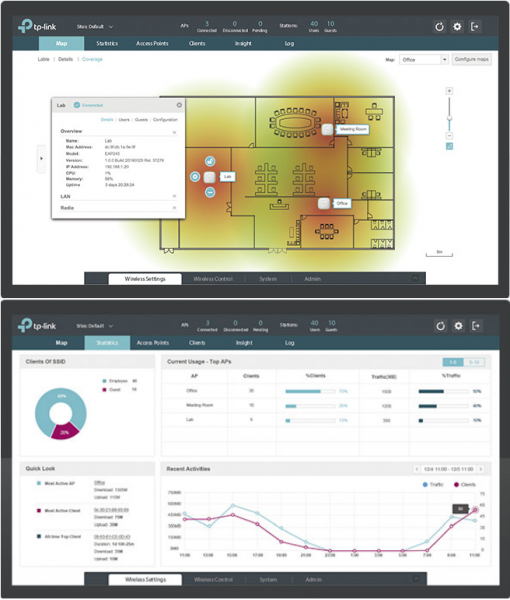
Key features of the EAP Controller (Omada Controller):
- Monitoring and managing multiple EAP access points across various sites
- Configuring and automatically synchronizing Wi-Fi settings for all access points
- Customizable guest authentication through an authentication portal
- Bandwidth limitation and load balancing at the individual client level
- Access control for protection against network threats
Summary
These cases cover several typical situations that hotels face when upgrading their networks. All of them can be resolved with our standard product lines designed specifically for the hospitality industry. For example, they can be used for user authentication via a guest portal, regulate the bandwidth of specific devices, and create policies for its distribution. Most of them can be easily managed with our software suite. (Omada Controller), which requires no additional training for specialists and is intuitive.
Another point. Hotels always strive to provide guests with a service that guarantees a peaceful stay. Gaining access to the internet through a public network should be both simple and compliant with current legislation – thus, EAP and CAP access points allow guests to undergo SMS authentication using services like Wi-Fi Now and Twilio, as well as social media authentication through Facebook (suitable for countries where identity verification is not required in public networks). This does not require the installation of any add-ons – all functionality is already built into the web interface of both controllers.
Source: habr.com
