

The drop in the prices of major cryptocurrencies has led to mining profitability approaching zero. However, GPU-based farms can gain a second life and once again serve their owners as a source of income. The startup Vectordash has developed a fantastic technology that allows farm owners to lease their power for the operation of a gaming streaming service, which, due to its geographical distribution, offers players lower latency compared to the offerings of well-known competitors.
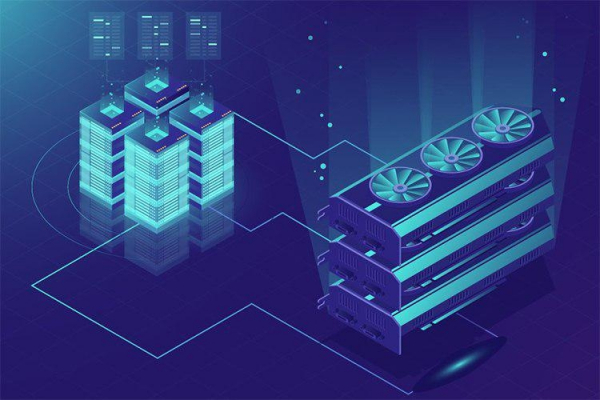
Video games are becoming an increasingly popular pastime, but in many cases, modern and high-quality projects require expensive hardware—CPU and GPU. This barrier can be overcome by cloud gaming services that execute game code and perform image rendering on their own specialized servers, streaming only a personalized video feed to client devices. Thanks to this technology, even owners of relatively weak systems, such as non-gaming laptops, can access the world of modern resource-intensive games.
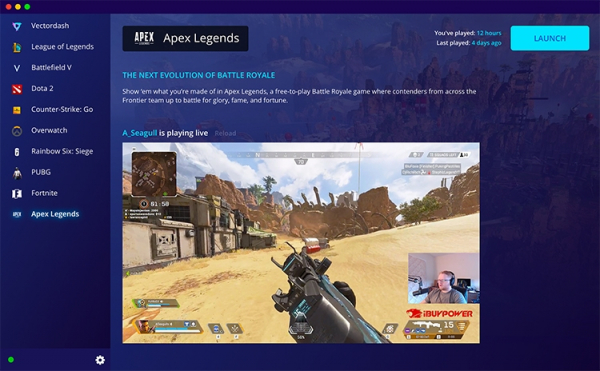
While streaming gaming services cannot boast widespread adoption, mainly due to noticeable latency occurring on the signal path from the client computer to server and back, which negatively affects the overall experience. However, the promising startup Vectordash proposes enhancements to the technology that reduce annoying delays. The idea is to use geographically distributed computing power for rendering, which can be provided by users themselves, and to select the closest server devices for each client (ideally within a radius of 400–500 km). Vectordash suggests using farms left over from the cryptocurrency boom or similar architectural configurations as such server devices. This approach should allow reducing latency below the critical level of 20-30 ms.
In fact, the Vectordash service allows GPU farm owners to rent out their idle capacities to owners of low-performance computers so they can use them for gaming. This model appears quite viable, as Vectordash plans to pay between $60 and $105 per month per graphics card to the farm owners (depending on the hardware performance). The service intends to generate income from the players — the capacity renters, whose monthly subscription will cost $28.
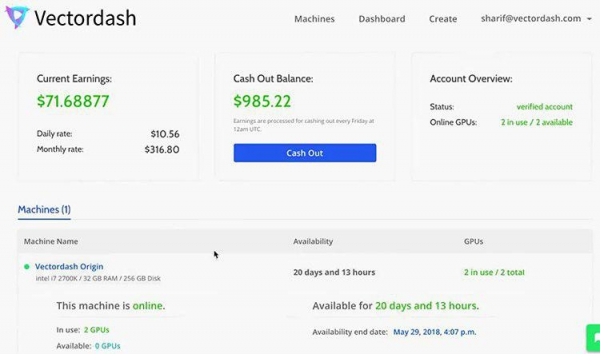
As the developers themselves say, their offer is more profitable for farm owners than cryptocurrency mining under current conditions, so there should be no shortage of those willing to provide capacity for gaming purposes.
You can evaluate how the service works on the client side by watching the following video, where Apex Legends is running on a 13-inch Apple laptop. The frame rate hovers around 100 FPS despite using the native Retina resolution, and the latency does not exceed 20 ms.
Here’s Apex Legends being played on a 13” Mac.
At ~100 FPS.
With high settings.
At Retina resolution.
With less than 20 ms of latency. https://t.co/6ll4Hw3W51 pic.twitter.com/h1ZExQYtwm— Sharif Shameem (@sharifshameem) March 10, 2019
It should be emphasized that unlike most cloud gaming services, Vectordash technology is not limited to a specific list of games. Users can run any games from their Steam library on the 'cloud' GPUs without the need for installation. With a stable internet connection, Vectordash promises its clients quality gameplay at 60 frames per second in 1080p and 4K resolutions.
Currently, the Vectordash service is in early access and offers its services only to users on the east and west coasts of the USA. However, the company aims for widespread adoption of its technology in the future.
Source: 3dnews.ru
