

During the Zen5 Tech Day event, details about desktop processors were revealed. and mobile chips , AMD also shared plans regarding the release of future architectures — Zen 6 and Zen 6c.
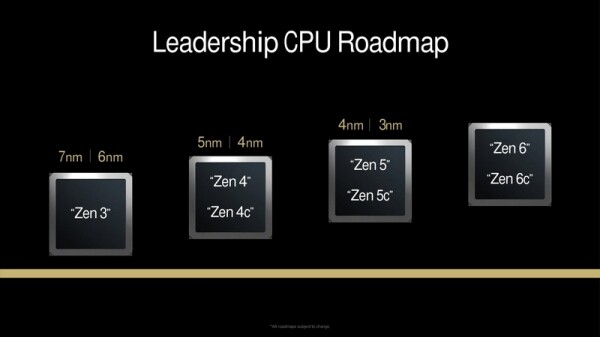
AMD did not provide even approximate timelines for the announcement of products based on Zen 6 and Zen 6c, nor did it disclose what technological processes will be used for the production of these products. However, this is the first time the company has publicly confirmed that Zen 6 will succeed Zen 5. AMD's CTO, Mark Papermaster, confirmed that the company is already working on the Zen 7 architecture. Like with Zen 6, this is being done by a separate team of engineers.
Statements from AMD make it clear that the Zen 6 and Zen 6c architectures will debut on the Socket AM5 platform. However, whether this platform will support Zen 7 chips or if this architecture will work with entirely new boards is unknown. AMD has confirmed that it will support Socket AM5 until 2027 and beyond, ensuring compatibility for at least five years.
"We would like to clarify one of the comments made during the engineering roundtable. At that time, Joe mentioned that the AM5 platform would support four generations of CPUs. As we previously announced at Computex, we are committed to supporting the AM5 platform until 2027 inclusive," the AMD press office stated.
There are 41 months left until the end of 2027. The transition from Zen 4 to Zen 5 took the company 22 months. If AMD intends to adhere to the same cycle of launching new architectures, then Zen 6 will receive AM5 support, while Zen 7 may debut on a new platform.
According to ComputerBase, the next-generation platform (likely named AM6) is expected to be introduced alongside the transition to DDR6 RAM and PCIe 6.0 interface.
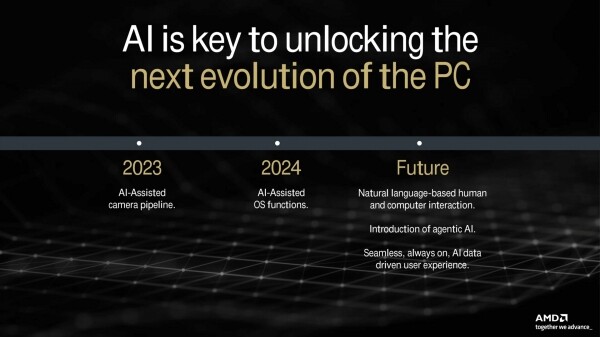
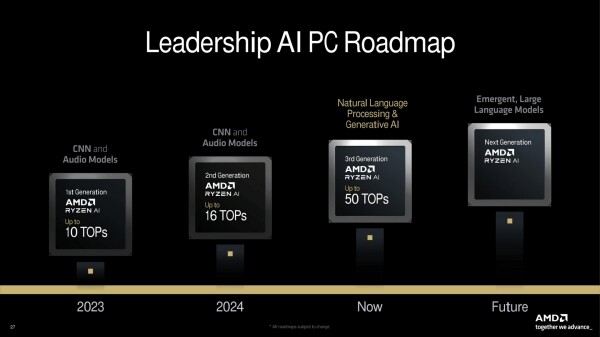
There are no official details available about the Zen 6 architecture. According to rumors, processors based on it will also feature integrated graphics using the new RDNA 5 architecture. This latest architecture is expected to deliver a significant performance boost compared to RDNA 2, which is used in the latest Ryzen 9000 desktop processors. The new architectures will also focus on accelerating AI tasks: the emergence of agent-based AI, continuous access to AI functionalities, support for large language models, and more is anticipated.
Sources:
Source: 3dnews.ru
