

The debate over who consumes more energy — neural networks or the human brain — took an unexpected turn. Sam Altman stated that a correct comparison should consider not only brain function but also millennia of evolution and all the calories consumed by a person before reaching intellectual maturity.
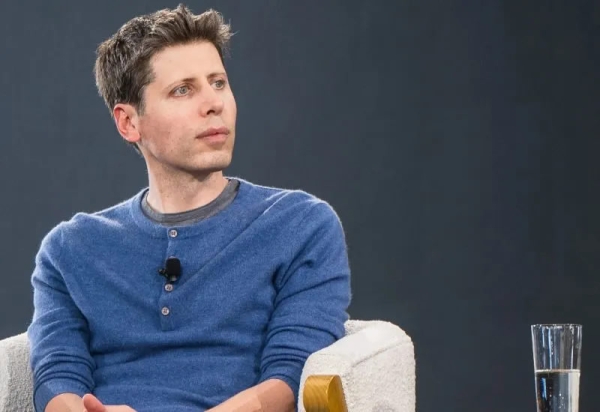
The head of OpenAI spoke at an event organized by The Indian Express, making an ambiguous statement regarding the energy efficiency of artificial intelligence. During a one-hour Q&A session, reports Tom’s Hardware, Altman responded to criticism regarding the high energy consumption of neural networks. He expressed the opinion that direct comparisons between the energy spent by AI models in generating responses and the costs of the human brain in thought processes are unfair. According to the entrepreneur, such assessments ignore the vast amount of prior investments in the development of human intelligence.
Altman argued his position by stating that becoming a rational human being requires about 20 years of life and the consumption of all associated food during that time. "People talk about how much energy is needed to train an AI model… But training a person also requires a lot of energy. It takes about 20 years of life and all the food you eat during that time before you become intelligent," Altman wrote on X.
Only after going through this long phase of biological maintenance can a person become capable of complex intellectual activities, Altman says. Additionally, he suggested including in this calculation the evolutionary path of a hundred billion people who fought for survival and accumulated scientific knowledge. If we sum all these biological and historical energy costs, then modern artificial intelligence systems can already be considered comparable or even more efficient in terms of resource expenditure, he concluded.
This logic has raised skepticism among several observers and industry experts. Critics point out that OpenAI's technologies did not emerge in a vacuum and are themselves products of human intellect, which relied on the same evolutionary advancements and historical breakthroughs, such as those related to the creation of the first computers. Some commentators even saw signs of dehumanization in Altman's words, as he reduced the processes of childhood, maturation, and learning to purely utilitarian energy metrics. Despite the contentious rhetoric, during the same speech, Altman emphasized the importance of transitioning to sustainable energy sources so that major tech players stop competing with the population for limited resources.
Source:
Source: 3dnews.ru
