

The release of the JingOS 0.9 distribution has been published, providing an environment specifically optimized for installation on tablets and laptops with touch screens. The project is developed by the Chinese company Jingling Tech, which has a representation in California. The development team includes employees who previously worked at Lenovo, Alibaba, Samsung, Canonical/Ubuntu, and Trolltech. The size of the installation image is 3 GB (x86_64). The project's developments are distributed under the GPLv3 license.
The distribution is built on the Ubuntu 20.04 package base, and the user environment is based on KDE Plasma Mobile 5.20. Plans include transitioning to a custom shell JDE (Jing Desktop Environment). For creating application interfaces, Qt, the Mauikit component set, and the Kirigami framework from KDE Frameworks are used, allowing for the creation of universal interfaces that automatically scale according to different screen sizes. Touch gestures such as pinch-to-zoom and swipe for page transitions are actively used for control on touch screens and touchpads. Multitouch gestures are supported.
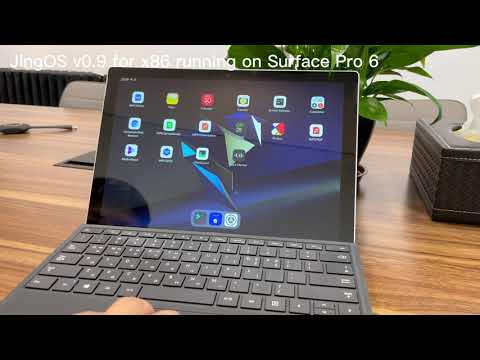
For testing JingOS, developers use the Surface Pro 6 and Huawei Matebook 14 tablets, but theoretically, the distribution can work on any tablets supported by Ubuntu 20.04. OTA updates are supported to keep the software up to date. In addition to the standard Ubuntu repositories and the Snap catalog, a separate app store is offered for installing applications.
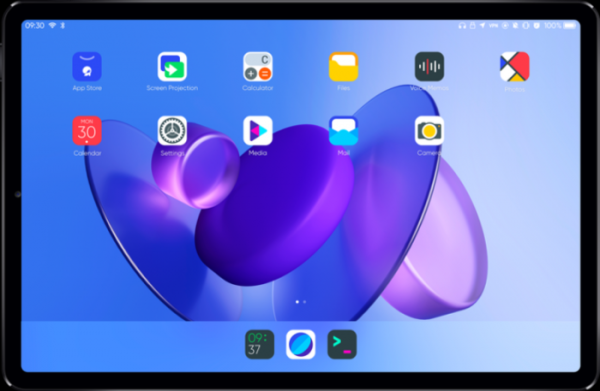
Components being developed for JingOS:
- JingCore-WindowManager, a compositing manager based on KDE Kwin, enhanced with support for gesture-based control and features specific to tablet PCs.
- JingCore-CommonComponents — an application development framework based on KDE Kirigami, including additional components for JingOS.
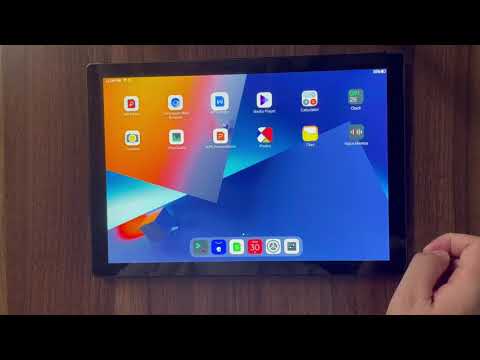
- JingSystemui-Launcher — a basic interface based on the plasma-phone-components package. It includes the implementation of the home screen, dock panel, notification system, and configurator.
- JingApps-Photos — an application for managing photo collections, based on the Koko application.
- JingApps-Kalk — a calculator.
- Jing-Haruna — a media player based on Qt/QML and libmpv.
- JingApps-KRecorder — a sound recording application (voice recorder).
- JingApps-KClock — a clock with timer and alarm functions.
- JingApps-Media-Player — a multimedia player based on vvave.
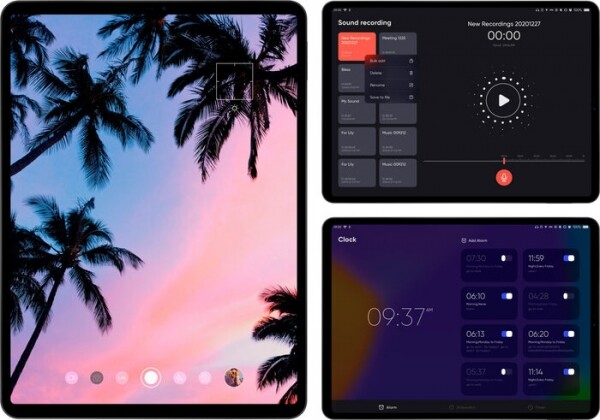
The new release is notable for its continued optimizations for touch screens, tools for working in multiple languages (including through a virtual keyboard), automatic adaptation of the interface layout based on screen parameters, and the addition of extra settings (desktop wallpapers, VPN, time zone, Bluetooth, mouse, keyboard, etc.), new visual effects, and integration in the file manager for working with compressed data.
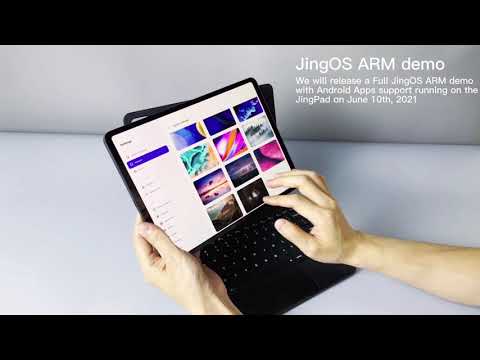
An advanced environment is being developed for the ARM platform, allowing not only desktop applications like LibreOffice but also applications created for the Android platform. A hybrid environment is proposed, where programs for Ubuntu and Android run side by side. The formation of builds for ARM and support for Android applications is promised to be implemented in the upcoming release of JingOS 1.0, scheduled for June 30.
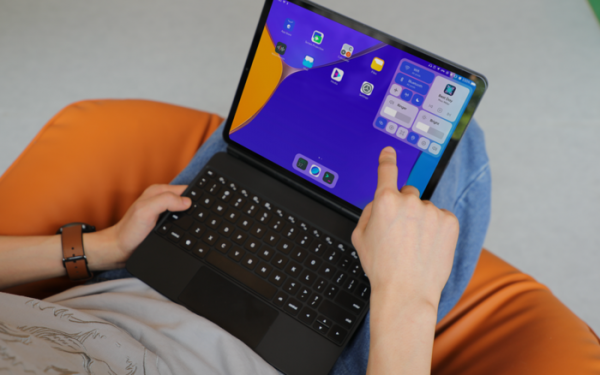
Simultaneously, the project is developing its own JingPad tablet, which comes with JingOS and utilizes ARM architecture (UNISOC Tiger T7510, 4 Cortex-A75 cores at 2GHz + 4 Cortex-A55 cores at 1.8GHz). The JingPad features an 11-inch touchscreen (Corning Gorilla Glass, AMOLED 266PPI, 350 nit brightness, 2368×1728 resolution), an 8000 mAh battery, 8 GB of RAM, 256 GB of Flash storage, 16-megapixel and 8-megapixel cameras, two noise-canceling microphones, 2.4G/5G WiFi, Bluetooth 5.0, GPS/Glonass/Galileo/Beidou, USB Type-C, MicroSD, and a detachable keyboard transforming the tablet into a laptop. Notably, JingPad will be the first Linux tablet shipped with a stylus that supports 4096 levels of sensitivity (LP). The beginning of deliveries for pre-orders is scheduled for August 31, while mass sales will start on September 27.
Source: opennet.ru
