

According to several sources within Intel, the company laid off a significant number of information technology workers across various divisions this week. The number of layoffs was reported to be in the hundreds, according to informants. Intel confirmed the layoffs but declined to explain the reasons for the cuts or specify the number of people who lost their jobs.
"Changes to our workforce are driven by the needs and priorities of the business, which we continuously evaluate. We strive to treat all departing employees with professionalism and respect," the company responded to a request from The Oregonian.
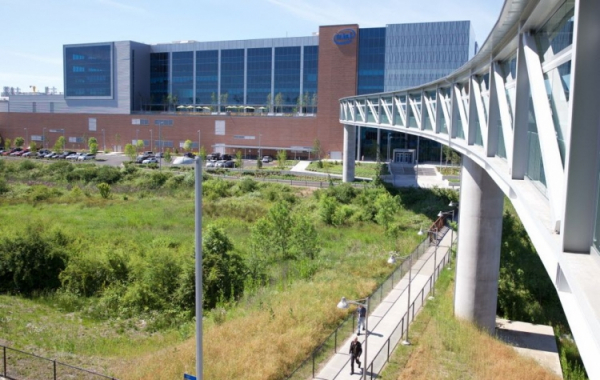
The layoffs occurred across different company divisions, including the center located in Oregon, which employs 20,000 workers. One informant stated that the layoffs in Oregon were proportional to those happening elsewhere. Reports indicate that the cuts also affected Intel facilities in the U.S. as well as an administrative site in Costa Rica.
Despite forecasting no sales growth for 2019, company employees stated that the layoffs this week were not solely aimed at cutting costs: it appears this move reflects broader changes in Intel's approach to its internal technical systems. Intel had previously relied on multiple contractors for managing information technology. According to an internal document obtained by The Oregonian, Intel will now consolidate these tasks under a single contractor — the Indian technology giant Infosys.

As the number of contractors decreased, Intel now requires fewer managers to oversee these hired workers. Information technology (IT) specialists typically do not develop new technologies but play a crucial role in managing internal systems. Their work is especially vital in tech companies like Intel, which depend on IT experts to ensure the security and smooth operation of their systems.
The wave of layoffs that occurred this week is one of the most significant for Intel since 2016, when the company cut 15,000 employees, either laying off specialists or offering early retirement. At that time, Intel was preparing for a long-term decline in its core business—microprocessors for PCs and laptops. Since then, the company has successfully expanded its presence in other markets, especially in the sector data processing centers. By the end of 2018, the total number of Intel employees worldwide reached 107,400.
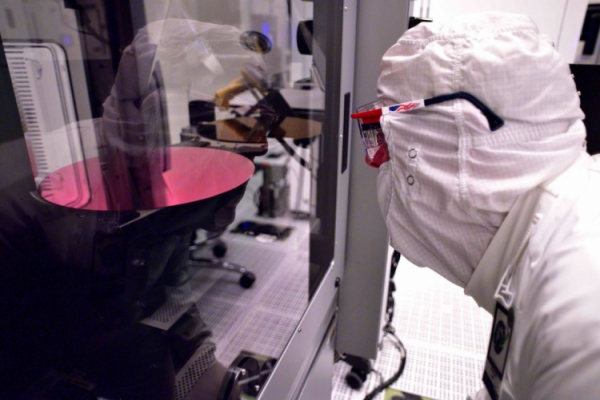
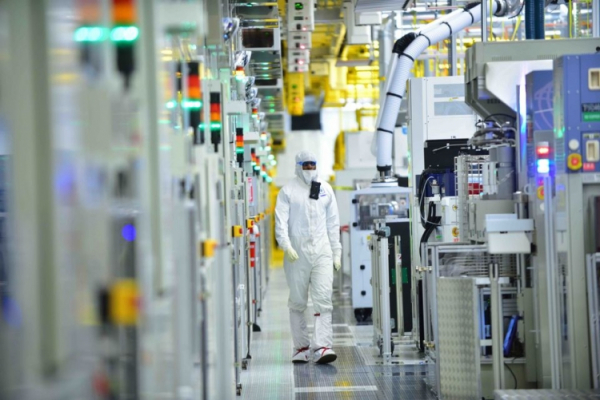
Intel is now preparing for a massive transition to new 10nm manufacturing norms and plans to build several multibillion-dollar factories in Oregon, Ireland, and Israel. In the coming years, Intel aims to create 1,750 new jobs in Oregon as the company completes the third phase of its massive research facility in Hillsboro, known as D1X.
Source: 3dnews.ru
