

The release of MicroPythonOS 0.0.11 has been published, which develops an operating system for microcontrollers like the ESP32, created using MicroPython tools. The operating system is equipped with a graphical interface, developed with inspiration from Android and iOS, and supports touch screen control. MicroPythonOS is applicable in areas such as Internet of Things (IoT) devices, home automation systems, interactive panels, robots, and smart wearables with gesture control. The project can also be used for rapid prototyping of new devices. The code is written in C and Python and is distributed under the MIT license.
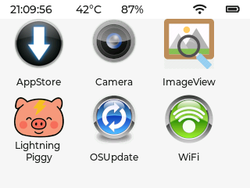
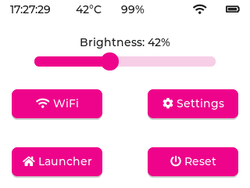
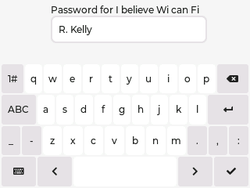
The architecture of MicroPythonOS is based on using a minimal core system responsible for initialization and hardware interaction, mounting drives, multitasking, and the user interface. All additional functionality, such as Wi-Fi configuration and updates, is handled through applications. Applications are recommended to be developed using the MicroPython language and a subset of Python libraries.
Key features of MicroPythonOS:
- Quick application and driver development using MicroPython tools (a version of Python 3 for microcontrollers, provided with a reduced set of libraries).
- Support for running on both ESP32 microcontroller boards and standard PCs or Linux boards like Raspberry Pi with Raspbian.
- A graphical interface with gesture control.
- A set of built-in applications (application menu, configurator, Wi-Fi setup widget, application installation and update program).
- Support for installing external applications distributed through a centralized App Store (for instance, an image viewer and camera application).
- Installation and delivery of updates over the network in OTA (over-the-air) mode.
- Support for Wi-Fi, Bluetooth, IMU (Inertial Measurement Unit) sensors, and cameras.
- System optimization for operation on resource-constrained devices. Very fast boot-up.
Source: opennet.ru
