

The Birth of a Legend
Historically, the dominant operating system worldwide has been the Windows OS family from Microsoft. The superiority of a particular operating system was also historically predetermined. If the Soviet Union had not collapsed in the late 90s, a completely different operating system would still be in use over 1/6 of the Earth's land and in many other places. One could joke for a long time about 'CheburNet,' but having its own software is a fundamental requirement for national security in any superpower. But that's not our topic today.

The fact is that one of the founders of Microsoft, Bill Gates, found himself at the epicenter of the 'Big Bang.' Fortuitous circumstances, talent, and the ability to conduct business across the entire spectrum of possibilities (and no one claims that all of them were high-moral from an ordinary person's perspective) made him one of the richest people on the planet. And publicly known, which is equally important. However, the rich and public figures are generally not well-liked. Especially since the Windows operating system, as a mass, complex, and dynamically evolving product, has delivered and continues to deliver many unpleasant surprises to its users.
But that's not the focus of today's discussion either. What we need to remember today is that Gates essentially became wealthy off the population of the Earth. He reached into everyone's pockets! And it would hardly be a strong exaggeration. Even if we ignore the fact that Windows has never been free, since the spring of 2011 Microsoft began charging licensing fees, notably from manufacturers of smartphones and tablets running Android. For example, in just one year, 2014, Microsoft earned $3.4 billion from patents related to Android. This means that the population indirectly, but steadily, funneled significant amounts of money to Microsoft and Gates.
However, in 2018, the company made Android patents and has almost stopped receiving earnings from their use. But this is also an ominous hint — it was in 2018 that Microsoft openly and decisively embraced "Open Source": acquiring GitHub, joining organizations that protect against patent trolls, and so on. The company wisely figured that open projects would ultimately reach even more people. Isn't this a path to global dominance? Do you notice how everything falls into place?
The main events occurred quite recently. In mid-March of this year, just hours after President Trump declared a national emergency in the U.S. due to the coronavirus pandemic, Gates unexpectedly announced his departure from the Microsoft board of directors. All these coincidences, his years of philanthropic focus on combating epidemics, along with his position as a leader within the so-called "golden billion," played an unfortunate joke on the perception of Bill Gates. Many citizens began to view him, his philanthropy, his notoriety, and his attitude towards pervasive computerization with increasing suspicion. Furthermore, Gates was even accused of being behind the emergence of the coronavirus pandemic, of plans for microchipping, and even the extermination of the vast majority of humanity.
In fact, accusations against Bill Gates of having sinister intentions began long ago, not just now, as seen in the sensational comments of Nikita Mikhalkov. This is connected to the fact that Gates, with his money and connections, has firmly embedded himself in the pharmaceutical sector, particularly in the area of vaccinations. This aligns well with his business practice — reaching every individual. Has he crossed someone’s path? Yes, he has. Is there any benefit to ordinary people from this? Yes, there is. According to some estimates, 1.5 million people, primarily children, die each year from a lack of vaccinations. This is a reality and a tragedy, but it is something that can and must be addressed.
Do not harbor illusions that such things only happen in the depths of Africa. The example of the spread of measles in Europe last year speaks for itself, and globalization suggests that in the absence of vaccinations or a vaccine, a pandemic is merely a matter of time. So should we be surprised by Gates' publicly voiced concerns that a pandemic as a threat to humanity's survival may become a more likely scenario than nuclear war? Perhaps he simply knew too well about the situation in American healthcare and wanted to speak out before the true state of affairs was revealed by the coronavirus pandemic. However, in other countries, with a few exceptions, the situation turned out to be not much better, and the problem is clearly far from being resolved.

Thus, at the core of Bill Gates' activities outside Microsoft likely lie two interrelated interests: the survival of humanity as a biological species and money (more broadly, resources for living and acting). One is inseparably linked to the other. Bill Gates may indeed be sincere in his desire to save lives (why not?), but that does not prevent him from being a businessman and planning expansion, whether he is a patriot or a globalist. Gates' personality is characterized by the fact that he has become a figure of global significance, making him a convenient target for conspiracy theories and smoothly leading us to the idea of this article.
Thus, one of the current modifications of the conspiracy theory involving Bill Gates, which was revealed at the end of April, the "First Channel," accusing Gates of active participation in a conspiracy of the world elites aimed at either destroying nearly all of humanity, except for the "golden billion," or chipping citizens en masse for control by a "world" government. From this perspective, the pandemic is merely a pretext or, in fact, a deliberately induced phenomenon for implementing far-reaching sinister plans.
Nikita Sergeevich Mikhalkov added fuel to the fire of this story. In early May, during his regular authorial program, he openly accused Gates of intending to chip citizens under the guise of vaccinations. We cannot judge the successes or failures of Bill Gates' structures in the field of vaccination, but as an IT resource, we know a thing or two about 'chipping,' specifically what technologies the 'evil genius' Bill Gates might possess and whether such technologies even exist.
The Practice of Chipping Today
To begin with, it is worth noting that the practice of chipping living organisms has actually been around for nearly forty years. Moreover, the very idea is not new—it dates back hundreds and even thousands of years. Slaves and livestock were branded for property identification. Even the word 'mark' in the Russian language carries a negative connotation, not to mention chipping. However, this pertains to people. No one asks pets—they've been chipped for a long time, allowing for databases to be maintained regarding their population and health status, as well as fairly reliably identifying domestic animals. For example, tracking vaccination schedules can be done automatically or semi-automatically. This is simpler, more reliable, and cheaper.
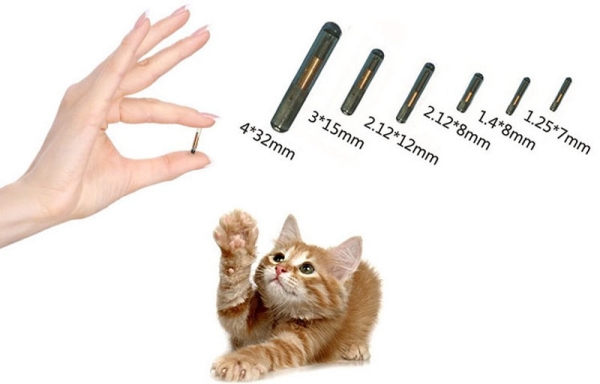
As a result, the cost of maintaining livestock decreases, enabling owners to earn more, while the market for chipping and related services also grows, providing income opportunities for others as well. Today, the market for chipping animals reaches several billion dollars a year.
Is it possible to chip people with animal tags? Yes, but for the global cabal, regardless of what everyone thinks about it, there is no practical reason for this, and here's why. The common type of radio frequency (RFID) tags used for chipping animals consists of a simple design featuring a transmitter-receiver with an antenna and a memory chip that typically holds a few tens, occasionally up to a hundred bits. The tag has no independent power source and receives power via a radio channel from the RFID scanner — the electromagnetic field induced by the scanner charges a capacitor in the tag. This capacitor acts as a small battery for the tag (the process is similar to wireless charging in smartphones). Essentially, it operates on the same principles as tags used for anti-theft protection of merchandise on store shelves, magnetic passes for turnstiles, and the like: there's no advanced technology involved here.
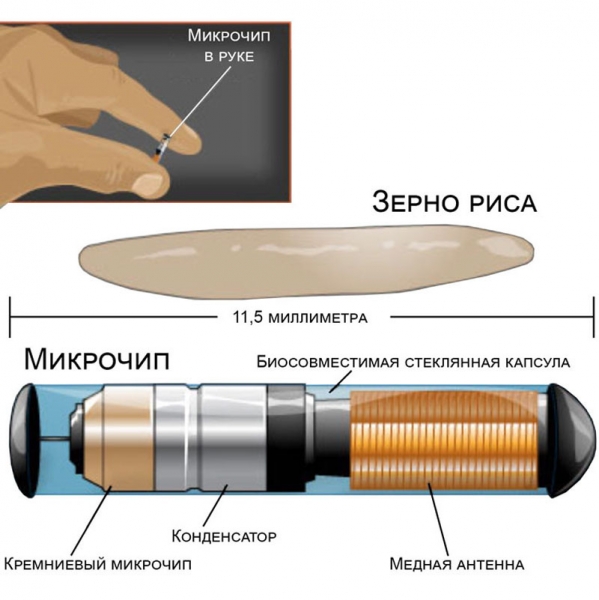
The reading range of such a tag lies between several centimeters to several decimeters and depends on the size of the tag and its antenna. Contrary to the advertisements of veterinary clinics that offer animal chipping, it’s not possible to read data from such a tag from a long distance, nor can it be used to track and find a lost animal. An animal can only be uniquely identified if three conditions are met: the animal is captured, the receiving party has an RFID scanner, and the animal's data (tag) is registered in one of the popular thematic databases.
The cost of a single radio frequency tag in wholesale batches ranges from about 10 to 90 cents, while the procedure for implanting such a tag into the tissues of a pet can cost around 2,000 rubles. The practice of chipping with such RFID tags can indeed become a widespread phenomenon at an affordable price. However, there is a caveat: the procedure is done using a syringe-like device with a very thick needle, through which the chip is inserted into the tissues. There can be no talk of a discreet introduction of the tag; if you approach a person with such a "syringe," it's fortunate if the patient only experiences a fright and doesn't actively resist.
But let's suppose the unimaginable happens — a citizen is indeed chipped with an RFID tag. The maximum amount of information that can be 'embedded' in it is an arbitrary number (usually up to 8 characters long), the country code, and the manufacturer's code of the tag. Moreover, the information cannot be read remotely. It's also impossible to locate such a citizen from space. Even keeping the reading procedure a secret is out of the question. Everything would be revealed as soon as people with RFID scanners start showing up around you regularly.
In other words, the widespread chipping today involves minimal information (an identifier in a database) and maximum inconveniences in collecting it. For conspiracy theory purposes, this implementation is clearly not suitable. The benefits of subcutaneous RFID tags might lie elsewhere. Some consider them a convenient way to open electronic locks, rendering traditional keys unnecessary. Alternatively, they could be used for in-store payments without a card. However, in this case, the user agrees to the chipping voluntarily, and of course, there’s no question of any control over them.
The 'apocalyptic' patent of Microsoft
One of the arguments put forth by Mikhalkov and previous speakers in favor of the sinister plans of Microsoft and Bill Gates himself was the patent numbered WO/2020/060606. More accurately, this is a registered application on the WIPO (World Intellectual Property Organization) website for an international patent. If you page through the application numbers back and forth, you can find that application number WO/2020/060605 also belongs to Microsoft, while application WO/2020/060607 was filed by Western Digital. Thus, with the number WO/2020/060606, there are two possibilities: either the European Freemasons slipped up, or this is a contrived coincidence of a specific patent application number with the 'number of the devil' 666. It seems to us that the latter is much closer to the truth, especially since the original 'apocalyptic' patent of Microsoft was registered in the United States a year before the Geneva one and has a neutral and nonspecific number 16/138518. The status of the patent, as well as the new number , this document received on March 26, 2020. Where the 'number of the devil' is in that, we cannot understand. There are no fateful sixes in the required quantity either there or here.
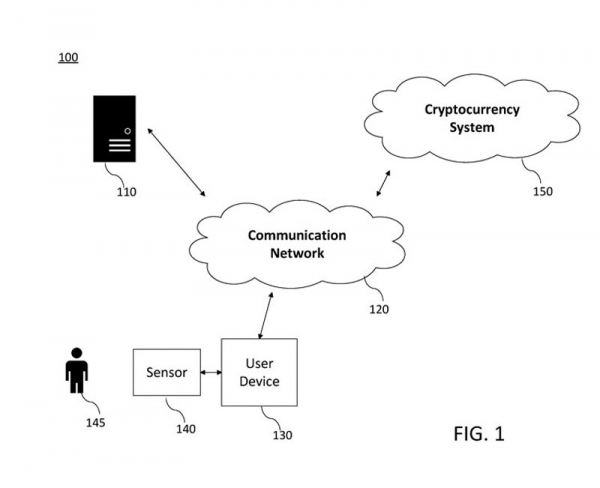
Having clarified the numbers, let's talk about the patent itself. We covered it in detail in the news on In a loose retelling by Mikhalkov, Microsoft's patent 'CRYPTOCURRENCY SYSTEM USING BODY ACTIVITY DATA' suggests implanting citizens with chips and rewarding them for certain actions with cryptocurrency. However, in reality, the patent does not mention chip implantation at all. Microsoft developers propose to collect data on human bodily activity using external sensors and scanners. These could be thermometers (measuring body temperature), ECG sensors, or simply heart rate monitors; more complex MRI scanners could track blood flow in the brain, or sensors could measure the electrochemical activity of the brain. But all this is without embedding measurement systems into the human body, although the words 'and other methods' could imply anything. The key question is why this has been proposed.
Microsoft's idea of tracking the user's vital signs while performing certain actions in front of a computer is to eliminate hash function computations in cryptocurrency mining technology or blockchain operations. Instead of complex calculations, the system would gather data on the user's current individual vital signs from scanners and create a unique and unbreakable code based on this information. This acts as a sort of unique user signature. For example, while sitting in front of the computer and viewing an advertisement, the user's metrics could be recorded and embedded into the blockchain operations, or a new block of cryptocurrency could be created based on them. Microsoft's idea (specifically an idea, not a discussion of its implementation) is to save computational time and resources, such as electricity. Everything else is mere speculation.
Aliens choose anal probes, while Earthlings choose nanotechnology.
The satirical animated series "South Park" first aired on August 13, 1997, with the pilot episode "Cartman and the Anal Probe." Every American is aware that aliens used anal probes on abducted individuals and then manipulated them to fulfill their desires. It’s a telling choice of theme for the pilot episode, but the aliens in it use clearly outdated technology. Chipping requires a much more discreet approach. After all, it should be done unnoticed: disguised as a regular injection or through a vaccinating patch. Therefore, Bill Gates, if he were to conceive something similar, would need to invest in miniaturization. Remember the acronym "Wintel"? There it is!
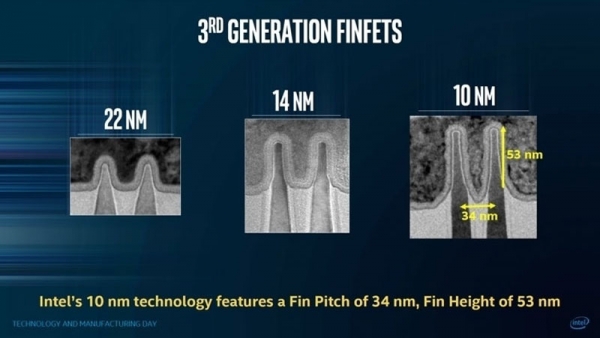
Intel and Microsoft have always worked hand in hand. For instance, Microsoft has repeatedly sponsored Intel conferences, including major events like the Intel Developer Forum. So, when it comes to miniaturization, Microsoft could surely rely on Intel's support, which has long been ahead of the entire industry. However, it hit a snag in the 10nm process technology or even earlier. Nevertheless, even the not-so-advanced by industry standards 10nm process from Intel achieved an unprecedented transistor density—100.8 million transistors per mm². That’s about as many transistors as were in the die of the Intel Pentium 4 Prescott processor, which was released in 2004. With such hardware capabilities, a lot can be done. However, when discussing chips implanted in the human body, one still needs to address issues like memory, power supply, communication with the "host," and mechanisms for controlling its actions.
It is evident that the memory in a chip implanted in a human must be non-volatile. Today, the densest memory available is 3D NAND. Unfortunately, at a certain point, 3D NAND manufacturers stopped publishing data on cell density per unit area of the die. But we have a rough idea of the values in question.
At an IEEE conference in 2016, Micron revealed that it had achieved a significant milestone in laboratory conditions: reaching a record write density in 3D NAND that surpassed the write density of hard disk magnetic platters. Specifically, on one square inch of a Micron crystal, memory cells with a total capacity of 2.77 Tb. This translates to 4.29 Gb or 536 MB per mm2. While this may not be groundbreaking for a processor at the level of the Intel Pentium 4, it is a sufficient amount for executing commands and storing data.
Thus, everything indicates that a relatively powerful computing system can be implanted in a human. There will be enough resources for real-time operating systems.
He who eats well, works well.
Let's try to understand the power supply. In a small chip that could be relatively discreetly inserted under the skin or into human muscle tissue, there is practically no space for a battery. The electronics will need to draw power from an external source. We will discuss possible power sources below, but for now, let's take a moment to consider the consumption of a hypothetical implanted processor.
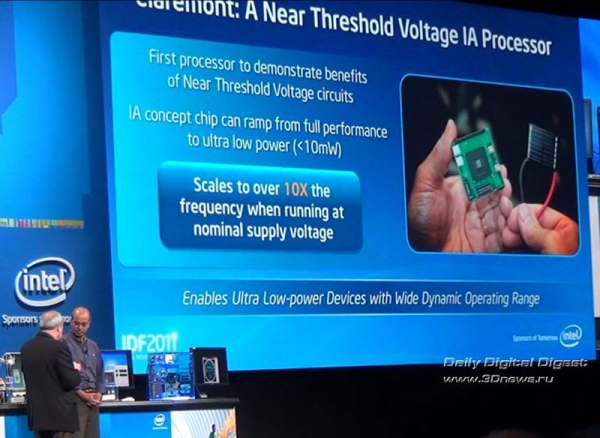
In the pursuit of reducing chip consumption, Intel and its peers have made significant progress. Just over a decade ago, Intel began developing processes and circuitry that would allow transistors to operate at voltages close to the threshold value. Previously, logic design was based on switching voltages for transistors above 1 V. However, for widely used CMOS processes and standard silicon, the theoretical threshold voltage limit is much lower, at 36 mV. As a result of continued efforts to bridge practice with theory, today chip manufacturers can produce logic with transistor switching voltages ranging from 300 to 500 mV.
Yes, theoretically the operating logic voltage can be reduced even further. However, it should also be noted that lowering the voltage supplied to transistors will lead to an increase in logic failures due to variations in transistor parameters during manufacturing and changes in their characteristics due to temperature fluctuations. Simply put, the lower the supply voltage (and consumption), the less reliable and slower everything operates. It follows that for the sake of reliability, some sacrifices will have to be made regarding the density of transistor placement.
So what consumption values are we talking about? Let's refer to Intel's demonstration at the autumn IDF 2011 session. At that time, it featured the experimental 32-nm Claremont processor (on an architecture similar to Intel P54C) with 6 million transistors in a chip area of about 2 mm². The logic of this processor began operation at a voltage of 380 mV at a frequency of 10 MHz with a consumption of about 1.5 mW. In idle mode with simple background tasks, the processor managed at a consumption level of 10 mW. What is 10 mW? For comparison: a typical indicator LED in a smartphone charger consumes up to 60 mW, and its sole purpose is to look nice. The experimental energy-efficient Intel Claremont processor requires a power supply with six times lower power to start.
Considering the evolution of architectures, fabrication processes, and technologies, it is reasonable to assume that today we can create a processor at the level of Intel Pentium with a consumption of around 1 mW or even lower. But where in the human body can we find a stable power supply of 1 mW (and in reality more, since we also need to power memory, radio transmitters, and some human control systems)? There are several possible answers to this question, but it's unlikely that any of them could be a truly viable solution.
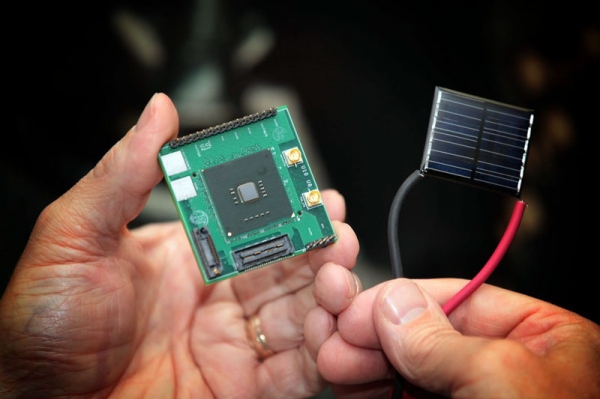
A small solar cell, about the size of a large postage stamp, could provide up to 10 MW of power, as demonstrated by Intel (see photo above). However, this option is definitely not suitable for implants. In any case, such a power scheme cannot be concealed; though it's not difficult to implement openly. It would be practical to power brain implants with solar panels positioned on the head. However, in the case of hypothetical chipping disguised as vaccination, this option is definitely unsuitable.
Energy can also be harvested from vibrations and oscillations. Pocket watches with automatic mechanical winding were invented around three hundred years ago. Modern microelectromechanical systems (MEMS) manufacturing technologies pave the way for miniature power sources that generate electricity from vibrations. In February of this year, one of the latest promising developments in this area is just the French institute CEA-Leti.
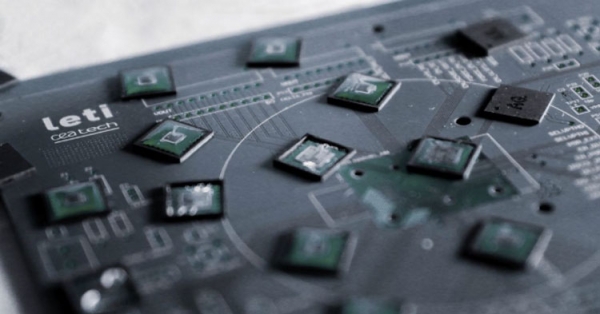
The French have created vibration-based electricity generator chips capable of producing between 100 μW to 1 mW. This might be sufficient to power an implantable chip, albeit with some stretching of the idea. However, size is a limiting factor. Judging by the accompanying illustration (see above) — although exact size data for the generator is not yet available — the generator chip appears to be quite large. If it can be placed under the skin or in other living tissues, it would likely require surgical intervention. This isn't a viable option for covert mass chipping-vaccination either. It would take a long time to heal and would itch — you would definitely notice.
One possible approach is to harness electricity from electromagnetic fields—both from electrical wiring and various sources of radio frequency noise (cell towers, radio communications, Wi-Fi, etc.). However, there is a significant challenge: a fairly large antenna-coil is required. A miniature RFID tag, in this case, cannot be considered an ideal solution. An RFID scanner can indeed excite an electromagnetic field in the transponder coil, sufficient to generate power up to 10 mW. The only caveat is that the scanner must be within a few centimeters of the receiver, and the receiver must have a sufficiently large receiving coil measuring several centimeters.
The miniature passive radio frequency tags for animal microchipping, as mentioned earlier, operate at much lower power levels. In any case, for the embedded chip to function with sufficient power—our theoretical 1 mW— the scanner or source of strong electromagnetic radiation needs to be positioned as close as possible to the secret chip. Thus, the need for close contact and the large size of the receiver coil nullify any secrecy.
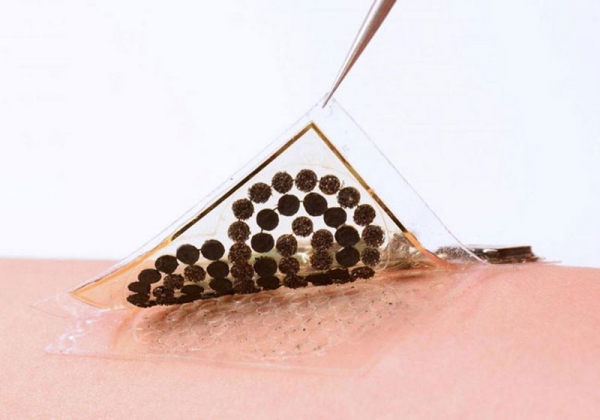
Perhaps the solution to sourcing power for body-embedded electronics lies in the realm of good old electrochemical reactions? The human body is made up of about 60% water on average. More precisely, it consists of various electrolytes. This is practically a battery. For instance, recent developments by researchers at the California Institute of Technology utilize human sweat as an electrolyte. The patch, through the process of lactic acid decomposition by an enzyme in the presence of a catalyst, can produce up to 35 mW of energy from one square centimeter. However, the practicality of this solution is once again challenged by its size. This is clearly not meant for discreet wear, and if such a generator were to be implanted intramuscularly, then the issue of waste product elimination would arise. In 20 to 30 years, perhaps this could be viable, but today—definitely not.
The above also applies to deriving energy from carbohydrates, particularly glucose (sugar). In the presence of enzymes and catalysts, glucose does indeed decompose and serves as a source of energy. Experiments in this direction and continue to this day. Many prototypes of batteries powered by glucose solutions have been created in laboratories, but integrating such a power source into the human body is a challenge of a completely different order. What kind of glucose battery can be discussed if the diabetes issue is still unresolved?
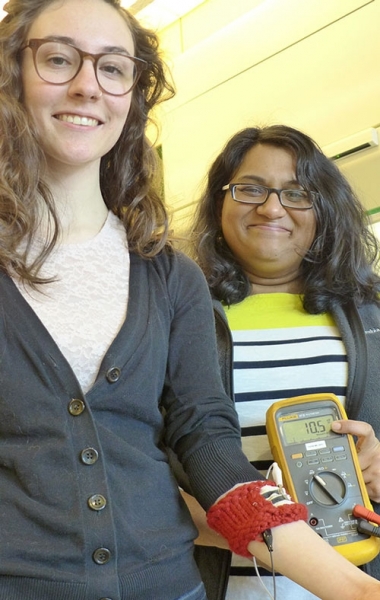
One can also recall another energy source — the heat emitted by the human body. The most efficient converters of heat into electricity are thermoelectric elements based on . Small Peltier elements can easily provide power of 10, 20 mW, or more. There are many such developments, and interest in them remains strong (see, for example, and the photo above). The thing is, for a thermoelement to work, there must be a noticeable temperature difference across its polar sides. One side of the element needs to be exposed to disperse heat into the surrounding space. This cannot be done unobtrusively again.
In summary of this brief excursion into the power supply of wearable/implantable electronics, it can be confidently stated that today science and technology are unable to offer a miniature power element even for serial wearable electronics, let alone for hidden (covert) microchipping. Microelectronics in this area has long been ready to offer something interesting, but it’s still like being asked to assemble a computer without a power supply.
We could end the note here regarding the mythical vaccination-microchipping, but we will continue. Let's touch on questions of communication.
Non-sportive (radio) orientation
If you are not a horse that can easily have a radio frequency tag, a few centimeters in size, injected into its muscles or under its skin, the only way to detect a chip tagged RFID body is to encounter it face to face. The largest chips for injection into cattle allow tracking within enclosures or small pastures, but in any case, this radius is no more than two or three dozen meters. It is not possible to globally track radio frequency tags or other manifestations of RFID. The most suitable connection for this purpose can only be cellular, with base stations located relatively close to each other.
Conspiracy theorists put two and two together and got... five — 5G communication towers have flared up almost all over the world.
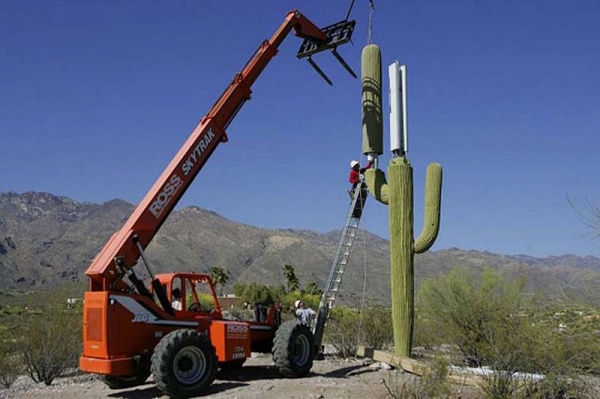
Look the other way, arsonists! Operators have long started to conceal cellular antennas. Today, a new decorative element is more likely to appear in urban construction than the irritating classic tower as it was 20 and even 10 years ago. It could be a simple vertical radio-transparent plastic tube with antennas hidden inside or a vertical outdoor advertising element. For example, the photo above shows how antennas in the USA are disguised as a life-sized cactus model. Such practices are becoming widespread, and the transition to 5G will make antennas and towers even less noticeable in both urban and rural landscapes. Individuals concerned about a global conspiracy simply will not be able to detect them, or in the guise of fighting towers, will start destroying everything that personally displeases them.
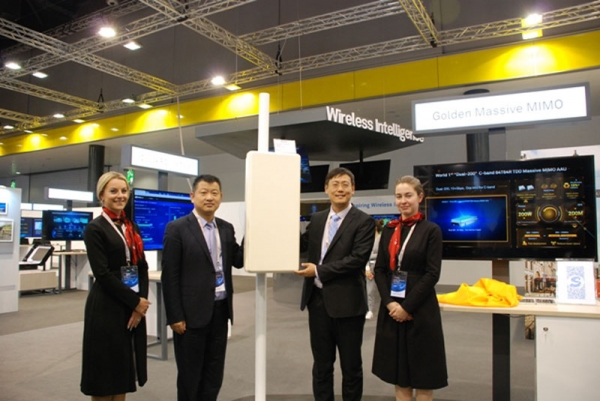
The 5G communication technology is primarily being introduced to reduce latency in data transmission. For this, the towers need to be installed more frequently. But this is not the type of tower we are used to. The 5G base station block, along with a small built-in server, is relatively compact and comparable in size to a laptop (shown in the photo above is an example of one of Huawei's 5G base station options). To achieve widespread coverage, 5G base stations can simply be mounted on building walls, and they can be easily camouflaged with decorative elements. Such units will not raise suspicion or irritation among the public. There is also a practice of placing decorated plastic bases on streetlight poles. Who pays attention to them? Frequent placement of base stations — by the way, this is also an opportunity to reduce the power of the signal from both the transmitting and receiving sides. But can this somehow help control chipped individuals?
Hardly. Human tissues and the water in those tissues make for a good shield against high-frequency radio emissions in the range in which 5G operates. This means that the 5G transmitter-receiver antenna cannot be deeply embedded in the human body. It needs to be as close to the skin surface as possible; otherwise, significantly higher powers will be needed to establish a connection. Additionally, the 5G antenna is a quite complex high-tech component. Making it inconspicuous for injection into the human body is impossible. The relatively large size, dictated by the radio wave lengths used, and the necessity to have the 5G antenna effectively in plain sight speaks for itself — for the patient, the implantation of a 5G transmitter and antenna will not go unnoticed.
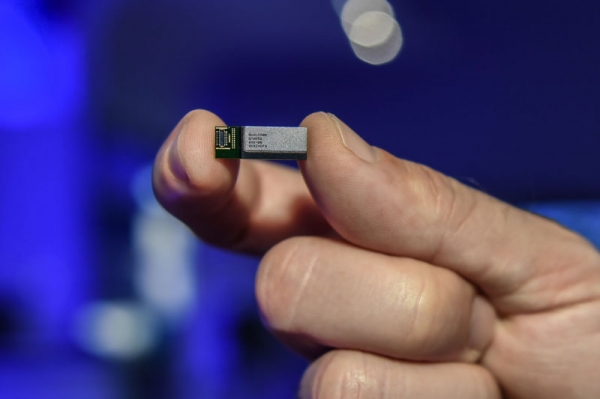
A few words need to be said about the power required for the operation of the 5G transceiver (and mobile communications in general). At the moment a connection is established between the transmitter and the base station, the signal power reaches up to 1 W. The signal must be strong enough to pass authentication and establish a reliable channel, but this stage lasts only a few milliseconds. Let's assume that for this case a powerful supercapacitor (ultracapacitor) is provided for the chipped citizen. It is a significant stretch, but technically feasible. After the connection establishment phase, such high power is no longer necessary for the radio channel; a power level of a few tens of milliwatts would suffice. With the development of error correction algorithms and the widespread deployment of 5G stations, let's assume that a transmitter power of 10 mW will be enough to support the communication channel. However, even this is a considerable addition to the budget of an implanted processor and a drawback for conspiracy theories.
The real chipization tomorrow: what will it look like
From everything said above, it is clear that covert chipping, which could be disguised as vaccination, is simply impossible with current technology levels. However, this does not rule out the possibility that implanting semiconductor implants in the human body could become a reality in the near future. It will just happen very differently and with other objectives than what conspiracy theorists imagine. To understand where technological progress is truly heading in this area, it makes sense to look at the Neuralink neurointerface, which is being developed by the company of the same name founded by Elon Musk.
Last week, Elon Musk again , stated that by the end of the year Neuralink will begin clinical trials of its proprietary "brain-machine" interface on living humans. He had previously promised to conduct such trials last year, but for some reasons (most likely legal) the implantation of the Neuralink neurointerface into a living patient's brain has not yet taken place.
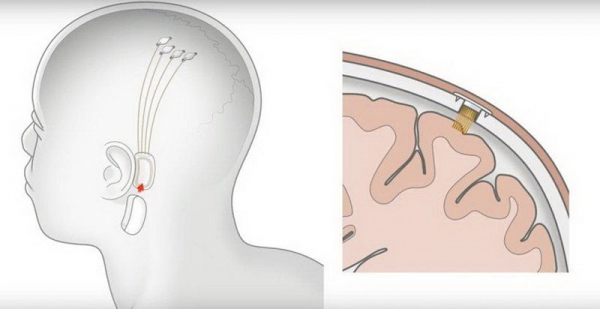
How this will happen. Let's hear from Musk: "We will literally cut a piece of the skull, and then implant the Neuralink device there. After that, the electrode threads will be very carefully connected to the brain, and everything will be sewn up. The device will be able to interact with any part of the brain and will restore lost vision or functionality of limbs."
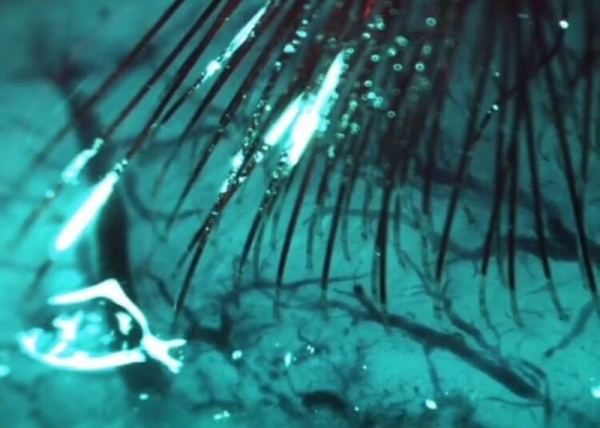
Chip implantation as envisioned by Elon Musk will be part of a serious surgical operation. This is not a vaccination done at lightning speed; a personalized approach is required. Chips are placed inside the patient's skull, and electrodes are immersed in the cerebral cortex according to a special scheme.
It seems that the chips inside the skull will be connected to an inductive coil located somewhere nearby (nothing will be brought outside), and the connection of the internal device to the external world—with a battery and a Bluetooth transceiver (and then to a computer)—will be implemented using technology similar to RFID.
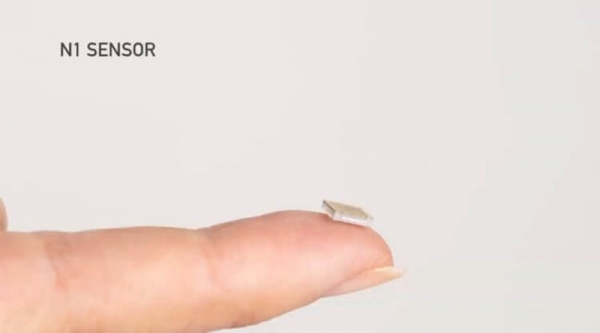
The images presented give an idea of what actual chip implantation will look like. The aim of such chipping is to enable immobilized patients or people with severe injuries to control smartphones, computers, or electronic prosthetics using 'thought power.' As an option, there may be a possibility of restoring a semblance of sight or hearing. This already constitutes feedback. In some cases, such a system will help restore motor skills to the body if spinal cord damage has destroyed the direct channel for transmitting nerve impulses.
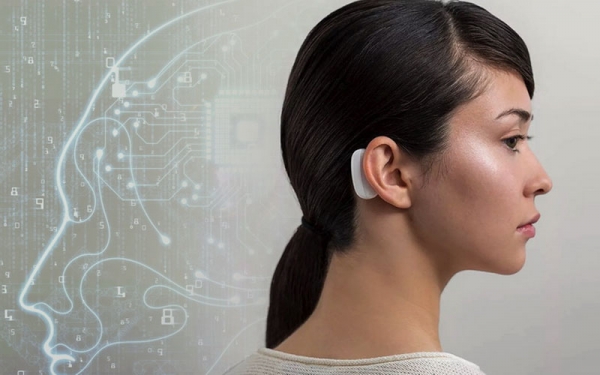
In a very distant perspective, Musk dreams of merging human and artificial intelligence, and, of course, with such chips, humans could be controlled. Someday this will happen, but very, very slowly. Will there be opponents to such practices? Definitely! Ignorance can only be eradicated through scientific education, and this issue on our planet is still far from optimal.
Conclusion
Above, we have discussed in detail what is understandable (as we hope) to most clear-thinking individuals. Unfortunately, the Internet has provided a platform for all opinions, including those filled with exaggerated fantasies and minimal scientific basis or even a complete lack of common sense. We couldn't stay on the sidelines and decided to share our thoughts on the issue of microchipping in the context of how it might realistically appear at the current stage of electronics development. All the statements made above are tentative, but they clearly indicate the level of capabilities of such solutions.
The conclusion is clear: as of today, there are no technologies that allow for the creation of a miniature comprehensive solution for the discreet or even noticeable implantation into a human body with the aim of controlling its actions. However, this task is well-handled by the old reliable propaganda, but that is a completely different story.
Source: 3dnews.ru
