

Hello, %username%.
Congratulations: and I continue to poison your mind with information about various types of poisons — both strong and less so.
Today we will discuss the topic that seems to interest most people — this has become obvious, especially since the nearest competitor of the contest organizer was disqualified for violating WADA rules. And as usual, there will be a vote at the end of the text on whether I should continue and on what to continue.
Remember, %username%, now only you determine whether I should keep telling such stories and what to talk about — it's both article rating and your own vote.
So...
'Yellow Rain'
The yellow rain hits the roofs,
On the asphalt and on the leaves,
I stand in a raincoat and get wet for nothing.
— Chizh and Co
The story of 'yellow rain' is a story of an epic fail. The name 'yellow rain' originated from events in Laos and North Vietnam that began in 1975 when two governments allied with the Soviet Union fought against the Hmong and Khmer Rouge rebels who sided with the United States and South Vietnam. Interestingly, the Khmer Rouge were mostly trained in France and Cambodia, and the movement was replenished by 12- to 15-year-olds who had lost their parents and hated the urban population as 'collaborators of the Americans'. Their ideology was based on Maoism, rejecting everything Western and modern. Yes, %username%, in 1975 the imposition of democracy was no different from today.
As a result, in 1982, U.S. Secretary of State Alexander Haig accused the Soviet Union of supplying some toxin to communist states in Vietnam, Laos, and Cambodia for use against the rebels. Allegedly, refugees described numerous instances of chemical attacks, including a sticky yellow liquid falling from planes or helicopters, which became known as 'yellow rain'.
The "yellow rain" was considered to be the T-2 toxin — a trichothecene mycotoxin produced during the metabolism of toxins from molds of the genus Fusarium, which is extremely toxic to eukaryotic organisms — that is, everything except bacteria, viruses, and archaea (don’t take offense if you’re called a eukaryote!). This toxin causes alimentary toxic agranulocytosis and multiple organ damage symptoms upon contact with skin, lungs, or stomach. Animals can also be poisoned simultaneously (the so-called T-2 toxicity).
Here's the handsome T-2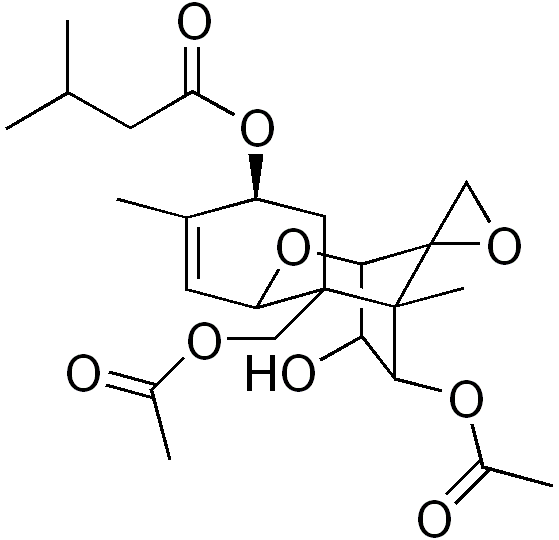
The story was urgently inflated, and the T-2 toxins were classified as biological agents, officially recognized as potentially usable as biological weapons.
A 1997 textbook published by the U.S. Army Medical Department stated that more than ten thousand people were killed in chemical weapon attacks in Laos, Cambodia, and Afghanistan. Descriptions of the attacks varied and included aerosol cans and sprays, booby traps, artillery shells, rockets, and grenades that produced droplets of liquid, dust, powders, smoke, or yellowish materials resembling insects, in red, green, white, or brown colors.
The Soviets refuted the U.S. claims, and the initial investigation by the United Nations was inconclusive. In particular, UN experts examined two refugees who claimed to suffer from the effects of a chemical attack, but instead they were diagnosed with fungal skin infections.
In 1983, Harvard biologist and bioweapons opponent Matthew Meselson and his team traveled to Laos and conducted a separate investigation. Meselson's team noted that trichothecene mycotoxins occur naturally in the region and questioned the testimonies. They proposed an alternative hypothesis that the yellow rain was harmless bee feces. Meselson's team suggested the following as evidence:
The individual "yellow rain drops" found on leaves, which were "accepted as authentic," primarily consisted of pollen. Each drop contained a different mixture of pollen grains—as one would expect if they originated from different bees—and the grains exhibited characteristics typical of pollen digested by bees (the protein inside the pollen grain disappeared, while the outer indigestible shell remained). Additionally, the pollen mixture came from plant species common to the area where the drop was collected.
The U.S. government was very upset, offended, and reacted to these conclusions, claiming that the pollen was deliberately added to create a substance that could be easily inhaled and "ensure the retention of toxins in the human body." Meselson responded to this notion by stating that it was rather far-fetched to suggest that anyone would produce chemical weapons by "collecting bee-digested pollen." The fact that the pollen originated in Southeast Asia meant that the Soviet Union could not have produced this substance domestically and would have to import tons of pollen from Vietnam (presumably in Vicks Vaporub jars? Someone should have given Meselson a hint!). Meselson's work was described in an independent medical review as "compelling evidence that 'yellow rain' could have a common natural explanation."
Following the publication of the bee hypothesis, an earlier Chinese article from September 1976 about the phenomenon of yellow droppings in Jiangsu province resurfaced suddenly (as it usually does). Remarkably, the Chinese residents also used the term "yellow rain" to describe this phenomenon (and now try explaining the richness of the Chinese language!). Many village inhabitants believed that the yellow droppings were a portent of an impending earthquake. Others thought the droppings were chemical weapons being sprayed by the Soviet Union or Taiwan. However, Chinese scientists also concluded that the droppings originated from bees.
Analyses of the alleged samples of "yellow rain," conducted by the governments of the United Kingdom, France, and Sweden, confirmed the presence of pollen and failed to detect any traces of mycotoxins. Toxicological studies have questioned the reliability of reports stating that mycotoxins were found in alleged victims for up to two months after exposure, as these compounds are unstable in the body and are eliminated from the blood within just a few hours.
In 1982, Mezleson visited a Hmong refugee camp with samples of bee feces that he collected in Thailand. Most of the Hmong respondents claimed that these were samples of chemical weapons used against them. One person accurately identified them as insect feces, but after his companion pulled him aside and said something, he switched to the story about chemical weapons.
Australian military scientist Rod Barton visited Thailand in 1984 and found that Thai residents blamed "yellow rain" for various ailments, including scabies, as "American doctors in Bangkok report that the United States is showing particular interest in 'yellow rain' and providing free medical assistance to all alleged victims."
In 1987, the New York Times published an article stating that field studies conducted by U.S. government groups between 1983 and 1985 found no evidence supporting the original claims about the chemical weapon known as 'yellow rain' and instead questioned the reliability of the initial reports. Unfortunately, in a country that champions democracy and unprecedented freedoms, this article was censored and not allowed for publication. In 1989, an analysis of the original reports collected from Hmong refugees was published in the Journal of the American Medical Association, noting 'clear discrepancies that severely undermined the credibility of the testimonies': the U.S. Army team conducted interviews only with those who claimed to know about attacks using chemical weapons; the investigators asked leading questions during interrogations, etc. The authors noted that individual stories changed over time, did not match other accounts, and that people claiming to be witnesses later stated they were relaying others' stories. In short, confusion in testimonies at its purest form.
By the way, there are also some spicy moments in this story. A CIA report from the 1960s mentioned claims from the Cambodian government regarding their forces being attacked with chemical weapons that left a yellow powder behind. Cambodians accused the United States of these alleged chemical attacks. Some samples of 'yellow rain' collected in Cambodia in 1983 tested positive for CS – a substance that the U.S. used during the Vietnam War. CS is a form of tear gas and is non-toxic, but it may explain some of the milder symptoms reported by Hmong village residents.
Nonetheless, there were other facts: the autopsy of a Cambodian soldier named Chan Mann, who was allegedly affected by a "yellow rain" attack in 1982, revealed traces of mycotoxins, as well as aflatoxin, Blackwater fever, and malaria. The story was immediately inflated by the U.S. as supposed evidence of the use of "yellow rain," but the cause turned out to be rather mundane: the fungi producing mycotoxins are very common in Southeast Asia, and poisoning from them is not unusual. For example, a Canadian military laboratory found mycotoxins in the blood of five people from the area who had never been exposed to "yellow rain" out of 270 tested, but found no mycotoxins in any of the ten alleged victims of the "chemical attack."
It is now recognized that contamination of products such as wheat and corn with mycotoxins is a widespread problem, especially in Southeast Asia. In addition to natural factors, military actions have also worsened the situation, as grain has been stored in unsuitable conditions to prevent it from being seized by opposing forces.
The majority of the scientific literature on this topic currently considers the hypothesis that "yellow rain" was a Soviet chemical weapon to be debunked. However, this issue remains contentious, and the U.S. government has not retracted these claims. Interestingly, many U.S. documents concerning this incident remain classified.
Indeed, my friend, Colin Powell was likely just starting his career at that time — but his work endured, so it is absurd to think he invented something new — just as it is absurd to think the U.S. comes up with a new technology each time it fights for its interests.
Additionally, there are other historical cases of hysteria over "yellow rain."
- The episode of mass pollen release by bees in Sangrampur, India, in 2002, triggered unfounded fears of a chemical weapon attack, although it was actually due to the mass migration of giant Asian bees. This event revived memories of what "New Scientist" described as the "cold war paranoia."
- In the lead-up to the invasion of Iraq in 2003, the Wall Street Journal claimed that Saddam Hussein possessed chemical weapons known as "yellow rain." In reality, Iraqis had researched T-2 mycotoxins in 1990, but only purified 20 ml of the substance from fungal cultures. It was already evident that although T-2 could potentially be used as a weapon due to its toxic properties, it was practically unusable because it is extremely difficult to produce on an industrial scale.
- On May 23, 2015, just before the national holiday on May 24 (Bulgarian Literacy and Culture Day), yellow rain fell in Sofia, Bulgaria. Everyone quickly assumed that the cause was the Bulgarian government's criticism of Russia's actions in Ukraine at that time. A bit later, the Bulgarian National Academy BAN explained that this phenomenon was due to flower pollen.
In short, the whole world has long since stopped laughing at the topic of "yellow rain," but the U.S. still doesn't give up.
"Agent Orange"
"Agent Orange" is also a failure, but unfortunately not as amusing. There will be no laughter here. Sorry, %username%.
The first herbicides, or as they were called - defoliants - were actually used by Britain during the Malayan Operation starting in the early 1950s. From June to October 1952, 1,250 acres of jungle vegetation were sprayed with defoliants. The chemical giant Imperial Chemical Industries (ICI), which produced the defoliant, described Malaya as a "profitable experimental field."
In August 1961, under pressure from the CIA and the Pentagon, U.S. President John F. Kennedy authorized the use of chemicals to destroy vegetation in South Vietnam. The aim of the spraying was to eliminate jungle cover, which would make it easier to detect North Vietnamese army units and guerrillas.
Initially for experimental purposes, the South Vietnamese aviation under American military guidance applied defoliant spraying over small forested areas near Saigon (now Ho Chi Minh City). In 1963, a more extensive area on the Ca Mau Peninsula (now part of Ca Mau Province) was subjected to defoliant treatment. After achieving successful results, the American command began mass application of defoliants.
By the way, quite quickly the focus was no longer just on jungles: American military forces started targeting food crops in October 1962. By 1965, 42% of all herbicide spraying was aimed at food crops.
In 1965, U.S. Congress members were told that "crop destruction is understood to be a more important goal... but when publicly mentioning the program, the emphasis is placed on defoliation in jungles." Servicemen were told that they were destroying crops because the harvest was allegedly going to feed the partisans. Later, it was discovered and proven that almost all the food being destroyed by the military was not grown for the partisans; in fact, it was cultivated solely to support the local civilian population. For example, in Quang Ngai Province, in 1970 alone, 85% of cultivated land was destroyed, resulting in hundreds of thousands of people suffering from hunger.
In the course of Operation 'Ranch Hand', chemical exposure affected all areas of South Vietnam, many areas of Laos and Cambodia. In addition to forests, fields, gardens, and rubber plantations were treated. Since 1965, defoliants were sprayed over fields in Laos (especially in its southern and eastern parts), and from 1967, in the northern part of the demilitarized zone. In December 1971, President Nixon ordered the cessation of mass herbicide application, although their use was permitted away from American military facilities and major population centers.
Between 1962 and 1971, the U.S. military sprayed approximately 20,000,000 gallons (76,000 cubic meters) of various chemicals.
American troops predominantly used four herbicide formulations: purple, orange, white, and blue. Their main components included: 2,4-dichlorophenoxyacetic acid (2,4-D), 2,4,5-trichlorophenoxyacetic acid (2,4,5-T), picloram, and cacodylic acid. The orange formulation (against forests) and the blue one (against rice crops and other agricultural products) were the most actively used — but in general, there were plenty of 'agents': in addition to orange, pink, purple, blue, white, and green were used — the difference was in the ratio of ingredients and the color of the stripe on the barrel. Kerosene or diesel fuel was added for better spraying of the chemicals.
The development of the compound in a form ready for tactical use is attributed to the laboratory units of the DuPont corporation. It is also credited with participating in securing the first contracts for the supply of tactical herbicides, alongside companies like Monsanto and Dow Chemical. Incidentally, the production of this group of chemicals falls under the category of hazardous production, resulting in related illnesses (often with fatal outcomes) affecting the workers of the factories of these manufacturers, as well as residents of the towns within or around which the production facilities were concentrated.
2,4-dichlorophenoxyacetic acid (2,4-D)
2,4,5-trichlorophenoxyacetic acid (2,4,5-T)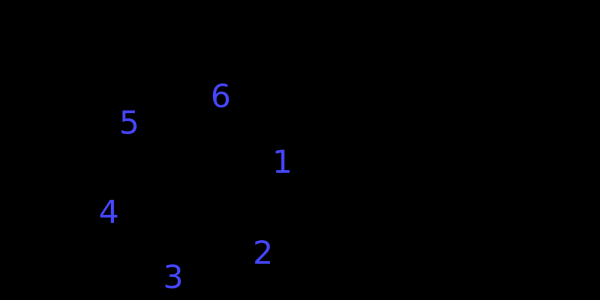
Picloram
Cacodylic acid
The basis for the creation of the composition of "agents" was the work of American botanist Arthur Galston, who later demanded a ban on the use of the mixture that he himself considered a chemical weapon. In the early 1940s, then a young graduate student at the University of Illinois, Arthur Galston studied the chemical and biological properties of auxins and the physiology of soybean crops. He discovered the influence of 2,3,5-triiodobenzoic acid on the flowering process of this category of plants. He established in the laboratory that in large concentrations, this acid weakens the cellulose fibers at the junction of the stem and leaves, leading to leaf drop (defoliation). Galston defended his dissertation on his chosen topic in 1943 and dedicated the next three years to scientific research on the production of rubber products for military needs. Meanwhile, information about the young scientist's discovery was used without his knowledge by military technicians at the "Camp Detrick" base (the headquarters of the American biological weapons development program) to explore the prospects of using chemical defoliants for tactical purposes (hence the official name of such substances — "tactical defoliants" or "tactical herbicides") in the Pacific theater, where American troops faced fierce resistance from Japanese forces that took advantage of the dense jungle vegetation. Galston was shocked when, in 1946, two leading specialists from "Camp Detrick" visited him at the California Institute of Technology and formally informed him that the results of his thesis served as the basis for current military developments (as the author, he was entitled to a government award). Later, when details of American military involvement in Vietnam were covered in the press in the 1960s, Galston, feeling his personal responsibility for the development of "Agent Orange," demanded the cessation of the substance's spraying over the countries of the Indochina peninsula. According to the scientist, the use of this preparation in Vietnam "shook his deep faith in the constructive role of science and led him to active opposition against U.S. official policy." As soon as the information about the substance's use reached him in 1966, Galston immediately prepared a speech for his presentation at the annual scientific symposium of the American Society of Plant Physiologists, and when the society's executive committee denied him the opportunity to speak, Galston privately began gathering signatures from fellow scientists for a petition to U.S. President Lyndon Johnson. Twelve scientists contributed their thoughts to the petition about the inadmissibility of using "agents" and the potential consequences for the soils and populations of the sprayed areas. The President did not respond to the appeal, but Deputy Secretary of State Nicholas Katzenbach wrote an official reply to Galston, assuring him that the chemicals used by U.S. forces in Southeast Asia were "harmless" and that their spraying occurred only "in remote areas," where residents were "forewarned."
The widespread use of chemicals by American troops resulted in severe consequences. Nearly all mangrove forests (500,000 ha) were destroyed, 60% (around 1 million ha) of jungles were affected, and 30% (over 100,000 ha) of lowland forests were impacted. Since 1960, the yield of rubber plantations has decreased by 75%. American forces destroyed between 40% and 100% of banana, rice, sweet potato, papaya, and tomato crops, 70% of coconut plantations, 60% of rubber trees, and 110,000 ha of casuarina plantations.
As a result of chemical use, Vietnam's ecological balance was seriously altered. In affected areas, only 18 of the 150 bird species remained, amphibians and insects nearly disappeared, and fish populations in rivers declined. The microbiological composition of soils was disrupted, and plants were poisoned. The number of woody and shrub species in the moist tropical forest sharply decreased: only a few tree species and some spiny plants unsuitable for livestock feed remained in the affected areas.
Changes in Vietnam's fauna led to the displacement of one species of black rats by other species that are carriers of plague in South and Southeast Asia. The tick composition included disease-carrying ticks. Similar changes occurred in the mosquito composition: harmful malaria-carrying mosquitoes replaced the harmless endemic species.
But all of this pales in comparison to the impact on humans.
The thing is that among the four components of the "agents," the most toxic is cacodylic acid. The earliest studies on cacodyl were conducted by Robert Bunsen (yes, the Bunsen burner is named after him) at the University of Marburg: "the odor of this substance causes an instant tingling in the hands and feet, and even dizziness and numbness… Notably, when a person is exposed to the smell of these compounds, their tongue is coated with a black deposit, even in the absence of further negative consequences." Cacodylic acid is extremely toxic when ingested, inhaled, or in contact with the skin. Studies on rodents have shown that it is a teratogen that often causes cleft palates and fetal mortality at high doses. It has been shown to exhibit genotoxic properties in human cells. While not a strong carcinogen, cacodylic acid enhances the effects of other carcinogens in organs such as the kidneys and liver.
But this is just the tip of the iceberg. The fact is that due to the synthesis scheme, both 2,4-D and 2,4,5-T always contain about 20 ppm of dioxin. .
The government of Vietnam states that 4 million of its citizens were exposed to the "Agent Orange," and as many as 3 million suffered from illnesses. According to estimates by the Vietnam Red Cross, up to 1 million people are disabled or have health problems due to "Agent Orange." About 400,000 Vietnamese died from acute poisoning by "Agent Orange." The United States government disputes these figures as unreliable.
According to a study conducted by Dr. Nguyen Viet Ngan, children in areas where "Agent Orange" was used face numerous health issues, including cleft palates, mental disorders, hernias, and extra fingers on hands and feet. In the 1970s, high levels of dioxin were found in the breast milk of South Vietnamese women and in the blood of U.S. soldiers who served in Vietnam. The most affected areas are the mountainous regions along the Truong Son (Annamite) Range and the border between Vietnam and Cambodia. Residents in these areas suffer from various genetic diseases.
Click here if you really want to see the effects of 'Agent Orange' on humans. But I warn you: it's not worth it.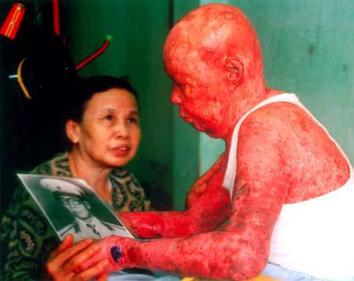
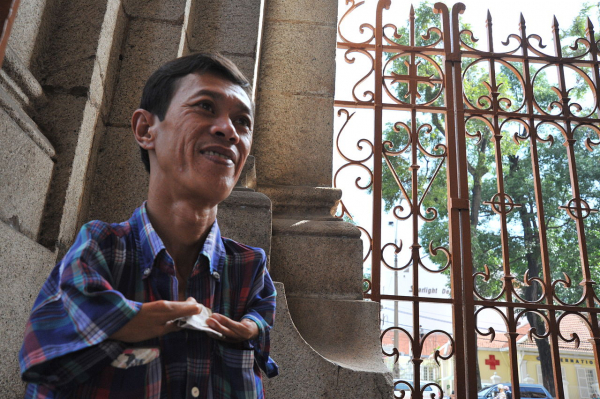
At all former U.S. military bases in Vietnam, where herbicides were stored and loaded onto planes, high levels of dioxins may still be present in the soil, posing a threat to the health of surrounding communities. Extensive testing for dioxin contamination has been conducted at former U.S. airbases in Da Nang, Phu Cat, and Bien Hoa. Some soils and sediments have extremely high levels of dioxin that require decontamination. At Da Nang airbase, dioxin contamination is 350 times higher than international standards. Contaminated soil and sediments continue to affect the residents of Vietnam, poisoning their food chain and causing diseases, severe skin conditions, and various types of cancer in the lungs, larynx, and prostate.
(By the way, are you still using the Vietnamese balm? Well, what can I say...)
We must be objective and say that U.S. military personnel in Vietnam also suffered: they were not informed of the danger, and therefore they were convinced that the chemical was harmless and took no precautions. Upon returning home, Vietnamese veterans began to suspect something: the health of most deteriorated, their wives experienced more frequent miscarriages, and children were born with congenital defects. Veterans began filing claims in 1977 with the Department of Veterans Affairs for disability payments for medical services they believed were related to exposure to 'Agent Orange,' or more specifically, dioxin, but their claims were denied because they could not prove that the disease began while they were on duty or within one year after discharge (the conditions for benefits). This is very familiar to us in our country.
By April 1993, the Department of Veterans Affairs had compensated only 486 victims, despite receiving disability claims from 39,419 soldiers who were exposed to Agent Orange during their service in Vietnam.
Since 1980, attempts have been made to achieve compensation through legal proceedings, including against companies that produce these substances (Dow Chemical and Monsanto). During morning hearings on May 7, 1984, in a lawsuit initiated by American veterans' organizations, corporate attorneys for Monsanto and Dow Chemical managed to settle a class-action lawsuit out of court just hours before jury selection was set to begin. The companies agreed to pay $180 million in compensation if the veterans dropped all claims against them. Many veterans who became victims were outraged that the matter was settled instead of going to court; they felt betrayed by their lawyers. "Justice hearings" were held in five major American cities, where veterans and their families discussed their response to the settlement and condemned the actions of the lawyers and courts, demanding that the case be heard by jurors who were their peers. Federal Judge Jack B. Weinstein dismissed the appeals, stating that the settlement was "fair and just." By 1989, the veterans' fears were confirmed when it was determined how the payments would actually be made: the maximum (yeah, that's right, maximum!) a disabled Vietnam veteran could receive was $12,000, paid in installments over ten years. Additionally, by accepting these payments, disabled veterans could lose their eligibility for many government benefits that provided much greater financial support, such as food stamps, government assistance, and state pensions.
In 2004, Monsanto representative Jill Montgomery stated that Monsanto bore no responsibility for injuries or deaths caused by the "agents": "We sympathize with those who believe they have been harmed and understand their concern and desire to find a cause, but reliable scientific data indicate that 'Agent Orange' is not the cause of serious long-term health consequences."
The Vietnamese Association of Victims of Agent Orange and Dioxin (VAVA) filed a lawsuit "for liability in causing bodily harm, development, and production of the chemical" in the U.S. District Court for the Eastern District of New York in Brooklyn against several American companies, claiming that the use of "agents" violated the Hague Convention of 1907 on land warfare, the Geneva Protocol of 1925, and the Geneva Conventions of 1949. Dow Chemical and Monsanto were two of the largest producers of the "agents" for the U.S. military and were named in the lawsuit alongside dozens of other companies (Diamond Shamrock, Uniroyal, Thompson Chemicals, Hercules, etc.). On March 10, 2005, Judge Jack B. Weinstein of the Eastern District (the same judge who presided over the U.S. veterans' class-action lawsuit in 1984) dismissed the lawsuit, ruling that there were no rights to claims. He concluded that "Agent Orange" was not considered a poison under international law at the time of its use in the U.S.; the U.S. was not prohibited from using it as a herbicide; and the companies that produced the substance were not responsible for the method of its use by the government. Weinstein used a British example to help dismiss the lawsuits: "if Americans were guilty of war crimes for using 'Agent Orange' in Vietnam, then the British would also be guilty of war crimes since they were the first country to apply herbicides and defoliants in war and used them on a large scale throughout the Malayan operation. Since there were no protests from other states in response to Britain's use, the U.S. viewed this as setting a precedent for the use of herbicides and defoliants in jungle warfare." The U.S. government was also not a party to the lawsuit due to sovereign immunity, and the court ruled that chemical companies, as contractors of the U.S. government, have the same immunity. The case was appealed and heard by the Second Circuit Court of Appeals in Manhattan on June 18, 2007. Three judges of the Second Circuit Court of Appeals upheld Weinstein's decision to dismiss the case. They ruled that although herbicides contain dioxin (a known poison), they are not intended for use as a poison against humans. Therefore, defoliants are not considered chemical weapons and thus do not violate international law. A further review of the case by the entire panel of judges of the Court of Appeals also confirmed this decision. Victim lawyers filed a petition with the U.S. Supreme Court for review of the case. On March 2, 2009, the Supreme Court declined to review the Court of Appeals' decision.
On May 25, 2007, President Bush signed a law allocating 3 million US dollars specifically for funding programs to decontaminate dioxin-affected sites at former US military bases, as well as public health programs for surrounding communities. It should be noted that destroying dioxins requires high temperatures (over 1000 °C), and the destruction process is energy-intensive; therefore, some experts believe that the US base in Da Nang alone will require 14 million dollars for cleanup, while cleaning up other former US military bases in Vietnam marked by high contamination will require an additional 60 million dollars.
Secretary of State Hillary Clinton stated during her visit to Hanoi in October 2010 that the US government would begin work on cleaning up dioxin contamination at the Da Nang airbase.
In June 2011, a ceremony was held at Da Nang airport to mark the beginning of US-funded decontamination of dioxin hot spots in Vietnam. To date, the US Congress has allocated 32 million dollars to fund this program.
To assist those affected by dioxin, the Vietnamese government has created 'peace villages,' each housing between 50 to 100 survivors who receive medical and psychological support. As of 2006, there are 11 such villages. American Vietnam War veterans and individuals who know and sympathize with the victims of 'Agent Orange' have supported these programs. An international group of veterans from the US and their allies during the Vietnam War, together with their former enemy—veterans from the Vietnam Veterans Association—founded a friendship village in Vietnam outside of Hanoi. This center provides medical care, rehabilitation, and vocational training for children and veterans from Vietnam affected by dioxin.
The Vietnamese government provides small monthly pensions to over 200,000 Vietnamese, presumably affected by herbicides; in 2008 alone, this amount reached $40.8 million. The Vietnamese Red Cross raised over $22 million to assist those who are sick or disabled, and several U.S. foundations, UN agencies, European governments, and non-governmental organizations allocated approximately $23 million for land cleanup, reforestation, healthcare, and other services.
More about the support for 'Agent Orange' victims .
That's the story of how democracy was imposed, %username%. And it's no longer funny.
And now...
Only registered users can participate in the survey. , please.
What should I write next?
Nothing, that's enough — you've run out of steam.
Tell me about combat drugs.
Tell me about yellow phosphorus and the accident near Lviv.
32 users voted. 4 users abstained.
Source: habr.com
