

Intel has allowed specialized media to publish reviews of the new desktop processors. Core Ultra 200S Plus. The series includes the 24-core Core Ultra 7 270K Plus and the 18-core Core Ultra 5 250K Plus, as well as their 'KF' versions without integrated graphics. The processors will be available for purchase on March 26. The price of the Core Ultra 7 270K Plus is $299, and the Core Ultra 5 250K Plus is $199.
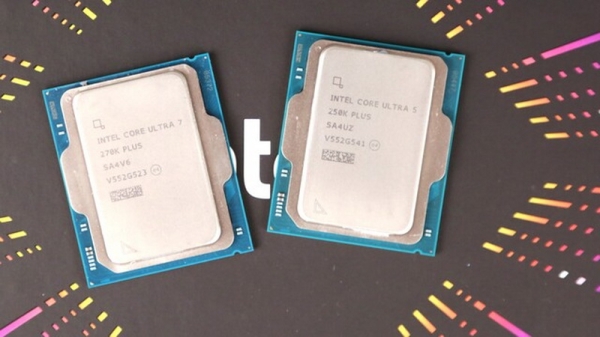
The new Core Ultra 7 270K Plus and Core Ultra 5 250K Plus differ from the Core Ultra 7 265K and Core Ultra 5 245K models with an increased number of energy-efficient E-cores, a 100 MHz boost in the maximum Boost clock frequency of P- and E-cores, support for faster DDR5-7200 memory instead of DDR5-6400, and an increased interconnect (bus) frequency of 900 MHz (from 2.1 to 3.0 GHz). This should reduce latency, including memory access. Essentially, this means that Intel has simply activated the Intel 200S Boost technology in the new Arrow Lake Refresh by default. Additionally, the performance increase of the new chips is expected to be supported by a new mechanism called Intel Binary Optimization Tool (iBOT). This is a layer of binary code optimization that the company claims can enhance the number of instructions executed per cycle (IPC) in specific games—even if they were originally optimized for a different architecture. This feature is available in the extended Intel Application Optimization mode.
The Core Ultra 7 270K Plus features 24 cores in an 8P + 16E configuration. The base clock frequency for P-cores is 3.7 GHz, while for E-cores it’s 3.2 GHz. The turbo frequency for P-cores is rated at 5.4 GHz, and for E-cores at 4.7 GHz. On its two fastest P-cores, it can boost up to 5.5 GHz in Turbo Boost Max Technology 3.0 mode. The chip has a nominal TDP of 125 W (maximum 250 W). The Core Ultra 5 250K Plus has 18 cores in a 6P + 12E configuration. The base clock frequency for P-cores is 4.2 GHz and for E-cores it’s 3.5 GHz. The turbo frequency for P-cores is rated at 5.3 GHz, and for E-cores at 4.7 GHz. The chip has a nominal TDP of 125 W and a maximum of 159 W.
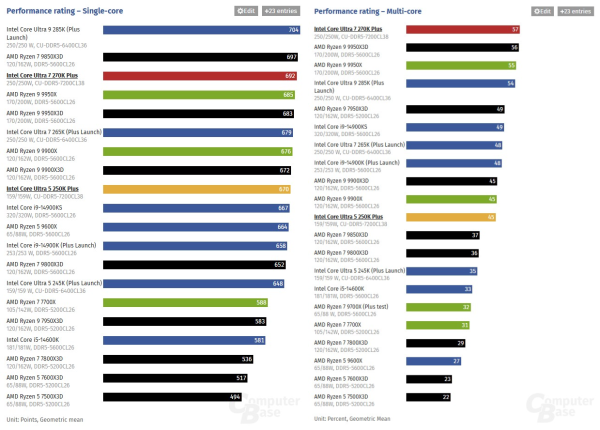
According to Computer Base, the Intel Core Ultra 7 270K Plus offers an 18% increase in performance in applications compared to the previous Core Ultra 7 265K. The Intel Core Ultra 5 250K Plus even provides a 26% increase in productive performance compared to the Core Ultra 5 245K.
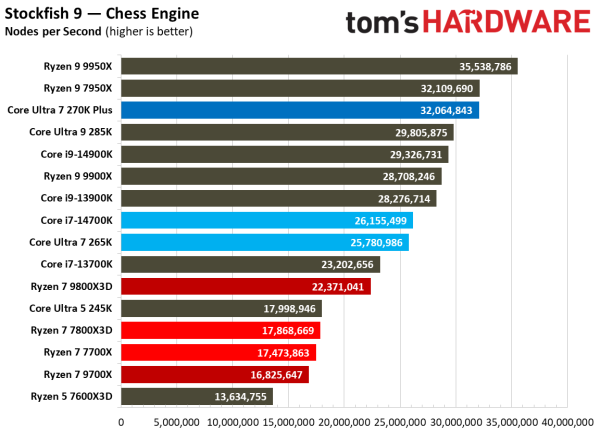
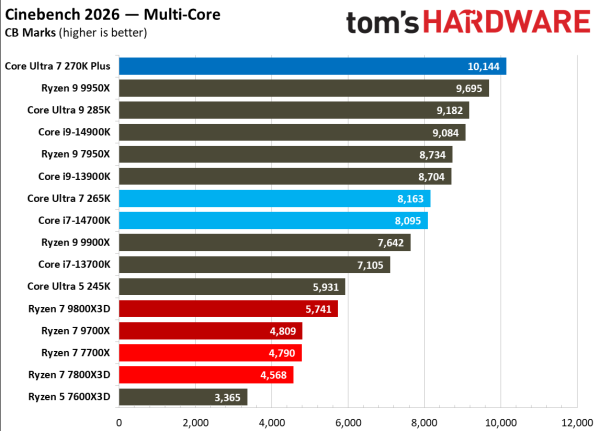
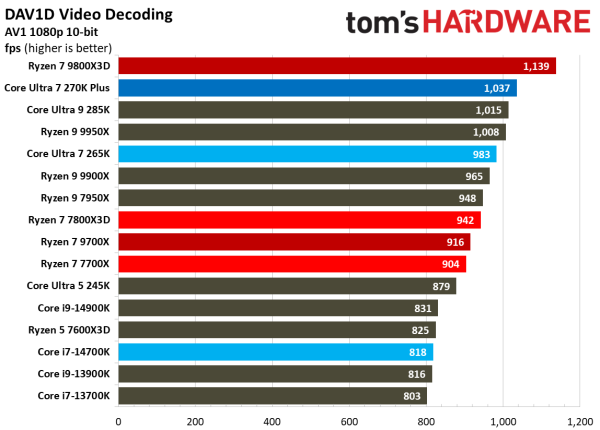
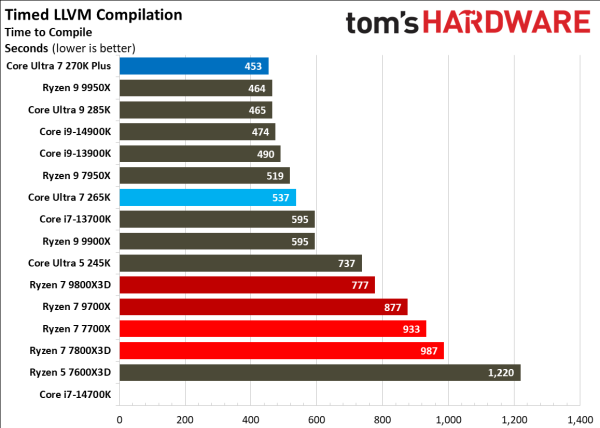
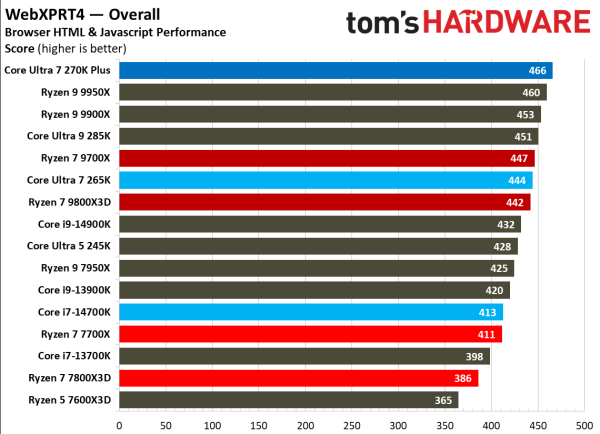
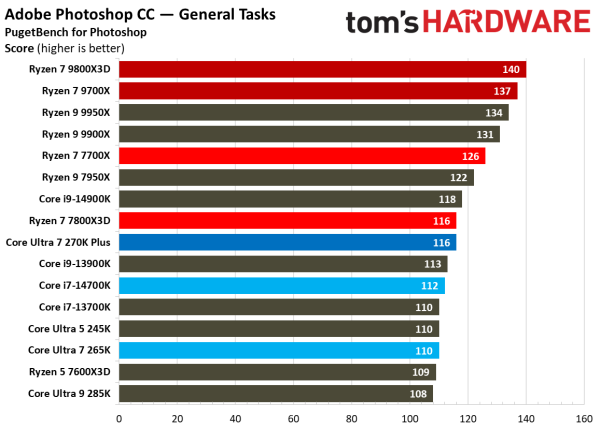
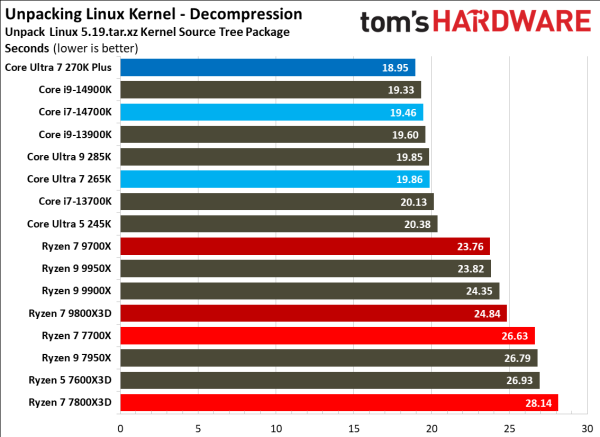
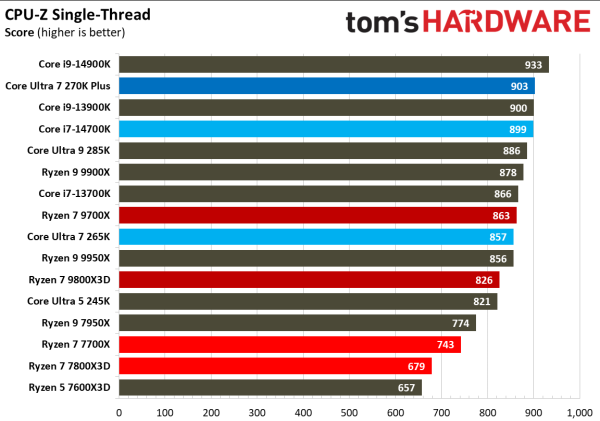
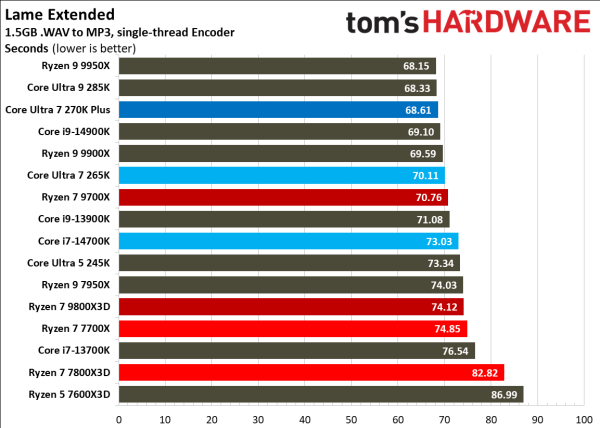
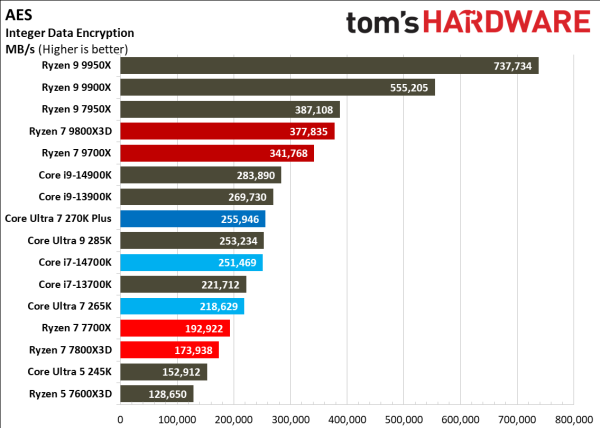
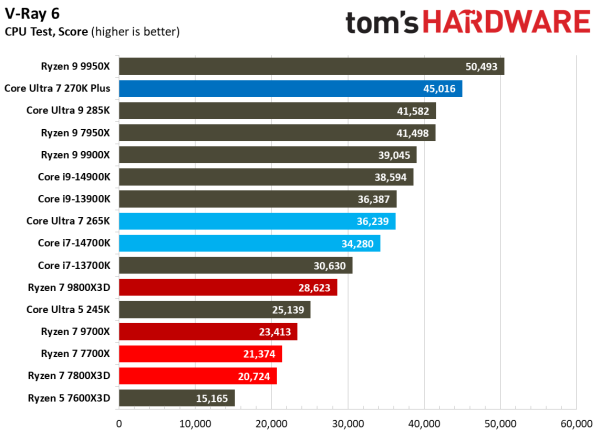
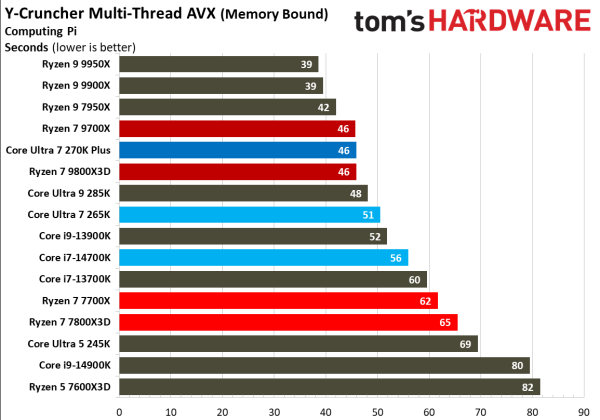
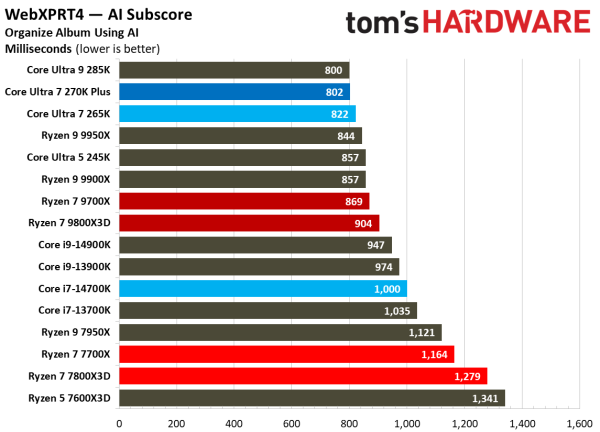
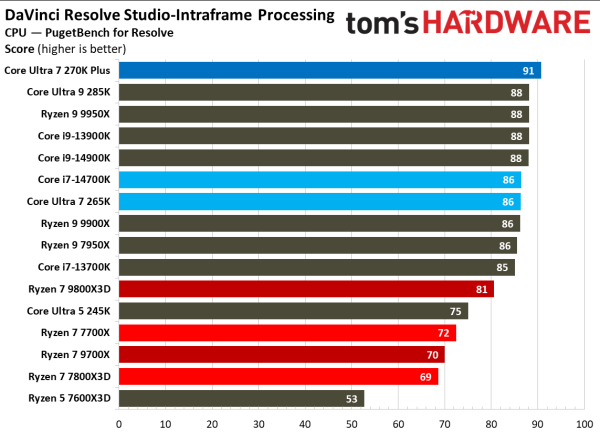
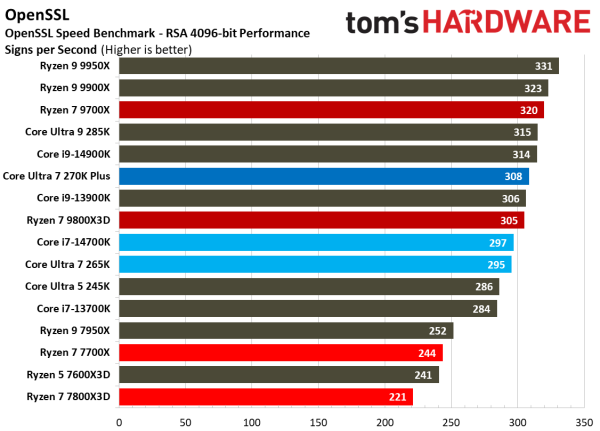
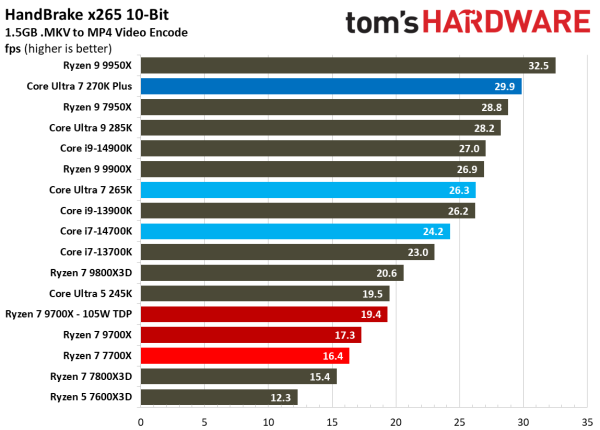
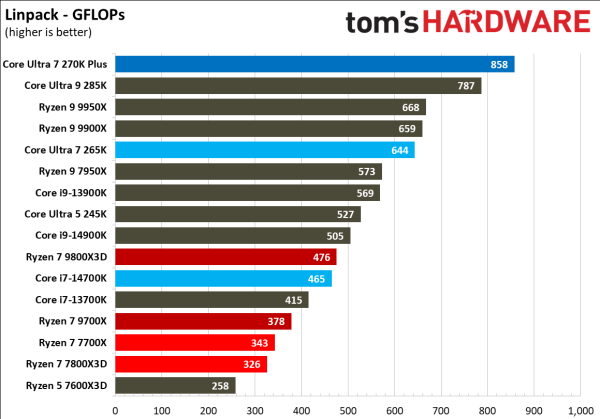
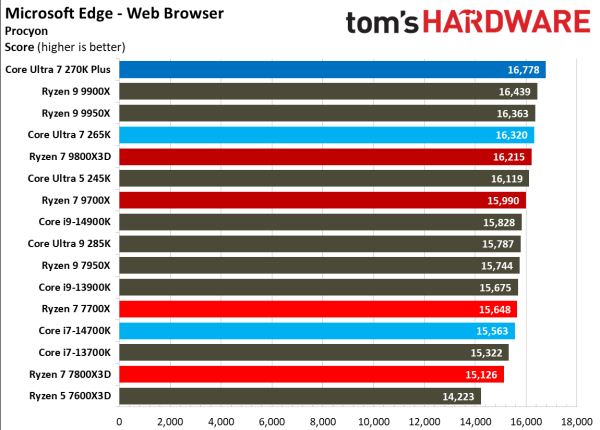
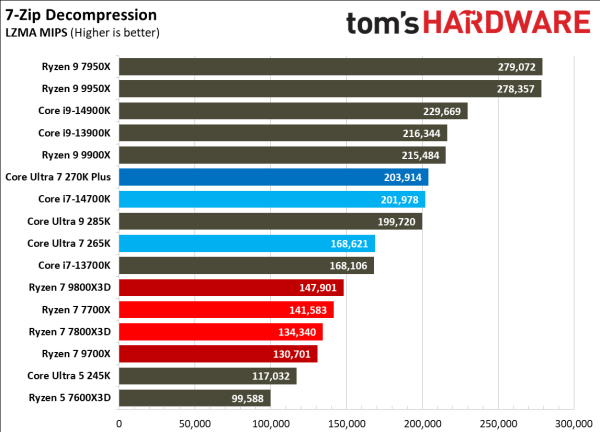
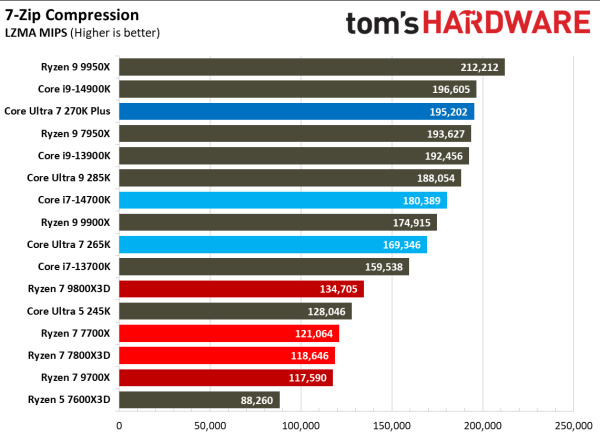
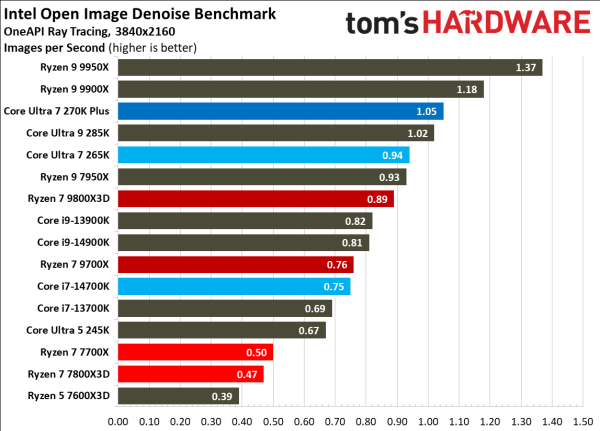
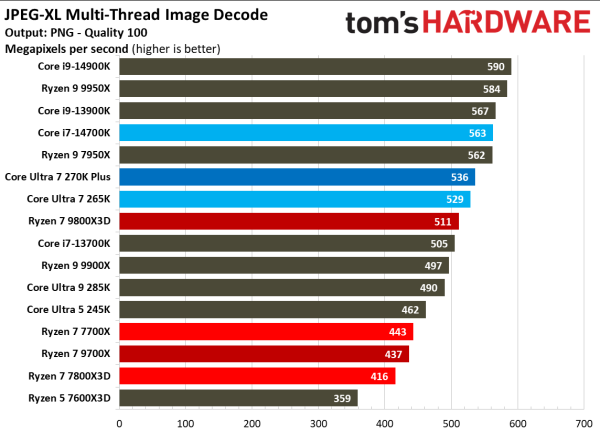
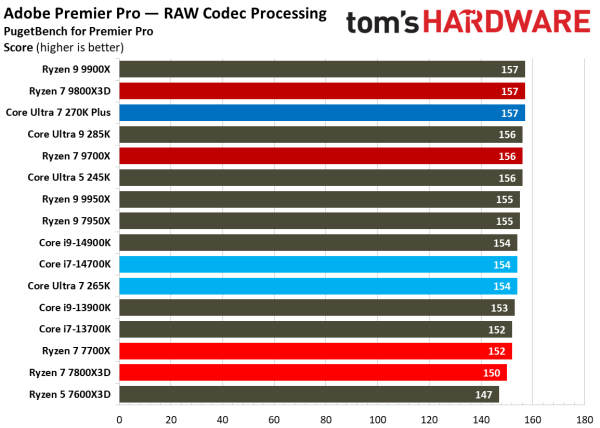
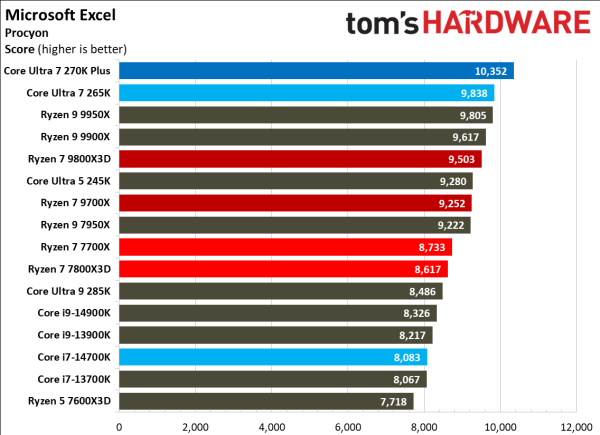
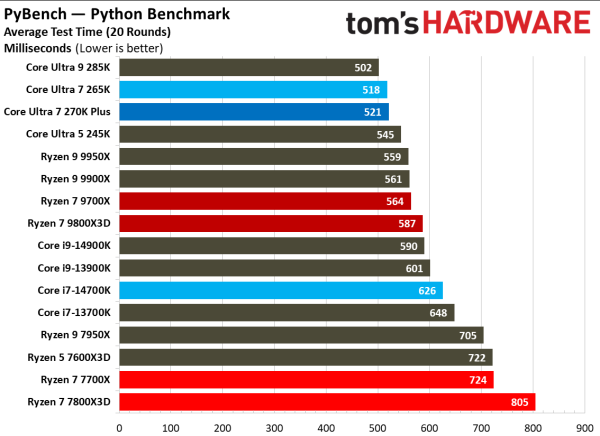
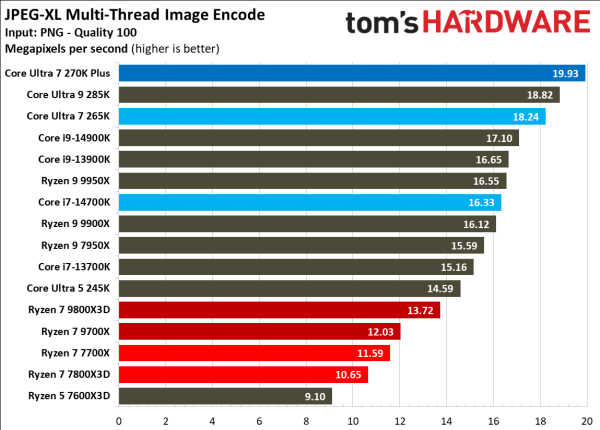
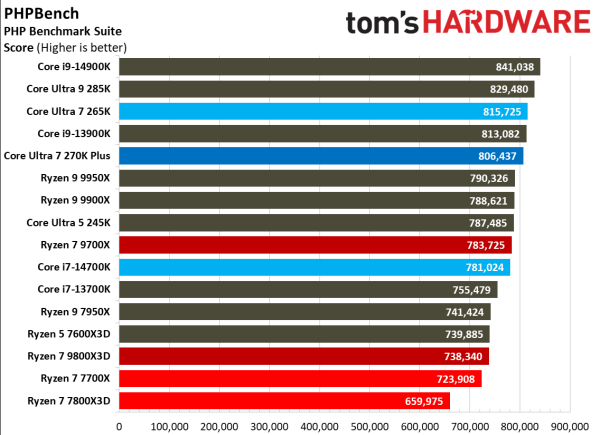
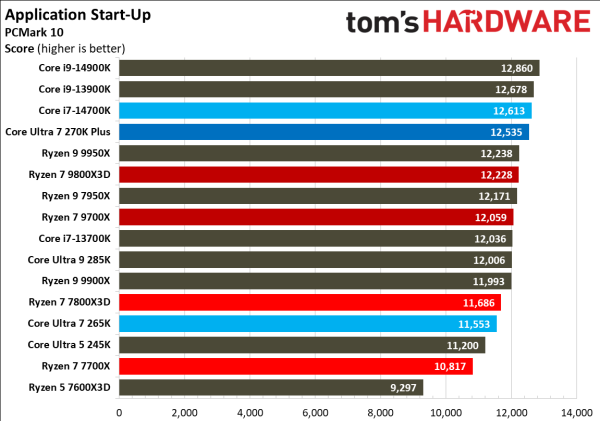
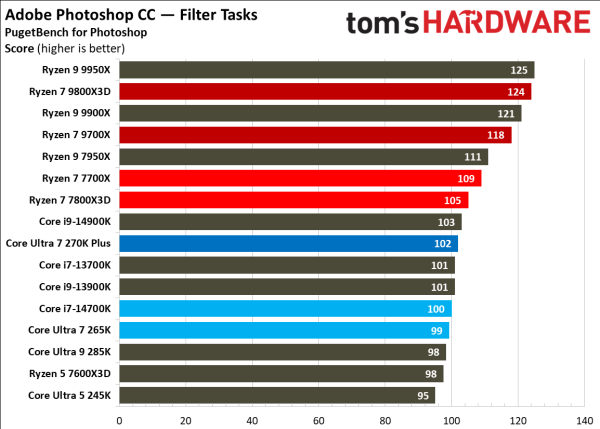
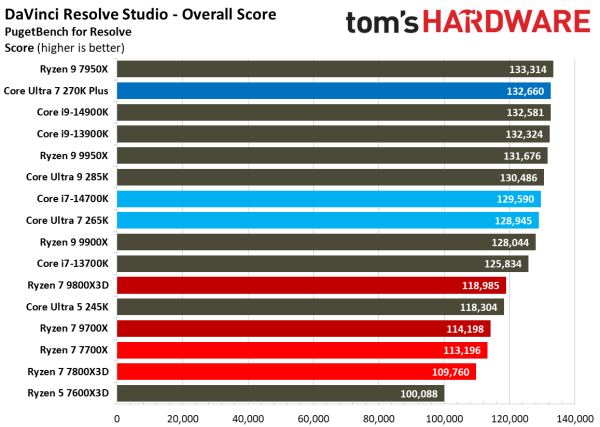
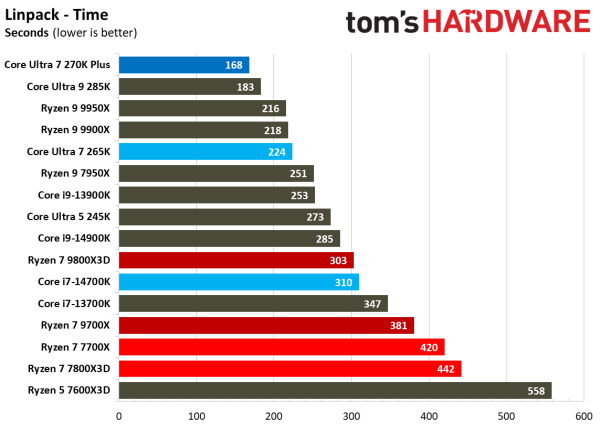
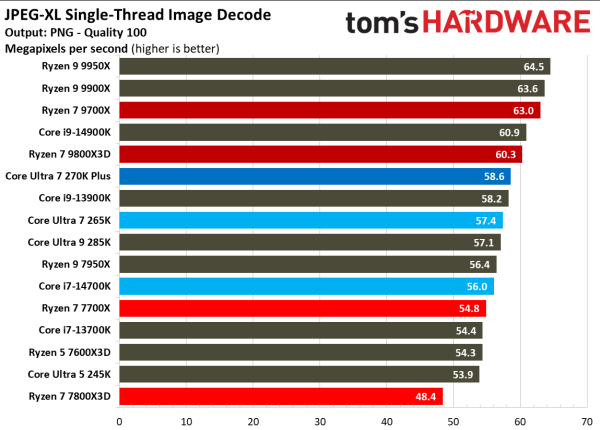
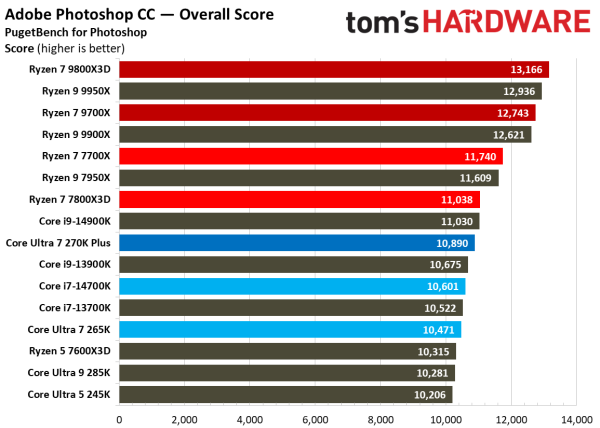
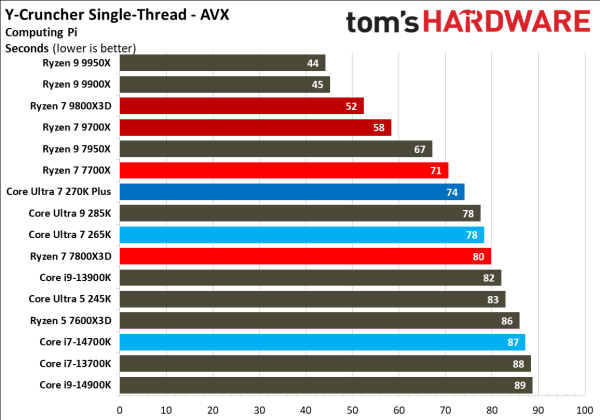
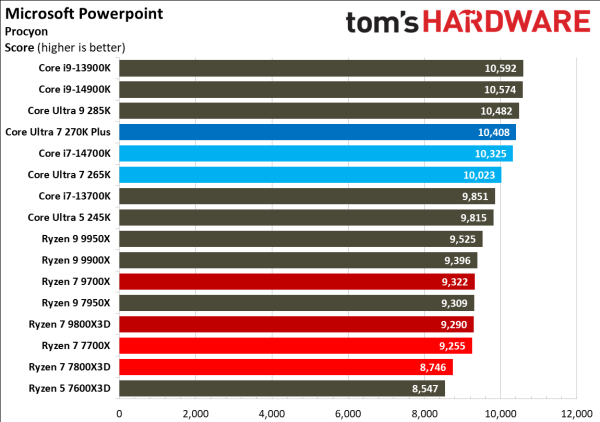
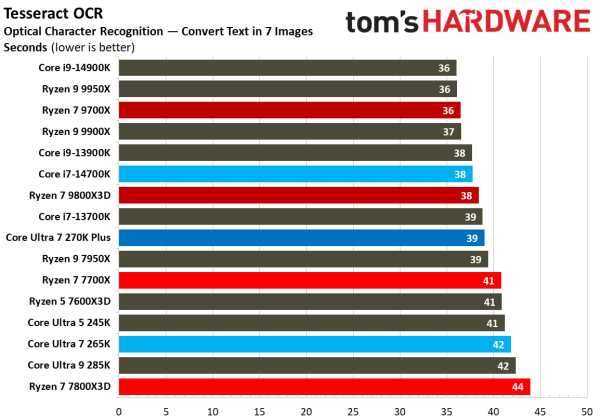
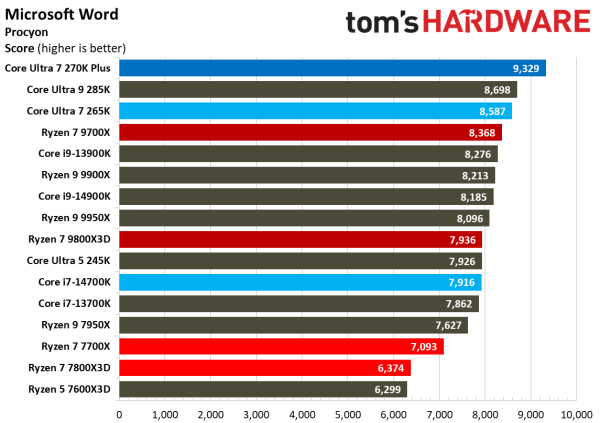
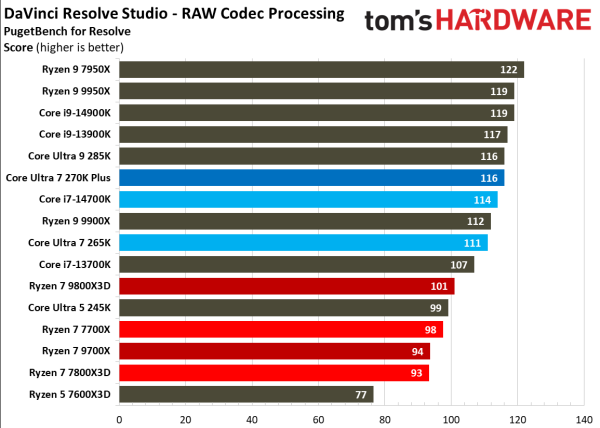
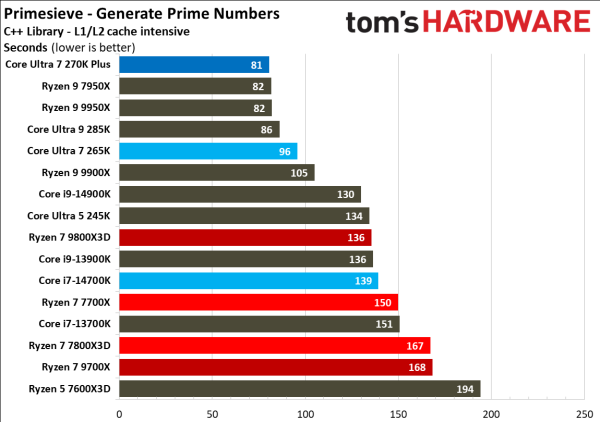
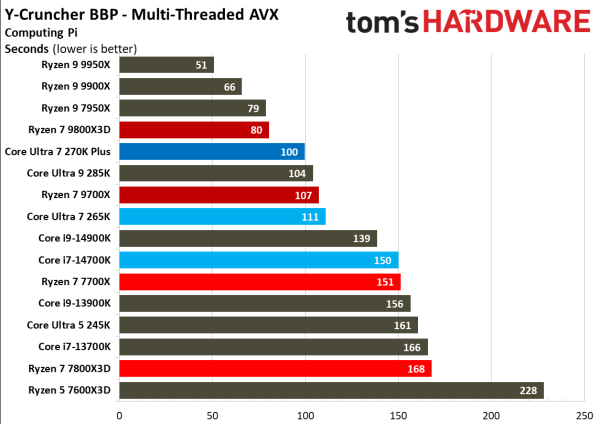
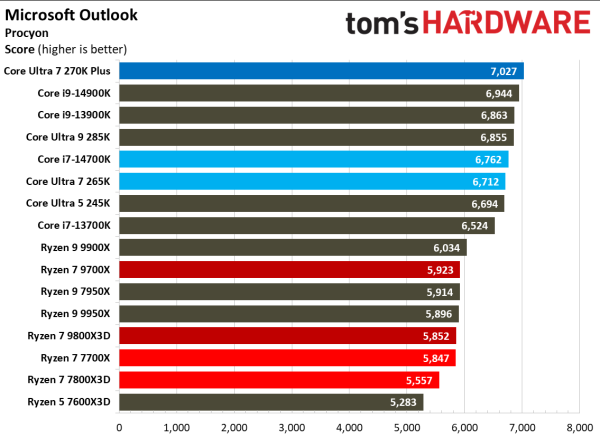
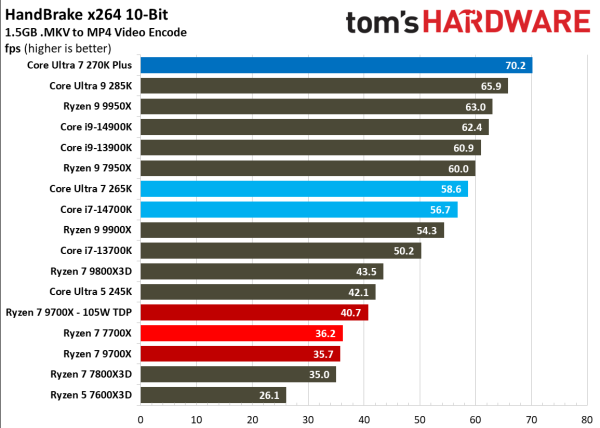
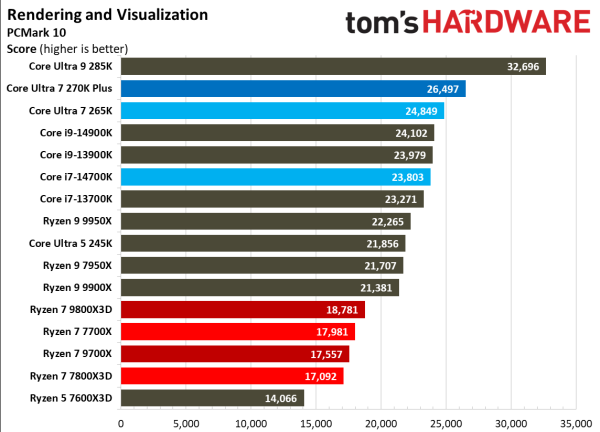
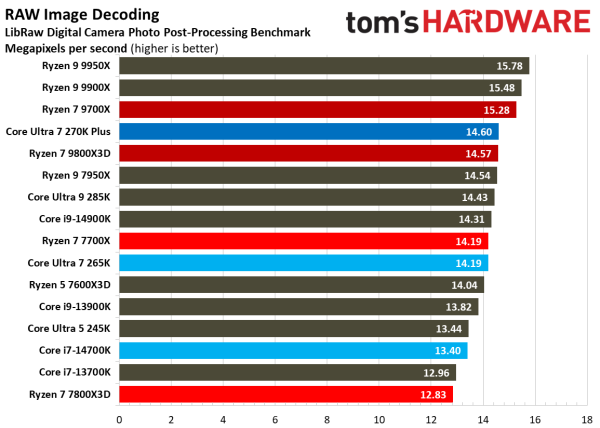
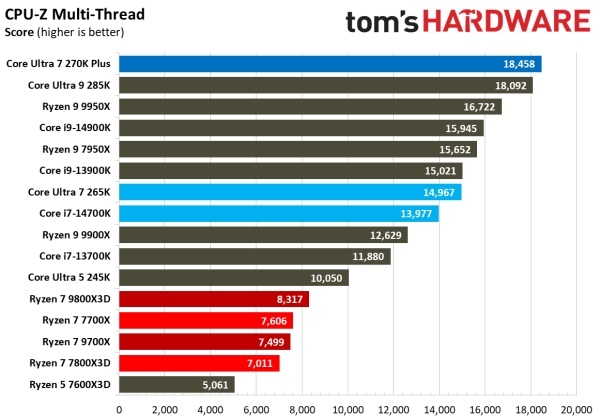
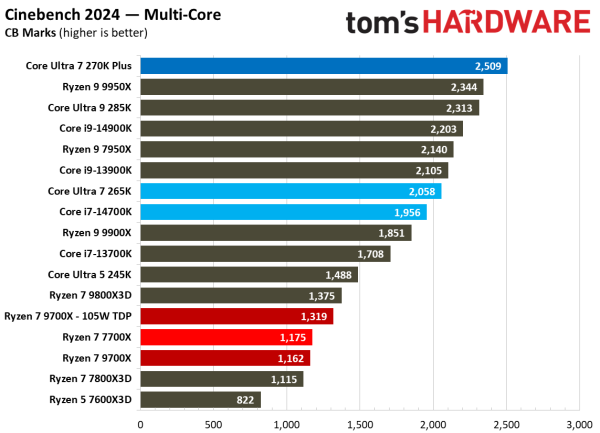
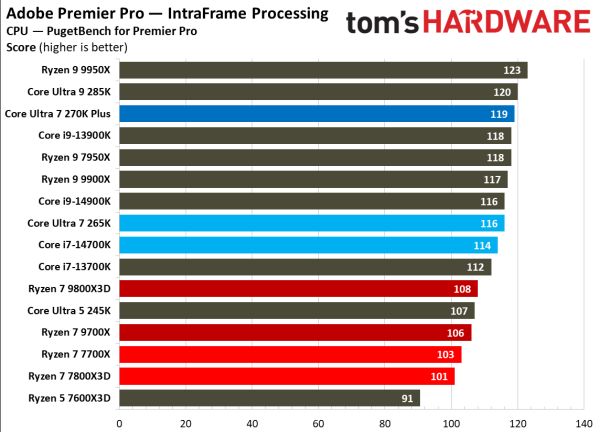
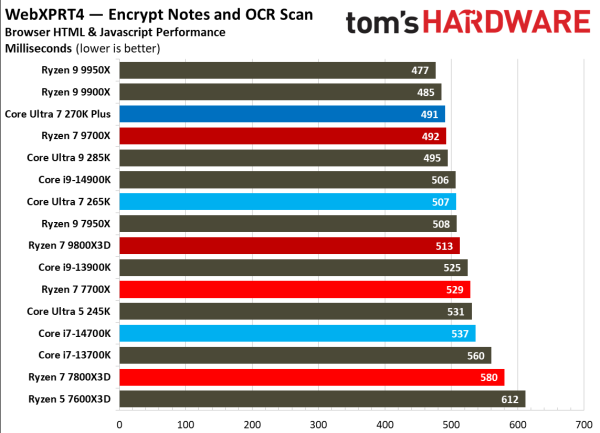
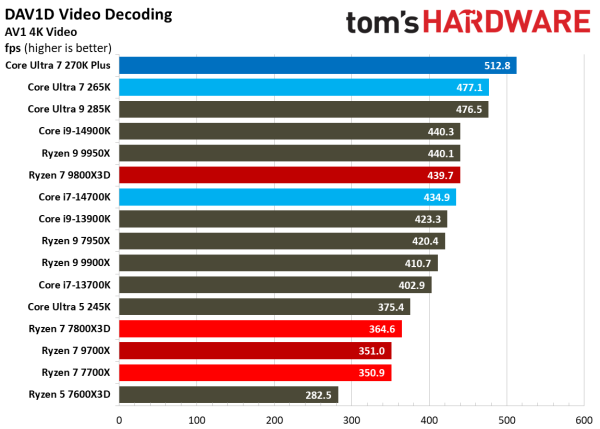
The Tom's Hardware portal provides the following data for the Core Ultra 7 270K Plus. Compared to the AMD Ryzen 9 9950X, the Core Ultra 7 270K lags behind by only 1.2% in multi-threaded load tests. At the same time, it is 7.7% faster than the Core Ultra 9 285K, 21% faster than the Core Ultra 7 265K, and 102% faster than the Ryzen 7 9700X. Using a TDP of 105W, as with the Ryzen 7 9700X, the Core Ultra 5 250K Plus outperforms it by 77%. In single-threaded tasks, the Core Ultra 7 270K Plus is only 1.4% ahead of the Core Ultra 9 285K. Compared to the Core Ultra 7 265K, the difference is 3.3%, and against the Ryzen 7 9700X, the Intel chip is 10% faster. Below in the gallery, you can review individual tests.
Source: 3dnews.ru
