

We are all used to communication towers and masts looking dull or unattractive. Fortunately, history has had — and continues to have — interesting and unusual examples of these, essentially, utilitarian structures. We've compiled a small selection of communication towers that we found particularly noteworthy.
Stockholm Tower
Let's start with the 'trump card' — the most unusual and oldest construction in our selection. It's hard even to call it a 'tower.' In 1887, a square-section tower was built in Stockholm from steel trusses. With turrets at the corners, flagpoles, and perimeter decorations — it's a beauty!
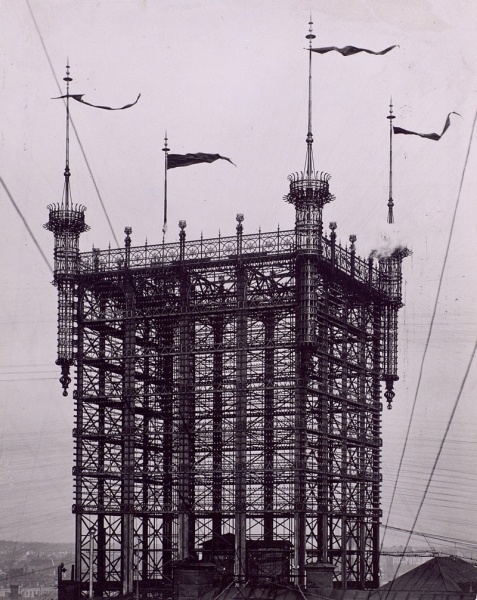
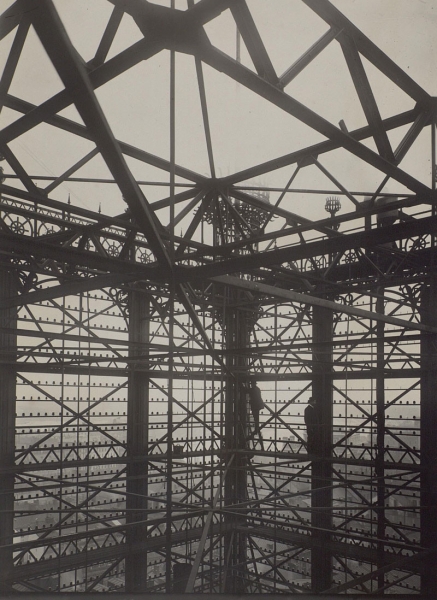
The tower looked especially magical in winter when the wires would ice over:
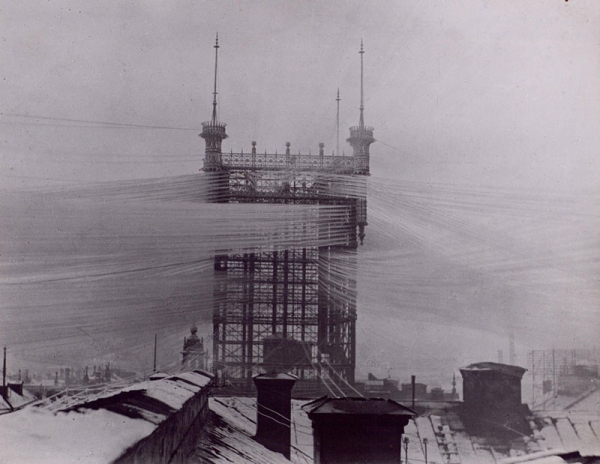
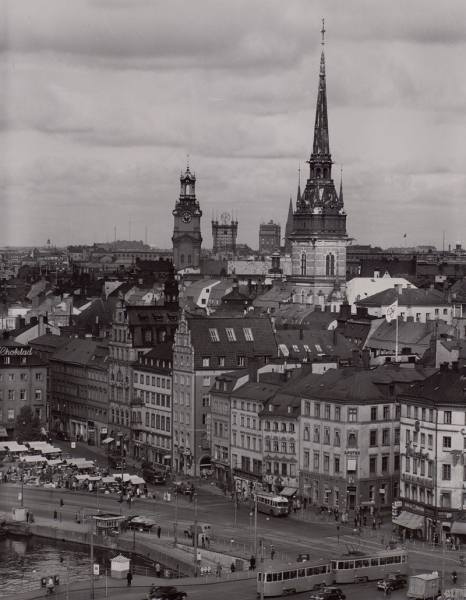
In 1913, the tower ceased to be a telephone hub, but it was not demolished and was preserved as a city landmark. Unfortunately, exactly 40 years later, a fire broke out in the building, and the tower had to be disassembled.
Microwave Network
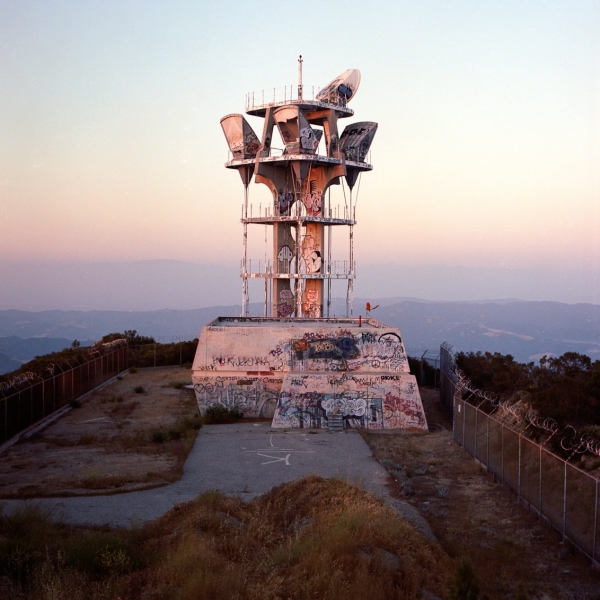
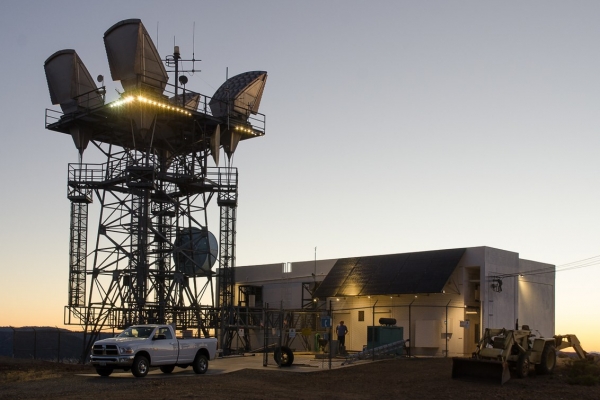
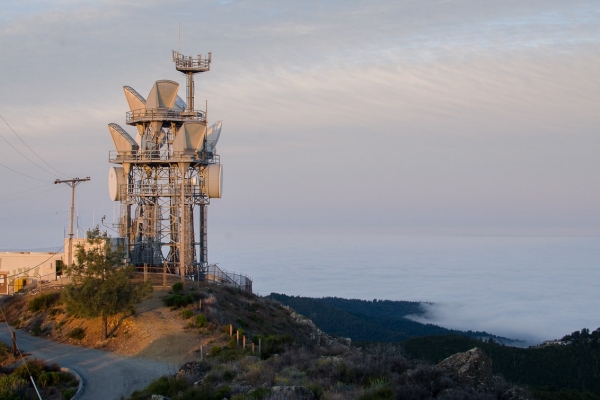
In 1948, the American company AT&T launched an expensive project to create a network of radio relay towers in the microwave frequency range. By 1951, the network, consisting of 107 towers, was put into operation. For the first time, it was possible to make phone calls across the country and transmit TV signals entirely 'through the air,' without using wired networks. The bell mouths of their antennas somewhat resemble gramophones or designer speakers built on the principle of a reverse horn.
However, later the network was abandoned because fiber optics replaced microwave radio relay communication. The fate of the towers varied: some rust away idly, others were dismantled for scrap metal, some are used for communication by smaller companies; some towers are utilized for their own needs by local residents.
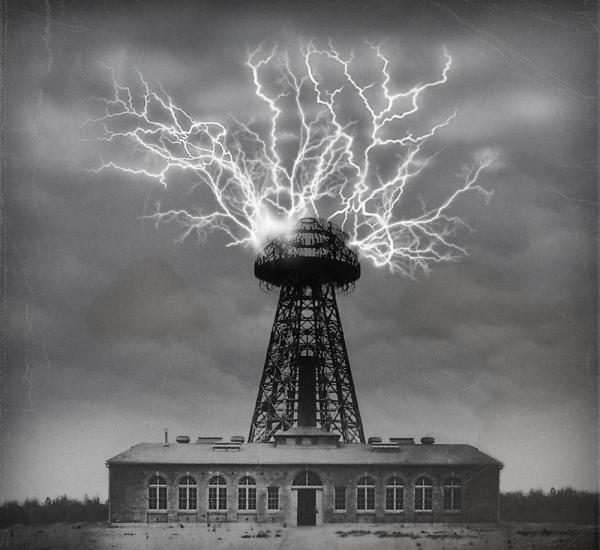
Wardenclyffe Tower
Nikola Tesla was a genius, and undoubtedly still underestimated. Perhaps there was a hint of madness in him. If he hadn’t been let down by investors, he might have gone down in history as the person who changed the lives of all humanity. But now, this can only be guessed.
In 1901, Tesla began the construction of the Wardenclyffe Tower, which was intended to serve as the foundation for a transatlantic communication line. Moreover, with its help, Tesla sought to demonstrate the fundamental possibility of wireless transmission of electricity — the inventor dreamed of creating a worldwide system for the transmission of electricity, broadcasting, and radio communication. Unfortunately, his ambitions conflicted with the business interests of his own investors, leading to the cessation of funding for the project, which had to be closed in 1905.
The tower was built next to Tesla's laboratory:
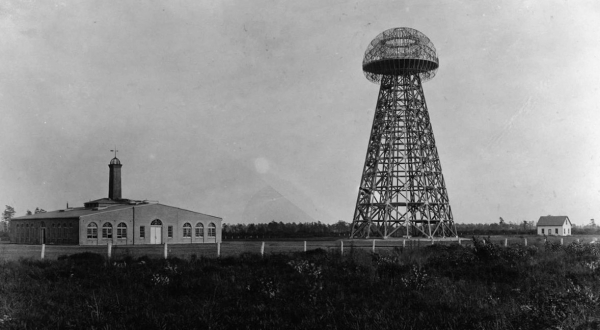
Unfortunately, the creation of the genius has not survived to this day — the tower was dismantled in 1917.
The Three-Pronged Giant
This tower, however, lives on and thrives, being actively used and providing benefits. The structure, standing 298 meters tall, was erected on a hill in San Francisco. Built in 1973, it is still used for television and radio broadcasts. Until 2017, the Sutro Tower was the tallest architectural structure in the city.
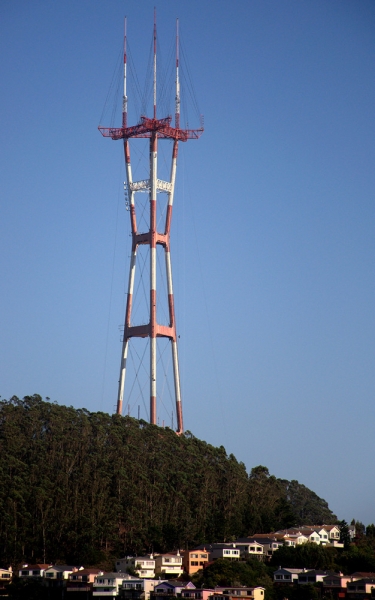
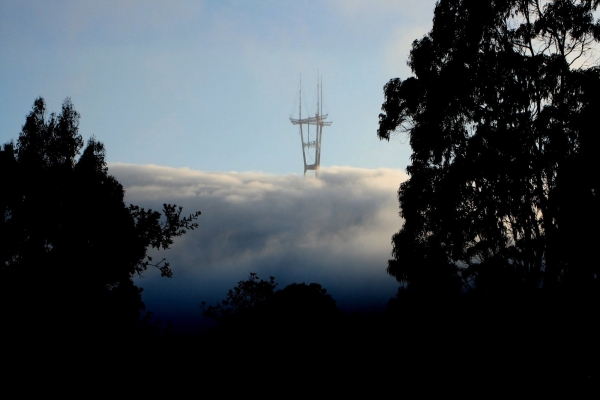
Clicking on this image will open a full-size photograph:
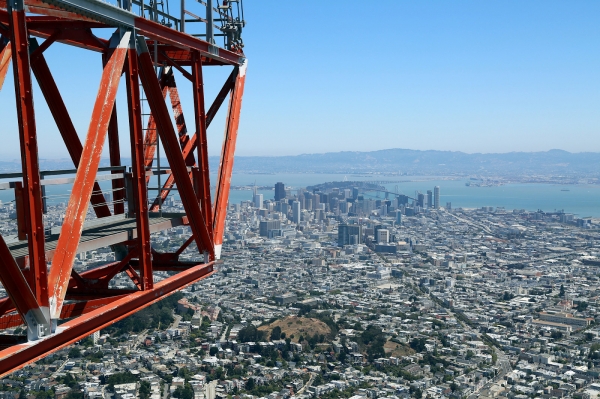
View of San Francisco from the tower:
In Shallow Water
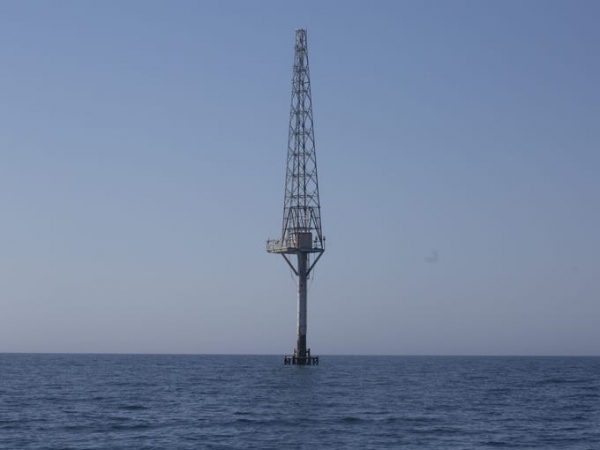
Once, the U.S. Air Force built several radio relay communication towers in the Gulf of Mexico.
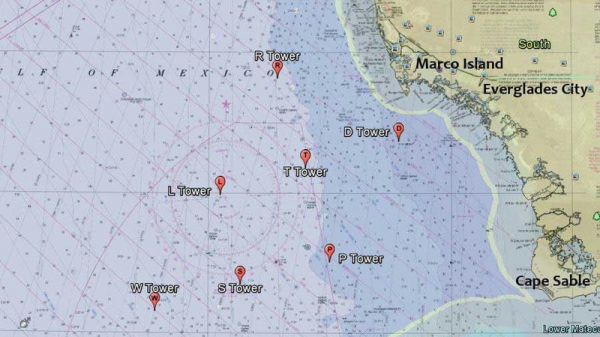
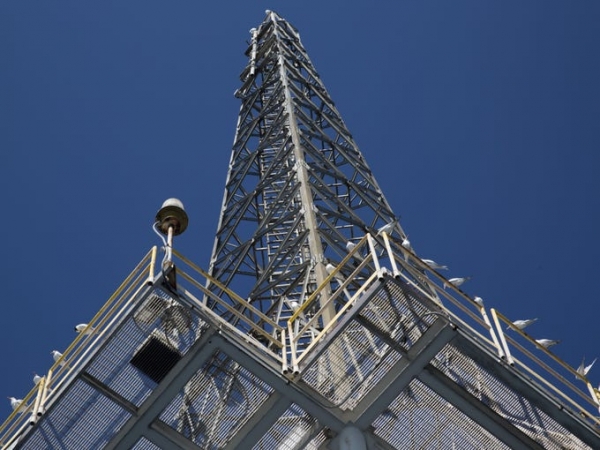
Right on the bottom, steel tripods were mounted on concrete bases, and slender antenna masts with platforms, capable of holding a small house, rise above the water. It is a very unusual sight — a delicate mast sticking out in the middle of the sea.

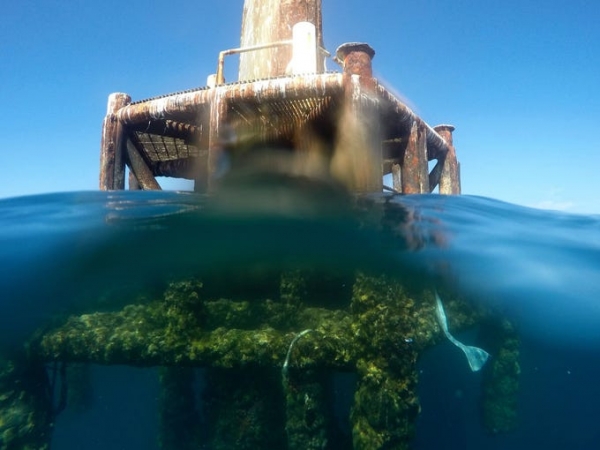
As is often the case, the advancement of communication technology rendered the towers unnecessary, and today the military is unsure of what to do with them: whether to cut them down, sink them, or leave them as they are. Interestingly, over the years, the antennas have turned into a kind of artificial reefs with their own tiny ecosystems, and they have become popular with marine fishing and diving enthusiasts, who even submitted a petition to prevent the destruction of the towers.
Before radio
To conclude our selection, we would like to tell you about the invention of two Frenchmen, the Chappe brothers. In 1792, they demonstrated the so-called "semaphore" — a small tower with a rotating crossbeam, at the ends of which were also rotating blades. The Chappe brothers proposed encoding letters and numbers of the alphabet using different positions of the beam and the blades.
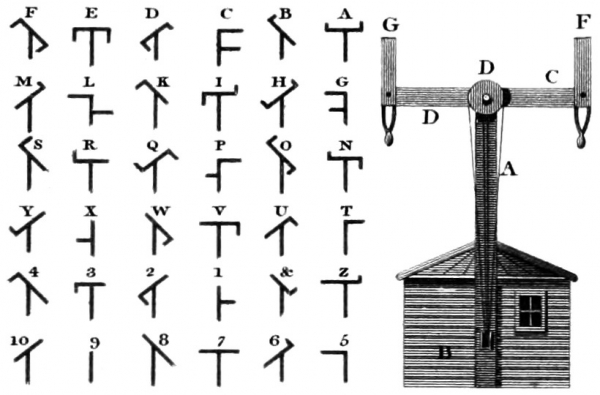
Turning the blades and the beam had to be done manually. Today, it all seems incredibly slow and inconvenient; moreover, this system had a major drawback: it was completely dependent on the weather and the time of day. But at the end of the 18th century, it was an amazing breakthrough — short messages could be transmitted between cities via a chain of towers in about 20 minutes.
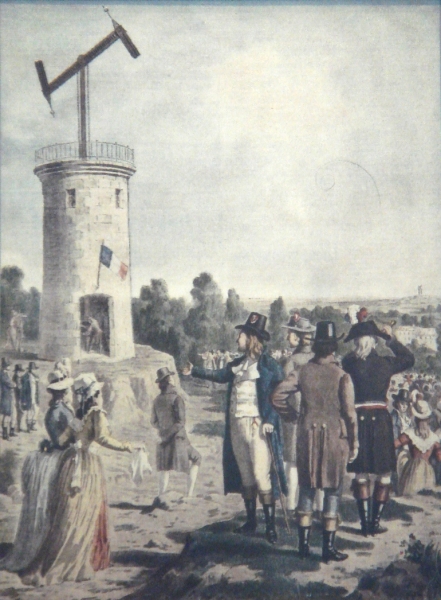
By the mid-19th century, all types of optical telegraphs — including those using light signals — were replaced by electric wired telegraphs. Some architectural monuments still preserve the towers where semaphore towers once stood. For example, on the roof of the Winter Palace.
Source: habr.com
