

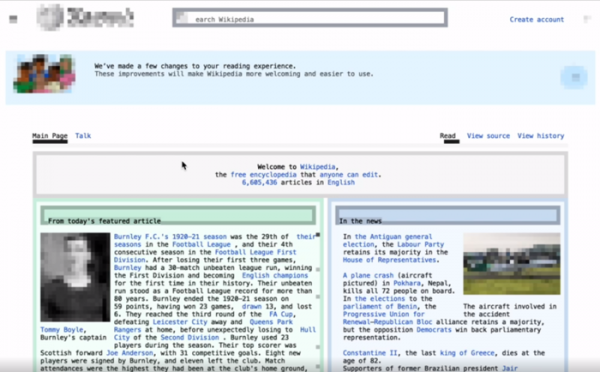
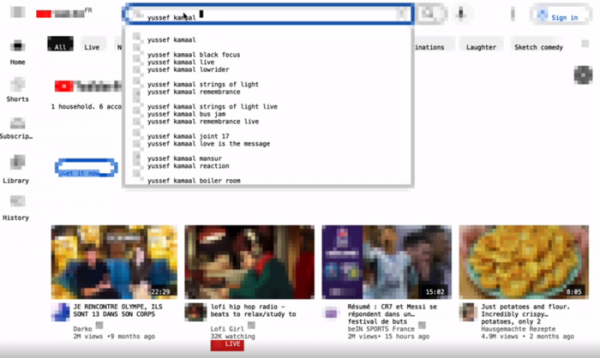
A new console web browser, Carbonyl, has been introduced. It is based on the Chromium engine and can display any websites, including YouTube, in the terminal. The browser supports nearly all Web APIs, including WebGL, WebGPU, and tools for playing video, audio, and animations. It can operate either through direct terminal launch or via SSH connection. The wrapper around the Chromium engine is written in TypeScript, C++, and Rust.
The project continues the development of the html2svg utility, which was originally designed to convert HTML and to vector (SVG, PDF) or raster images (PNG, JPEG, WebP). It is now employed as a basis for rendering in the terminal. Terminal capabilities such as xterm-256 are utilized to output unicode characters in color—a virtual pixel is represented by the symbol U+2584 ("▄"). Given the aspect ratio of this symbol is 1:2, it allows for the display of two square pixels based on it, where the upper pixel sets the background color and the lower sets the foreground.
To track mouse movement, cursor relocation, and text color changes, xterm escape sequences are used. For the xterm terminal, a 6x6x6 RGB palette can be employed, and with the COLORTERM mode activated, a 24-bit full-color RGB palette is available. The text is rendered in a fixed size, separate from images. For intercepting text, a separate handler is attached in the Skia library. The rendering code is optimized for terminal work and allows for graphics to be displayed at a refresh rate of 60 FPS with minimal CPU load.

Source: opennet.ru
