

Red Hat developer Bastien Nocera possible solution to the memory shortage in Linux. This application, called Low-Memory-Monitor, is designed to address system responsiveness issues when RAM is low. It is expected to improve the user experience in Linux on systems with limited memory.
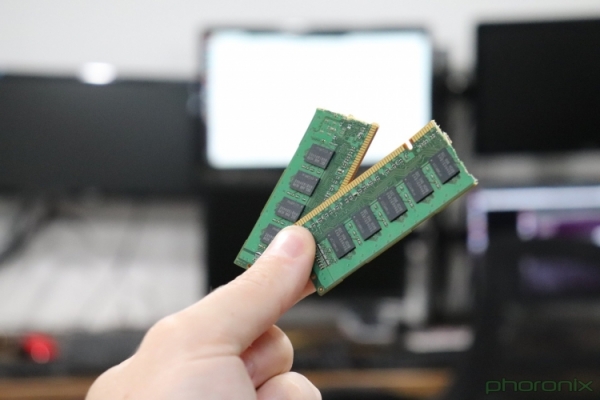
The principle of operation is simple. The Low-Memory-Monitor daemon monitors the amount of free RAM and alerts user-space applications when it falls critically low. After that, necessary actions can be chosen—such as terminating unnecessary programs or stopping their execution.
Interestingly, a similar tool to Low-Memory-Monitor has existed on Android for a long time. The program itself on FreeDesktop.org, and anyone can download it. However, there are currently no results from comprehensive testing of the utility, making it difficult to discuss its effectiveness. Still, the fact that the issue is at least being addressed is encouraging. It’s possible that in the future, Low-Memory-Monitor or a similar system will become part of the kernel or at least recommended software.
It should be noted that such a problem on Windows does not lead to the desktop 'freezing.' However, there is a possibility that the explorer.exe process might 'crash' from memory and would need to be restarted manually. Nevertheless, the desktop itself would continue to function.
Thus, it turns out that proprietary software also has a couple of aces up its sleeve, and open source isn’t always better just because of its openness.
Source: 3dnews.ru
