


Hello, %username%!
It's evening again, I have nothing to do, and I decided to spend some time writing the third part of my series on poisons. I hope you read the and part, and you enjoyed it.
In the third part, we'll take a little break. There won’t be a discussion about those poisons you encounter everywhere — quite the opposite. There won't be a debate on the harm of alcohol and nicotine.
In the third part, I will gather those poisons that I found interesting for some reason (if such a word can even be applied to poisons — but as I said before: I'm an artist, that's how I see it).
So, here’s my deadly top ten once again! Let's go.
Tenth Place
Homidium Bromide
Humanity has always been curious. And in its curiosity, it sometimes accidentally creates monsters.
Homidium bromide was created as an intercalating agent for molecular biology to identify and study nucleic acids, particularly in the case of DNA or RNA electrophoresis in agarose gel.
The word "intercalating" is key here. By definition, intercalation is the reversible inclusion of a molecule or group between other molecules or groups. Homidium bromide interacts with nucleic acids by inserting itself between the bases.
For those interested — it looks something like this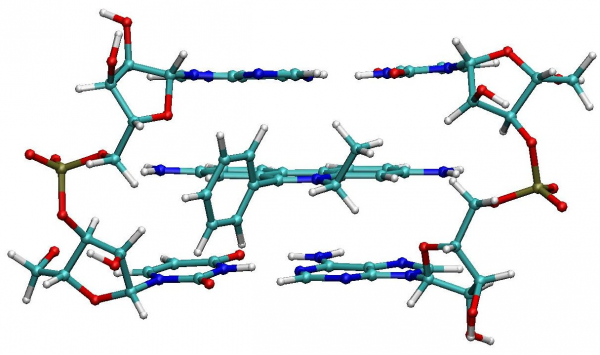
In practice, even in small doses, homidium bromide inhibits DNA and RNA synthesis and unwinds the supercoiling of circular DNA. This substance is almost the most potent mutagen known.
There is no information in the literature about how much homidium bromide one should take to guarantee death. There is no information on how that death would occur. Scientists still argue whether this substance has carcinogenic properties.
%username%, homidium bromide is a great way to learn something new about your body in the spirit of S.T.A.L.K.E.R. Go for it!
Ninth Place
NNG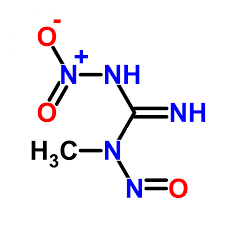
If the tenth place didn't satisfy you — meet: N-methyl-N’-nitro-N-nitrosoguanidine! Or simply and modestly: BFG NNG.
Remember I mentioned the "almost most powerful mutagen"? Well, NNG is the most powerful. Unlike the weak homidium bromide, NNG always causes more than one mutation per cell. The masters of genetic engineering used NNG in their experiments with E. coli.
By the way, NNG is 100% carcinogenic. Tumors in this case arise multiple times and are always recurrent.
Moreover, NNG:
- Unstable. This substance is a powder, but it constantly decomposes, and when stored in a closed vessel, it explodes.
- Reacts violently with water.
- Can explode upon impact.
- Sensitive to heat, light, and moisture — it can explode without warning.
- Easily flammable.
- Incompatible with aqueous solutions, acids, alkalis, oxidizers, reducers — reacts violently with explosions.
- Alkaline hydrolysis during deactivation releases toxic and explosive gases.
Although in terms of toxicity, NNG is quite mild: rats die at doses around 90 mg/kg. Considering the main properties of NNG, one could say that they are lucky.
Eighth place
Heptyl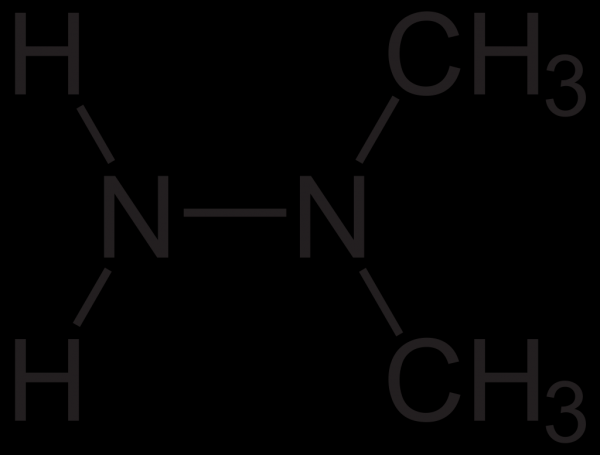
For centuries, humans have dreamed of flight. Last century, this dream was realized through space travel. With each passing year, humanity nurtured thoughts of exploring the Moon, Mars, and flying to the stars.
Then the race dwindled. Competition disappeared, enthusiasm waned, everyone started counting money and suddenly realized that it's much more interesting to make money from smartphones and processors than to travel somewhere.
But that's not what I'm talking about. Heptyl — or asymmetric dimethylhydrazine (UDMH, 1,1-dimethylhydrazine) — is a component of high-boiling (with a boiling point above 0 °C) rocket fuel. Tetraoxide of dinitrogen (N2O4) is often used as an oxidizer in combination with heptyl, either pure or mixed with nitric acid. There are known cases of using pure acid and liquid oxygen. To enhance the properties of heptyl, it was used in a mixture with hydrazine, known as Aerozine.
This fuel (which is indeed rocket fuel!) has been and continues to be used, in particular, in Soviet launch vehicles such as 'Proton', 'Kosmos', 'Cyclone'; American ones from the 'Titan' family; French ones from the 'Ariane' family; in the propulsion systems of manned spacecraft, satellites, orbital, and interplanetary stations.
Hydrazine is a colorless or slightly yellowish transparent liquid with a sharp unpleasant smell, typical of amines (the smell of spoiled fish, similar to ammonia, very close to the odor of sprats). It mixes well with water, ethanol, most petroleum products, and many organic solvents. It self-ignites when in contact with oxidizers based on nitric acid and dinitrogen tetroxide, simplifying the design and allowing for easy ignition and the capability of multiple starts of rocket engines. This is one of its advantages, which is also complemented by a high efficiency per unit mass of fuel mixture (it surpasses the oxygen + kerosene pair and the oxygen + hydrogen pair in density — 1170 kg/m³ compared to 1070 kg/m³ and 285 kg/m³, respectively) and the ability to store rockets fueled under normal temperatures for extended periods.
Now about the unpleasant part.
- Hydrazine is four times more toxic than cyanide. Effects on the human body include: irritation of mucous membranes of the eyes, respiratory tract, and lungs, severe excitation of the central nervous system, gastrointestinal distress (nausea, vomiting), loss of consciousness, and death.
- Flashpoint −15 °C; autoignition temperature 249 °C; concentration limits for flame propagation 2—95 % by volume. This means that hydrazine ignites very readily and burns with great intensity (who would doubt this).
- Hydrazine vapors are extremely explosive, only outmatched by hydrogen-oxygen mixtures.
- Mutagen. Carcinogen. It is so potent that it is used to reliably induce colorectal carcinoma in rats in tumor studies.
What do you think about that, Elon Musk? In short, %username%, I don’t envy you if you live near the spaceport.
Seventh place
Cantharidin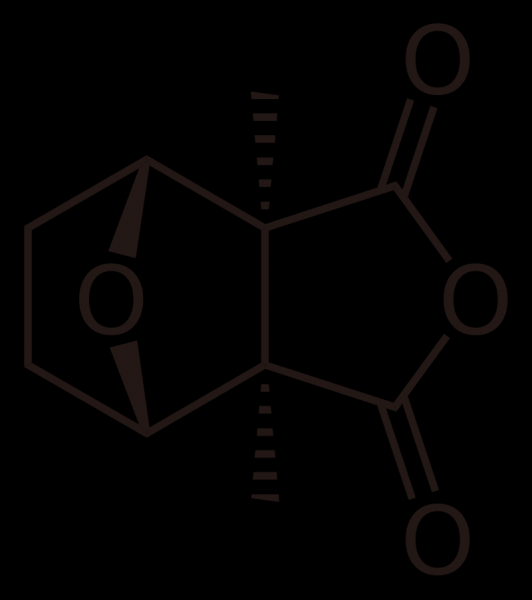
Besides flying, humanity has always had more interesting pursuits. For instance, throughout all ages, men have been quite insecure about their capabilities — and yes, I’m talking specifically about those capabilities!
It’s funny how these days, some guy searching for treatments for angina has definitely hit the jackpot — enter sildenafil — or, as it's commonly known, Viagra. Before, it was much more complicated!
One of the popular options was to take such creatures:
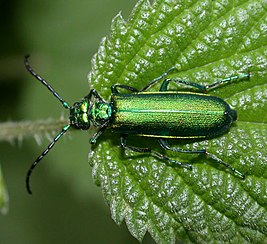
No, %username%, this is not a green cockroach, but a Spanish fly. Its history is quite old and rather colorful.
- In the times of Rome, Livia, the treacherous wife of Octavian Augustus, sprinkled Spanish fly into food hoping to inspire her guests to impropriety, which later helped her blackmail them.
- In 1572, Ambroise Paré wrote a report on a man suffering from "the most terrible satyriasis" (we call it something different now, but look it up yourself) after ingesting a potion containing nettle and Spanish fly.
- In the 1670s, the fortune teller and healer La Voisin offered a "love potion" made from Spanish fly, dried mole blood, and bat (yuck).
- In the "Marseilles Affair," Marquis de Sade was charged with, among other things, using "Spanish flies."
The culprit was cantharidin, which in this beetle can be as high as 5%! By the way, it’s not only that: cantharidin is found in the hemolymph of blister beetles, mays, and some longhorn beetles. And yes, in small doses, it’s exactly what an aging chevalier, surrounded by young courtesans, needs!
The problem is that besides that very effect, cantharidin also has skin blistering properties. But since it was ingested rather than rubbed in, it meant: after entering the digestive tract in doses of about 0.5 mg/kg, rapid-onset intoxication began — abdominal pain, vomiting, blood in urine, acute kidney inflammation, development of kidney failure. A dose level of 40-80 mg/kg reliably and permanently resolved communication not only with women, but with all living things: subsequent autopsies revealed marked hyperemia of mucous membranes, formation of ulcers and hemorrhagic foci, and diffuse lesions found in the liver and kidneys.
Is it worth the risk? History said yes.
Therefore, the success of Viagra is not surprising at all.
Sixth place
Paraquat
Since we're talking about humanity and people, you know, %username%, when I was preparing the list of members for this hit parade, I somehow started to think of algae, mushrooms, and all that maliciously toxic flora and fauna that surrounds us. Because I couldn't find a more malicious and — notably! — indiscriminately toxic creature than a human. And 'indiscriminately' is the key word, as humans poison both flora and fauna, and themselves as well.
Paraquat is an organic compound, the trade name for N,N'-dimethyl-4,4'-bipyridinium dichloride. In the form of quaternary ammonium salt, paraquat is widely used as a potent non-selective herbicide. By the way, %username%, do you have your own website? !
Paraquat is used to eliminate broadleaf weeds and grasses, but it is less effective against deeply rooted weeds. This herbicide does not affect the bark of trees, which is why it is widely used to combat weeds in fruit orchards. In the 1960s, paraquat was also used in the U.S. to combat marijuana and coca plantations in South America (somehow I recalled the story of 'Yellow Rain' and 'Agent Orange' — remind me later if you want to hear that story too).
Paraquat is highly toxic to animals and humans. The lethal dose may be about a teaspoon of the substance. When ingested, paraquat enters all body tissues through the bloodstream, and it is more selectively accumulated in the lungs. This causes swelling and other lung damage, which can lead to fibrosis. Besides the lungs, the liver and kidneys may also be damaged (kidney failure).
Currently, paraquat is used as a herbicide in 120 countries (it is not used in Russia — I was quite surprised!).
Well, what can I say? Enjoy your meal.
Fifth place
Endrin
Endrin was synthesized in 1949 by Kurt Alder. Commercial production of endrin began in the U.S. in 1951, where it was used as a pesticide alongside aldrin. It has been found to be more than twice as effective as aldrin and 10-12 times more effective than DDT. It has proven effective against:
- caterpillars and aphids on tobacco, corn, sugar beets, sugar cane, cotton, and other agricultural crops;
- blackcurrant bud mite, against which all other preparations are ineffective;
- mice and other rodents;
- humans (what???).
Yes, my dear friend, the toxicity of endrin aerosol for humans is comparable to that of cyanide. It primarily affects the nervous system. It is absorbed through the skin. It has a long half-life in the body. Quite lovely, isn't it?
Acute poisoning with endrin is characterized by motor excitement, rapid breathing, muscle twitching, jerks, tonic seizures. Death occurs after several convulsive episodes due to paralysis of the respiratory center. Cases of acute poisoning have been described from consuming bread made from contaminated flour containing endrin at 150—5500 mg/kg. The first signs of intoxication usually appeared after 2—3 hours (general malaise, nausea, vomiting, weakness, and heavy sweating). In more severe cases, seizures, temporary deafness, paralysis, coordination disorders, and paresthesia have been reported. Recovery occurred quickly, however, some reported brief disorientation, aggression, and cognitive impairments as a consequence of poisoning.
In 1969 (18 years later!!!) endrin was removed from the list of substances for plant protection due to its tendency for bioaccumulation (by the way, did I mention that it is insoluble in water?). Nevertheless, this pesticide was used in some countries until the early 90s. According to the Stockholm Convention decision of May 23, 2001, there is a global ban on the production, sale, and use of endrin, as it is one of the extremely toxic and persistent pesticides.
The total amount of endrin produced since 1951 is ~5000 tons, of which more than 2500 tons comes from the USA. No one knows what is happening with it now or if it has been secretly disposed of — and that is concerning.
Fourth place
Ricin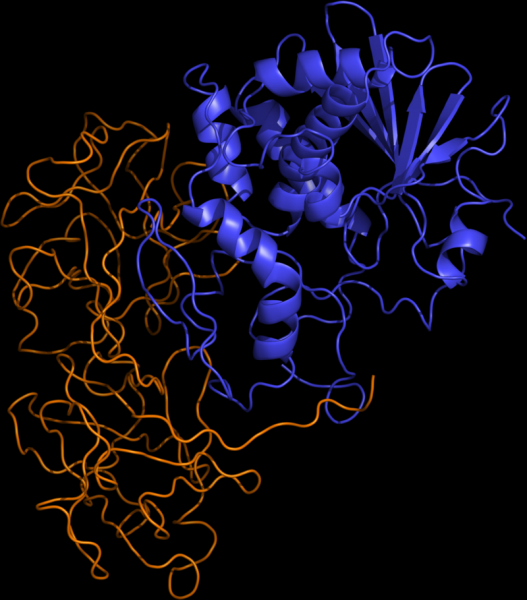
Do you know what sunflower cake is, %username%? It's the residue left after oil is extracted from seeds. My grandfather used to bring home large disks of cake — he would use it to catch fish.
Have you ever seen castor oil, %username%? I’m not asking if you drank it, although by the way — it's the best and most environmentally friendly remedy for some delicate issues.
Have you seen castor pomace, %username%? No? Believe me: you won't see it.
Castor oil is made from the seeds of the castor bean plant — in warm countries, it can grow up to 10 meters tall, but due to the low living standards in our temperate climate, it is an annual plant that reaches a height of 2 to 5 meters.
This is what this little herb looks like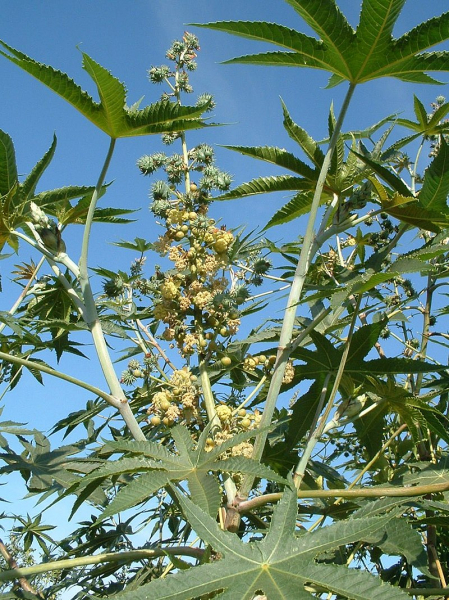
And this — 'castor beans'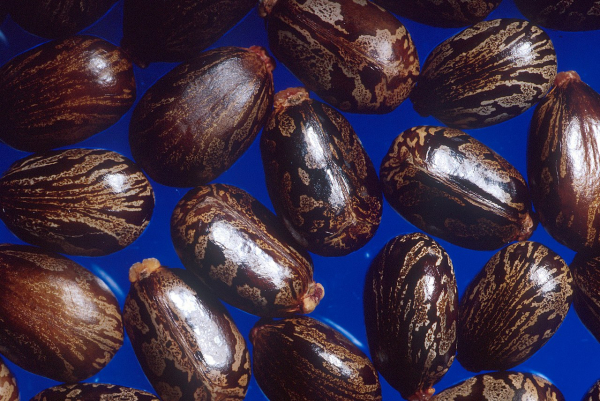
So, %username%, you will never see castor pomace, because it is a strategic poison subject to strict accounting and disposal. The glycoprotein ricin, found in castor bean seeds, is the most potent plant toxin in the world, unless you consider algae as plants. Ricin is 6,000 times more toxic than potassium cyanide. The mechanism of ricin's toxic action is also fascinating: it inhibits protein synthesis by ribosomes. In other words, those tiny intracellular structures that synthesize everything and make cells useful suddenly stop working. Everywhere. Such an intracellular strike.
In practice, the strike manifests as: nausea, vomiting, pain and burning in the esophagus and stomach, diarrhea, headache, drowsiness, anuria, leukocytosis, agglutination of red blood cells (when they clump together and settle in the vessels and heart) — and then collapse and death. It's quite simple.
Since a tiny dose of ricin the size of a pinhead is enough to kill an adult, it is clear that this has become very interesting for humans, and methods of using ricin as a weapon of mass destruction were studied by military agencies in various countries since World War I. However, due to a number of disadvantages, this substance was never adopted for use.
Nevertheless, ricin has found application in special services. One of the most infamous incidents involving ricin was the assassination of Bulgarian dissident Georgi Markov, who was poisoned in 1978 using a specially designed umbrella injection. According to other reports, the assassin's weapon was a pneumatic gun that fired a microcapsule with ricin disguised as an umbrella. The dose administered to Markov was no more than 450 micrograms (or 0.45 milligrams).
The ease of obtaining the toxin has made it potentially accessible to terrorist groups. In 2001, the press reported the discovery of instructions for making ricin at a destroyed base of Al-Qaeda in Kabul. In 2003, a quantity of ricin was found with terrorists in London, and traces of ricin were detected in a storage cell at the Lyon train station in Paris.
In 2013, several individuals from Mississippi were arrested for attempting to send letters containing ricin to U.S. President Barack Obama and other high-ranking officials. In May of that year, a letter containing threats and ricin was sent to the Mayor of New York City, presumably in response to the activities of the public organization 'Mayors Against Illegal Guns.'
Later in Texas, actress Shannon Richardson was charged with sending letters containing the deadly poison to American politicians. Strangely, no Russian connection was noted here, and as a result, everyone lost interest and the story was forgotten.
Third place
Speaking of weeds, let’s also remember algae. And I'm not talking about those that cling to your legs when swimming — though that's so disgusting, it's worse than any poison (in my opinion). No, I'm talking about the tiny microscopic gunk referred to as 'the sea has bloomed!'. Those that even glow at night, for example, like this:
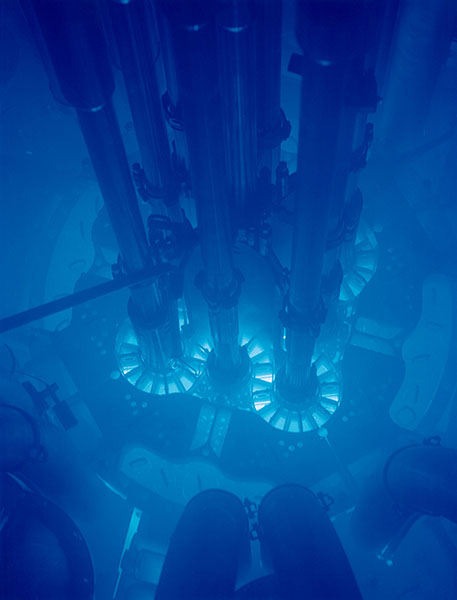
Alright, alright, I admit — I was joking, though it will soon be clear that Cherenkov radiation is just as significant.
Algae illuminate like this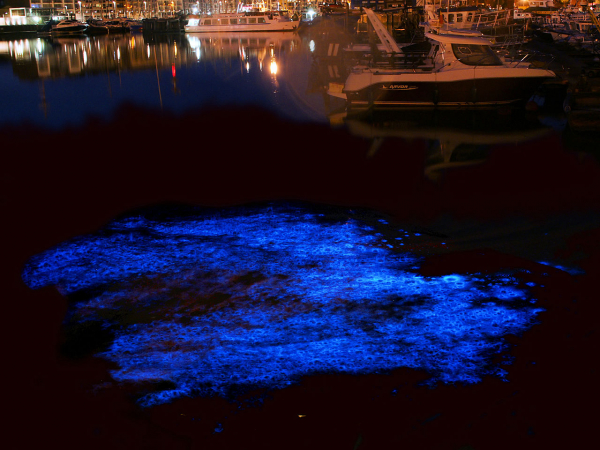
This gunk is small, but there's a lot of it. It is practically at the base of the food chain in the aquatic world. Who even notices it?
And that's a shame.
Special attention should be given to algae known as dinoflagellates and blue-green algae. Specifically:
- Dinoflagellates Gambierdiscus toxicus
- Blue-green algae Gonyaulax catenella, Alexandrium sp., Gymnodinium sp., Pyrodinium sp.
- Dinoflagellates Anabaena sp., Aphanizomenon spp., Cylindrospermopsis sp., Lyngbya sp., Planktothrix sp.
All these friends produce a whole list of toxins recognized as some of the most poisonous substances on this small planet. I will name and describe the most charming ones.
Maitotoxin
Produced by citizen number 1 from the list above. It is the most toxic among the group of brevetoxins: approximately 0.2 µg/kg is enough for your loved ones to definitely receive insurance. The mechanism of action is due to the modification of voltage-gated Ca channels, leading to an increase in Ca2+ concentration inside nerve cells, spontaneous release of acetylcholine into the blood, and sustained postsynaptic depolarization. In short — a powerful and irreversible paralysis.
The myotoxic molecule consists of a system of 32 condensed carbon rings. It is one of the largest and most complex non-protein molecules produced by a living organism. I hope this comforts you if it gets inside you.
Oh yes, I almost forgot, a spicy detail: as a representative of brevetoxins, myotoxicin, before causing flaccid muscle paralysis and respiratory failure, will definitely induce drooling, a strong runny nose, and spontaneous defecation. In short, you won't be able to meet your death with dignity.
Saxitoxin
Produced by group of citizens number 2 and 3 from the list above. Not as cool and beautiful as myotoxicin, but equally misanthropic: consuming 2 µg/kg will make all humanity miss you. The mechanism of action of saxitoxin involves blocking voltage-gated sodium channels in nerve fibers. This prevents the conduction of nerve impulses and induces muscle paralysis.
Saxitoxin is interesting in that its name is related to quite edible mollusks of the genus Saxidomus, which are also known as 'Washington clams' and 'butter clams'. Well, from the name, it's clear where they are loved to be eaten. These lovely creatures indulge in algae, and when they are abundant during their massive reproduction periods ('red tides'), they tend to accumulate all toxins within themselves. I don't know why: one might think of evolution, of increased resistance — but the toxin of algae acts very well on warm-blooded creatures — and not so much on cold-blooded ones. Especially on mollusks.
In short: consuming the gifts of the sea during red tides can lead to a final meal.
It is clear that the Most Democratic Country in the world could not overlook such a find, and therefore saxitoxin is considered as a potential agent for use as chemical warfare and is labeled as TZ in the armed forces of the United States.
Microcystin-LR
Chemically, microcystin-LR is a cyclic heptapeptide. This means that it consists of seven amino acids that are linked together in a charming little dance. Interestingly, one of them is a unique β-amino acid—usually all amino acids in peptides are alpha. Isn't that cute? No? Well, never mind!
Microcystin-LR is actually just the most notorious of all microcystins produced by cyanobacteria. And believe me, they have plenty! Microcystin inhibits the activity of protein phosphatases type 1 and type 2A (PP1 and PP2A) in the cytoplasm of liver cells. This leads to increased phosphorylation of proteins in liver cells, which significantly compromises this vital organ. But—the important part!—it does so in a harmful way in the long run.
No one has ever noted acute toxicity of microcystins. However, it is believed that the overwhelming majority of liver issues—including liver cancer—are in one way or another related to chronic poisoning by cyanobacteria. .
This is precisely why the trio of winners in our chart is led by toxins from small—but very proud—algae, which have long grown weary of humanity.
Second place
VX
Humanity once sat on a log and pondered: there is so much different and interesting stuff around that can poison us in so many ways. So why not us?
And it came up with an idea.
Since the early 1950s, a number of O,S-ethers of phosphoric acid, containing dialkylaminoethylthio groups, were studied in the UK. The goal was quite benign: new insecticides were being developed. But it turned out unexpectedly that the resulting compounds, named phosphorothiolines, are extremely toxic to warm-blooded animals. It was clear that the topic of insecticides quickly became uninteresting to everyone—and the real specialists took over.
Experts practiced a bit on cats and found that alkyl phosphonates, rather than phosphonic acid, create a far more serious problem. The USA, the UK, the Netherlands, and Canada quickly developed a new class of compounds known as V-gases. VX is the most toxic representative of this class.
VX is the most toxic substance ever artificially created for use in chemical weapons. Like all similar organophosphate nerve agents, VX is an acetylcholinesterase inhibitor: it selectively suppresses this enzyme, which catalyzes the hydrolysis of acetylcholine—the mediator of nerve excitation. Hydrolysis of acetylcholine in a healthy organism occurs continuously and is necessary to stop the transmission of nerve impulses, allowing muscles to return to a resting state. The phosphorylated cholinesterase formed during VX poisoning, unlike its acetylated counterpart, is a stable compound and does not undergo spontaneous hydrolysis. As a result, the breakdown of acetylcholine molecules is inhibited, allowing it to continue exerting a continuous effect on cholinergic receptors. This leads to generalized overstimulation of cholinergic receptors, initially causing strong excitation and then paralysis of organ and tissue functions. In this context, the main symptoms of VX poisoning can be interpreted as manifestations of excessive, inappropriate activity of a number of structures and organs, facilitated by acetylcholine mediation. This primarily affects nerve cells, striated and smooth muscles, as well as various glands.
Symptom onset: 1—2 minutes — constricted pupils; 2—4 minutes — sweating, salivation; 5—10 minutes — convulsions, paralysis, spasms; 10—15 minutes — death.
For humans, LD50 dermally = 100 μg/kg, orally = 70 μg/kg. LCt100 = 0.01 mg·min./l, with a latent action period of 5—10 minutes. Miosis occurs at a concentration of 0.0001 mg/l after 1 minute.
Yes, that's correct — an attentive reader correctly noticed the word 'cutaneous': VX has very high cutaneous-resorptive toxicity compared to other phosphorus-based poisonous substances. The most sensitive areas to the effects of VX are the skin of the face and neck. Symptoms from cutaneous absorption develop within 1 to 24 hours; however, if VX comes into contact with the lips or damaged skin, the effects manifest very quickly. The first sign of absorption through the skin may not be miosis, but rather small muscle twitching at the site of contact with VX, followed by convulsions, muscle weakness, and paralysis.
The toxic effect of VX through the skin can be enhanced by substances that are not toxic on their own but are capable of transporting the poison into the body. Among them, dimethyl sulfoxide and N,N-dimethylamide of palmitic acid are the most effective. What do you think, %username%, have any studies been conducted and are there mixtures that utilize this remarkable property? Correct!
VX contaminates open water bodies for a very long period — up to 6 months. Buildings and anything else around that has been contaminated by VX droplets pose a threat in summer for 1 to 3 days, and in winter for 30 to 60 days. In general, the persistence of VX in the environment (cutaneous-resorptive action): in summer — from 7 to 15 days, in winter — until the warmth arrives.
And you're talking about nuclear winter...
The world is aware of several instances of the use of VX.
- In December 1994 and January 1995, Masami Tsuchiya, a member of the Japanese religious sect Aum Shinrikyo, synthesized between 100 to 200 grams of VX by order of the sect's leader, Shoko Asahara, which was used to attempt to murder three people. Two were poisoned but survived. One of the poisoned individuals, a 28-year-old man, died, becoming the first registered victim of VX in the world. The person suspected by Asahara of treachery was attacked at 7:00 AM on December 12, 1994, on the street in Osaka. The assailants sprayed liquid VX on the victim's neck. The poisoned man chased them for about 100 meters before collapsing; he died ten days later without recovering from a deep coma. Initially, doctors suspected he had been poisoned by some organophosphate pesticide, but the real cause of death was discovered only after cult members were arrested for the Tokyo subway attack and confessed to the murder. Seven months after the murder, metabolites of VX, such as ethyl methylphosphonate, methylphosphonic acid, and diisopropyl-2-(methylthio)ethylamine, were found in the victim's blood samples. Unlike sarin, VX was not used by the sect for mass killings (such as the Matsumoto incident and the Tokyo subway attack).
- On February 13, 2017, Kim Jong Nam — half-brother of Kim Jong Un, the leader of North Korea — was assassinated using VX. The murder occurred in the departure area of the Kuala Lumpur International Airport (Malaysia). Two women were involved in the murder. One distracted Kim Jong Nam while the other threw a cloth soaked in the toxic substance over his face from behind. Nam felt unwell, was taken to the hospital, but died on the way.
Well, as usual, when humanity slightly wakes up and realizes what it has created, a backlash occurs. The Chemical Weapons Convention of 1993 banned V-gases, meaning they cannot be manufactured, and existing stockpiles must be destroyed. However, there are nuances.
- Only Russia and the USA admit to having or having had stockpiles of V-gases, although it is presumed that other countries also possess some amount of this poison.
- On September 27, 2017, Russian media reported the complete destruction of chemical weapons stockpiles in Russia, including VX. No one believed it.
- Cindy Westergard, a chemical weapons expert and senior researcher at the Stimson Center, states that Iraq "definitely produced VX" in the 1980s, but there is no evidence of its use. Everyone believed this. Interestingly, VX is still present in the arsenals of the United States (military marking – three green rings with the inscription VX-GAS). But nobody cares.
- North Korea, along with Egypt and South Sudan, has never signed or ratified the Chemical Weapons Convention.
And now – a few words about 'Novichok'.
The group of compounds 'Novichok'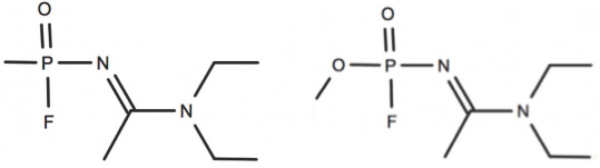
'Novichok' is typically associated with:
- A-230: N-(methylphosphonyl)-N',N'-diethyl-acetamidine (shown on the left), freezes in cold weather;
- A-232: N-(O-Methylphosphonyl)-N',N'-diethyl-acetamidine (shown on the right), was developed and tested for use as a chemical warfare agent;
- A-234: N-(O-Ethylphosphonyl)-N',N'-diethyl-acetamidine, resembles a sticky ointment and does not disperse in the air, affects the body upon contact with the skin, is stable and resistant to weather conditions.
These compounds were presented by Viktor Holstov — a member of the Russian delegation at the 57th and 59th sessions of the Executive Council of the Organization for the Prohibition of Chemical Weapons, although the family itself consists of more than sixty similar compounds.
There is an opinion that 'Novichok' is more toxic than VX, but no figures regarding toxic doses are provided. It is claimed that 'Novichok' is 5-10 times more toxic.
In fact, this story is so murky that it deserves a separate article. Write to me about it in the comments, %username%.
But for now…
We have a winner! First place
The curious mind of man could not be quelled after the discovery of VX. After all, a substance had been found that could potentially contaminate everything around it worse than a nuclear explosion — what if you combine everything together?
Well then, a few words about radiation.
Humanity is aware of several types of radiation. To put it simply, it can be:
- Radiation caused by photons – UV, X-rays, gamma
- Radiation caused by electrons – beta
- Radiation caused by elementary particles – neutrons, protons
- Radiation caused by larger particles – alpha
If you were to launch a pea, a tennis ball, a basketball, and a heavy weight, dear %username%, which would upset you the most? The same goes for radiation — the heavier it is, the more painful it is. It's also clear that everything depends on the speed.
In fact, the harm from alpha particles is maximal — and that’s why the quality factor for alpha particles is equal to 20, meaning that for an equal amount of radiation energy absorbed in a unit mass of an organ or tissue, the biological effect of alpha particles will be twenty times stronger than that of gamma radiation.
Fortunately, alpha particles are so heavy and collide and interact so intensely that they practically do not penetrate through the keratinized layers of skin. But...
Polonium-210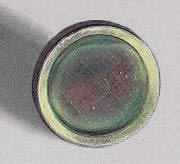
There is no pure polonium-210 in the world, although it is found in trace amounts in all uranium and thorium ores. It is produced artificially in pure form. To be precise — it was produced. Experience has shown that polonium-210 is virtually uninteresting to humanity, except for one reason:
- Polonium-210 in alloys with beryllium and boron was used to manufacture compact and very powerful neutron sources that produce almost no gamma radiation. However, this niche has now been firmly occupied by californium.
- An important application area for polonium-210 is its use in alloys with lead, yttrium, or on its own to produce powerful and quite compact heat sources for autonomous systems, such as space modules. One cubic centimeter of polonium-210 releases about 1320 watts of heat. This power is quite substantial, easily melting polonium, so it is alloyed with materials like lead. Although these alloys have a significantly lower energy density (150 W/cm³), they are more convenient and safer to use, as polonium-210 emits almost exclusively alpha particles, which have minimal penetrating ability and range in dense matter. For instance, Soviet rovers from the Luna program used polonium heaters to warm their equipment compartments. But the USSR no longer exists, neither does the lunar program, and heating a home is somewhat cheaper than using polonium.
- Polonium-210 was often used for the ionization of gases (in particular, air). For instance, it was added to the electrode alloys of automotive spark plugs to reduce spark generation voltage. This practice is no longer common, though dust removal brushes are still made for precision optics that contain tiny amounts of polonium. However, this is not the case in Russia, where polonium is completely banned, while in the U.S., such brushes can be purchased and even thrown away in regular trash.
- Polonium-210 can serve, when alloyed with the light isotope lithium (6Li), as a substance that can significantly reduce the critical mass of a nuclear charge and act as a kind of nuclear detonator. Furthermore, polonium is suitable for creating compact 'dirty bombs' and is convenient for covert transport, as it emits virtually no gamma radiation. The isotope emits gamma quanta with an energy of 803 keV, with a decay yield of only 0.001% — according to dosimetry, the isotope is practically safe. However, to measure alpha radiation, a more serious device is required. BINGO!
Polonium-210 is extremely toxic, radiotoxic, and carcinogenic, with a half-life of 138 days and 9 hours. During all of these days and hours, it emits a continuous stream of alpha particles: its specific activity (166 TBq/g) is so high that it cannot be handled with bare hands, as this would result in radiation damage to the skin and potentially to the entire body: polonium easily penetrates through the skin. Generally, alpha particles with such energy travel no more than 1 cm in air, but this is not the case for harsh polonium: its compounds self-heat and transition into aerosol form.
What happens to your body when the life-giving polonium-210 enters it — is it even worth discussing? Essentially, each atom impacts your soft pink tissues, dividing and bombarding everything nearby with alpha particles. Cells. Water. DNA and RNA molecules. Everything disintegrates into who knows what — and you catch all the horrors of radiation sickness in its most severe form.
Polonium-210 is 4 trillion times more toxic than cyanide. Experts estimate that the lethal dose of polonium-210 for an adult ranges from 0.6 to 2 mcg when the isotope enters the body through the lungs, to 6 to 18 mcg when ingested through the digestive tract.
History records two cases of polonium-210 poisoning. Both are rather plausible.
- The death of Alexander Litvinenko in 2006, who succumbed to polonium-210 poisoning. Originally, it was believed that he was poisoned with thallium. On November 24, scientists from the British Health Agency (BHA) stated that Litvinenko died from radioactive contamination. According to the statement from Roger Cox, head of the BHA's center for radiation, chemical, and external risks, traces of radiation caused by what is presumed, polonium-210 were found in urine samples. He also noted that in small doses, Po-210 increases the risk of malignant tumors, and in larger quantities, it disrupts the functions of bone marrow, the digestive system, and other vital organs.
- Polonium was found in the personal belongings of Yasser Arafat, who passed away in 2004. An exhumation of his body was conducted. Initially, the Swiss side of the international commission confirmed the fact of polonium poisoning. However, later it agreed with the conclusions of the Russian and French sides that no evidence of poisoning existed.
Interestingly, there is a lite version of polonium-210 — protactinium-231. With the same mechanism (alpha decay), protactinium has a half-life of 32,480 years, making it less menacing: it does not heat, is not as radioactive, and is only 250 million times more toxic than cyanide. It is non-volatile and does not absorb through the skin — looking rather pathetic next to polonium, thus the maximum safe (here I smiled with a very wicked grin) amount of protactinium entering the human body is 0.5 mcg. However, in the human body, protactinium-231 tends to accumulate in the kidneys and bones — and can stay there for a long time, irradiating the body from within. So, one still has to face death.
THAT'S IT!
And so we have completed the third part of our acquaintance, %username%.
I hope you read everything to the end and still have the energy to click the voting button to determine whether our acquaintance will continue.
It's almost six in the morning for me, time to sleep.
I still wish for more health and less poison in life!
I am Death, the great destroyer of worlds.
— Lines from the Bhagavad Gita recited by Robert Oppenheimer during the first artificial nuclear explosion near Alamogordo on July 16, 1945.
Only registered users can participate in the survey. , please.
Should we continue?
Enough already with the torment of my brain!
Who even reads this nonsense on an IT site?
Drink the poison!
Write about 'Yellow Rain' and 'Agent Orange'.
Write about 'Novichok'.
6 users voted. 3 users abstained.
Source: habr.com
