


Hello again, %username%!
Thank you to everyone who appreciated
It was very interesting to read the comments, no matter what they were, and it was very engaging to respond.
I'm glad the "hit parade" was liked. If it wasn’t liked—well, I did everything I could.
The comments and activity inspired me to write the second part.
So, I present to you another deadly top ten!
Tenth Place
Chlorine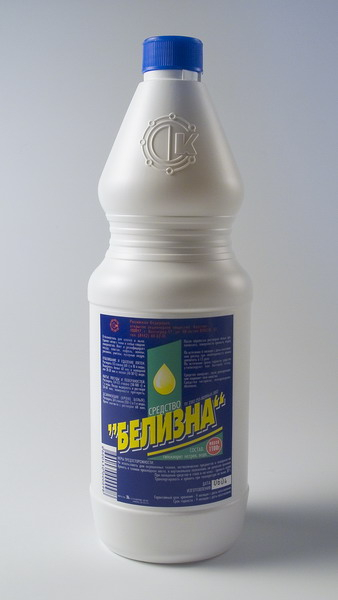
Yes, I know, %username%, that you will immediately exclaim: "Hooray, finally chlorine, the great and terrible!" But it’s not that simple.
Firstly, what is found in bleach is not chlorine but sodium hypochlorite. Yes, it eventually breaks down into chlorine, but it is not chlorine.
Secondly—despite the fact that chlorine was essentially the first chemical warfare agent in the history of humane mankind (first used in 1915 during the battle at Ypres—yes, it was, not mustard gas, although the name comes from there), it didn’t catch on immediately.
The problem is that a person can smell chlorine long before they get poisoned. And they will run away a little later.
Just think: anyone without sinusitis can smell chlorine at 0.1-0.3 ppm (though it is said that even sinusitis can sense it). A concentration of 1-3 ppm is usually tolerated for no more than an hour—an intolerable burning sensation in the eyes leads to thoughts that you have a lot of important things to do but for some reason, you need to be far away from here. At 30 ppm, tears will start immediately (not after an hour), and a harsh cough will appear. At 40-60 ppm, lung problems begin.
Being in an atmosphere with a chlorine concentration of 400 ppm for half an hour is lethal. Or a few minutes at 1000 ppm.
In World War I, they exploited the fact that chlorine is a little over two times heavier than air—therefore they released it across the plains, driving the enemy out of the trenches. And there—old, good, and tested methods were used.
Of course, if you work in a chlorine production facility and they tie you near a chlorine tank—there's a reason to be concerned. But to expect that you will get poisoned by chlorine while cleaning a toilet or due to the electrolysis of saltwater—is, to put it mildly, not worth it.
Well yes, if you are unlucky—just so you know: there is no antidote for chlorine; it is treated with fresh air. And of course, with the recovery of burnt tissue.
Ninth Place
Vitamin A—well, or commonly known as retinol.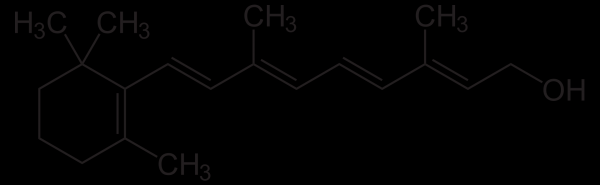
Everyone remembers vitamins and their benefits. Some confuse booze and cigarettes with vitamins — but that’s a different story.
As children, our grandmothers always told us to eat apples and carrots. Mine did. I absolutely loved the old Soviet carrot puree in those small jars!
But don’t confuse the potent retinol with natural carotene (the one found in melons and carrots): excessive consumption of carotene can lead to yellowing of the palms, soles of the feet, and mucous membranes (by the way, I experienced this in childhood!), but even in extreme cases, symptoms of poisoning are not observed.
So, for retinol, the LD50 is 2 g/kg in rats that consumed it. Given that vitamins are fat-soluble, having a bit of bacon with it will lower that amount. In the rats, there was loss of consciousness, seizures, and death.
In humans, the cases were more interesting: a dose of 25,000 IU/kg of vitamin A causes acute poisoning, while daily consumption of 4,000 IU/kg over 6-15 months leads to chronic poisoning (for reference: doctors are quite complicated people to understand, and it’s not just because of their handwriting — they measure vitamin A in IU — international units; one IU equals 0.3 mcg of retinol).
Symptoms of vitamin A poisoning in humans include inflammation of the cornea, loss of appetite, nausea, liver enlargement, and joint pain. Chronic poisoning with vitamin A occurs with the regular intake of high doses of the vitamin or large amounts of fish oil.
Cases of acute poisoning resulting in death can occur from consuming the liver of sharks, polar bears, marine animals, or huskies (don’t torture the dogs!). Europeans have been encountering this at least since 1597, when participants of the third Barents expedition fell seriously ill after eating polar bear liver.
Acute poisoning manifests as convulsions and paralysis. In the case of chronic overdose, intracranial pressure increases, accompanied by headaches, nausea, and vomiting. Simultaneously, swelling of the yellow spot occurs, leading to related vision disturbances. Hemorrhages and signs of hepatotoxic and nephrotoxic effects from high doses of vitamin A may appear. Spontaneous bone fractures can occur. Excess vitamin A can cause congenital defects and should not exceed the recommended daily allowance; it is better for pregnant women to avoid it altogether.
To treat the poisoning, mannitol is prescribed to reduce intracranial pressure and eliminate symptoms of meningism, glucocorticoids to accelerate vitamin metabolism in the liver, and to stabilize lysosomal membranes in the liver and kidneys. Vitamin E also stabilizes cell membranes.
So, %username%, remember: not everything beneficial is good in large amounts.
Eighth place
Hardware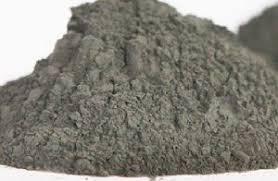
Certainly, the presence of an iron rod in the brain is toxic, .
Seriously speaking, the situation with iron is very close to that with vitamin A.
Some are prescribed iron to eliminate iron deficiency anemia. My ever-memorable grandmother always advised eating apples — they contain a lot of iron (and everyone knows that old joke).
In the past, iron was literally eaten — in the picture above is carbonyl iron — that’s what people consumed: there’s plenty of hydrochloric acid in the stomach, so finely dispersed iron would dissolve there and that was sufficient.
Later, iron sulfates and iron lactates began to be prescribed. The trick with iron is that it must be divalent: trivalent iron is not useful for the body and happily precipitates at a pH above 4.
7-35 g of iron will absolutely ensure your departure, %username%, to the great beyond. And I’m not talking about a metallic object in the right part of the body — I mean iron salts. It’s even more complicated with children (children are always complicated): 3 grams of iron is lethal for kids under 3 years old. By the way, according to statistics, this is the most common form of accidental poisoning in children.
The effects of excess iron closely resemble heavy metal poisoning (and, by the way, it is treated almost the same way). Iron can accumulate in the body, just like heavy metals — but in certain hereditary and chronic conditions or with excessive external intake. People with excessive iron levels suffer from physical weakness, lose weight, and get sick more often. Moreover, getting rid of excess iron is often much harder than eliminating its deficiency.
Severe iron poisoning damages the intestinal mucosa, leads to liver failure, and causes nausea and vomiting. Diarrhea and what is known as 'black stool' are typical — you get the idea. If it progresses — severe liver damage, coma, and a meeting with long-deceased relatives.
Seventh place
Aspirin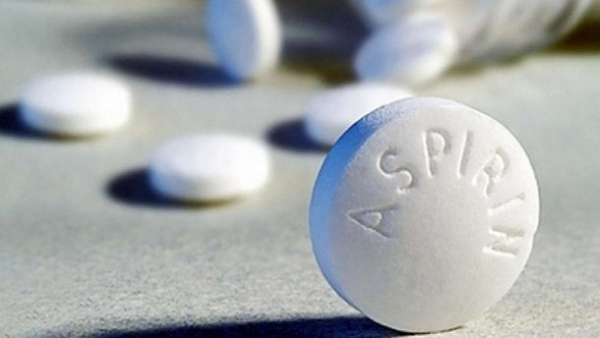
For some reason, I'm now recalling all those American films where characters just gulp down tablets by the package when they have a headache. Goodness!
Acetylsalicylic acid or aspirin — as named by Felix Hoffmann, who synthesized this life-saving product in the laboratories of Bayer AG on August 10, 1897, has an LD50 in rats of around 200 mg/kg. Yes, that’s a lot; you wouldn't eat that many tablets, but like any medication, aspirin has side effects. They aren't great: gastrointestinal issues and tissue swelling. However, if you do end up taking too much aspirin, in cases of acute overdose (that's when you take a ton in one go), the mortality rate is 2%. Chronic overdose (which is when you take high doses for a long time) is often fatal, with a mortality rate of 25%, and like with iron, chronic overdose can be especially severe in children.
During aspirin poisoning, acute stomach upset, confusion, psychosis, stupor, ringing in the ears, and drowsiness can occur.
Treatment is like any overdose: activated charcoal, intravenous dextrose and normal saline, sodium bicarbonate, and dialysis.
Special attention should be paid to Reye's syndrome — a rare but severe illness characterized by acute encephalopathy and fat deposits in the liver. This condition can arise when children or adolescents are given aspirin for fever or other illnesses, or infections. From 1981 to 1997, 1,207 cases of Reye's syndrome in individuals under 18 were reported to the U.S. Centers for Disease Control and Prevention. Of these, 93% reported having been ill in the three weeks leading up to the onset of Reye's syndrome, most commonly with a respiratory infection, chickenpox, or diarrhea.
It looks like this:
- Five to six days after the onset of a viral illness (for chickenpox — on the 4th to 5th day after the appearance of rashes), nausea and uncontrollable vomiting suddenly develop, accompanied by changes in mental status (ranging from mild lethargy to deep coma and episodes of disorientation and psychomotor agitation).
- In children under 3 years old, the main signs of the disease may include difficulty breathing, drowsiness, and seizures, while infants often exhibit tension in the fontanel.
- In the absence of adequate therapy, rapid deterioration of the patient's condition is typical: rapid progression to coma, seizures, and respiratory arrest.
- Liver enlargement is observed in 40% of cases; however, jaundice is rarely noted.
- Elevated AST, ALT, and ammonia levels in the serum of patients are characteristic.
How can this be avoided? Simply put: do not give your child aspirin if they have the flu, measles, or chickenpox. Exercise caution when prescribing acetylsalicylic acid for high fever in children under 12 years. In this situation, it is recommended to substitute acetylsalicylic acid with paracetamol or ibuprofen. Seek immediate medical attention if your child shows signs of: vomiting, severe headache, lethargy, irritability, delirium, respiratory distress, rigidity of arms and legs, or coma.
Take care of the children; after all, they are our legacy.
Sixth place
Carbon dioxide
Yes, yes, we all breathe and exhale this very carbon dioxide. And the body won’t easily discard anything useful! By the way, carbon dioxide makes up about 0.04% of the air — for comparison, argon is twenty times more abundant in the air.
In addition to you and other animals, carbon dioxide is emitted during complete combustion and is present in all carbonated drinks — both non-alcoholic and the more interesting ones (about them — below).
At a concentration of just 0.1% (such carbon dioxide levels can sometimes be found in the air of megacities), people begin to feel weak and drowsy — remember how you couldn't help but yawn? When the concentration rises to 7-10%, symptoms of suffocation develop, manifesting as headaches, dizziness, hearing impairment, and loss of consciousness (symptoms similar to those of altitude sickness); these symptoms develop, depending on concentration, over a period from several minutes to one hour.
Inhaling air with very high gas concentrations can result in death occurring very quickly from suffocation caused by hypoxia.
Inhaling air with an elevated concentration of this gas does not lead to long-term health issues. After removing the affected person from the high carbon dioxide atmosphere, full recovery of health and well-being occurs quickly.
Moreover, carbon dioxide is 1.5 times heavier than air — this must be considered in terms of accumulation in niches and basements.
Ventilate your room, %username%!
Fifth place
Sugar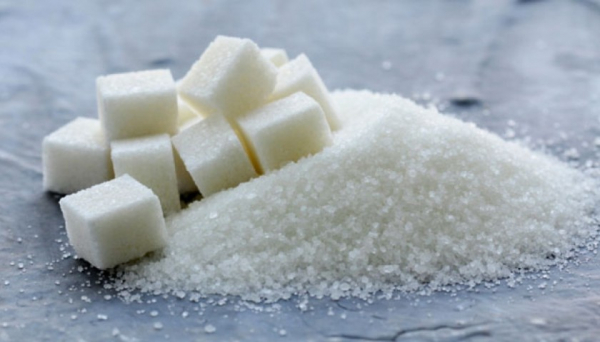
Everyone knows what sugar looks like. As for the debate about what to drink with sugar and what without: coffee or tea — let's not go there; it has taken too many lives.
In fact, sugar (more specifically — glucose) is one of the primary nutrients — and the only one that can be absorbed by nervous tissue. Without sugar, you won't be able to think or read this text, %username%!
Nevertheless, sugar has a toxic dose — 50% of rats die after consuming sugar at 30 g/kg (don't ask how they managed to ingest it). I still remember the subway car in New York in 2014, where sugar was blamed for all ailments: from impotence to heart attacks. I thought then: how did humanity survive without chemical sweeteners?
Be that as it may, sugar is toxic in large doses (as you may have noticed — VERY large doses). The symptoms of poisoning are relatively scarce:
- Depressive state

- Gastrointestinal disturbances.

But in reality, there are quite a few people among us for whom sugar is truly toxic. These are diabetics. I am a chemist, not a medical professional, but I know that diabetes comes in different types, with varying severity, caused by different factors and treated in various ways. Therefore, %username%, if you have noticed in yourself:
- Polyuria is an increased urination caused by the elevated osmotic pressure of urine due to dissolved glucose (normally, glucose is absent in urine). It manifests as frequent, copious urination, including at night.
- Polydipsia (constant, unquenchable thirst) is caused by significant water loss through urine and an increase in blood osmotic pressure.
- Polyphagia is constant, unquenchable hunger. This symptom is caused by metabolic disturbances in diabetes, specifically the inability of cells to absorb and process glucose in the absence of insulin (hunger in the midst of abundance).
- Weight loss (especially characteristic of type 1 diabetes) is a common symptom of diabetes that occurs despite patients having an increased appetite. Weight loss (and even depletion) is due to increased catabolism of proteins and fats because glucose is excluded from the energy metabolism of cells.
- Secondary signs include itching of the skin and mucous membranes, dry mouth, general muscle weakness, headaches, and inflammatory skin conditions that are difficult to treat, as well as vision impairment.
— go to the hospital and get your blood sugar tested!
Diabetes is far from a death sentence; it is treatable. However, if left untreated and you continue to eat sweets, you can expect: heart disease, blindness, kidney damage, nerve damage, and what's known as diabetic foot — just Google it; you'll find it interesting.
Fourth place
Table salt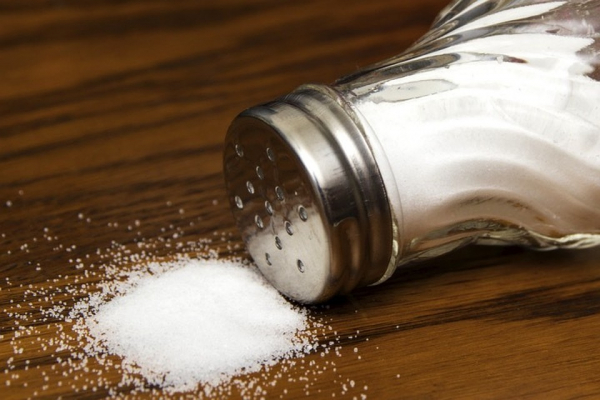
"Salt and sugar are our white enemies," right? Well, that's exactly why salt follows sugar.
It's hard to imagine our food without salt; by the way, we consume it mainly due to personal preferences: there is plenty of sodium and chlorine in foods, and an additional source is simply not needed.
Despite the fact that salt performs a crucial function in supporting the water-salt balance in the body, ensuring the proper functioning of almost everything — from blood to kidneys, 3 g/kg for rats or 12.5 g/kg for humans can be lethal.
The reason is precisely the disruption of the water-salt balance, which leads to kidney failure, a sharp rise in blood pressure, and death.
I don't think anyone can consume that much salt (unless it's for a bet — well, that's a good candidate for a Darwin Award), but even small "overdoses" of salt have adverse effects: it's known that reducing salt intake to 1 teaspoon a day or less lowers blood pressure by up to 8 mmHg. Considering that , I don't think that reducing salt intake is such a negligible measure for survival.
The prize podium! Third place
Caffeine
Now let's talk about beverages. Coffee, tea, cola, energy drinks — all of these contain caffeine. How many cups of coffee have you had today? As I write all this, I have had none, but I really want some...
By the way, 1,3,7-trimethylxanthine, guaranine, caffeine, theine, methyltheobromine — these are essentially the same, just with different names often made up to exclaim: "What do you mean there's no caffeine in this drink — there... — this is completely different and much healthier!" Historically, it happened like this: in 1819, German chemist Ferdinand Runge, wanting to stay awake, isolated the alkaloid he named caffeine (by the way, he was a real genius: he isolated quinine, suggested using chlorine as a disinfectant, and started the history of aniline dyes). Then, in 1827, Udr made a new alkaloid from tea leaves and called it theine. In 1838, Jobst and G. J. Mulder proved that theine and caffeine are identical. The structure of caffeine was determined by Hermann Emil Fischer by the end of the 19th century, who was also the first person to artificially synthesize caffeine. He became the Nobel Prize winner in Chemistry in 1902, partly for this work — the battle with sleep was finally won!
50% of dogs die if they consume 140 mg/kg of caffeine with food. They suffer from acute kidney failure, nausea, vomiting, internal bleeding, heartbeat irregularities, and seizures. An unpleasant death, indeed.
In small doses, caffeine has a stimulating effect on the human nervous system — well, we've all experienced that. With prolonged use, it can cause mild dependence — theism.
Caffeine accelerates heart activity, raises blood pressure, and slightly improves mood for about 40 minutes due to the release of dopamine, but after 3 to 6 hours, the effects wear off: fatigue, lethargy, and a decrease in work capacity appear.
A dull mechanism explaining the action of caffeine.The psychostimulatory effect of caffeine is based on its ability to suppress the activity of central adenosine receptors (A1 and A2) in the cerebral cortex and subcortical structures of the CNS. It has been shown that adenosine acts as a neurotransmitter in the CNS, agonistically affecting the adenosine receptors located on the cytoplasmic membranes of neurons. Excitation of A1 adenosine receptors in the brain cells decreases cAMP production, ultimately leading to a suppression of their functional activity. Blocking A1 adenosine receptors helps to cease the inhibitory action of adenosine, clinically manifesting as increased mental and physical performance.
However, caffeine does not selectively block only the A1 adenosine receptors in the brain but also blocks A2 adenosine receptors. It has been proven that the activation of A2 adenosine receptors in the CNS is accompanied by the suppression of the functional activity of D2 dopamine receptors. The blockade of A2 adenosine receptors by caffeine helps restore the functional activity of D2 dopamine receptors, which also contributes to the psychostimulatory effect of the substance.
In short, caffeine blocks something. Just like opioids. Just like LSD. Therefore, there will be habituation, but since the blockage is not so strong and the receptors are not so vital, theism is not addiction (although many coffee drinkers would argue).
Symptoms of caffeine overdose include stomach pain, agitation, anxiety, mental and physical hyperactivity, confusion, delirium (dissociative), dehydration, tachycardia, arrhythmia, hyperthermia, frequent urination, headaches, increased tactile or pain sensitivity, tremors or muscle twitches; nausea and vomiting, sometimes with blood; ringing in the ears, epileptic seizures (in cases of acute overdose — tonic-clonic convulsions).
Caffeine doses exceeding 300 mg per day (especially from coffee consumption — more than 4 cups of 150 ml each) can cause anxiety, headaches, tremors, confusion, and heart irregularities.
Doses of 150-200 mg per kilogram of body weight can be lethal due to caffeine. Just like in dogs.
So, where's my coffee?
Second place
Nicotine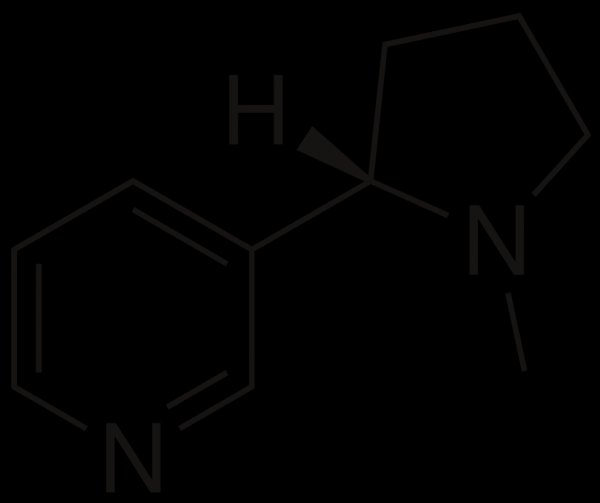
Everyone knows about the dangers of smoking. And that nicotine is a poison, too. But let's take a closer look.
The toxicity of nicotine is associated with a notorious case of poisoning in Belgium in 1850, when Count Bocarme was accused of poisoning his wife’s brother. Belgian chemist Jean Servais Stas served as a consultant, and during a challenging analysis, he not only established that the poisoning was done with nicotine but also developed a method for detecting alkaloids that is still used in analytical chemistry with minor modifications.
After that, nicotine hasn't been ignored or overlooked by anyone. Currently, the following is known.
As soon as nicotine enters the body, it quickly spreads through the bloodstream and can cross the blood-brain barrier, reaching the brain directly. On average, it takes just 7 seconds after inhaling tobacco smoke for nicotine to reach the brain. The half-life of nicotine in the body is about two hours. The nicotine inhaled with tobacco smoke accounts for a small portion of the nicotine found in tobacco leaves (most of the substance is burned away, unfortunately). The amount of nicotine absorbed by the body when smoking depends on various factors, including the type of tobacco, whether all the smoke is inhaled, and whether a filter is used. In the case of chewing and snuff tobacco, which are placed in the mouth and chewed or inhaled through the nose, the amount of nicotine entering the body is much higher than when smoking tobacco. Nicotine is metabolized in the liver by the cytochrome P450 enzyme (primarily CYP2A6, as well as CYP2B6). The main metabolite is cotinine.
The effect of nicotine on the nervous system is well-studied and complex. Nicotine acts on nicotinic acetylcholine receptors: the protonated nitrogen atom in the pyrrolidine ring of nicotine mimics the quaternary nitrogen atom in acetylcholine, while the nitrogen atom in pyridine has the characteristics of a Lewis base, similar to the oxygen in the carbonyl group of acetylcholine. At low concentrations, it increases the activity of these receptors, which, among other effects, leads to an increase in the stimulating hormone epinephrine (adrenaline). The release of adrenaline results in an increased heart rate, elevated blood pressure, and accelerated breathing, as well as higher blood glucose levels.
The sympathetic nervous system stimulates the release of adrenaline by acting through the splanchnic nerves on the adrenal medulla. Acetylcholine, produced by the preganglionic sympathetic fibers of these nerves, acts on nicotinic acetylcholine receptors, causing depolarization of the cells and influx of calcium through voltage-dependent calcium channels. Calcium triggers the exocytosis of chromaffin granules, thereby facilitating the release of adrenaline (and norepinephrine) into the bloodstream.
Have I already blown your mind worse than nicotine? Yes? Well then, let's talk about something pleasant.
In addition to everything else, nicotine increases dopamine levels in the brain's pleasure pathways. It has been found that tobacco smoking inhibits monoamine oxidase—a enzyme responsible for breaking down monoamine neurotransmitters (such as dopamine) in the brain. It is believed that nicotine itself does not inhibit monoamine oxidase production; this is due to other components of tobacco smoke. Increased dopamine levels excite the brain's pleasure centers, which are also responsible for the body's pain thresholds, so the question of whether a smoker experiences pleasure remains open.
Despite its strong toxicity, when consumed in small doses (e.g., through smoking), nicotine acts as a psycho-stimulant. The effect of nicotine on mood varies. By causing the release of glucose from the liver and adrenaline (epinephrine) from the adrenal medulla, it induces arousal. Subjectively, this is experienced as feelings of relaxation, calmness, and liveliness, along with a moderately euphoric state.
Nicotine consumption leads to weight loss by reducing appetite as a result of stimulating POMC neurons and increasing blood glucose levels (glucose, by affecting the centers of satiety and hunger in the hypothalamus of the brain, dulls the sensation of hunger). However, an accessible, understandable, and effective diet of 'not eating much' works even more effectively.
As we can see, nicotine's effects on the body are quite complex. What should be highlighted from this is:
- Nicotine is a substance that interacts with nerve receptors.
- Like many similar substances, nicotine causes addiction and dependence.
Interestingly, patients with mental disorders show a higher propensity for smoking (if you smoke, think about it and consult a psychiatrist: there are no mentally healthy individuals, only those who haven't been thoroughly examined). Numerous studies worldwide suggest that patients with schizophrenia are more likely to smoke (20 different countries studied a total of 7,593 patients with schizophrenia, of which 62% were smokers). As of 2006, over 80% of people with schizophrenia in the U.S. smoke, compared to 20% of the general non-smoking population (according to NCI). Several hypotheses exist regarding the reasons for this addiction, suggesting it is both a way to cope with the disorder's symptoms and a response to the negative effects of antipsychotics. One hypothesis posits that nicotine itself disrupts the mind.
Nicotine is extremely toxic to cold-blooded animals. It acts as a neurotoxin, causing paralysis of the nervous system (leading to respiratory failure, cessation of heart activity, and death). The average lethal dose for humans is 0.5-1 mg/kg, for rats it is 140 mg/kg through the skin, for mice it is 0.8 mg/kg intravenously and 5.9 mg/kg via intraperitoneal injection. Nicotine is toxic to some insects, which is why it was widely used as an insecticide in the past, and derivatives of nicotine, such as imidacloprid, continue to be used in this capacity.
Prolonged use can lead to diseases and dysfunctions such as hyperglycemia, hypertension, atherosclerosis, tachycardia, arrhythmia, angina, ischemic heart disease, and heart failure.
In fact, the toxicity of nicotine is almost negligible compared to the other delights, namely:
- Tar from smoking contributes to the development of oncological diseases, including lung, tongue, laryngeal, esophageal, stomach cancer, and more.
- Unhygienic smoking promotes the development of gingivitis and stomatitis.
- Incomplete combustion products (carbon monoxide) — this is obvious, just read my previous piece.
- Tar deposits in the lungs lead to the morning cough of smokers, bronchitis, emphysema, and lung cancer.
Currently, none of the smoking methods guarantee 100% protection from the consequences — so all those filters, hookahs, and the like simply don’t work.
Vapers shouldn’t relax either — and the reason is simple:
- Despite using harmless components like glycerin — they are harmless for the food industry! Nobody knows about the effects of exposure and the composition of gases produced during pyrolysis while vaping. Research is still ongoing ( and ), and the results are already impressive.
Familiarize yourself with
- I’ve already mentioned that nicotine was used as a pesticide. Since 2014, it has virtually fallen out of use in the U.S., and in the European Union, it has been banned since 2009. However, this does not stop its use in China...
Currently, there is pharmaceutical-grade nicotine (Pharma Grade, USP/PhEur or USP/EP) on the market. But there is also an insecticide produced in China. Attention: which is cheaper? I repeat, I’m not a vaper, but I would be curious to Google and compare the price of what you bought in that jar with what it should actually cost. You might find yourself feeling like a cockroach enjoying the impurities in low-quality nicotine at some point.
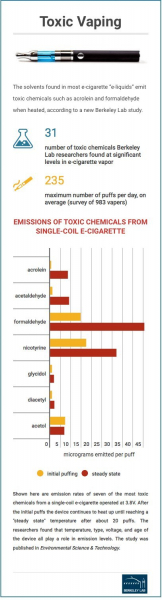
In short, humanity currently does not have completely safe ways to consume nicotine. But is it necessary?
And our winner! Presenting! First place
EthanolThe Chapaevites retook the station from the Whites.
Upon examining the trophies, Vasily Ivanovich and Petya discovered a tank of alcohol.
To prevent the fighters from getting drunk, they labeled it C2H5-OH, hoping,
that the fighters have little knowledge of chemistry. By morning, everyone was 'sloppy drunk.'
Chapaev shook one of them awake and asked:
— How did you find it?
— Very simply. We searched and searched, and suddenly noticed: something was written on the tank — and then a dash and 'OH.' We tried it — and it was definitely it!
In fact, there is even a toxicology of ethanol — a branch of medicine that studies the toxic substance ethanol (alcohol) and everything related to it. So, don’t expect me to compress an entire medical section into a few paragraphs.
In essence, humanity has been familiar with ethanol for a very long time. Discovered vessels from the Stone Age containing remnants of fermented beverages suggest that the production and consumption of alcoholic drinks existed back in the Neolithic era. Beer and wine are among the oldest drinks. Wine has become one of the most significant cultural symbols for various Mediterranean peoples, occupying an important place in their mythology and rituals, and later in Christian worship (see Eucharist). For the peoples who cultivate grains (barley, wheat, rye), beer was the main festive drink.
Interestingly, as a byproduct of glucose metabolism, a healthy person's blood can contain up to 0.01% endogenous ethanol.
And despite all this, science is still not exactly sure about:
- the mechanism of ethanol's effect on the central nervous system — intoxication
- the mechanism and causes of hangovers
The effects of ethanol on the body are so multifaceted that they deserve a separate article. But since I started...
It is believed that ethanol, having pronounced organotropic properties, accumulates more in the brain than in the blood. Even low doses of alcohol trigger the activity of inhibitory GABA systems in the brain, and it is this process that leads to the sedative effect, accompanied by muscle relaxation, somnolence, and euphoria (the feeling of intoxication). Genetic variations in GABA receptors may influence susceptibility to alcoholism.
Particularly pronounced activation of dopamine receptors is observed in the adjacent nucleus and in the ventral tegmental areas of the brain. The reaction of these zones to the dopamine released under the influence of ethanol leads to euphoria, which may be associated with the potential for developing alcohol dependence. Ethanol also promotes the release of opioid peptides (e.g., beta-endorphin), which, in turn, are linked to the release of dopamine. Opioid peptides also play a certain role in the formation of euphoria.
Finally, alcohol stimulates the serotonergic system of the brain. There are genetically determined differences in sensitivity to alcohol, depending on the alleles of serotonin transporter protein genes.
Currently, the effects of alcohol on other receptors and mediator systems in the brain are actively studied, including adrenergic, cannabinoid, acetylcholine receptors, adenosine, and stress-regulating systems (e.g., corticotropin-releasing hormone).
In short, everything is quite complicated and presents an excellent field for scientific exploration.
Ethanol poisonings have long ranked among the leading causes of household poisonings by the absolute number of fatal outcomes. More than 60% of all fatal poisonings in Russia are attributed to alcohol. However, the situation regarding lethal concentration and dosage is more complex. It is believed that the lethal concentration of alcohol in the blood is 5–8 g/L, and the lethal single dose is 4–12 g/kg (approximately 300 ml of 96% ethanol), but individuals with chronic alcoholism may have significantly higher tolerance to alcohol.
This is explained by various biochemistries: the rate and intensity of intoxication vary not only among different ethnic groups but also between men and women (this is due to the genetically determined isoenzyme spectrum of the enzyme alcohol dehydrogenase (ADH or ADH I) — the activity of different ADH isoforms shows clear differences among various individuals). In addition, the characteristics of intoxication also depend on body mass, height, amount of alcohol consumed, and type of beverage (the presence of sugar or tannins, carbonation level, drink strength, and accompanied food).
In the body, ADH oxidizes ethanol to acetaldehyde and, if everything goes well, further to safe and highly caloric acetic acid — yes, I am not joking: "It's getting colder — isn't it time to pour another drink?" has a solid biochemical basis: ethanol is an extremely caloric substance. In practice, issues arise either due to a lack of oxygen for oxidation (smoky environments, stagnant air — that's where it all comes from), an excess of ethanol, or inactivity of ADH — a result of genetic predisposition or simple binge drinking. Ultimately, everything stops at acetaldehyde, which is a toxic, mutagenic, and carcinogenic substance. There is evidence of the carcinogenicity of acetaldehyde from animal experiments; furthermore, acetaldehyde damages DNA.
The entire trouble with ethanol is almost entirely related to acetaldehyde, but in general, its toxic effects are essentially unique and all-encompassing. Just consider:
- Disruptions in gastrointestinal activity. They manifest as sharp pains in the stomach area and diarrhea. These symptoms are most severe in patients with alcoholism. Stomach pain is caused by damage to the mucous membrane of the stomach and small intestine, especially in the duodenum and jejunum. Diarrhea is a result of a rapidly developing lactase deficiency and the associated decrease in lactose tolerance, as well as impaired absorption of water and electrolytes from the small intestine. Even a single consumption of large doses of alcohol can lead to the development of necrotizing pancreatitis, often with a fatal outcome. Excessive alcohol consumption increases the likelihood of developing gastritis, stomach ulcers, and gastrointestinal cancers.
- Although the liver is part of the gastrointestinal tract, it makes sense to consider alcohol-induced damage to this organ separately, as the biotransformation of ethanol mainly occurs in the liver — that's where ADH is located. I even feel a bit sorry for the liver in this sense. Even with a single consumption of alcohol, transient necrosis of hepatocytes can be observed. With prolonged abuse, alcoholic steatohepatitis may develop. The increase in "tolerance" to alcohol (which occurs due to an increased production of the enzyme alcohol dehydrogenase (ADH) as a protective reaction of the body) occurs at the stage of alcoholic liver dystrophy — so don't rejoice, %username%, if you've become the life of the party! Then, with the formation of alcoholic hepatitis and liver cirrhosis, the overall activity of the enzyme ADH decreases but remains high in regenerating hepatocytes. Multiple foci of necrosis lead to fibrosis and, ultimately, liver cirrhosis. Cirrhosis develops in at least 10% of people with steatohepatitis. And without a liver, people don't live...
- Ethanol is a hemolytic toxin. Therefore, ethanol in high concentrations, entering the bloodstream, can destroy erythrocytes (causing pathological hemolysis), which can lead to toxic hemolytic anemia. Many studies have shown a clear link between alcohol dosage and an increased risk of developing arterial hypertension. Alcoholic beverages have a toxic effect on the heart muscle, activating the sympathoadrenal system, thereby causing the release of catecholamines, leading to the spasm of coronary vessels and disrupting the rhythm of heart contractions. Excessive alcohol consumption increases LDL ("bad" cholesterol) and leads to the development of alcoholic cardiomyopathy and various arrhythmias (the aforementioned changes are observed with an intake of more than 30 g of ethanol per day on average). Alcohol can increase the risk of stroke, depending on the amount of alcohol and the type of stroke, and is often a cause of sudden death in individuals suffering from ischemic heart disease.
- The consumption of ethanol can cause oxidative damage to neurons in the brain, as well as their death due to damage to the blood-brain barrier. Chronic alcoholism can lead to a reduction in the volume of the brain — but this is not the volume that is beneficial. With prolonged alcohol consumption, organic changes in neurons can be observed on the surface of the cerebral cortex. These changes occur in areas of hemorrhages and necrosis of brain tissue. The consumption of large amounts of alcohol can lead to the rupture of the brain's capillaries — which is why the brain appears to 'grow.'
- When alcohol enters the body, high concentrations of ethanol are also observed in the prostate secretion, testicles, and sperm, exerting a toxic effect on germ cells. Ethanol also easily crosses the placenta, penetrates breast milk, and increases the risk of giving birth to a child with congenital anomalies of the nervous system and possible growth delays.
Phew. Good thing I didn't add cognac to my coffee, right? In short, drinking too much is harmful. And what if you don't drink?
The definition of 'moderate alcohol consumption' is being reassessed based on new scientific data. Currently, it is guided by the definition accepted in the USA: no more than 24g of ethanol per day for most adult men and no more than 12g for most women.
The problem is that it is practically impossible to conduct a 'pure' experiment — it is impossible to find a sample of people in the world who have never drunk. And if it is possible — it is impossible to eliminate the influence of other factors — the same ecology. And if it is possible — it is impossible to find such people who do not have hepatitis, have a healthy heart, and so on.
And people lie. This complicates everything.
Do you think you know controversies? Try googling articles about the effects of alcohol by Fillmore, Harris, and a bunch of other scientists who have dedicated themselves to studying alcoholism! There are plenty of debates just about the benefits of red wine; for example, it was recently revealed that polyphenols — which are linked to the benefits of red wine — are roughly the same in white wine.
When it comes to science, there is as much nonsense in popular literature regarding the benefits of alcohol as there is regarding its harm (just consider the female hormones in beer).
Until these questions are clarified, the following advice will be the most reasonable:
- Those who do not currently drink at all should not be recommended to consume alcohol solely for health reasons, as it has not been established that alcohol itself is the causal factor in improving health.
- Individuals who consume alcohol and are not at risk for alcohol-related issues (pregnant or breastfeeding women, drivers of vehicles or other potentially dangerous machinery, those taking medications where alcohol is contraindicated, people with a family history of alcoholism, or those recovering from alcoholism) should not exceed 12-24 grams of ethanol per day according to the recommendations of the U.S. Dietary Guidelines.
- Individuals who consume alcohol beyond moderate doses should be advised to reduce their intake.
Interestingly, researchers have come to an agreement on the so-called J-shaped curve of mortality. It has been found that the relationship between the amount of alcohol consumed and mortality among middle-aged men and older resembles a horizontal 'J': while the mortality rate for those who have quit drinking and for heavy drinkers is significantly increased, mortality (from all causes) is 15-18% lower among light drinkers (1-2 units per day) compared to non-drinkers. Various reasons have been cited, ranging from deep biochemistry and medicine—where even the devil could trip—to better social status and health quality among moderate drinkers, but the fact remains (there have even been studies showing that the diets of moderate drinkers contain less fat and cholesterol compared to non-drinkers, and that moderate drinkers tend to engage in sports more often and are physically more active than total abstainers—so it's clear that even scientists do not want to completely abstain from alcohol, which they are trying to justify in various ways).
It is absolutely true and universally agreed that consuming large amounts of alcohol leads to a significant increase in mortality. For example, a study in the United States showed that people who drink 5 or more units of alcohol on drinking days have a 30% higher mortality rate than those who consume only one unit. According to another study, drinkers who have six or more units of alcohol (at one time) have a 57% higher mortality rate than those who drink less.
Moreover, research on the relationship between mortality and tobacco consumption has shown that complete cessation of tobacco, alongside moderate alcohol consumption, significantly reduces mortality.
Another area of controversy lies in the type of alcoholic beverage preferred. The French paradox (the low rate of mortality from ischemic heart disease in France) suggested that red wine is particularly beneficial for health. This specific effect could be attributed to the presence of antioxidants in wine. However, studies failed to demonstrate significant differences between the risk of ischemic heart disease and the type of preferred alcoholic beverages. Why red wine and not white? Why not brandy? In short, it's complicated.
What one should definitely avoid is drinking while taking medication.
As already shown, the effects of alcohol on the body are very complex and, in some aspects, not fully understood. When some pharmaceutical drug is mixed into this concoction, it becomes entirely unclear.
- First, the effectiveness of the medication may change—potentially in either direction. Dosage considerations are already out of the question.
- Secondly, the biochemical turmoil caused by ethanol may unpredictably affect the medication. It could increase side effects. It may render it completely useless (aside from side effects, of course). It could even be lethal. No one knows.
- Thirdly, the liver, which is already burdened with processing unknown substances from pharmacologists, will not be thrilled about the added task of processing alcohol. It may even refuse entirely.
Typically, instructions (who reads them?) for medications mention the possibility of consuming alcohol — if it has been tested. You can also try it yourself — and then share your experience with everyone. Well, that's if you have another body to spare.
From what I already wrote above:
- Simultaneous intake of aspirin (acetylsalicylic acid) and alcohol can lead to stomach mucosa ulceration and bleeding.
- Alcohol consumption negatively affects the results of vitamin therapy. In particular, gastrointestinal tract damage results in poor absorption and utilization of orally taken vitamins, disrupting their conversion to active forms. This is especially true for vitamins B1, B6, PP, B12, C, A, and folic acid.
- Smoking amplifies the toxic effects of alcohol — both in terms of suppressing oxidative processes due to oxygen starvation (let's remember acetaldehyde, yes), and in terms of the combined blocking action on receptors from nicotine and alcohol.
In short, things are complicated with alcohol. Whether it's good or bad — no one knows for sure, but people are not in a hurry to avoid it completely.
The choice is yours.
On this optimistic note — I take my leave. I hope I have been interesting again.
Wine is our friend, but it harbors treachery:
Drink a lot — it's poison, drink a little — it's medicine.
Don't harm yourself with excesses,
Drink in moderation — and the kingdom of life will continue…
— Abu Ali Hussein ibn Abdullah ibn al-Hasan ibn Ali ibn Sina (Avicenna)
Only registered users can participate in the survey. , please.
Which part did you like the most?
The Most Terrifying Poisons
The least frightening poisons
4 users voted. 1 user abstained.
Source: habr.com
