


Hello, %username%
Yes, I know, the title is clichéd and there are over 9000 links on Google describing terrifying poisons and telling horror stories.
But I don't want to list the same things. I don't want to compare LD50 doses and claim originality.
I want to write about those poisons that you, %username%, are at high risk of encountering every day. And which are not as straightforward as their closer relatives.
You need to know your enemy. And I hope it will be interesting.
So, here’s my deadly top ten! Actually, no— I’ll be a bit original— it’s a NINE!
Ninth Place
Thallium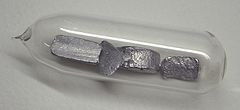
Thallium is a soft, silver-white metal with a bluish tint. In the photo, it's in an ampoule— and for a reason. 600 mg of thallium can reliably take down a healthy person— in this regard, thallium is more potent than all these other heavy metals. Like all heavy metals, thallium is classified as a cumulative poison— it builds up pathological symptoms with chronic poisoning.
Unlike classic heavy metals, which essentially bind to the cysteine thiol group in proteins and disrupt their function, thallium is more insidious: the univalent thallium ions are similar in size and chemical properties to potassium ions, and thus replace potassium ions in biochemical processes. Thallium accumulates in hair, bones, kidneys, and muscles, affecting the peripheral nervous system, gastrointestinal tract, and kidneys.
A characteristic symptom of thallium poisoning is partial hair loss; with a significant dose, total alopecia occurs. At high doses, alopecia is atypical, as a person dies from poisoning before hair loss occurs. So, in principle, if you like shaving your head bald— you might want to play with the dose, but there's a risk you might not guess right.
In the case of thallium poisoning or its compounds, Berlin blue is used as an antidote. First aid for thallium poisoning involves stomach washing with a 0.3% sodium thiosulfate solution mixed with activated charcoal powder. They say it helps, but that's uncertain.
In general, thallium is classified as a strategic poison, so why is it even on my list? The thing is, most laboratories that conduct water and food analysis use . I witnessed how this solution was taken with a pipette, and since there was no rubber bulb — they were siphoning the solution with their mouths. Well, what can I say… Not the best way to earn a Darwin Award.
Eighth place
Phosgene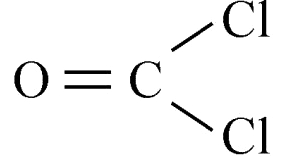
The remarkably simple phosgene is actually magnificent: humanity has known about it since 1812, but this 'light-born' (which is how the name translates from the burzhuy language) gas is certainly malevolent: it causes toxic pulmonary edema, which kindly people used to poison other kind people in the First World War. Contact with phosgene and lung tissue disrupts alveolar permeability and leads to rapidly progressing pulmonary edema. Kind people used this, but to this day, no antidote for phosgene has been invented..
The beauty and simplicity lie in the fact that the first distinct signs of poisoning appear after a hidden period of 4 to 8 hours, with even periods of up to 15 hours observed. After this, severe coughing, shortness of breath, and cyanosis of the face and lips occur. The progressing pulmonary edema leads to extreme suffocation, agonizing pressure in the chest, and respiratory rates can increase to 60-70 per minute. Breathing becomes labored. A few details: the protein-containing edematous fluid is ejected from the alveoli and bronchioles of the lungs into the larger airways, leading to difficulty and impossibility of breathing. What the unfortunate person is doing at this moment and how they look — remember those horror movie images? Exactly. In toxic pulmonary edema, about half of the total blood volume of the body can transition into the lungs, which swells and increases in mass as a result. While a normal lung weighs about 500-600 grams, there have been cases of 'phosgene' lungs weighing up to 2.5 kilograms.
Eventually, blood pressure drops sharply, the poisoned individual is in a state of extreme agitation, breathes with a wheeze, gasping for air, and then death ensues.
There are also cases where a poisoned person avoids any unnecessary movement and chooses the most comfortable position to ease their breathing. Their lips appear gray, and they have cold, sticky sweat. Despite experiencing suffocation, they do not expel phlegm. After a few days, the poisoned person may die. Rarely, after 2-3 days, an improvement in condition might occur, which can lead to recovery within 2-3 weeks; however, complications from secondary infectious diseases are common, often resulting in death.
So, how do you recognize phosgene and escape without getting poisoned, considering the long latent period and that this gas is tasteless and smells like rotting fruit or hay—not as strong as the odors in the minibus you are traveling in? Strangely enough, smoking: it is unpleasant or even impossible to smoke in air containing phosgene.
Phosgene is actively used in organic synthesis: in the production of dyes and also in the manufacturing of polycarbonate thermoplastics. But you, %username%, remember: phosgene is formed when chlorinated freons are burned. Interestingly, this is why smoking is prohibited when servicing refrigeration machines and installations. Given that smokers are more likely to sense something is wrong—it’s hard to say what is more important.
Seventh place
Lead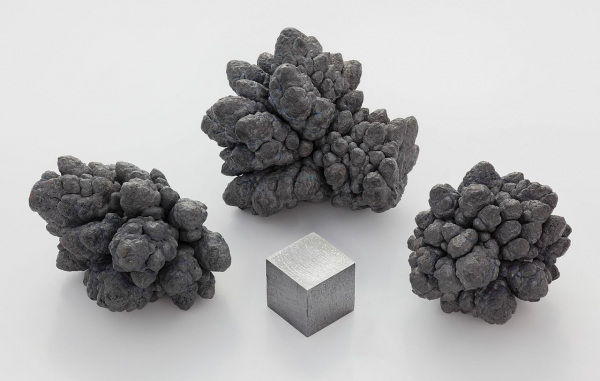 and Tetraethyllead
Well, everyone knows about the toxicity of lead and how it looks. Nevertheless, nobody is concerned about holding it in their hands, and sometimes even eating sandwiches with the same hands. No one worries about melting lead ingots and inhaling the fumes. Meanwhile, lead is highly toxic and, like all heavy metals, has a wonderful property of accumulating. Lead can accumulate in bones, causing their gradual destruction, and it concentrates in the liver and kidneys. After accumulating a significant dose, you, %username%, will understandably feel a bit unwell: abdominal pain, joint pain, cramps, and fainting may occur. If exposure continues, you might see the light at the end of the tunnel with all the consequences.
The effects of lead are especially dangerous for children: prolonged exposure can lead to intellectual disabilities and chronic brain diseases.
Interestingly, lead acetate is sweet to the taste! Didn't you know that, %username%? Yes, that's why it's called lead sugar. Saltykov-Shchedrin even mentioned it when making counterfeit wines:
A bucket of alcohol is poured into the barrel, and then, depending on the properties of the wine being produced: for Madeira — so much molasses, for Malaga — tar, for Rhine wine — lead sugar, and so on. This mixture is stirred until it becomes homogeneous, and then sealed…
Interestingly, there is an opinion that the Russian word 'lead' is related to the word 'wine'; the ancient Romans (and in the Caucasus) stored wine in lead vessels, which imparted a unique flavor. This taste was so highly valued that they overlooked the possibility of poisoning from toxic substances. Well, live fast — die young…
But particular attention should be paid to tetraethyllead — a colorless, oily, volatile liquid, which was used for a long time as an anti-knock additive in gasoline (the same Leaded Petrol). In the USSR, a dye was added to the gasoline containing tetraethyllead for labeling: until 1979, tetraethyllead-containing gasoline A-93, A-76, and A-66 were colored blue, green, and orange, respectively; from 1979 onward, leaded gasolines began to be colored orange-red (A-93), yellow (A-76), blue (A-98), green (A-66), or pink (A-72).
This was not done for aesthetics and to attract buyers — apart from the fact that the emissions polluted everything around with lead, tetraethyllead itself possesses a number of unpleasant properties, ranging from carcinogenicity to extremely high toxicity. Notably, it can penetrate through vapors (this stuff is volatile, remember) and through the skin. This substance selectively affects the nervous system, causing acute, subacute, and chronic poisonings (yes, just like lead, this stuff likes to accumulate).
Most poisonings tend to be acute and subacute. The cortex of the large brain is primarily affected. In the area of the vegetative centers of the intermediate brain, a focus of stagnant excitation arises, leading to gross disturbances in cortical-subcortical interactions.
In the early stage of acute poisoning, pronounced autonomic disorders are observed: body temperature and blood pressure drop, sleep is disturbed, a persistent fear of death arises at night, and there is anxious, depressed mood. A characteristic sensation of a ball of hair or threads on the tongue is noted.
In the pre-climax stage, sharply pronounced mental disorders manifest: the fear of death begins to trouble not only at night but also during the day, and auditory, visual, and tactile hallucinations of a terrifying nature appear, along with delusions of persecution and relationship. Under the influence of these delusions, psychomotor agitation develops, leading to aggressive behavior; it is not uncommon for individuals, trying to save their lives from supposedly pursuing entities, to jump out of windows.
In the climax stage, psychomotor agitation reaches its maximum tension. Consciousness is confused. The unfortunate sufferer feels as if they are being cut into pieces, as if snakes are wrapping around their body, etc. Epileptic seizures may develop. At the height of psychomotor agitation, temperature rises (up to 40 °C), blood pressure and heart rate increase. The outcome is clear: collapse and death.
If luck is on your side, the prognosis is favorable: the vegetative-asthenic state replaces psychomotor agitation. However, defects in mental health remain, including emotional bluntness, decreased intelligence, and loss of interest in the surrounding world — but you will live. I'm not sure it will be a happy life.
By the way, do you remember the stories from grandmothers about scary drug addicts who sniff gasoline? Exactly! According to a prominent hypothesis proposed to explain fluctuations in crime rates in the second half of the 20th century and early 21st century, poisoning with tetraethyl lead in childhood resulted in disruptions in the development of the central nervous system, leading to an increase in delinquent behavior in adulthood, which caused the rise in crime from the 1960s to the early 1990s. The decline in crime rates since the 1990s, according to this hypothesis, is attributed to the reduction in gasoline consumption produced using tetraethyl lead starting from the 1970s.
If you happen to be unlucky and get poisoned by tetraethyllead, you'll be treated like an ordinary psycho: with sedatives (barbiturates), hexenal, aminazine, and drugs (except morphine, which has a paradoxical effect that increases excitement). Intravenous glucose with B vitamins and ascorbic acid, dehydrating agents (glucose, magnesium sulfate), as well as cardiac and vascular medications (for collapse) are also prescribed. Hopefully, they might get you back to being a person. If you're lucky, you might even regain your sanity.
By the way, tetraethyllead is banned everywhere, yes. In Russia, since November 15, 2002, but sometimes, looking at those around me, I have my doubts...
Sixth place.
Botulinum toxin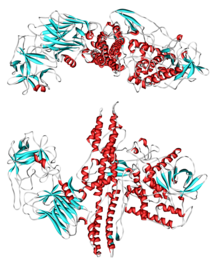
A complex neurotoxin of protein nature produced by Clostridium botulinum bacteria. The strongest known neurotoxin — the lethal dose is about 0.000001 mg/kg of your frail body.
By the way, botulinum toxin is one of the most complex proteins synthesized in nature.
What will you feel when this pinnacle of natural synthesis hits your stomach? The toxin causes disturbances in the functioning of cranial nerves, skeletal muscles, and the heart's nerve centers. A fog will appear before your eyes, with flies; many will experience strabismus (not because you've had too much to drink at the party). Later, problems with speech and swallowing join in, leading to a mask-like face. Death occurs from hypoxia caused by the disruption of oxygen metabolic processes, asphyxiation of the airways, paralysis of respiratory muscles, and cardiac muscle. In short — you will die, and quite painfully.
Why only sixth place? The thing is, Clostridium botulinum — the sole entities that don’t reveal the master's secret of producing this toxin — really dislike working in the open air, so you can mostly find them in canned foods and sausages — especially in canned fried mushrooms and large pieces of meat and fish with surface damage. Second place goes to medicine: Botulinum, Relatox, Xeomin, BTXA, Dysport, Neuronox. So if you get injected with something like that — there's a good chance you'll experience the indescribable benefits described above. Too bad there will be no one to tell about it afterwards.
How to save yourself? Don't eat just anything. And if you do eat — make sure it's cooked: botulinum toxin does not tolerate being fried or boiled. Although this substance is not affected by gastric juice, it completely breaks down when boiled for 25-30 minutes.
Fifth place
Amanitins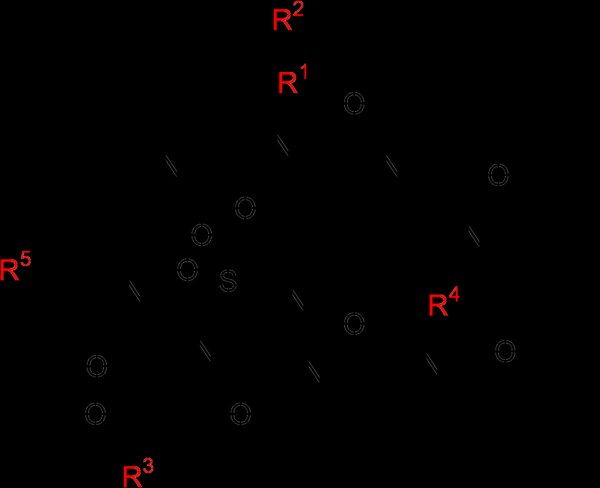
In fact, this is a group of toxins, depending on what is attached to the positions R1..R5. By nature, they are cyclic octapeptides made up of eight amino acid residues. They are found in the fruiting bodies of mushrooms from the genera Amanita, Galerina, and Lepiota — yes, the death cap mushroom is indeed from here.
Amanitins are some of the most potent hepatotoxins in the world. So no matter how much you drink, %username%, it doesn't compare to this delight: amanitins reliably block RNA polymerase II, which prevents the synthesis of messenger RNA and causes necrosis of hepatocytes. And since you can't survive in our world without a liver — well, you get the idea.
A particularly unpleasant aspect of this substance is the long latent period: 6 to 30 hours. This means you won't have the chance to realize it and wash out your stomach in time. Symptoms appear suddenly: severe vomiting (persistent), abdominal pain, diarrhea. Blood is observed in the diarrhea (you know what I mean) because of the destruction of the enterocytes in the intestine. What happens to the liver at that moment… I really don’t want to think about it. There is increasing weakness, and disturbances in the water-electrolyte balance. On the 2nd to 3rd day, signs of toxic hepatopathy develop: the liver enlarges, mood worsens, jaundice appears, and signs of hemorrhagic diathesis occur — that's when you break out in a bloody rash. Nephropathy, hepatic-renal failure, hepatargia, anuria, and coma develop. It's all quite grim. Poisoning is particularly severe in children, especially dangerous if a large amount of toxins enters the body (over 200 mg): in this case, the development of intoxication happens rapidly, resulting in acute liver atrophy and a swift fatal outcome.
The primary cause of death is acute liver failure, less often acute hepatic-renal failure. Even if you survive, you will most likely suffer irreversible changes in the liver tissue structure, characterized by total necrosis.
How can we avoid this? Unfortunately, amatoxins are more heat-resistant than botulotoxins. In any case, don’t pretend to be a mushroom forager; if you go to the woods, find yourself a better activity! Don’t buy mushrooms from grandmothers, even if they look very cute! Remember Snow White — and you have neither dwarfs nor familiar princes!
Strangely enough, high doses of penicillin help in cases of intoxication. It is rumored that silibinin (silybin) — essentially a concentrated extract from milk thistle seeds — is an antidote to amatoxins, but this is uncertain. Many offer to participate in trials, but for some reason, no one agrees.
Fourth place
Aflatoxins
Aflatoxins are a group of polyketides produced by microscopic fungi (micromycetes) of several species from the Aspergillus genus (mainly A. flavus and A. parasiticus). These little ones grow on grains, seeds, and fruits of oil-rich plants — for example, on peanuts. Aflatoxins can form over time and under improper storage conditions in stored tea collections and other herbs. The toxin is also found in the milk of animals that have consumed contaminated feed.
Of all biologically produced toxins, aflatoxins are the strongest hepatocarcinogens discovered to date. When a high dose of the toxin enters the body, death occurs within a few days due to irreversible liver damage; when a low dose is ingested, chronic aflatoxicosis develops, characterized by immune system suppression, DNA damage, and activation of oncogenes — ultimately leading to liver cancer. Yes, %username%, by eating not-so-good peanuts or seeds — you will die. Maybe not immediately, but definitely and painfully.
Aflatoxins are resistant to heat processing of the product — so roasted peanuts are also affected.
In developed countries, strict monitoring is conducted for products where aflatoxins are most frequently found (peanuts, corn, pumpkin seeds, etc.), and contaminated batches are destroyed. In developing countries, where such control is absent, the contamination of products with mold fungi remains a serious mortality factor. For example, in Mozambique, the mortality rate from liver cancer is 50 times higher than in France.
Which country do you associate your own with, %username%?
Raising the stakes! Third place
Mercury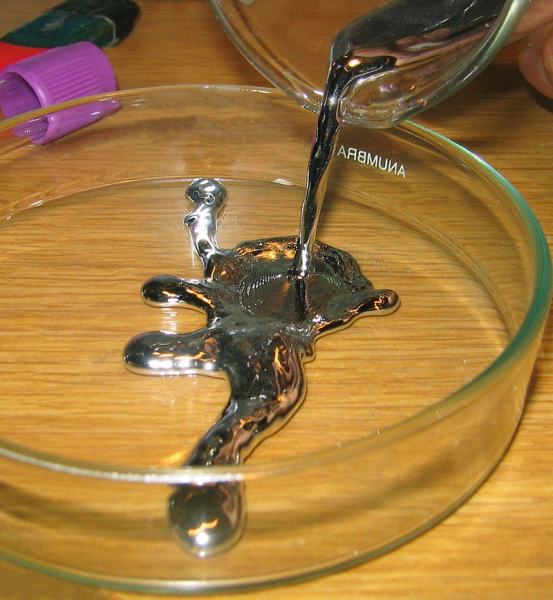 and especially — Methylmercury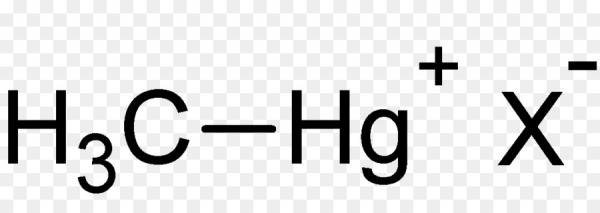
Everyone knows about the dangers of mercury. I hope they also know that breaking thermometers and playing with shiny magical balls is risky.
Mercury and all its compounds are toxic. Exposure to mercury—even in small amounts—can cause serious health problems and poses risks to fetal development and early childhood growth. Mercury can have toxic effects on the nervous, digestive, and immune systems, as well as on the lungs, kidneys, skin, and eyes. The WHO considers mercury one of the top ten chemical substances or groups of substances that pose a significant public health challenge.
But actually, this is true now. Those same doctors actively used mercury compounds right up until the 1970s:
- Mercury(I) chloride (calomel) — a laxative;
- Mercurial and Promeran — strong diuretics;
- Mercury(II) chloride, mercury(II) cyanide, mercuric amidochloride, and yellow mercuric oxide — antiseptics (including in ointments).
There are known cases where, during bowel obstruction, a glass of mercury was administered to the patient. Ancient healers believed that due to its weight and mobility, mercury would pass through the intestines and help untwist its twisted parts.
Mercury compounds were used from the 16th century (in the USSR until 1963) to treat syphilis. This was due to the sensitivity of the pale treponema, which causes syphilis, to both organic and inorganic compounds that block the sulfhydryl groups of the microbe's thiol enzymes — mercury, arsenic, bismuth, and iodine compounds. However, such treatment was not very effective and was quite toxic for the patient, who also has sulfhydryl groups, albeit in greater quantities than the unfortunate treponema. This treatment often led to complete hair loss and a high risk of serious complications. Nevertheless, kind-hearted, humanitarian doctors went even further: techniques for general mercurization of the body were employed, in which the patient was placed in a warming chamber where mercury vapors were introduced. Although this method was relatively effective, its side effects and the risk of fatal mercury poisoning led to its gradual removal from clinical practice.
By the way, silver amalgam was used in dentistry as a filling material until the advent of light-curing materials. Remember this every time a nice, bespectacled dentist leans over you!
The most toxic are the vapors and soluble compounds of mercury. Metallic mercury itself is less dangerous, but it gradually evaporates even at room temperature, and the vapors can cause severe poisoning — and by the way, the vapors are odorless. Mercury and its compounds (sulema, calomel, cinnabar, mercury cyanide) affect the nervous system, liver, kidneys, gastrointestinal tract, and can impact the respiratory tract when inhaled. Mercury is a typical representative of cumulative poisons.
Organic mercury compounds, particularly methylmercury, stand out somewhat on their own. They typically form as a result of the metabolism of benthic microorganisms when mercury is released into water bodies. The substance is highly toxic. Its toxicity is greater than that of mercury due to more active interaction with sulfhydryl groups of enzymes and, consequently, inactivation of these enzymes. Since the substance is a covalent compound and less polar than the mercury cation itself, its effects on the body resemble heavy metal poisoning (specifically mercury), but with a distinction: the damage to the nervous system is more pronounced. This damage is known as Minamata disease.
This syndrome was first recorded and studied in Japan, in Kumamoto Prefecture in the city of Minamata in 1956. The disease arose due to prolonged discharges of inorganic mercury into Minamata Bay by the company 'Chisso', which benthic microorganisms converted into methylmercury in their metabolism. Since this compound tends to accumulate in organisms, the concentration in the tissues of organisms increases as they rise in the food chain. Thus, in fish from Minamata Bay, the methylmercury content ranged from 8 to 36 mg/kg, in oysters it reached up to 85 mg/kg, while in water it was no more than 0.68 mg/l.
Symptoms include motor disturbances, burning sensations, tingling and pins and needles in the limbs, worsening clarity of speech, fatigue, ringing in the ears, narrowing of the field of vision, hearing loss, and clumsy movements. Some of the severe victims of Minamata disease went insane, lost consciousness, and died within a month after the onset of the disease.
There are also victims with chronic symptoms of Minamata disease, such as headaches, frequent fatigue, loss of smell and taste, as well as forgetfulness, which are subtle yet extremely debilitating in daily life. Furthermore, there are patients with congenital Minamata disease who were born with abnormalities due to exposure to methylmercury while still in their mothers' wombs, as the mothers consumed contaminated fish.
Since there is no cure for Minamata disease, treatment focuses on attempts to alleviate symptoms and the use of physical rehabilitation therapy. In addition to the physical harm caused to health, there is also social harm, which is reflected in the discrimination against victims of Minamata disease. So, %username%, do you still want to move to Fukushima, Minamata, and the Land of the Rising Sun?
By the way, in 1996, a museum dedicated to Minamata disease was established in the city of Meisei, located near the bay. In 2006, a Memorial was built on the museum grounds in memory of the victims of mercury poisoning due to the contamination of Minamata Bay. It is said that this has not brought relief to the victims.
Second place
Methanol
Everyone knows about methanol. But in my opinion, it is underestimated.
The problem with methanol is actually not its issue but ours. It contains the enzyme alcohol dehydrogenase (or ADH I), which nature has gifted us for breaking down alcohols. In the case of ordinary ethanol, it is broken down into acetaldehyde (hello, hangover!), and if we’re lucky, into essentially harmless and nutritious acetic acid in the form of acetyl-CoA. However, with methanol, things take a wrong turn: it produces toxic formaldehyde and formate. Apparently, Mother Nature has a very specific sense of humor.
The problem is exacerbated by the fact that, as the brave ones assert (there are few), methanol tastes and smells no different from ordinary alcohol, especially when mixed with it. By the way, the iodoform reaction, when yellow iodoform precipitates with ethanol, but nothing with methanol, does not work for determining the methanol content in an ethanol solution.
1-2 milliliters of methanol per kilogram of body weight usually guarantees sending the brave to meet other interesting individuals with wings behind their backs, and due to the particular propensity of this substance to affect the optic nerve — 10-20 ml can render a person blind. Forever.
Fortunately, the toxic effect of methanol develops over several hours, and effective antidotes can mitigate the damage caused. Therefore, if you, %username%, feel headache, general weakness, malaise, chills, nausea, and vomiting after excessive drinking — drink more. I'm not joking: as stated in the emergency medical guide, the antidote for methanol poisoning is ethanol, which is administered intravenously as a 10% solution drip or 30-40% solution orally at a rate of 1-2 grams of solution per kg of body weight per day. The beneficial effect in this case is achieved by redirecting the ADH I enzyme to oxidize exogenous ethanol. It should be noted that with an insufficiently accurate diagnosis, methanol poisoning can be mistaken for simple alcohol intoxication (as you noted above) or poisoning from 1,2-dichloroethane or carbon tetrachloride (organic solvents that are quite the gift, but not as prominent) — in this case, administering additional ethanol is dangerous. In short, you’re out of luck, %username%. Stay strong.
Methanol poisoning is quite common. In the United States, there have been 1,747 reported cases in 2013 (and yes — the USA). There are numerous instances of mass methanol poisoning:
- Mass methanol poisoning in Spain in early 1963; the official death toll was 51, but estimates range from 1,000 to 5,000.
- Mass methanol poisoning in Bangalore (India) in July 1981. The number of deaths was 308.
- Mass poisoning with wine spiked with methanol in Italy in spring 1986; 23 people died.
- Mass methanol poisoning in El Salvador in October 2000 resulted in the deaths of 122 people. Authorities suspected a terrorist attack, as methanol was not found in the alcoholic beverages at the production plants during the investigation of the incident.
- Mass methanol poisoning on September 9-10, 2001, in the city of Pärnu (Estonia); 68 people died.
- Mass methanol poisoning in the Czech Republic, Poland, and Slovakia in September 2012; 51 people died.
- Mass methanol poisoning from December 17-20, 2016, in Irkutsk (Russia). The death toll was 78.
For this reason, methanol holds the second place in our rankings. And that's not funny at all.
Ta-da! Fanfare! We are in first place!
In first place, we won’t have some horrifyingly toxic substance found in tropical animals or fish. So let's forget about tetrodotoxin and batrachotoxin.
It won't be some inorganic compound that can only be encountered in specialized production—like beryllium nitrate, which, by the way, also tastes sweet, or arsenic chloride, which was quite popular in the Middle Ages.
It won’t be some organic compound that’s hard to find even with a flashlight—like ricin, or one that has been studied long ago and is still lying in first aid kits—like strychnine or digitoxin.
It won’t be the clichéd cyanide or hydrocyanic acid, which had an epic fail in the case of Rasputin.
It won’t be polonium-210 or VX, which definitely sends you to the afterlife even in tiny doses—but is not widely available to the public.
No, our leader will be a true killer, responsible for millions of lives.
Carbon monoxide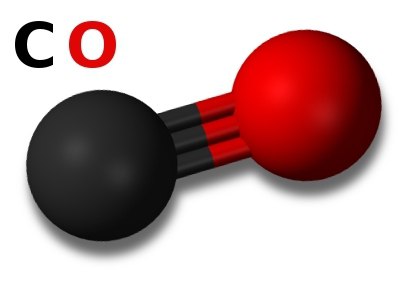
In fact, it is carbon monoxide that has sent a lot of people to their demise. This colorless gas with no odor or taste enters the atmospheric air during any combustion process. Carbon monoxide binds actively with hemoglobin to form carboxyhemoglobin, blocking the transmission of oxygen to tissue cells, leading to hypoxic conditions. The action of carbon monoxide is very similar to that of cyanides.
Poisoning is possible:
- in fires;
- in industries where carbon monoxide is used to synthesize a number of organic compounds (acetone, methanol, phenol, etc.);
- in gasified spaces where gas-powered equipment (stoves, flow water heaters, thermogenerators with open combustion chambers) is operated under inadequate air exchange conditions, for example, due to issues with draft in chimneys and/or ventilation channels or insufficient intake air for gas combustion;
- in garages with poor ventilation, in other non-ventilated or poorly ventilated rooms, tunnels, as car exhaust contains up to 1-3% CO by standards;
- When staying for long periods on a busy road or nearby – on major highways, the average concentration of CO exceeds the poisoning threshold;
- In domestic conditions during a gas leak from a lighting fixture and when the stove dampers are not closed in a timely manner in rooms with stove heating (homes, saunas);
- When using poor quality air in breathing apparatus;
- When smoking hookah (yes, indeed — a very large percentage of people experience headaches, dizziness, nausea, and drowsiness after smoking hookah, which is due to carbon monoxide poisoning formed due to insufficient oxygen supply in the hookah device).
So the chances of encountering poisoning are quite high for you, %username%.
With a content of 0.08% CO in the inhaled air, a person feels a headache and suffocation. When the CO concentration rises to 0.32%, paralysis and loss of consciousness occur (death occurs within 30 minutes). At a concentration above 1.2%, consciousness is lost after two to three breaths, with death occurring in less than 3 minutes in convulsions. At sub-toxic concentrations (less than 0.08%), one might experience the following sensations (as concentration increases):
- Reduced speed of psychomotor reactions, sometimes – compensatory increase in blood flow to vital organs. In individuals with severe cardiovascular insufficiency – chest pain during physical exertion, shortness of breath.
- Mild headache, reduced mental and physical performance, shortness of breath with moderate physical activity. Visual perception disturbances. It can be fatal for the fetus and individuals with severe heart failure.
- Pulsating headache, dizziness, irritability, emotional instability, memory impairment, nausea, and impaired coordination of small hand movements.
- Severe headache, weakness, runny nose, nausea, vomiting, vision disturbances, confusion.
- Hallucinations, severe impairment of muscle coordination — this is precisely why people often died in fires.
How to help in case of carbon monoxide poisoning? First of all, leave the contaminated area. By the way, regular gas masks, wet cloths on your face, and cotton-gauze bandages do not help; carbon monoxide sees through them easily. You need a mask with a gopkalite filter — the one with cuprous oxide, which oxidizes carbon monoxide into harmless carbon dioxide. Then just breathe! Breathe fresh air, or even better, oxygen; give your unfortunate tissues and organs the care they desperately need!
There are no reliable antidotes known to world medicine for carbon monoxide poisoning. But! — be proud: Russian scientists have developed an innovative drug called 'Acizol', positioned as an antidote (although for some reason, other scientists are skeptical about it). It is administered intramuscularly in solution form and is also offered as a preventive measure. Russian scientists invite people to test this drug, but for some reason, there are even fewer volunteers than for the antidote against amatoxins.
That's all, %username%!
I hope I didn't ruin your appetite, it was interesting, and you learned something new instead of just limiting your diet and places to visit.
Wishing you health and good luck!
Source: habr.com
