

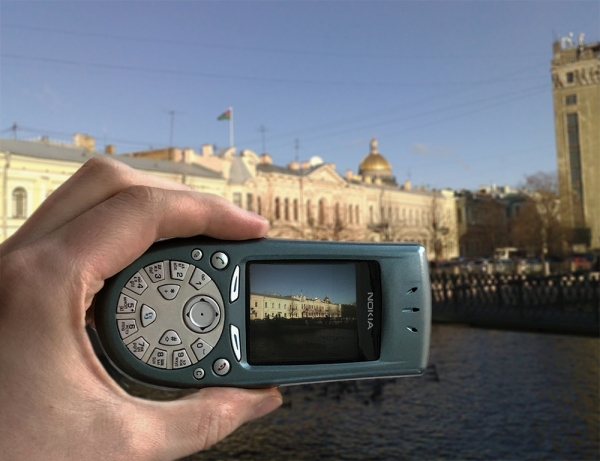
While I draw the continuation of illustrations for old phones, I found some camera phones in my collection and decided to conduct a comparative test to see how progress has evolved. The results turned out to be quite interesting. Plus, I want to share the history behind these devices.
Having a camera in a phone was considered prestigious, even though the quality was initially laughable. The first phone with a camera was the Kyocera VP-210, released in October 1999 in Japan. It was equipped with a 0.1 MP CMOS sensor. Following it, in late 2000, the Sharp J-SH04 was released, which featured a 256-color STN display and weighed only 74 grams. In 2002, the first European cameraphone emerged from Nokia — the Nokia 7650 with a 0.3 MP camera, allowing users to save photos and instantly send them via MMS.
Nokia 3650, 2003
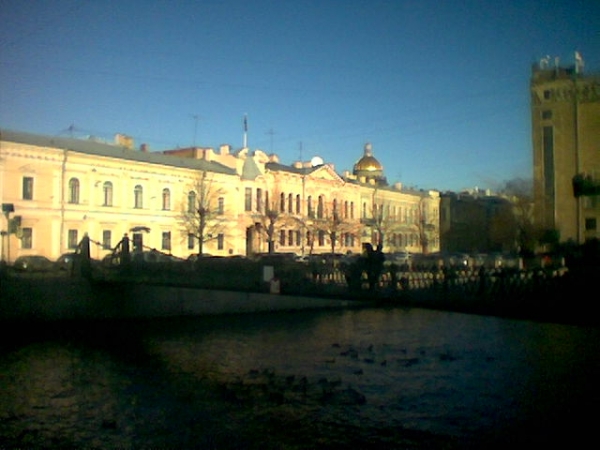
Camera 0.3 Mpx. Images 640×480. Three shooting modes: Normal, Portrait (resolution 80x96), and Night.
As soon as the Nokia 7650 smartphone appeared, it instantly became a landmark product. Essentially, this was the first device on Symbian that achieved resounding success due to effective marketing. However, there are no perfect solutions, and the Nokia 7650 was not without its flaws. Naturally, rumors soon circulated about an updated model, Nokia 7650i. This model did emerge, but it was named Nokia 3650, positioned as a smartphone for the youth, rather than business users. The reasons for this are rooted in marketing, as the sales of the 7650 were already significant at that time; the updated version would not have gained the same popularity in its class (business).
A solution was found instantly, as the youth segment was on the rise at that time. This explains many of the design features of this model, particularly its vibrant color palette and interchangeable panels. Thus, the device was released in three colors — Dark Blue, Grey, and Yellow, with additional panels available in Blue, Fuchsia, and Purple.
To appeal to a younger audience, the company decided to make the device's design even more attractive, opting for a retro design where the digital keys are arranged in a circle, reminiscent of old rotary telephones. For Russian users, such rotary devices are not unfamiliar, as the majority of landline phones had this design until the 90s.
Nokia 8800, 2005
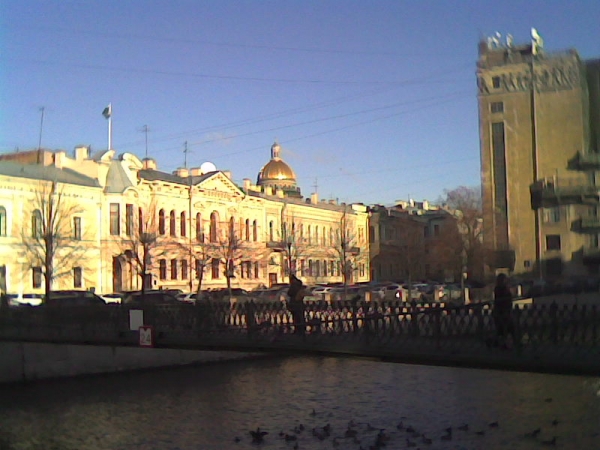
Camera 0.5 Mpx. Photos 800x600, 120x144 (portrait mode, resolution improved compared to 80x96 in previous models). The camera settings are basic, with a night shooting mode and three quality settings for photos.
Nokia began to focus on creating a premium model early in its existence, but real attention to this pressing issue was only given in 1996. At that time, a historic decision was made to create a premium model that would differ from the phones available on the market in both form factor and materials used. The task set for designers and engineers did not seem easy. On one hand, they had a basic component set that was not very miniaturized, and on the other hand, both the size and weight of the future device had to be minimal among all devices on the market. Special development of an internal antenna and radio block started specifically for the new project, along with experiments with various materials. Very quickly, designers concluded that the device should attract attention with a chrome surface, and even better if made of metal. However, technological limitations prevented the creation of a metal body that would meet the weight restrictions; ultimately, plastic with a coating that gave the appearance of metal was used. The overall project management was overseen by the head of the Nokia design bureau, Frank Nuovo.
The model was named Nokia 8810, and the official announcement came on March 18, 1998, at the CeBIT exhibition in Hanover. The audience received the new model enthusiastically, as evidenced by the anticipation for the sales start and the complete absence of competitors for this model. For the first time, online advertising was placed specifically for this device.
The successor to the Nokia 8810 can be considered the Nokia 8850, which was unveiled to the public on June 21, 1999. The design similarities and matching specifications did not make it as popular as the Nokia 8810, but this device was also a success. It remained on the market until the end of 2001.
The next step for the company in the premium segment was the introduction of 'titanium' models, particularly the Nokia 8910. Here, a coating was also used, but the technology allowed for much higher quality compared to the Nokia 8810/8850. Many users firmly believed they owned a phone made of metal, with almost no plastic in it.
History has a way of repeating itself, and this statement perfectly illustrates the fate of the Nokia 8800 model. The same principles used in its development and promotion were applied as with the creation of the first device in this family – the Nokia 8810. The model was originally created with this device in mind, and most of the ideas utilized came from that time and became feasible at a new technological level. The casing material of the new device is now pure metal, plus in line with the latest trends, the device has become a slider. This is the most advantageous form factor for the premium segment today. All other aspects of the Nokia 8800 remained exactly the same as for the previous model, with allowances for modernity.
Motorola RAZR V3i, 2005
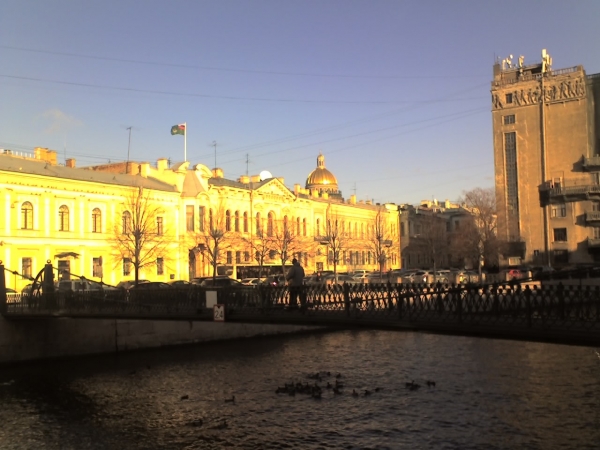
Camera 1.23 Mpx. Images 120x160, 240x320, 480x640, 960x1280.
You can set the exposure from -2 to +2 and choose the lighting type (auto, sunny, cloudy, indoor, office). There is a timer for shooting.
The market launch of the Motorola RAZR V3 marked a new chapter in the history of mobile phones and established a trend for slim designs. Most manufacturers rushed to create their own versions of the RAZR, with some models featuring design elements similar to the V3. The sales of the RAZR can confidently be called record-breaking for a device in this class, and as a result, Motorola strengthened its position in many markets. Later, to extend the device's lifecycle, the company introduced other color options—black and a 'female' pink (promoted by Maria Sharapova). Soon after, the Motorola V3i emerged, a device which saw slight improvements through cosmetic enhancements compared to the base version. New software features were added, along with a memory card and a megapixel camera.
So why was the Motorola RAZR V3 so in demand? Functionally, the model was similar to existing solutions from the company, such as the Motorola v600, but it offered a new, unique design. By design, we mean both the materials of the casing and its thickness, as well as the overall look of the device. Nothing like it was on the market; as a result, the model's functionality took a back seat, and it was purchased primarily for its design and uniqueness. This factor became the main driver of RAZR sales. For the V3i, the novelty of the design was completely absent; it was essentially the same RAZR. For many, functionality came to the forefront in this case, but it lagged behind modern solutions from many manufacturers.
Nokia 8600, 2007
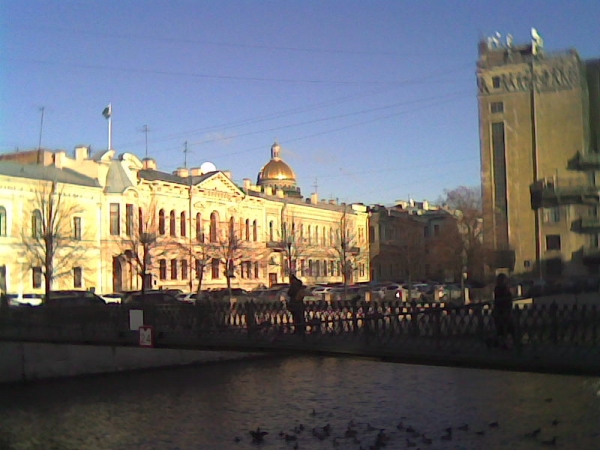
Camera 2 MP. Pictures in 160x120, 320x240, 640x480, 960x1280, 800x600, 1280×960, 1280×1024, 1600x1200.
White balance selection, effects (normal, false colors, grayscale, sepia, negative, overexposure). Having a camera in a device of this kind is nothing more than a nod to fashion and nothing more. This is why the digital module has merely nominal significance and does not claim to offer good photo quality.
In this price category, Nokia had no competitors. Undoubtedly, every self-respecting manufacturer had their own image models, but none were able to emphasize the owner's status like those from the Premium segment of the Finnish phone giant.
This is why many holders of the Nokia 8800 and Sirocco were willing to do whatever it took to stay at the forefront and follow fashion, in which Nokia was actively involved. And now, less than a year after the Nokia 8800 Sirocco Edition hit the shelves, the world saw another unique embodiment of engineering and design thought, called the Nokia 8600 Luna. It seemed that this model was destined to be the flagship of the premium segment. However, it's not so simple. The new model is intentionally positioned below the well-known Nokia 8800 Sirocco Edition. This is evidenced by its lower price of 250 euros, the lack of advertising hype that surrounded the Sirocco, and the fact that no unique sound accompaniment was created for the Luna. As we know, the latter is a distinctive hallmark of these models. Thus, we obtain a certain offshoot from the lineup.
This time, the developers also paid great attention to materials and their finishing. Here's what Heikki Norta, Senior Vice President of Nokia Mobile Phones, says about this: "Meticulous attention to detail characterized every step in the development process of the Nokia 8600 Luna. We put in a lot of effort to ensure amazing sensations from every surface — whether it's smooth glass, warm stainless steel, or a pleasant-to-touch keyboard."
Nokia N95, 2007
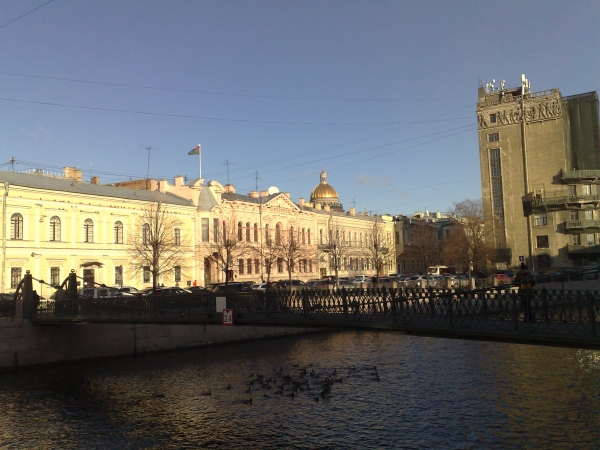
Camera 5 MP. Images 640x480, 1024x768, 1600x1200, 2048×1536.
From the settings: automatic exposure and manual from +2 to -2EV in 0.5 increments, white balance, shooting mode selection (automatic, sports, custom, macro, landscape, night shot, portrait), sharpness adjustment (Soft, Normal, Hard) and color tones (normal, sepia, black and white, vivid, negative)
The first spy photos of the device 'similar to the N95' were labeled Nokia N83. Considering the long-standing existence of the Nokia N80 at that time, it was reasonable to assume that the N95 would be an advanced version of the first. But after a little while, the confusion vanished: with the new index N95, the novelty gained the status of a flagship of the N-series.
The Nokia N95 was recognized by EISA, the European Consumer Electronics Association, as the 'Best European Media Phone of 2007-2008'. The initial comments from EISA were concise: 'The Nokia N95 encompasses all the features that can possibly fit into a mobile device.' However, later statements from the jury of the competition were more elaborate: 'This is no longer just a mobile phone or a status symbol. Get a Nokia N95 and you will hold a piece of communication art – the perfect way to be at the forefront of the global wave.'
At first glance, the Nokia N95 strongly resembles the Nokia N80: the same form factor, a very similar keypad layout, and even the placement of the VGA camera lenses is nearly identical. However, some features link the N95 to the N73, including stereo speakers, a two-tone body design (the covers of both devices' battery compartments are made from the same material and differ only in shape and the placement of the latches), and similar displays. A look at the back gives the Nokia N95 a point-and-shoot camera feel: it has a lens with a cover and a flash window. The smartphone's affiliation with the N-series is signified by rounded corners – a signature touch by Nokia's designers.
Sony Ericsson T700, 2008
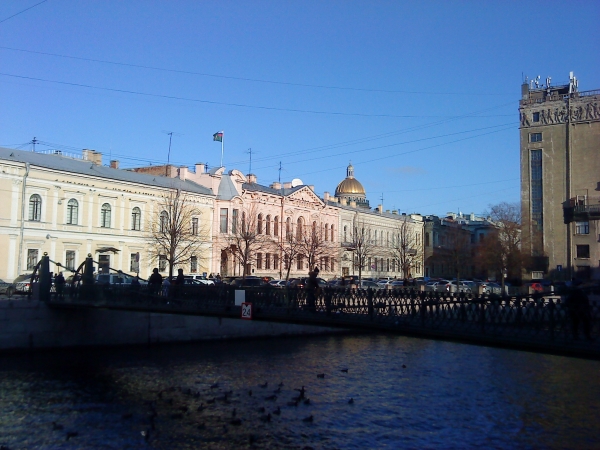
Camera 3 MP. Images 640×480, 1280×960, 1632×1224, 2048×1536.
It features effects (B&W, sepia, negative), white balance adjustment, photo quality selection, and the option to add the date and time to the image.
Back in 2007, the mobile technology exhibition introduced the sleek music product Sony Ericsson W880i, with a body thickness that seemed minimal and an impressive array of features. Interestingly, at that time, the phone felt tiny, and its edges evoked no negative thoughts. A year later, the W890i was released, refining the edges, crafting the body from aluminum, achieving an ultra-lightweight design, and addressing the main issues of its predecessor. It became a 'treat,' with a price point that was pleasantly adjusted down to match that of the W880i. Everything seemed wonderful, but the novelty did not meet sales expectations, and many attributed the modest sales to everything but the price. Fast forward over six months, the T700 hit the market, where Sony Ericsson retained nearly all the features of the W890i while also reducing the upper price range. While the W890i was largely made of metal, the Sony Ericsson T700 minimized metal usage to cut costs. The dimensions and functionality remained unchanged, offering fans of compact, slim designs an excellent alternative to the W890i at a more accessible price.
iPhone 3GS, 2009
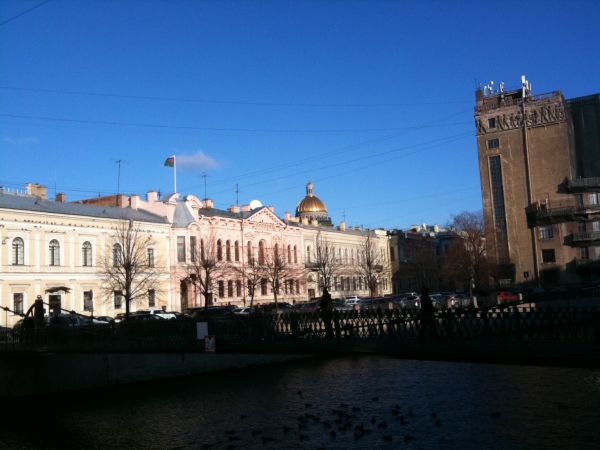
Camera 3 MP. Images 2048×1536.
The iPhone 3Gs introduced the ability to manually set the focus point: tap on the desired area, and the focus shifts instantly and clearly. This is true for both photos and videos. A nice little feature.
The iPhone 3G was a real test for Apple: the company had to resolve numerous issues that arose while working on the first iPhone in a record short time and develop a device that would captivate the most demanding mobile users, accustomed to the latest technology – for example, in Japan.
For business users, one of the most significant innovations was the introduction of support for Microsoft Exchange ActiveSync and Apple MobileMe in the iPhone 3G, enabling synchronization and sharing of calendar information, contact lists, and emails. Thus, users needing these features saw less motivation to purchase smartphones and communicators from BlackBerry and Windows Mobile.
Mobile phone, smartphone, and communicator manufacturers have accustomed us to the idea that new models are always significantly different from the old ones. A new device should have several major distinctions. It was unusual when someone did not follow the trend of releasing a line of three different devices for diverse audiences but focused on something entirely different. What could that be? For example, refining an existing operating system used in both phones and players. The update of iPhone OS 3.0 brought so many new features for Apple devices that another manufacturer would have turned it into a massive marketing spectacle. Another company would have presented an entire line of products under the new 'firmware.' However, Apple's approach is different — every user of even the first iPhone or first Touch can access a multitude of new features.
Naturally, by the time the announcement of the iPhone 3Gs began, everyone understood everything, but they still couldn't fully believe that the company would dare to present the same features, just with different processing speeds.
In my opinion, Nokia N95 performed the best, with a slight deviation in warmth, while the iPhone 3Gs performed worse than expected.
Source: habr.com
