

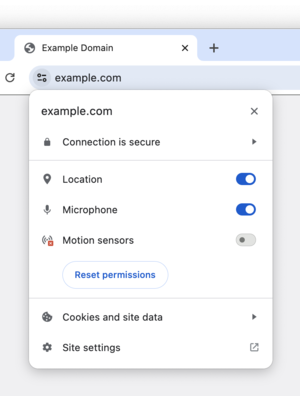
Google plans to modernize the browser interface in the upcoming release of Chrome 117, scheduled for September 12, by replacing the secure data transmission indicator, currently shown in the address bar as a lock, with a neutral 'settings' icon that does not evoke security associations. For connections established without encryption, the 'not secure' indicator will continue to be displayed. This change emphasizes that security is now the default state, with separate markings only required for deviations and issues.
According to Google, the lock icon is misinterpreted by some users, who see it as a sign of overall website security and trust rather than an indicator related to traffic encryption. A survey conducted in 2021 found that only 11% of users understood the purpose of the lock icon. The situation concerning the misunderstanding of the icon's purpose is so dire that the FBI had to publish recommendations clarifying that the lock icon should not be interpreted as a sign of website security.
Currently, almost all websites have transitioned to using HTTPS (according to Google statistics, 95% of pages opened in Chrome are accessed via HTTPS), and the encryption of traffic has come to be seen as the norm rather than a distinctive feature that requires attention. Additionally, malicious and phishing sites also use encryption, and the display of the lock icon on them creates false premises.
The icon replacement will also make it more evident that clicking on it leads to a menu that some users may not suspect. The icon at the beginning of the address bar will now be presented as a button for quick access to essential permissions and settings for the current site. The new interface is already available in the experimental builds of Chrome Canary and can be activated through the parameter 'chrome://flags#chrome-refresh-2023.'
Source: opennet.ru
