

In the upcoming Firefox 70, scheduled for October 22, the display methods for HTTPS and HTTP protocols in the address bar. Pages opened over HTTP will be marked with an insecure connection icon, which will also appear for HTTPS in case of certificate issues. The link for http will be displayed without the protocol ‘http://’, but the protocol for HTTPS will remain visible for now. The address bar will no longer show company information when using a verified EV certificate on the site.
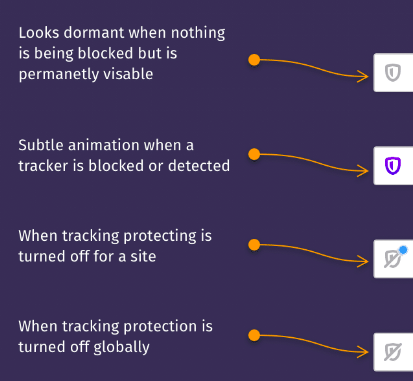
Instead of the ‘(i)’ button, there will be a connection security level indicator that will allow users to assess the status of code blocking modes for tracking movements. The color of the padlock symbol for HTTPS will change from green to gray (the green color can be restored through the security.secure_connection_icon_color_gray setting).
Overall, there is a trend among browsers moving away from positive security indicators to displaying warnings about security issues. The purpose of separately highlighting HTTPS is diminishing, as in modern realities, the overwhelming majority of requests are processed using encryption and are perceived as a given rather than an additional layer of protection.
According to According to Firefox Telemetry, the global share of page requests over HTTPS stands at 79.27% (up from 70.3% a year ago, and 59.7% two years ago), with the US at 87.7%.
Information about the EV certificate will be in the dropdown menu. To restore the display of EV certificate details in the address bar, an option ‘security.identityblock.show_extended_validation’ has been added to about:config. The redesign of the address bar generally mirrors , previously approved for Chrome, but there are currently no plans for Firefox to default to the ‘www’ subdomain and add a mechanism (SXG). Recall that SXG allows the owner of one site to authorize the hosted pages on another site using a digital signature, after which, when accessing these pages on the second site, the browser will display the original site’s URL to the user, even though the page is loaded from a different host.
Addition: The information presented in the initial version of the news regarding the intent to hide ‘https://’ has not been confirmed, but this proposal has been moved to the ‘task’ state and added to the consolidated for changing the display of HTTPS in the address bar.
Source: opennet.ru
