

The developers of Ubuntu Linux have announced a change in the release composition of Ubuntu Desktop 25.10, scheduled for October 9 this year. The upcoming release will include two new applications by default: the Ptyxis terminal emulator and the Loupe image viewer, which will replace the previously included GNOME Terminal and Eye of GNOME. The Ptyxis and Loupe applications were previously included by default in Fedora Linux.
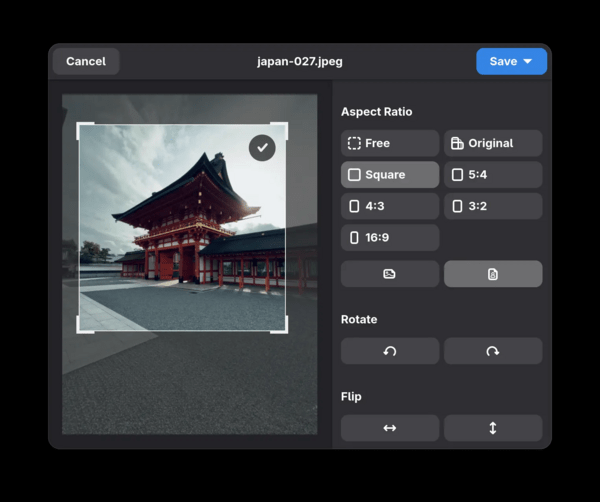
The Loupe viewer is offered by default in GNOME starting with the GNOME 45 release, featuring a lightweight interface optimized for quick image viewing. The glycin library is used for decoding and parsing image formats. Decoding is performed using sandbox isolation. GPU acceleration is utilized to enhance rendering speed. The code for Loupe and glycin is developed in Rust. The application supports smooth transitions between images, applies visual effects during scaling and rotating, features a properties sidebar, includes buttons for quick copying and deletion, and provides print output settings and editing tools (cropping, rotation, flipping).
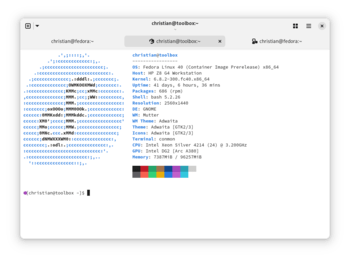
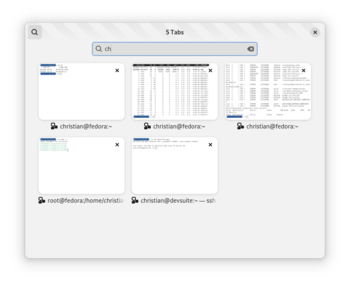
The Ptyxis terminal emulator is written in C and, compared to GNOME Terminal, offers built-in capabilities for working with containers using Toolbox, Distrobox, Podman, and JHBuild. Ptyxis also features additional settings and very high rendering speed thanks to Vulkan and OpenGL rendering. The interface supports dark and light themes, uses GTK 4, and offers an overview mode for clear navigation through active sessions.
Other development plans for Ubuntu 25.10 include:
- Utilizing the VRR (Variable Refresh Rate) mechanism in the composite server Mutter, allowing adaptive adjustment of monitor refresh rates to ensure smoothness and eliminate tearing during gaming and video playback.
- Ensuring quality support for Wayland on systems with NVIDIA GPUs.
- Providing a fully functional desktop session for RISC-V architecture systems, supporting applications such as Firefox and Thunderbird.
- Stabilization of full disk encryption that does not require a password to unlock the disk at boot, thanks to the storage of information for decrypting the keys in the TPM (Trusted Platform Module).
- Ongoing work on the permission request output system, which requires user confirmation for access, for example, when snap packages access files in the home directory. Dynamic access provision is organized using AppArmor mechanisms. The integration of the permission request with GNOME Shell has been improved.
- Support for Landscape, a management system for groups of workstations, has been integrated into the installer. serversThis change will allow enterprise administrators to upload automatic installation configuration files directly from the Landscape platform.
Source: opennet.ru
