

Looking at the current diversity of educational robotics, it's heartening that children have access to a vast array of kits and ready-made products, and that the entry point into the basics of programming has been lowered significantly (even down to preschool). There is a widespread trend of introducing modular block programming, followed by a transition to more advanced languages. However, this situation has not always been the case.
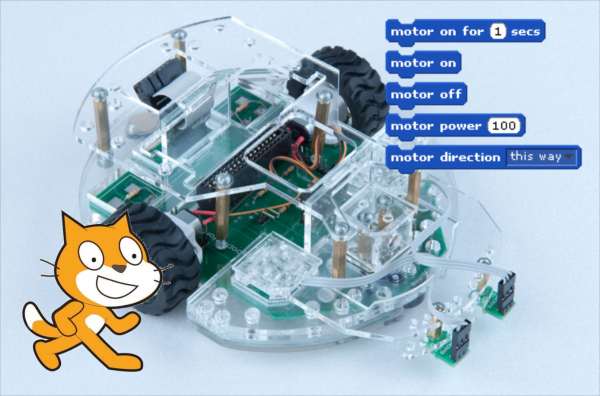
In 2009-2010, Russia began to become familiar with Arduino and Scratch on a large scale. Accessible electronics and programming started to capture the minds of both enthusiasts and educators, and the idea of combining all this was already prevalent (and partially realized) in the global information space.
In fact, Scratch in its released version 1.4 at that time already had support for external hardware. It included support for Lego WeDo (Motor blocks) and .
But there was a desire for Arduino and robots based on it, preferably working on the basic version. At the same time, one of the Japanese Arduino enthusiasts figured out how to combine the platforms and shared the schematics (though not all of them, so some had to be inferred) and the firmware for public access (unfortunately not even in English). Using this project as a basis, ScratchDuino was born in 2010 (at that time, I was working with my wife at LinuxCenter).
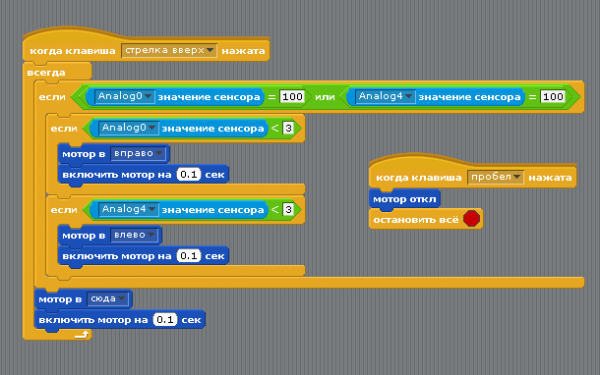
The concept of a "replaceable cartridge" (doesn't it resemble Micro:bit?), magnetic mounts for robot components, and the use of Scratch's built-in capabilities for sensor processing and motor control.
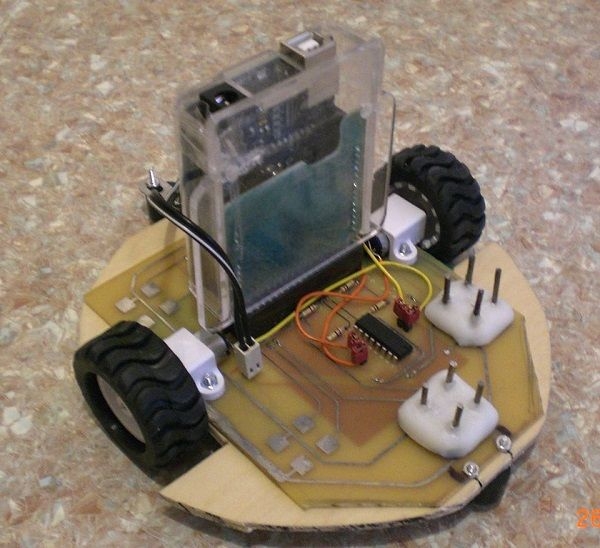
The robot was initially conceived to be Lego-compatible:
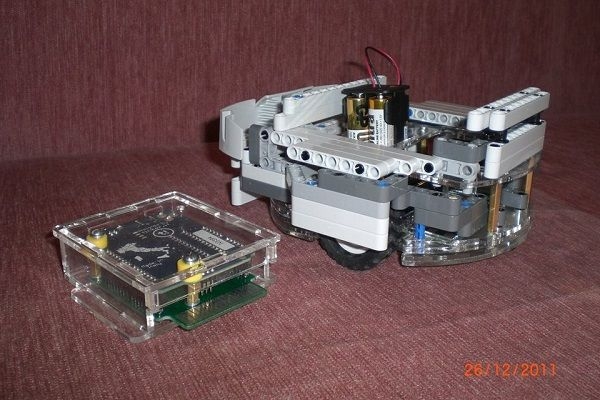
In 2011, the platform was unveiled and (after my wife and I left the project in 2013) continues to thrive and develop under the name ROBBO.
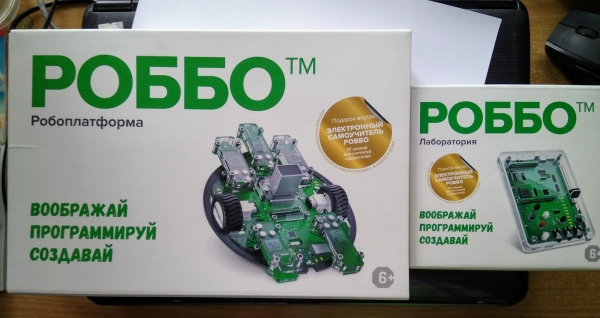
Some may argue that there were similar projects. Yes, around the same time, the S4A project began to develop, but they were focused on programming specifically in the style of Arduino (with its digital and analog outputs) from a modified version of Scratch, whereas my development could work with the "vanilla" version (though we also modified it to display blocks specifically for sensors from 1 to 4).
Then Scratch 2.0 came along, introducing plugins for both Arduino and popular robots, and Scratch 3.0 natively supports a large number of robotic platforms.
Blockly. If you look at popular robots like the MBot (which, by the way, initially also used a modified version of Scratch), they are programmed in a block-based language, but it's not Scratch; it's a modified version of Blockly from Google. I'm not sure if my work influenced its development, but I can certainly say that when we showcased the Scratchduino platform to Blockly developers in London in 2013, robots weren't even on the radar.
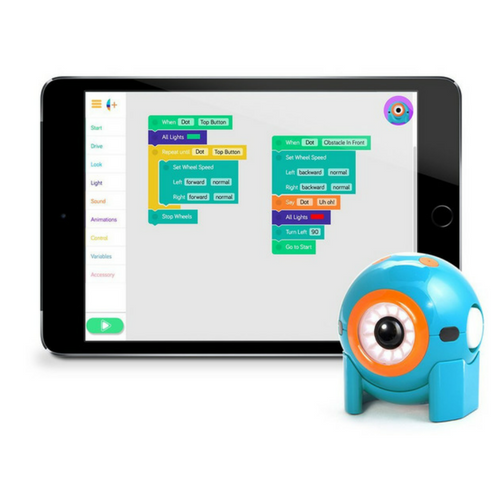
Now, Blockly modifications serve as the foundation for numerous robotics kits and educational robots, and that's a different story, as recently there have been (and also faded away) a huge number of projects both in Russia and worldwide. But in Russia, specifically in the Scratch implementation and the 'opposition' against Lego, we were the first 🙂.
So, what happened after 2013? My wife and I founded our project PROSTOROBOT (also known as SIMPLEROBOT) in 2014 and shifted our focus to developing board games. But Scratch still holds our attention.
We have interesting developments in robot modeling in Scratch and its successor, Snap!
You can download the PDF file with the description and use it freely , and find ready-made projects . Everything works in Scratch version 3 as well.
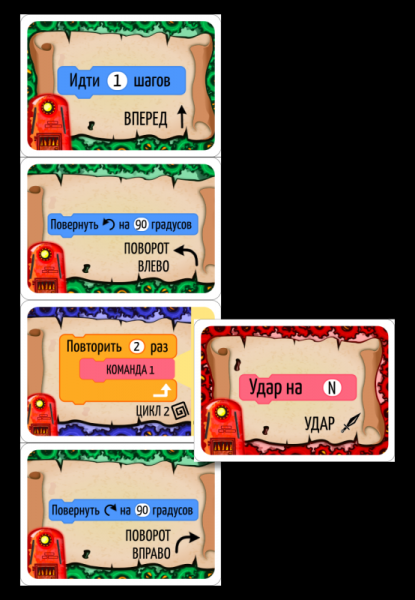
We also returned to programming robots in Scratch in our new educational board game 'Battle of Golems. Parobots Card League' and we would be delighted if .
When you are at the forefront of something and 'feel' the trends before they become mainstream, and you happily acknowledge that you were the first to essentially create a market, it’s bittersweet that the laurels of victory didn't go to you. But I can proudly say that the fusion of Scratch and Arduino in robotics in Russia emerged thanks, in part, to my efforts.
Source: habr.com
