

A new version of the Ultimaker Cura 5.0 package is available, providing a graphical interface for preparing models for 3D printing (slicing). The project's code is written in Python and is distributed under the LGPLv3 license. The GUI is built using the Uranium framework, which utilizes Qt.
Based on the model, the program determines the operation scenario of the 3D printer for the sequential application of each layer. In the simplest case, it is enough to import the model in one of the supported formats (STL, OBJ, X3D, 3MF, BMP, GIF, JPG, PNG), select the speed, material, and quality settings, and send the job to print. Plugins are available for integration with SolidWorks, Siemens NX, Autodesk Inventor, and other CAD software. CuraEngine is used to translate the 3D model into a set of instructions for the 3D printer.
In the new release:
- The user interface has been updated to use the Qt6 library (previously using the Qt5 branch). The transition to Qt6 provides support for operation on new Mac devices equipped with the Apple M1 chip.

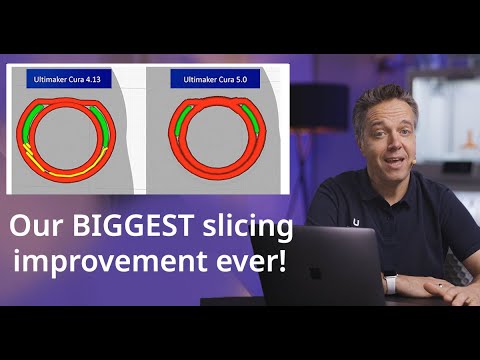
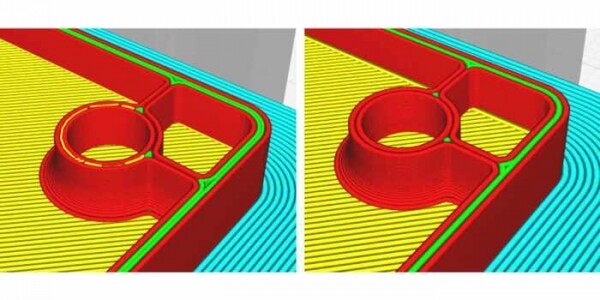
- A new layer slicing engine has been introduced — Arachne, which uses variable line width when preparing files, allowing for increased accuracy in printing thin and complex details.

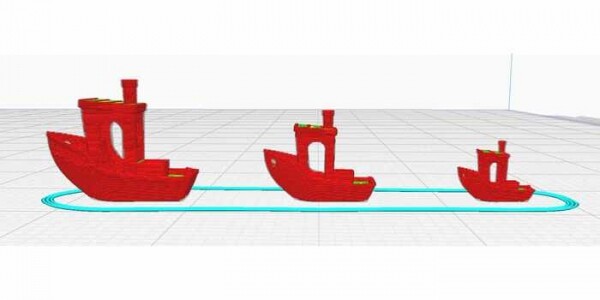
- The quality of slicing previews for scaled models has been improved.
- The plugin and material catalog interface of the Cura Marketplace, integrated into the application, has been updated. The processes for searching and installing plugins and material profiles have been simplified.
- Profiles for printing on Ultimaker printers have been improved. Printing output speed has increased by up to 20% in some cases.
- A new splash screen that appears on application startup has been added, along with a new icon.
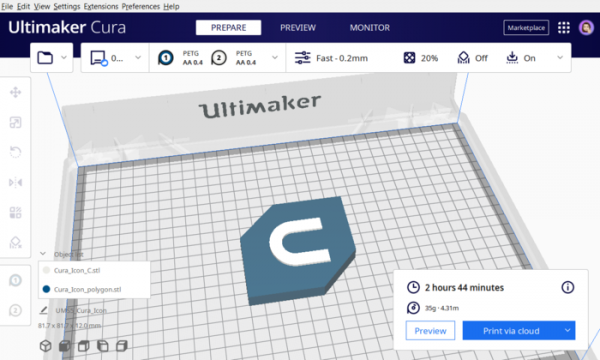
- The digital build plates for Ultimaker printers have been updated.
- A parameter for 'minimum wall line width' has been introduced.
- Settings for metal 3D printing have been added.
- Support for material shrinkage compensation during printing using PLA, tPLA, and PETG materials has been added.
- The default line width selection for printing spiral shapes has been improved.
- The visibility of options in the interface has been enhanced.
Source: opennet.ru
