

Over the years, Microsoft has launched several of its own Linux projects. There were Linux-based operating systems for network switches in data centers and Linux-based OS created for the Azure Sphere embedded security service. Now, another Linux-based project, which Microsoft has been working on for some time, has come to light.

On the first day of the Build 2019 developer conference, the software giant announced the creation of its own version of the Linux kernel, which will be a part of Windows 10. The first test builds for Insider program participants will be released by the end of June. This kernel will provide the foundation for the architecture . As Microsoft representatives stated in their blog, this is the first time a fully-fledged Linux kernel will become an integrated component of Windows.
Let’s remember: WSL 1 was a compatibility layer, essentially an emulator, for running Linux binary files (ELF) in the Windows 10 and Windows Server 2019 operating system environments. This allowed for the integration of the Bash shell in Windows in recent years, added OpenSSH support in Windows 10, and included Ubuntu, SUSE Linux, and Fedora distributions in the Microsoft Store app.
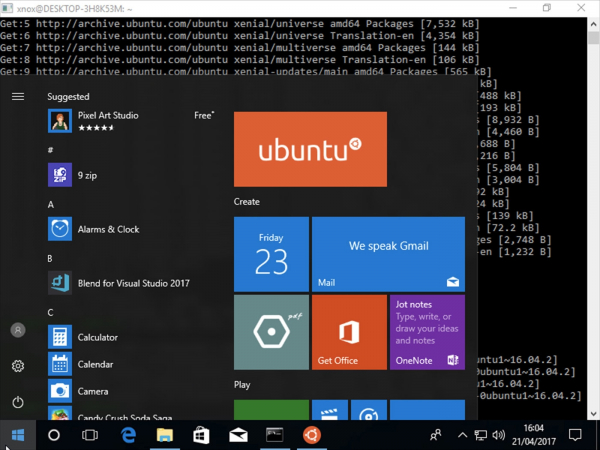
The introduction of a full Linux kernel in WSL 2 will improve compatibility, significantly enhance the performance of Linux applications on Windows, speed up boot times, optimize memory usage, accelerate file system input/output operations, and allow for direct Docker container execution rather than through a virtual machine.
The actual performance gain will depend on the specific application and how it interacts with the file system. Internal Microsoft tests show that WSL 2 operates 20 times faster compared to WSL 1 when unpacking tarball archives, and is approximately 2–5 times faster when using git clone, npm install, and cmake in various projects.

The Microsoft Linux kernel will initially be based on the latest long-term stable version 4.19, which the company uses, and on technologies involved in Azure cloud services. According to Microsoft representatives, the kernel will be completely open: that is, all changes made by Microsoft will be provided to the Linux developer community. The company also promises that with the release of the next long-term stable kernel version, the version for WSL 2 will also be updated so that developers always have access to the latest innovations in Linux.
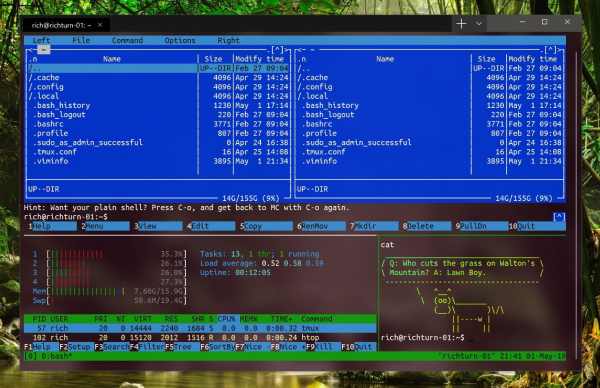
WSL 2 will still not include any user space binaries, just like the current version WSL 1. Users will still be able to choose which Linux distribution suits them best, downloading it from both the Microsoft Store and other sources.
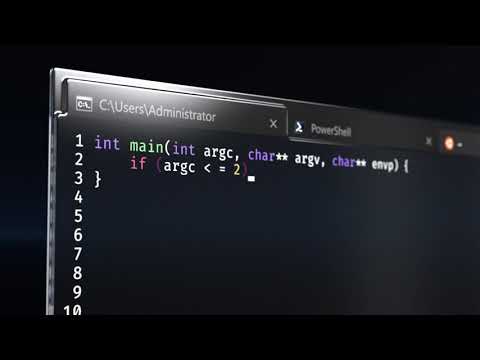
At the same time, Microsoft unveiled a new powerful command line application for Windows 10 called Windows Terminal. It features tabs, shortcuts, text emojis, supports themes, extensions, and GPU-based text rendering. The application is intended for accessing environments such as PowerShell, Cmd, and WSL. This is another step by Microsoft aimed at simplifying developers' interactions with Windows 10. The preview version of Windows Terminal in the form of a repository on GitHub, with a release in the Microsoft Store promised by mid-June.
