

The website Windows Central reports that Microsoft has likely changed its strategy regarding the Windows 10X operating system. The company has removed the technology responsible for virtualizing the familiar Win32 applications for most users. This capability was initially supposed to be included in Windows 10X, but now Microsoft has decided to eliminate it.
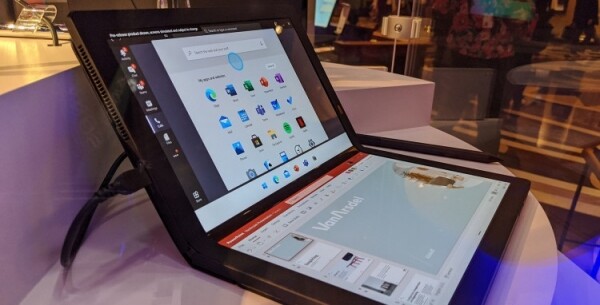
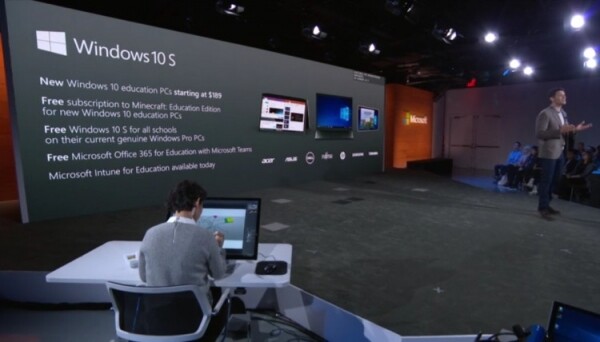
It is believed that this change was made to position Windows 10X as a competitor to Google Chrome OS. This means that the system will be aimed at low-powered devices with low energy consumption. Thus, Windows 10X will work either with UWP applications or with programs based on the Edge browser. Along with the new operating system, Microsoft will promote web versions of Office, Teams, and Skype. Ultimately, Windows 10X will be a direct successor to Windows 10 S and Windows RT, which also lacked the ability to run traditional Win32 programs.
Reports suggest that dropping the VAIL container technology, designed to run classic applications in the Windows 10X environment, will allow the company to ensure the operating system functions on ARM devices that had previously struggled to operate reliably with virtualization tools. However, there are rumors that Microsoft will keep the option to activate VAIL for higher-performance devices.
The first devices based on Windows 10X are expected to hit the market in early 2021.
Source:
Source: 3dnews.ru
