

Microsoft continues to work on its for next-generation Microsoft devices, which include Surface Hub, HoloLens, and upcoming foldable devices. At least, this is indicated by the LinkedIn profile :
"Experienced C++ developer with skills in creating cloud manageable operating systems. Implementing capabilities and device management protocols based on Azure for IoT devices, next-generation devices based on WCOS (Windows Core OS), Windows desktop, HoloLens, and Windows Server."
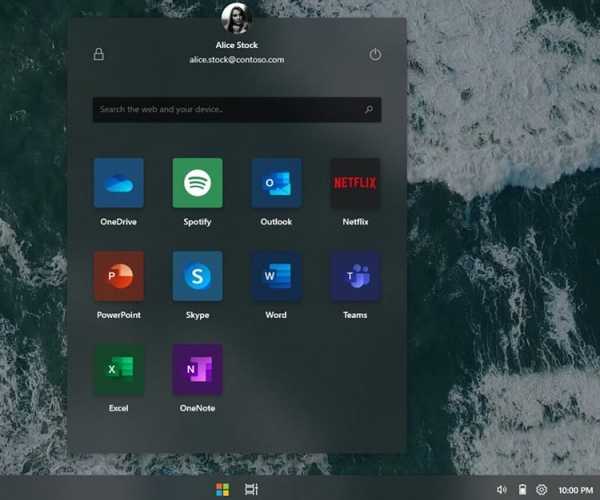
Another LinkedIn profile belonging to a developer from , mentions their work on integrating Storage Spaces technology into the Windows Core operating system. It is worth noting that Storage Spaces in Windows and Windows Server is designed to enhance user data protection from disk failures and increase device reliability.
The acronym WCOS is also mentioned in several job postings on LinkedIn. A few profiles indicate a new in the Windows Core OS and . Let's recall: Windows Core is a modular OS, likely created to enable Windows to operate on devices of any form factor, while also enhancing performance and energy efficiency for specialized tasks. It is believed that Windows Core will be used, for example, in the next-generation HoloLens.
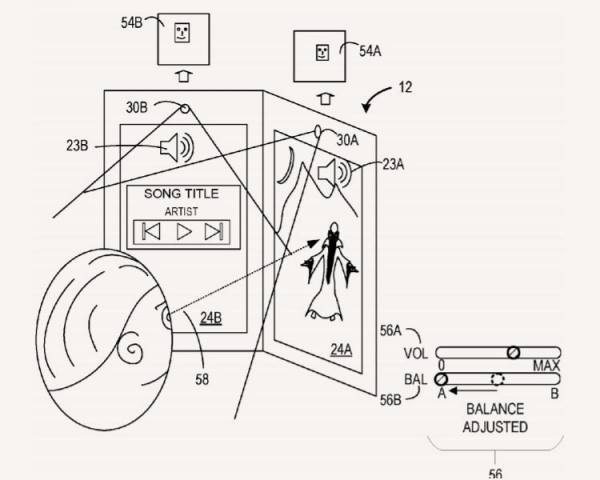
Interestingly, Microsoft recently patented a foldable device with two screens, which will feature virtual volume mixing controls instead of physical volume controls. In the patent application, the company also noted that the device could support separate applications and functionalities on both displays. For instance, a user could run mapping software on one screen and play a game on the other.
Source: 3dnews.ru
