

Public activists in rural regions of the U.S. use artificial intelligence in their fight against tech giants and massive construction data processing centers (data centers) "in their backyard." They recognize the irony of the situation but claim that despite concerns about this technology, AI helps accelerate their volunteer efforts. Activists are using AI powered by data centers to oppose its creator.

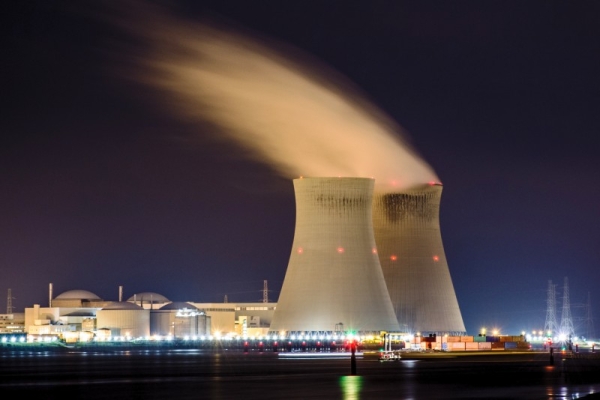
Ohio, which currently houses over 200 data centers, is one of the leading locations in the U.S. for hosting data centers, despite local residents' negative reactions. They fear that data centers will lead to increased electricity prices and harm the local environment, much of which is agricultural land. According to the International Energy Agency, by the end of this decade, data centers will account for about half of the growth in electricity demand in the U.S., a significant portion of which is generatedat power plants.
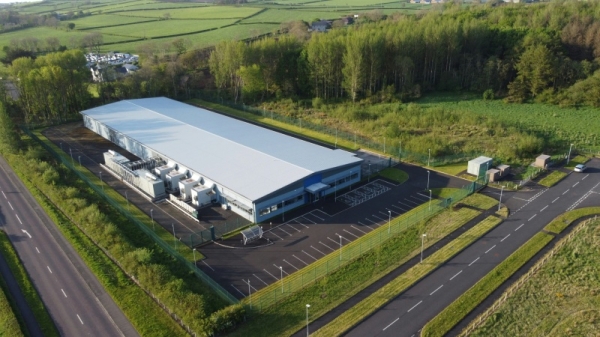
Concerns Regarding data centers concerns are multifaceted: residents worry about electricity prices, climate change, stress on the power grid and water supply systems, air pollution, declining property values, noise, and even the potential unsightly appearance of the buildings themselves, which are usually large concrete structures. However, facilities for artificial intelligence systems are being built en masse across the country, especially in states like Ohio that offer major tech companies tax breaks and other incentives.
Social worker Jessica Sharp asks a chatbot to help her fight against the construction of a data center just steps from her home. She says she tries to minimize her use of AI due to its energy consumption, but the technology saves her time by helping decode meeting protocols and speeding up legal research. Realtor Jessica Baker uses neural networks to draft requests for document provision in her fight against data center construction. "I use the beast to defeat the beast," says Baker.
Technologies have also helped activists coordinate their actions and spread information. Baker and Sharp share information on social media. Several local groups opposing data centers gathered thousands of participants in just a few months. Meanwhile, Baker publishes online what she calls 'videos of angry speeches' — the first of which has garnered around half a million views.
Company Amazon stated that the construction of data centers will create at least 100 new long-term jobs and fund up to $35 million for public infrastructure improvements. 'We know that any new construction may raise questions in the community, and we believe it is important to develop solutions that genuinely address community concerns,' said a company representative.
There are conflicting opinions regarding the economic benefits that data centers can provide to the community. The nonprofit organization JobsOhio claims that data centers 'create positive economic momentum' for Ohio by generating jobs and attracting talent. However, according to the state agency Ohio Consumers' Counsel, while construction brings a short-term influx of jobs, those opportunities disappear after the facilities are completed.
The research firm Data Center Watch, which monitors resistance to data center construction, reports that local authorities across the country have blocked or delayed about 20 projects, with a total investment amounting to nearly $100 billion in the second quarter of last year. Some states are passing special amendments to legislation: for example, Maine became the first state to pass a bill banning the construction of new data centers until November 2027.
Residents from rural areas are gathering to discuss what measures They can take actions to halt the construction of data centers. One local resident stated she feels overwhelmed because the documents regarding the proposed large-scale data center near her home "seem to be written in Klingon." Another local woman said she turned down "atrocious amounts of money" that were offered to her for her land, which is intended for the data center's construction. Many residents were not even aware of what a data center was until they found out one was set to be built in their area.
Activists are gathering signatures for a petition aimed at amending the Ohio state constitution to prohibit the construction of medium and large data centers with capacities exceeding 25 megawatts. "This threatens our way of life: we move slower here, we value the view from here, and we don’t want things to change if it doesn’t benefit the people who live here," said Baker.

Congressman Greg Landsman from Ohio recently introduced a bill that would require data center operators to fully cover their energy needs and infrastructure requirements, as well as commission environmental impact studies. He stated that some areas of Ohio have become a sort of "data center hub" due to "cheap land and cheap politicians." Landsman wants to ban elected officials from signing non-disclosure agreements on data center projects — a practice that has caught many Ohio residents off guard.
"Large tech companies should pay for everything," Landsman insists. "Primarily because they are the main beneficiaries, and also because they have the capital while our cities and communities do not; they have been experiencing a funding shortage for some time — both the cities and residents."
Source:
Source: 3dnews.ru
